






Soft Body Armor vs Bulletproof Vests: Key Differences


Soft body armor and a bulletproof vest are often treated as the same thing, but they protect against different threats. Soft body armor, also called a soft armor vest or flexible bulletproof vest, is lightweight armor made of woven or laminated fibers and built to stop handgun rounds. A bulletproof vest is the everyday name for vest-style armor, and when the goal is rifle protection, that usually means a vest or plate carrier holding rigid hard plates.
This guide compares the two side by side, including materials, NIJ ratings, rifle protection, concealability, comfort, and typical users, so you can choose the right bulletproof vest or soft armor for your situation. Advances in armor technologies, from aramid fibers to polyethylene plates, have shaped both types, yet their jobs remain different. Shop Chase Tactical’s soft body armor when you are ready to compare options.
What Is the Difference Between Body Armor and a Bulletproof Vest?
Body armor is the umbrella term for protective gear worn on the body, including soft armor panels, hard plates, plate carriers, and helmets. A bulletproof vest is the common name for vest-style body armor, and you may also see it called a ballistic vest.
The more precise term is bullet-resistant, because no armor stops every threat. There are different types of body armor, so the practical question is what a piece of armor is rated to stop. That rating decides whether it is soft armor, hard armor, or a combination of both.
What Is Soft Body Armor?
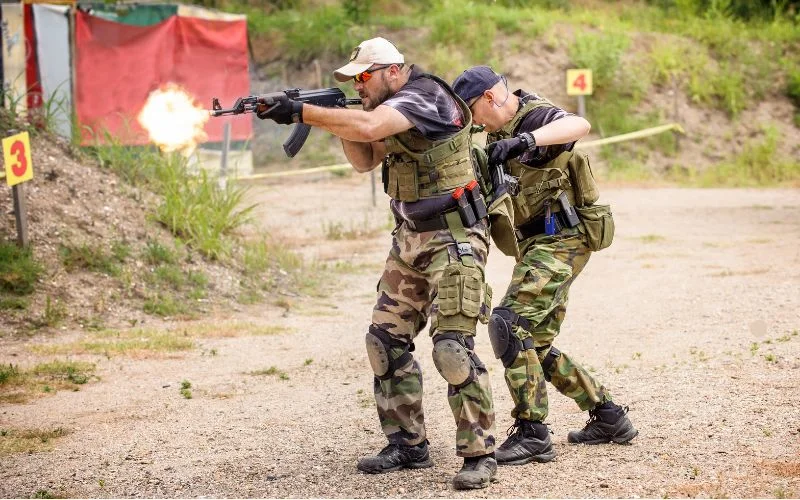
Soft body armor is a flexible protective garment, usually worn as a vest, that is designed to stop handgun rounds. It is commonly used by law enforcement officers, security personnel, and even civilians who want a discreet and comfortable option for personal protection.
What Is Soft Body Armor Made Of?
Soft body armor is typically constructed from woven or laminated fibers, such as Kevlar, Twaron, or Dyneema. These materials are lightweight and flexible, and they are engineered to absorb and spread the impact of a projectile, which helps stop it from penetrating the body.
Types of Soft Body Armor
Soft armor is sold as complete vests and as separate panels or inserts that fit inside a carrier. Within either form, the main difference is the NIJ protection level. Under the older NIJ 0101.06 standard, soft armor is rated Level IIA, Level II, or Level IIIA, and Level IIIA is the highest.
The newer NIJ 0101.07 standard uses new names, HG1 and HG2 for handgun levels and RF1, RF2, and RF3 for rifle levels, so you will see both naming systems on product pages. Chase Tactical’s body armor levels page shows how the levels compare.
Features Of Soft Body Armor
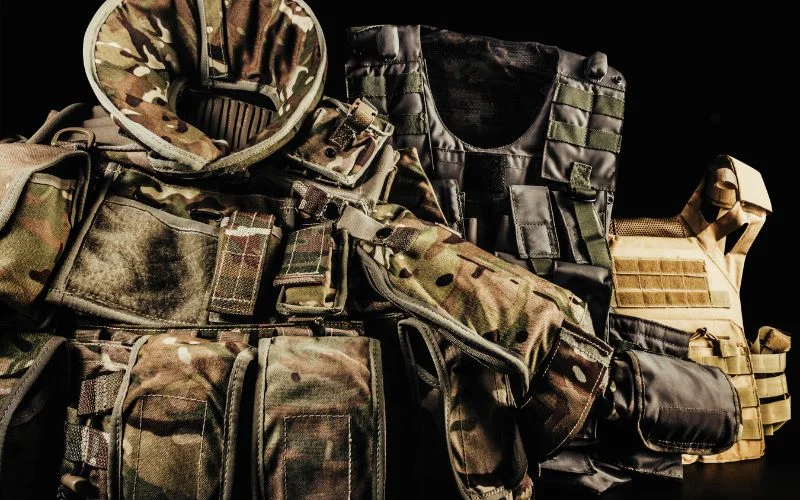
- Lightweight and Flexible: One of the most significant advantages of soft body armor is its lightweight and flexible nature. This makes it comfortable to wear for extended periods, whether under clothing or as part of a uniform.
- Concealability: Soft body armor vests are designed to be worn under clothing, making them a great option for anyone who needs protection without drawing attention. This makes them ideal for undercover officers or individuals in high-risk environments who want to avoid detection. See our guide to concealable body armor for more.
- Multi-threat Protection: While primarily designed to stop handgun rounds, soft body armor can also offer protection against knife attacks, shrapnel, and other threats, depending on the material and construction. Stab protection is tested separately from ballistic ratings, so check the product specifications. Just make sure you select the appropriate body armor for varying threat levels.
- NIJ Ratings: The National Institute of Justice (NIJ) tests body armor to determine its effectiveness against various types of bullets. Soft body armor is typically rated Level II or Level IIIA (HG1 or HG2 under the newer standard), meaning it can stop most handgun rounds, including those fired from 9mm and .44 Magnum pistols, but it is not rated for rifle rounds.
- Comfort and Mobility: The inherent flexibility of soft body armor enables a wider range of motion, making it ideal for dynamic users who require swift and unimpeded movement within their occupational realm.
Can Soft Body Armor Stop Rifle Rounds?
No. Standard soft body armor is rated for handgun rounds, not rifle rounds, and that includes rounds fired from an AR-15. Stopping rifle rounds takes rigid hard plates rated for rifle threats. Under the older NIJ standard those are Level III and Level IV plates. Under NIJ 0101.07, RF1 replaces Level III, RF3 replaces Level IV, and RF2 is a new level in between.
If weight is the concern, lightweight armor plates reduce the load, but they are still rigid plates rather than soft armor. Some plates are only rated when worn with a specific soft armor backer, so read the product details, and see our overview of the rifle threats Level IV armor stops before you decide.
Purpose and Usage: Soft Body Armor
Soft body armor suits people who face handgun threats and need protection they can wear for a full shift:
- Law enforcement: Daily patrol, worn under or over a uniform. See which body armor level police use.
- Security personnel: Long hours on post, where comfort and mobility matter. Read more on body armor for security guards.
- Civilians: Discreet, everyday protection worn under clothing.
Soft Armor Vest, Soft Ballistic Vest, and Kevlar Vest: Are They the Same?
Mostly, yes. Shoppers use several names for soft body armor, including soft armor vest, soft ballistic vest, soft bulletproof vest, and Kevlar vest. All of them point to flexible armor made from woven or laminated fibers and rated for handgun threats. Kevlar is a brand of aramid fiber, so a Kevlar bulletproof vest is soft armor unless it also carries hard plates. You may also see the British spelling, soft body armour, for the same product.
The name on a listing matters less than the NIJ level and the threats it covers. Options range from Level II soft armor to a Level IIIA soft armor insert that fits inside a carrier. A comparison of Kevlar vs a plate carrier is not like for like, because Kevlar is a fiber used in soft armor, while a plate carrier is a carrier that can hold plates or soft panels.
What Is A Bulletproof Vest?
A bulletproof vest is a type of body armor designed to distribute and absorb the energy from bullets, preventing them from penetrating the wearer’s body. Bulletproof vests are built from layers of high-strength material such as aramids or high-performance polyethylene, and rifle-rated versions add rigid plates. They have varying degrees of protection to guard against different calibers of ammunition.
A vest is measured by its ability to stop the rounds it was tested against. Under the older NIJ standard, Level IV is the most resistant and is designed to stop armor-piercing rifle rounds. The technology and materials used in a vest determine how well it withstands multiple impacts and limits backface deformation, which is how far the armor pushes in toward the wearer on impact.
Types of Bulletproof Vests
Bulletproof vests fall into a few practical types, and the type tells you what the vest is meant to stop:
- Concealable soft armor vest: Worn under clothing and rated for handgun threats. This is a bulletproof vest without plates, and it offers the best concealment.
- Overt soft armor vest: Worn over a uniform, still handgun rated, and common with police and security teams.
- Plate carrier with hard plates: Holds rifle-rated plates in a carrier for rifle threats, and is widely used by military and tactical units.
- Hybrid setup: Rifle plates worn with soft armor panels for both handgun and rifle coverage.
Vests are also grouped by NIJ level, so check the rating before the style. Our overview of tactical body armor components shows how carriers, panels, and plates fit together, full body armor vs modular armor compares fixed and adjustable setups, and body armor for civilians vs military use covers who typically wears which type.
Features Of Bulletproof Vests
- High-Level Ballistic Protection: Vests fitted with rifle-rated plates are designed to stop high-velocity rounds. Under the older NIJ standard, Level III plates are tested against 7.62mm NATO full metal jacket rounds, and Level IV plates are tested against .30-06 armor-piercing rounds.
- Rigid Plates: Unlike soft body armor, rifle-rated vests use rigid plates held in plate carriers. Plates are made from materials such as ceramic, steel, or polyethylene, and they protect against rifle rounds and other high-velocity projectiles.
- Modular Design: Many bulletproof vests are modular, allowing users to add or remove protective plates based on the level of threat they are facing. This adaptability is particularly valuable in military and law enforcement settings.
- Overt Wear: Vests with plates are typically worn over clothing and are designed to be visible. This overt style of wear is intended to serve as a deterrent, signaling to potential attackers that the wearer is protected.
Purpose and Usage: Bulletproof Vests
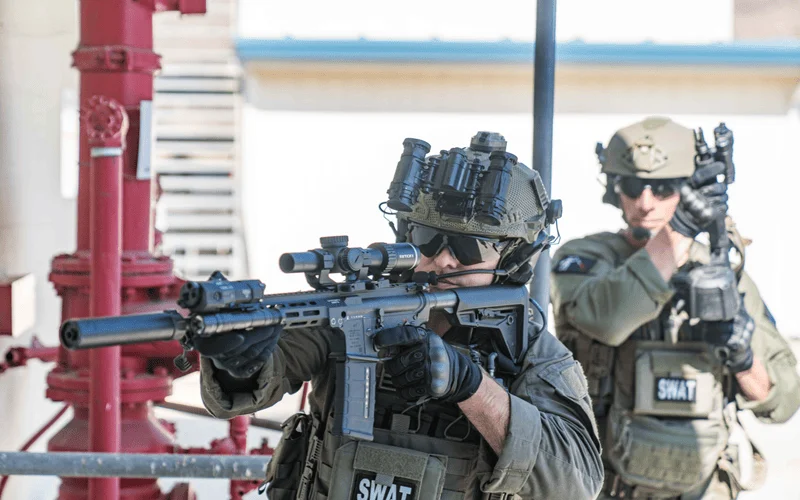
Bulletproof vests are tailored to specific environments:
- Law enforcement: Everyday patrols, active shooter scenarios
- Military and tactical units: Rugged environments with high-powered threats, close-quarters operations, and breaching. See how modern military forces use tactical gear.
- Civilian defense: Personal protection, especially in high-crime areas or high-risk professions such as journalism
- Security teams: High-risk event coverage, VIP protection
Their versatility, ease of movement, and compatibility with uniform sizes make them a critical part of law enforcement gear. If you need a shield rather than worn armor, see ballistic shields vs bulletproof vests.
Do Bulletproof Vests Actually Work?
Yes, within their ratings. A bulletproof vest works by catching the bullet in layers of high-strength fibers or stopping it with a rigid plate, and it spreads the impact energy across a wider area so the round does not penetrate. The wearer still feels the force, which is why backface deformation and trauma pads matter.
A vest does not stop every threat. A handgun-rated vest is not built for rifle rounds, and armor only stops what it was tested against. Three things decide the effectiveness of a vest in real use: the right rating for the threat, a correct fit, and the condition of the armor. Worn or damaged armor may not perform as rated, so follow the guidance on how to care for and maintain body armor. To compare ratings, read our guide to Level III and Level IV body armor.
Soft Armor, Hard Plates, and Plate Carriers
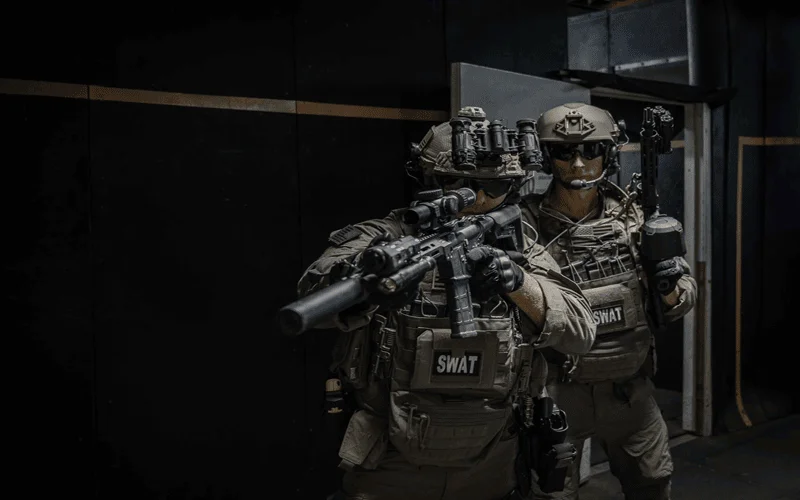
Soft armor and hard plates are often worn together, and a plate carrier is what holds them on the body. This section explains how the three fit together and how they differ from a bulletproof vest.
Is a Plate Carrier the Same as a Bulletproof Vest?
Not quite. A plate carrier is a vest-style carrier that holds armor plates and, in many setups, soft armor panels. On its own it does not stop bullets. The protection comes from what is inside: rated plates for rifle threats, soft panels for handgun threats, or both.
That is why a tactical vest or plate carrier is not automatically bulletproof. For fitting help, see how to set up a plate carrier, and compare low-profile and full tactical plate carriers if you plan to wear one for long periods.
Can You Wear Soft Armor and Hard Plates Together?
Yes. Many setups pair rifle plates with soft armor so the wearer has both handgun and rifle coverage. Whether a plate needs a specific soft armor backer depends on how it was rated, so check the product details. Our guides on wearing soft armor with hard plates and pairing Level III plates with soft body armor cover the details, and the full soft armor vs hard armor comparison goes deeper on the trade-offs.
Trauma Plate vs Ballistic Plate
A ballistic plate is rated to stop specific rounds. A trauma plate or trauma pad sits behind armor to help spread blunt force, and it is not a substitute for rated armor. If you want extra blunt-force protection behind soft armor, see the soft trauma armor insert.
Body Armor Coverage, Fit, and Accessories
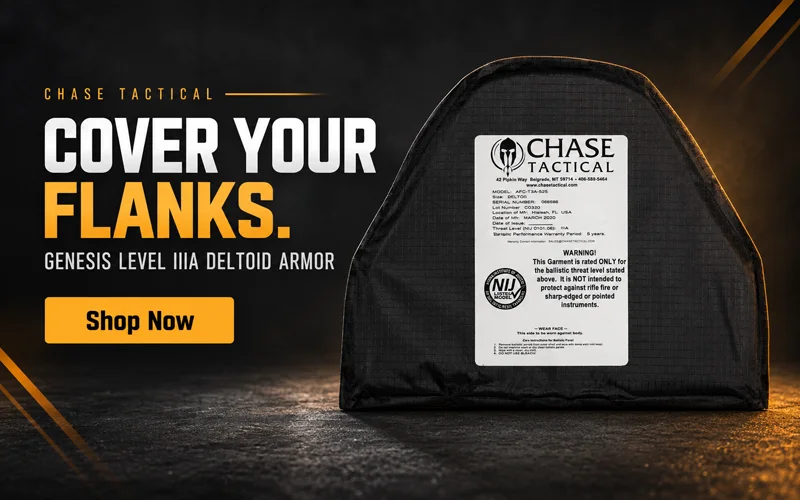
Protection depends on coverage as well as rating. A vest covers the chest and torso with front and back panels, and armor only protects the area it covers. Side and shoulder coverage depends on the carrier and on add-ons such as side armor plate pockets or a plate carrier cummerbund. A poor fit leaves gaps and can shift when you move, so match the right size to the right carrier.
Plate carriers use MOLLE webbing, which lets you attach pouches and other accessories. Keep the setup balanced, since added gear adds weight and can change comfort and mobility, and make sure accessories do not push the plates out of position. See MOLLE-compatible plate carriers and our complete tactical loadout guide for planning, or shop plate carriers when you are ready.
What are the Key Differences Between Soft Body Armor And Bulletproof Vests?
Understanding the key differences between soft body armor vests and bulletproof vests is crucial for selecting the appropriate protection. Here are the main distinctions:
| Feature | Soft Body Armor | Bulletproof Vest |
| Materials | Primarily made from aramids (e.g., Kevlar), UHMWPE (ultra-high-molecular-weight polyethylene), or other advanced fibers. | Typically uses hard plates (ceramic, steel, or polyethylene), often combined with soft fabric layers such as aramids. |
| Flexibility | Highly flexible and lightweight, providing greater comfort and mobility. | Generally stiffer and bulkier, especially when plates are included, which limits flexibility. |
| Protection Level | Rated for handgun rounds, typically Level II or Level IIIA (HG1 or HG2). | Offers a broader range of protection levels, including rifle-rated Level III and Level IV (RF1 to RF3). |
| Weight | Lighter and more comfortable for extended wear. | Heavier due to additional protective layers or armor plates. |
| Rifle Protection | Not rated for rifle rounds on its own. Rifle protection requires hard plates. | Rifle-rated setups, such as Level IV plates, are designed to stop high-velocity rifle rounds. |
| Concealability | Can be worn under clothing, offering discreet protection. | May be more difficult to conceal due to its bulkiness, especially when hard plates are used. |
| Protection from Multiple Hits | Tested against multiple shots at set spacing. Replace any armor that has been struck, and follow the manufacturer’s guidance. | Also tested for multiple hits, and performance depends on the plate’s rating. Inspect plates after impact or damage and replace them as the manufacturer directs. |
| Comfort for Extended Wear | More comfortable for daily use or extended wear due to its flexibility and lighter weight. | Less comfortable, particularly for prolonged periods due to weight and stiffness. |
| Backface Deformation | Limits are part of ballistic testing. Soft armor spreads impact across the panel, and a trauma pad can add blunt-force protection. | Rigid plates also have backface limits in testing. A soft backer or trauma pad can help reduce blunt force. |
| Cost | Generally less expensive than bulletproof vests with hard plates. | More expensive due to the advanced technologies, armor plates, and higher resistance levels. |
| Common Use | Ideal for law enforcement, security personnel, and civilians requiring everyday, concealed protection. | Often used by military personnel, SWAT teams, and high-risk professionals requiring heavy-duty, tactical protection. |
Which Bulletproof Vests Provide the Most Reliable Protection?
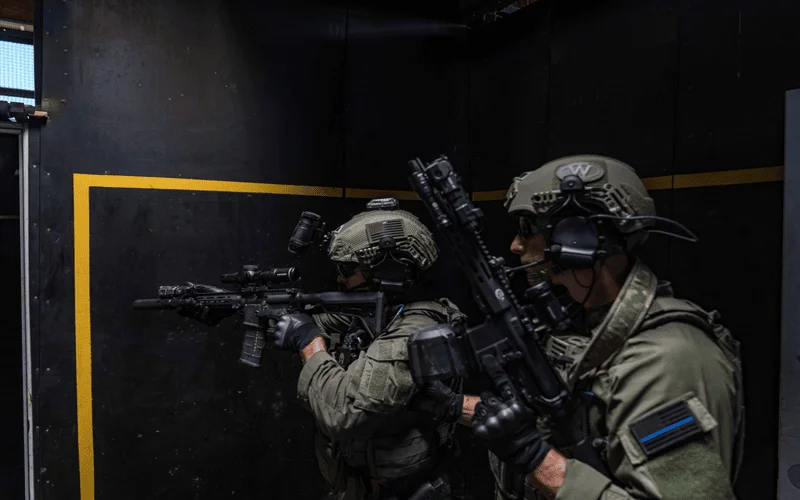
No single vest is the most reliable for everyone, because reliability comes from matching the armor to the risk you face. Look for these signs of a dependable vest:
- A clear NIJ rating that matches the threat, on armor listed as NIJ compliant.
- Suitable materials: aramid or polyethylene for soft armor, and ceramic, steel, or polyethylene for plates.
- Full coverage and a good fit over the chest and torso.
- Durability and condition: check for wear, damage, and expiration, and read about armor plate durability.
- Comfort you can sustain: for daily wear, soft armor is the lighter and more comfortable choice, while plates suit rifle threats and tactical work by police and military teams.
How to Choose Between Soft Body Armor and a Bulletproof Vest
- Start with the threat. Handgun threats call for soft armor with a handgun rating. Rifle threats call for rifle-rated hard plates. The differences between NIJ levels show what each rating covers.
- Check the rating. Look for a clear NIJ level on the product, and confirm the armor is in good condition before you rely on it.
- Get the fit right. Armor that shifts or leaves gaps protects less. Our body armor fit guide explains how to size it.
- Think about how you will wear it. Under clothing all day favors soft armor. Over clothing for high-threat work favors a plate carrier setup.
- Know the rules where you live. Laws on owning body armor vary by location, so review the laws and restrictions for civilians before you buy.
Conclusion
When it comes to personal protection, soft body armor and bulletproof vests with hard plates offer critical benefits but serve different purposes. Soft body armor is lightweight, flexible, and discreet, making it ideal for individuals who require protection from handgun rounds and other low-level threats. Bulletproof vests offer a higher level of security, particularly against rifle rounds, making them essential for military personnel and others in high-risk situations.
Choosing between the two depends on your specific needs, the level of threat you are likely to face, and your comfort requirements. By understanding the differences, you can make an informed decision that best suits your personal safety needs.
Frequently Asked Questions
Can soft body armor stop a rifle round?
No. Soft body armor is rated for handgun rounds, not rifle rounds. Depending on its construction, it may also offer some protection against knives and shrapnel. For rifle protection, you need a vest or carrier fitted with hard plates rated for rifle threats.
Can body armor stop rifle rounds or an AR-15?
Yes, but only rifle-rated armor. Hard plates rated Level III or Level IV (RF1, RF2, or RF3 under the newer NIJ standard) are built for rifle threats. Always check that the plate’s rating covers the specific round you are concerned about. Our guide on Level IV plates and AR-15 protection explains more.
Are bulletproof vests really bulletproof?
They are bullet-resistant rather than bulletproof in an absolute sense. A vest stops the threats it is rated and tested for, and it may not stop others. The right rating for the threat, a proper fit, and good condition all matter.
Is a tactical vest or plate carrier bulletproof?
Not on its own. A plate carrier or tactical vest holds armor, but the protection comes from the plates or soft armor panels inside it. Check what armor is installed and what it is rated to stop.
Can you wear a bulletproof vest under clothing?
Some bulletproof vests are designed to be worn under clothing, but vests that use hard plates are generally bulkier and less concealable than soft body armor. The added protection comes at the cost of comfort and discretion.
How long does soft body armor last?
Service life depends on the materials, the level of care, and how the armor is worn. Many manufacturers recommend replacing soft body armor about every five years, but follow the guidelines and any expiration date for your specific armor. These tips for extending the life of your body armor cover storage and care.
Do bulletproof vests protect against knife attacks?
Bulletproof vests with hard plates are primarily designed to stop bullets, and some vests also offer limited protection against knife attacks. For protection specifically against stabbing threats, a stab-resistant vest or stab-resistant inserts may be required.