








How Does Steel Body Armor Compare to Other Materials?

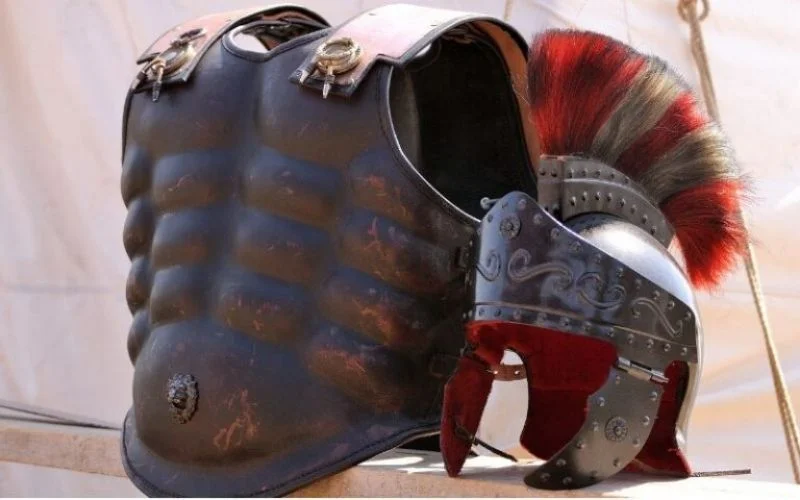
When you think about body armor, steel often stands out for its reliable protection and durability, especially against rifle rounds. However, it is essential to consider its weight and rigidity compared with other materials, such as polyethylene plates and ceramics. Unlike steel, ceramic armor is lighter and more flexible, but it doesn’t withstand multiple hits as well.
Polyethylene, while extremely lightweight and mobile, trades off some durability and stopping power. How do these differences impact your choice for high-threat scenarios? Let’s look at the nuances of each material to determine which one best suits your needs. See a wide selection of high-quality steel and ceramic body armor today at Chase Tactical to find the perfect protection for your mission.

Benefits of Steel Body Armor
When it comes to selecting body armor, steel remains a top choice due to its reputation for strength and reliability. Although newer technologies such as ceramics and polyethylene have been developed, steel continues to offer unique advantages that make it a top choice for many professionals. Getting acquainted with the key benefits of steel body armor will help you determine whether it meets your protection needs and tactical applications.

Multi-Hit Protection
Tactical steel armor is extremely durable, especially in high-threat environments. Unlike ceramic plates that crack or break after a single or double impact, steel body armor can withstand multiple hits from high-velocity rounds, such as 7.62×51 mm M80 or 5.56 mm M855/SS109, without degrading protective performance.
According to the National Institute of Justice, all NIJ-certified plates, regardless of material, must meet the same minimum ballistic threat standard. The difference between steel, ceramic, and polyethylene comes down to how each material behaves over repeated hits and years of use, not the initial certification bar.
It’s therefore ideal for use in situations with a hail of fire or repeated exposure, offering edge-to-edge protection and no weak spots.
Long Shelf Life and Cost Effectiveness
With proper body armor maintenance, steel body armor will remain viable for 15–20 years on the shelf, which is longer than the 5–7-year shelf life of most ceramic plates. That longer lifespan offers steel as a cost-effective choice for buyers who need repeated protection across multiple missions or deployments.
For agencies, teams, or individuals that must buy multiple products, plate carriers, or accessories, steel’s affordability adds up quickly.
Complete Coverage and Protection
Steel plates provide edge-to-edge protection without weak spots, ensuring your vital organs and torso are fully shielded. Unlike some composite or ceramic plates that may have gaps or less uniform coverage, steel body armor provides consistent protection, reducing vulnerabilities in intense combat or tactical situations.
Resistance to Environmental Damage
Another important advantage of steel bulletproof armor is its high resistance to harsh environmental conditions. Steel plates are immune to high and low temperatures, water, and abusive handling without losing their integrity, unlike some polyethylene plates that may deform or ceramic plates that may crack under stress. This makes steel armor extremely reliable under diverse climates and areas of operation.
Disadvantages of Steel Body Armor
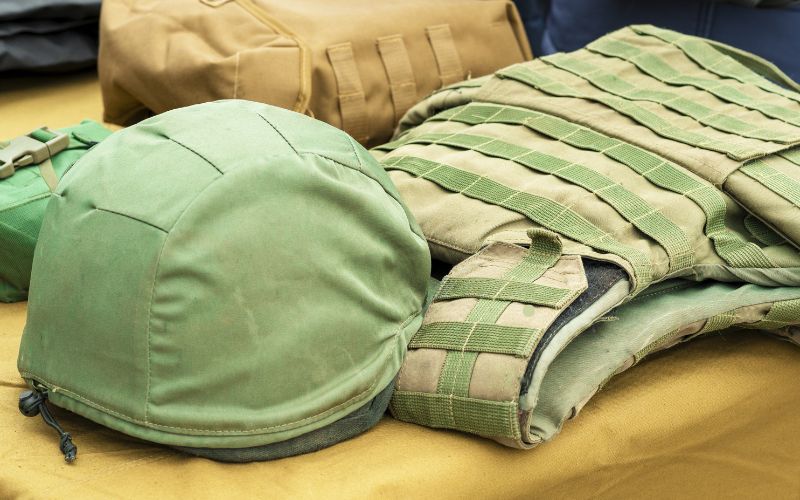
- The heaviness affects mobility and endurance since it becomes increasingly hard for users to stay nimble, especially when plate carriers, backpacks, or combat gear are worn.
- Secondly, steel lacks the pliability of flexible armor in newer synthetics, making it uncomfortable during longer missions or dynamic movement.
What Type of Steel Is Used in Body Armor?
Body armor plates are not cut from conventional steel armour like the rolled homogeneous armor (RHA) used on military vehicles. Manufacturers use abrasion-resistant ballistic steel, most commonly AR500, AR550, and AR600. The number reflects the Brinell hardness rating, so AR550 is harder than AR500, and that added hardness lets manufacturing teams produce a thinner plate with lower thickness and density that still meets the same ballistic standards.
Hardness is also why spall matters with steel. When rifle rounds hit the strike face, the plate shatters the projectile, and the resulting fragmentation can travel toward your neck, chin, and arms. Quality steel plates control this with a full build-up spall coating, typically a thick polyurea layer that traps bullet fragments on impact. When comparing plates, confirm the coatings cover the entire strike face rather than a thin base layer, because fragmentation protection is what separates a safe steel plate from a liability.
Body Armor Protection Levels Explained
NIJ standards define the different levels of body armor. Levels IIA, II, and IIIA cover soft armor rated for handgun threats. Level III hard plates must stop six rounds of 7.62×51 mm M80 ball, while Level IV plates must defeat a .30-06 M2 armor-piercing round. Level III+ is not an official NIJ rating. It is a manufacturer designation showing the plate also stops threats such as 5.56 mm M855 and M193, which can challenge some basic Level III armor at close range.
That is the answer to a common question: can M855 penetrate Level III? Against certain standard Level III plates fired from a longer barrel at close distance, it can. If M855 is a realistic threat in your environment, choose Level III+ steel or step up to Level IV ceramic ceramic body armor plates for armor-piercing protection.
Steel vs Ceramic Armor
Choosing between steel and ceramic plates depends on your needs. Steel is known for its durability, multi-hit resistance, and affordability. Ceramic plates, meanwhile, offer lighter weight and superior protection against armor-piercing rounds.
Let’s take a closer look at each major difference:
| Material | Typical Weight (per plate) | Shelf Life | Multi-Hit Capability | Best For |
|---|---|---|---|---|
| Steel | 7–8 lbs | 15–20 years | Excellent, absorbs repeated hits | Long-term loadouts, cost-conscious buyers, harsh environments |
| Ceramic | 4.5–5.5 lbs | 5–7 years | Limited, can crack after 1–2 hits | High-threat missions requiring Level IV / AP protection |
| Polyethylene (UHMWPE) | 2–4 lbs | Shorter in hot climates, can warp under heat | Good for Level III, spall-free | Mobility-focused roles, maritime/waterborne use |
Weight and Mobility
Steel plates are significantly heavier than ceramic, typically weighing 7–8 lbs per plate. Ceramic plates weigh around 4.5–5.5 lbs, reducing fatigue and improving mobility. This makes ceramic armor a better fit for roles requiring speed, flexibility, and sustained movement, such as patrol, CQB, or tactical operations.
If you’re wearing plate carriers, different pouches, or bags, that weight difference becomes even more noticeable.
Threat Protection
While steel armor is rated at NIJ Level III, ceramic plates consistently rate at Level IV, meaning they defeat armor-piercing rounds like .30-06 M2 AP. This makes ceramic the better choice for high-threat missions involving AP.
But steel handles multiple impacts better. Ceramic is designed to shatter on impact to spread the energy, which limits its reusability. Ceramic plates can become ineffective after one or two impacts and have to be replaced.
Durability and Longevity
Steel is extremely durable. It doesn’t crack, splinter, or degrade under hard usage, offering up to 20 years of service life. Ceramic plates are more fragile than other materials. They need careful handling and regular checks to prevent small cracks that can compromise their protective function.
If you’re building a long-term loadout or gearing a team, steel body armor offers more years of reliable service.
Kevlar vs Steel vs Ceramic
Kevlar is an aramid fiber used in soft armor, so a Kevlar vs steel or Kevlar vs ceramic comparison is really a soft armor vs hard plate decision. Kevlar vests and soft panels are flexible, lightweight, and concealable, and they are rated for handgun threats up to Level IIIA. Kevlar plates and soft panels on their own are not rated to stop rifle rounds.
Steel and ceramic hard plates exist precisely for rifle threats. Many modern setups combine the two technologies, pairing a hard plate with a soft aramid backer to absorb blunt impact. If your threat profile is concealment and handgun rounds, Kevlar makes sense. If rifle rounds are on the table, choose steel or ceramic plates and treat soft armor as a supplement, not a substitute.
Steel vs Polyethylene Plates
Newer UHMWPE body armor is gaining popularity for its lightweight, flexible nature. How does it compare to steel body armor?
Weight Advantage
Polyethylene plates are extremely light, usually 2 to 4 lbs per plate, depending on the size. This gives wearers better agility, reduced fatigue, and better comfort in hot climates. They’re also floatable, so they’re an excellent option for maritime or waterborne operations.
On the other hand, steel plates are nearly twice as heavy and can be cumbersome during long missions or dynamic movement.
Performance and Durability
PE armor is spall-free and provides good Level III protection, but may be challenged by high-velocity or armor-piercing rounds, unless supported by ceramic or hybrid layers. PE plates will warp or degrade at high temperatures, limiting their use in certain climates or in vehicular storage.
Steel, on the other hand, withstands intense heat, harsh handling, and repeated impacts without collapsing, making it a reliable choice for long-term protection.
Composite Armor vs Steel
Composite armor bonds two or more materials into one plate, most often a ceramic strike face over a polyethylene or aramid backer, and sometimes titanium or hybrid layers. The design goal is simple: deliver Level IV protection at a lower weight than solid steel. That is also why modern body armor plates are lighter than older ones, since materials technology and manufacturing innovation keep shaving ounces off each generation without lowering the protection standards.
The trade-off is cost and lifespan. Composite plates cost more than steel and inherit the shorter shelf life of their ceramic layer. Steel remains the value pick for multi-hit durability and rough handling, while composite armor wins when every pound matters. For a deeper breakdown of how these materials perform side by side, see our guide on steel vs ceramic body armor.
Conclusion
Steel body armor is heavier and less flexible than other materials. However, its durability and ability to withstand multiple rifle hits make it a top choice for high-threat situations. Steel outlasts ceramic in durability and offers more reliable protection than polyethylene. Although it might weigh you down, its cost-effectiveness and reliable performance can’t be beaten. Steel body armor is superior when you need dependable, long-lasting defense.
Frequently Asked Questions
Is Steel Body Armor Any Good?
Yes, steel body armor is good due to its durability, bullet resistance, and cost-effectiveness. However, consider weight, heat retention, and maintenance requirements. It offers long-term usage but has lower comfort levels and potential corrosion issues.
What Are the Disadvantages of Steel Armor?
Steel armor has weight issues and comfort problems. It also has flexibility limitations, limited mobility, and heat retention. Spalling concerns, bullet ricochet, impact trauma, susceptibility to rust, and corrosion risk are other significant disadvantages to consider.
What Is Better Than Steel Armor?
Ceramic plates, Kevlar vests, and ultra-high-molecular-weight polyethylene plates may be better than steel armor due to their light weight and flexibility. Composite armor, Titanium armor, Boron carbide, Aluminum alloy, and Graphene sheets offer advanced protection.
What Is the Best Material for Body Armor Plates?
When selecting the most suitable materials for body armor plates, consider ceramic composites, titanium alloys, and polyethylene. Evaluate material costs, weight considerations, durability factors, ballistic protection, and market trends to find the ideal Kevlar alternative.