








What Is the Difference Between Lightweight and Standard Armor Plates?


When comparing lightweight and standard armor plates, you’ll notice the significant impact weight has on mobility and comfort. Lightweight plates often use materials like UHMWPE, reducing fatigue and enhancing agility, whereas standard options usually prioritize durability with heavier materials such as steel or ceramics. This choice affects not only performance in dynamic environments but also protection levels in high-threat situations. Curious about how these differences play out in various scenarios?
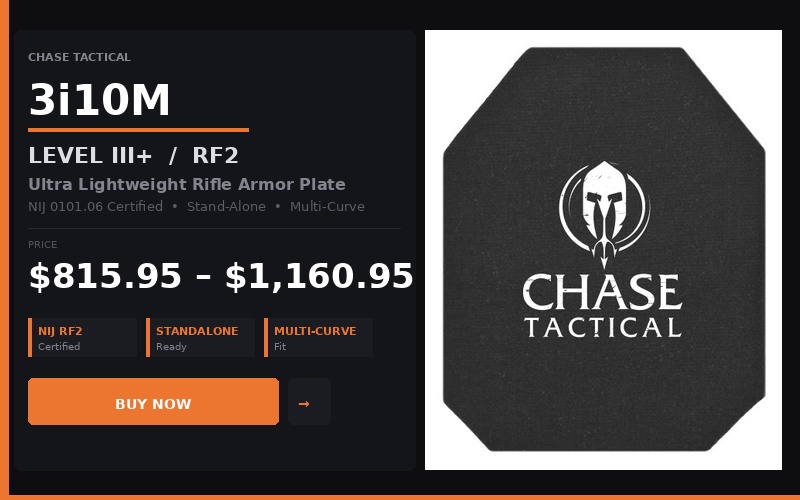
Looking for high-performance lightweight protection? Discover the Chase Tactical 3i10M Lightweight Rifle Plate – engineered for superior mobility without compromising ballistic protection.
Weight Variations in Armor Plates
When choosing body armor, understanding the weight variations in armor plates is essential. You’ll find that weight significantly impacts comfort and mobility. Level III steel plates usually weigh between 8 and 10 pounds each, while Level III+ plates can range from 8.7 to 10.7 pounds depending on size and coating.
If you’re seeking lighter options, Level IV ceramic plates are 5 to 7 pounds, while UHMWPE plates weigh just 1 to 3 pounds. For Level III protection, polyethylene plates generally weigh 2 to 4 pounds. Lightweight configurations can reduce weight to 5.8 pounds for 10×12″ plates, offering nearly the same ballistic capabilities as heavier plates while significantly improving mobility.
Types of Materials Used
Understanding the materials used is essential for choosing the right protection for your plate carrier.
Ceramic Options
Ceramic plates are made of materials such as alumina, silicon carbide, and boron carbide. Alumina is affordable and widely available, while silicon carbide excels against armor-piercing rounds. Boron carbide, favored by elite users, offers extreme hardness and low density. Ceramics are typically backed by tough composite materials made from aramid, glass, or UHMWPE fibers, which help absorb kinetic energy after the projectile fractures.
Polyethylene-Based Systems
Ultra-high molecular weight polyethylene (UHMWPE) offers lightweight, multi-hit protection against both handgun and rifle threats. UHMWPE is particularly strong, making it ideal for modern applications where mobility matters.
Steel and Composite Options
Steel plates offer affordability and durability. Military-grade steel alloys provide high toughness but require anti-spall coatings to prevent fragmentation. Composite and hybrid armor solutions combine ceramics with materials like polyethylene to optimize both protection and weight.
Levels of Protection Offered

When choosing armor plates, you’ll need to consider how they handle resistance to rifle rounds, armor-piercing protection, and multi-hit capability. According to NIJ standards, armor is rated across five ballistic levels: IIA, II, IIIA, III, and IV.
Rifle Round Resistance
Hard armor plates are constructed from materials such as ceramic, steel, polyethylene, or composites, which break up projectiles on impact. Level III plates stop common 7.62mm rounds, while Level III+ plates bridge the gap by stopping additional threats like the 5.56mm M855. Level IV plates provide the highest defense, defeating single-hit .30-06 M2 AP rounds and other high-caliber threats. Level 3 plates are lighter than Level 4 plates, making them more comfortable to wear for extended periods.
Armor-Piercing Defense
For armor-piercing rounds, focus on Level IV protection. This level can stop .30-caliber armor-piercing rounds, including .30-06 M2 AP bullets, by dissipating impact energy with ceramic or composite materials, minimizing blunt-force trauma. Level IV is tested against .30-06 M2 armor-piercing ammunition at 880 m/s velocity at NIJ-approved laboratories.
In military applications, Enhanced Small Arms Protective Insert (E-SAPI) plates featuring advanced ceramics provide top-tier protection.
Multi-Hit Capability
Lightweight ceramic plates can endure multiple rounds despite their lighter build, thanks to advanced material integrity. Polyethylene materials are known for absorbing repeated impacts, while steel plates provide unmatched multi-hit reliability by distributing impact energy effectively. The choice between lightweight and standard plates hinges on balancing mobility with protection needs.
Impact on Mobility
The weight of your armor plates plays a crucial role in mobility. Lightweight plates, such as polyethylene, weigh around 8-12 lbs per set—significantly less than standard ceramic or steel plates, which can exceed 30-40 lbs with all gear. This weight reduction directly affects your movement speed and agility.
You’ll find it easier to run, climb, and engage quickly in dynamic scenarios with lightweight plates. They preserve your full range of motion, unlike the rigidity of standard plates that can slow you down. Additionally, lighter plates reduce fatigue, allowing you to perform better over extended periods. For high-mobility missions or tactical operations, opting for lightweight armor enhances your operational efficiency.
Comfort and Ergonomics
Climate adaptability plays an essential role in selecting the right armor plates for comfort. In hot or humid environments, lightweight plates offer significant advantages. They excel in heat dissipation and sweat management, ensuring you stay comfortable during extended wear. These plates also enhance ventilation, making them ideal for dynamic conditions. In contrast, heavy plates trap heat and moisture, increasing discomfort and limiting tolerance for prolonged wear.
Ergonomic Fit
Lightweight plates, such as UHMWPE, enhance mobility, allowing you to move swiftly without restriction. Standard steel plates are heavier and bulkier, potentially hindering your agility and range of motion. Properly sized lightweight plates in 10×12 formats ensure essential coverage without compromising movement.
Multi-Curve Designs
Multi-curve plates are crafted to match the contours of the human torso, providing an ergonomic fit. This design reduces gaps, enhancing stability and comfort during prolonged use. Features include the elimination of pressure points, a greater range of motion, and curved surfaces that better deflect impact energy for superior protection.
Durability and Wearability
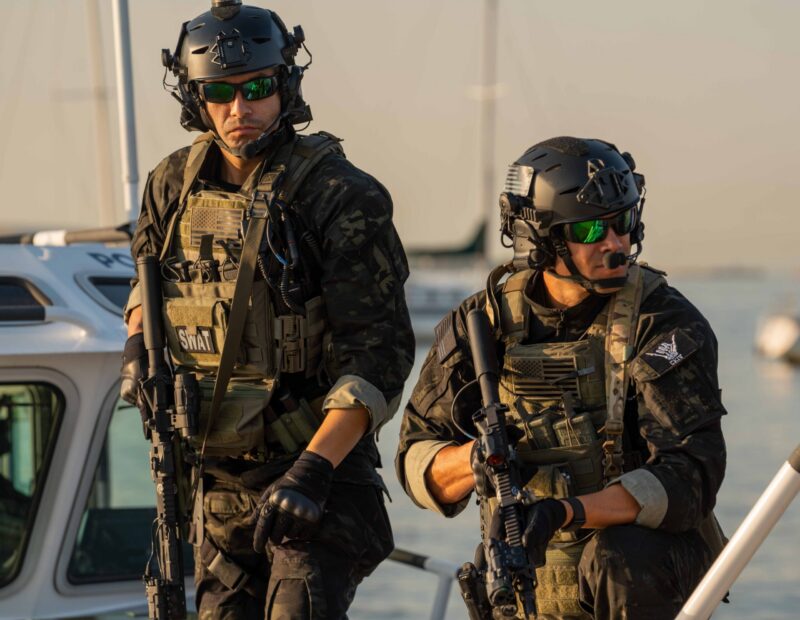
When evaluating armor plates, it’s crucial to balance protection with long-term durability. Soft armor is lighter than hard plates, reducing fatigue during long shifts, but it needs to be replaced every 5-7 years due to material degradation. Hard plates, such as steel and ceramic, last 5-10 years but require careful handling and inspection after impacts.
UHMWPE plates offer superior environmental resistance, outperforming Kevlar in harsh, moisture-rich environments. Choosing the right armor impacts both your mobility and operational effectiveness.
Use Case Scenarios
Different scenarios dictate your armor choice:
Patrol and Law Enforcement
Lightweight plates (3–6 lbs) are vital for extended shifts, enhancing mobility and providing comfort in hot climates. Concealed operations benefit from lighter plates that remain unobtrusive under clothing with a low-profile carrier.
Active Combat and High-Threat Situations
Standard plates (6–9+ lbs) offer maximum ballistic protection against high-velocity threats and armor-piercing ammunition, making them indispensable for short-duration, high-risk missions.
Extended Operations
For reconnaissance missions and extended operations, lightweight plates reduce fatigue and enable sustained movement across challenging terrain.
Static Defense
Perimeter security roles leverage the durability and cost-effectiveness of standard steel plates, providing robust protection without compromising mobility.
Cost Considerations
Several factors influence the cost of lightweight and standard armor plates:
- Steel plates: Cost-efficient at $150-$300 per plate, but heavy at 8-10 pounds each
- Ceramic plates: Priced at $300-$1,000, offering excellent protection with moderate weight
- Polyethylene (UHMWPE) plates: Starting at $249.99 per plate, lightweight but the most expensive
- Multi-curve designs: Add $50-$150+ per plate due to manufacturing complexity
If your assignments demand longer wear without sacrificing mobility, investing in lighter materials like polyethylene or ceramic is worthwhile. However, for situations where budget constraints are paramount, steel remains a viable option despite its weight.
Decision-Making Factors
Consider these factors when choosing between lightweight and standard armor plates:
Weight and Mobility: Lightweight plates (3–6 lbs) boost agility and reduce fatigue, while standard plates (6–9+ lbs) may hinder movement.
Protection Level: Lightweight plates offer mobility with decent protection against non-AP threats, while standard options can stop AP rounds.
Comfort: Lighter plates mean less strain during long wear, ideal for patrols or hot climates.
Cost: Lightweight UHMWPE is pricier but enhances performance; steel is more budget-friendly but heavier.
Durability: Steel lasts long with proper rust management; ceramics are lighter but more sensitive to damage.
Evaluate these factors against your specific operational needs to make the best choice for your tactical armor setup.
Conclusion
When choosing between lightweight and standard armor plates, you’ll weigh comfort and agility against durability and protection. Lightweight plates, made from materials such as UHMWPE, enhance mobility in dynamic scenarios, while standard plates provide robust protection in high-threat environments. Consider the operation’s demands, your comfort, and your budget to make the best choice. Ultimately, it’s about balancing the need for mobility with the level of protection your situation requires.
Frequently Asked Questions
How do lightweight plates perform in water environments?
Lightweight plates such as UHMWPE perform exceptionally well in water. They float, resist corrosion, and weigh less, reducing fatigue. Unlike steel or ceramic plates, they’re better suited to aquatic missions, providing easier maneuverability and greater comfort.
Are there color options for armor plates?
Yes, you have a variety of color options for armor plates. Standard colors include black, coyote tan, and olive drab. You can choose custom colors with Cordura covers or polymer coatings, offering personalized and tactical visual appeal.
Can plates be repaired if damaged?
No, you can’t repair damaged plates. Once they’re compromised, their effectiveness drops, and they must be replaced. Ceramic, steel, and UHMWPE plates all need replacing after damage, as there’s no reliable field repair method available.
How should armor plates be stored when not in use?
Store armor plates in a climate-controlled environment to prevent damage. Keep ceramic plates away from impacts, protect polyethylene plates from heat and UV exposure, and apply rust control for steel plates. Proper storage extends their service life.
What’s the best armor plate material for extended operations?
UHMWPE (polyethylene) plates are ideal for extended operations due to their lightweight construction (1-3 lbs per plate), superior comfort during long wear, and resistance to environmental factors like moisture and temperature extremes.
Can I use lightweight armor plates with any plate carrier?
Yes, lightweight armor plates work with most modern plate carriers, but ensure your carrier is sized correctly for your plate dimensions (typically 10×12″). Check that your carrier can accommodate the plate thickness and has proper retention systems.