








How to Pair Level 3 Steel Plates with Soft Body Armor Effectively


Body armor is crucial for personal safety, whether for law enforcement, military personnel, or civilians preparing for unpredictable situations. It’s important to understand how different types of protective gear work together to achieve the best balance of protection, comfort, and mobility. For those seeking reliable coverage with minimal physical strain, pairing level 3 soft armor plates with a soft armor vest is one of the most effective ways to close the gap between handgun and rifle threats.
Level 3 steel plates offer exceptional multi-hit durability and resistance against rifle-caliber threats, while soft armor addresses the gaps and provides coverage against handgun rounds. Together, they create a layered defense system that covers a broader range of threats than either component can on its own. This guide covers how to select, pair, and wear level 3 soft armor plates correctly, including the closely related Level IIIA (3A) soft body armor rating that many shoppers search for by itself.
Secure yourself with CT Level IIIA Soft Armor SA3100 now and stay protected.
What Is Level 3 Body Armor?
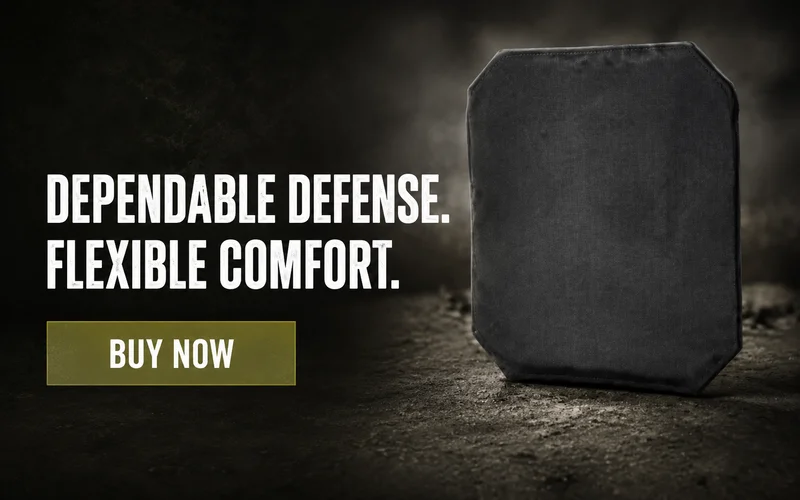
Level 3 body armor comprises rigid steel, ceramic, or polyethylene plates. These plates are designed to stop high-velocity rounds, including the 7.62x51mm NATO, commonly used in rifles. While Level IV plates are intended to stop armor-piercing rounds, many prefer Level 3 plates for their balance of protection and weight. They effectively stop rifle rounds without the significant weight burden of more advanced armor. For a closer comparison with the level directly below it, see Level IIIA vs. Level III body armor.
Among Level 3 plate materials, hardened steel offers the highest durability and multi-hit capability. Steel plates typically measure 6 to 8 millimeters thick and can withstand repeated impacts without structural failure. One important consideration with steel plates is spalling, the fragmentation of metal upon bullet impact, which can cause secondary injury.
Quality steel plates address this by using a composite anti-spall coating bonded to the strike face, which captures fragments and significantly reduces the risk of spalling. Always verify that any steel plate you purchase includes an anti-spall coating before buying.
Upgrade your armor setup with the Chase Tactical Genesis Deltoid Level IIIA Soft Body Armor:
What Is Soft Body Armor?
Soft body armor is constructed from flexible materials such as para-aramid fiber or UHMWPE (Ultra-High-Molecular-Weight Polyethylene) and is typically rated at Level 2 or 3A. It is designed to stop handgun rounds like 9mm, .40 S&W, and .44 Magnum. Although it doesn’t protect against rifle rounds, it plays a vital role in absorbing the impact of lower-caliber threats, reducing blunt-force trauma, and providing lightweight protection.
Level IIIA (3A) Soft Body Armor: What It Is and How It Differs From Level 3
Level IIIA, often written as Level 3A or Level 3-A in search, is its own NIJ protection level, not a weaker version of Level 3. It’s a full standalone rating for soft body armor, and a large share of shoppers looking for “level 3 soft body armor” are actually asking about this rating specifically, whether or not they pair it with a hard plate.
What Level 3A Soft Armor Stops on Its Own
Worn by itself, Level IIIA (3A) soft armor is rated to stop handgun rounds up to .44 Magnum and .357 SIG, along with 9mm and .40 S&W. It does not require a hard plate to provide this protection, which is why it’s a popular choice for concealable, everyday-wearable vests for personnel who primarily face handgun and edged-weapon threats rather than rifle fire. It will not stop rifle rounds under any circumstances; that requires adding a Level 3 or Level 4 hard plate on top of it, as covered in the ICW section above.
Level 3A+ and Extended Handgun Coverage
Some manufacturers market an enhanced “3A+” soft armor rating, tested against higher-velocity handgun rounds beyond the standard NIJ IIIA threshold. There’s no separate NIJ standard called “3A+”; it’s a manufacturer-specific designation layered on top of an NIJ IIIA certification. If you’re evaluating a 3A+ product, check the specific independent test certification behind it rather than the marketing label alone, the same way you’d verify anti-spall coating on a steel plate.
Common Mix-Up: “Level 3A Steel Plates”
A common point of confusion is the search for “level 3a steel plates.” Steel is a hard-armor material used in Level III and Level IV rifle plates, not in Level IIIA soft armor, which is always a flexible fiber or UHMWPE panel rather than a rigid plate. If you’re looking for rifle-rated steel protection, that’s the Level 3 hard plate covered above; if you’re looking for handgun-rated flexible protection, that’s Level IIIA (3A) soft armor, and the two are meant to be worn together, not confused with each other.
Stand-Alone vs In-Conjunction-With (ICW) Plates: What You Need to Know
When pairing Level 3 plates with soft armor, one of the most important distinctions to understand is whether a hard plate is rated as Stand-Alone or In-Conjunction-With (ICW). This directly affects how you build your armor system and what protection you can actually rely on. For a deeper look at how these plates work inside a full loadout, see the role of ICW armor plates in tactical gear.
Stand-alone plates meet their rated protection level independently, without requiring a soft armor backer. They are tested and certified to stop rifle threats on their own, making them suitable for use in a plate carrier without a soft armor insert behind them.
ICW plates are specifically designed to be worn in conjunction with a Level IIIA soft armor backer to achieve their rated protection level. An ICW plate on its own does not provide full Level 3 protection. When paired with a certified Level IIIA soft armor panel, however, an ICW plate delivers its full rated ballistic resistance at a significantly lower weight than a comparable stand-alone plate. This makes ICW configurations popular for law enforcement and military operators who need to minimize carry weight without sacrificing protection.
Chase Tactical’s RSTP Level III+/RF2 ICW Armor Plate is purpose-built for this pairing. It is designed to defeat Level III/RF2 rifle threats when worn with Level IIIA soft armor, delivering ultra-lightweight protection for law enforcement and special operations use. For operators who need a stand-alone solution, the 3i10M Level III+ Ultra Lightweight Rifle Plate provides full protection independently while remaining less than half an inch thick.
What Are the Features of Using Level 3 Soft Body Armor with Ceramic or Steel Plates?
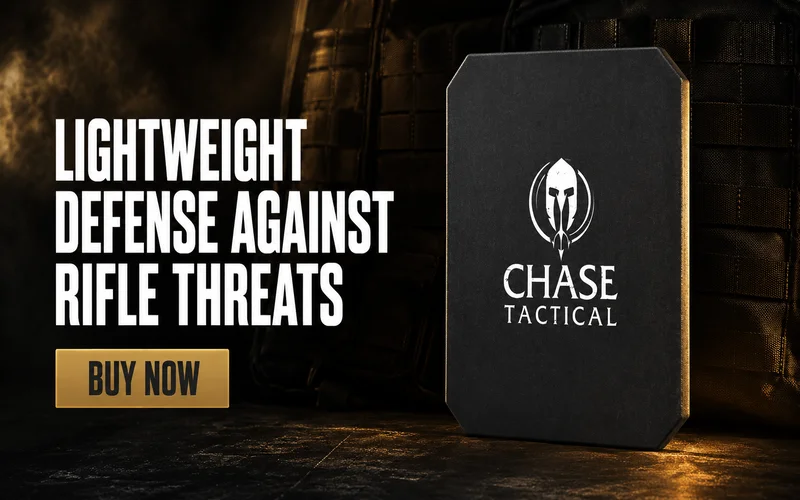
When pairing Level 3 soft armor with the best ceramic multi-curve plates or steel armor plates, you achieve a dynamic defense system capable of handling various threats. Soft body armor provides comfort and flexibility against handgun rounds, while the hard plates offer superior protection against high-velocity rifle threats. For help choosing a material, see the ceramic vs. steel plates comparison.
This combination ensures that you can defend against both low and high-velocity projectiles without compromising mobility. For those seeking a comprehensive loadout, Level 3 soft plates combined with rigid plates create an ideal setup for tactical or self-defense scenarios.
Selecting The Right Soft Armor To Accompany Level 3 Plates
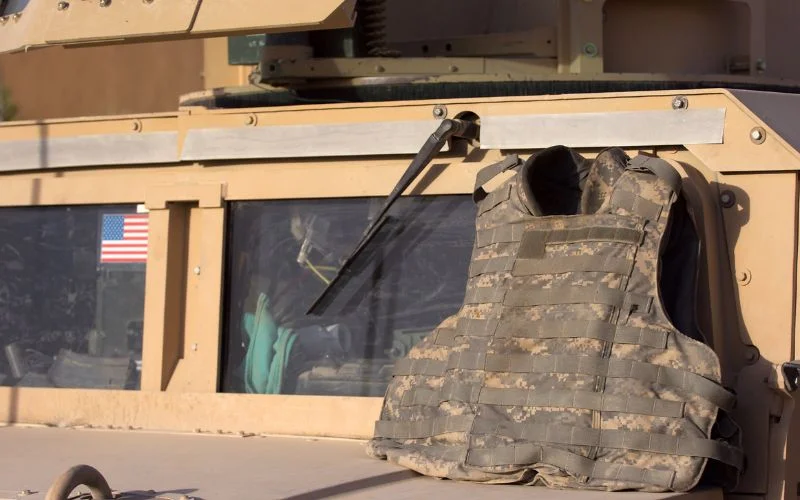
When using Level 3 plates with soft armor, choosing the right armor to provide the best protection and comfort is vital. The key factors are the armor’s material, flexibility, and fit in a plate carrier.
NIJ Ratings and Their Importance
The National Institute of Justice (NIJ) offers standards for body armor, and it is important to know these ratings to choose the appropriate soft armor to pair with Level 3 plates. For optimal pairing, select NIJ-certified Level IIIA soft armor. This type of armor can defeat most typical handgun threats while being flexible and light, offering sufficient protection without compromising mobility. For a full breakdown of how each rating compares, see the differences between NIJ levels of protection.
Material Options for Soft Armor
Soft armor typically consists of the following materials:
1. Para-Aramid Fiber: A high-strength synthetic fiber that forms the basis of most ballistic soft armor panels. Para-aramid fiber is durable, flexible, and excellent at absorbing and distributing bullet energy across the panel surface, reducing both penetration risk and blunt-force trauma to the wearer.
2. UHMWPE: Ultra-high-molecular-weight polyethylene is a light yet tough material used mainly in soft armor. It is preferred for its comfort over long periods of wear and for lightening the overall weight of the armor.
3. Hybrid Designs: Certain soft armor uses a combination of Kevlar and UHMWPE. This composite construction provides a balance between the flexibility of Kevlar and the lightness and toughness of UHMWPE.
Best Plate Carriers For A Level 3 And Soft Armor Setup

Not all plate carriers support both hard and soft armor. An ideal plate carrier must balance weight, comfort, and protection. A multi-curve design helps to fit the individual better, and MOLLE compatibility helps to customize pouches and gear. Also important is a ventilation system to avoid overheating when worn for long periods.
A multi-curve plate pocket design helps the carrier conform to the body and ensures both the hard plate and soft backer seat are correctly. For help picking between plate geometries, see single-curve vs. multi-curve armor plates. MOLLE compatibility allows you to configure pouches and accessories around your specific mission requirements.
If this layered setup is your intent, look for carriers that explicitly state compatibility with both hard armor plates and soft armor backers before purchasing, since not every soft plate insert fits every carrier’s soft-armor pocket the same way.
How To Properly Wear And Adjust Your Armor
Even the most effective armor configuration delivers limited protection if worn incorrectly. Proper positioning and adjustment are essential for both protection and comfort during extended wear. For a full walkthrough, see the body armor fit guide.
The front plate should ride high on the chest, positioned over vital organs with the top edge near the sternal notch. The back plate should be aligned with the front plate to provide balanced protection. Side panels, when used, should wrap around the torso to fill the lateral gap between front and rear plates.
When adjusting for comfort, tighten shoulder and side straps enough to keep the carrier firmly in position without restricting full range of motion. Add trauma pads behind the soft armor backer to minimize blunt-force impact transfer. After adjusting, run a mobility test: draw a weapon, crouch, and move laterally to confirm the system stays positioned correctly and does not shift or ride up.
Balancing Weight with Protection and Mobility
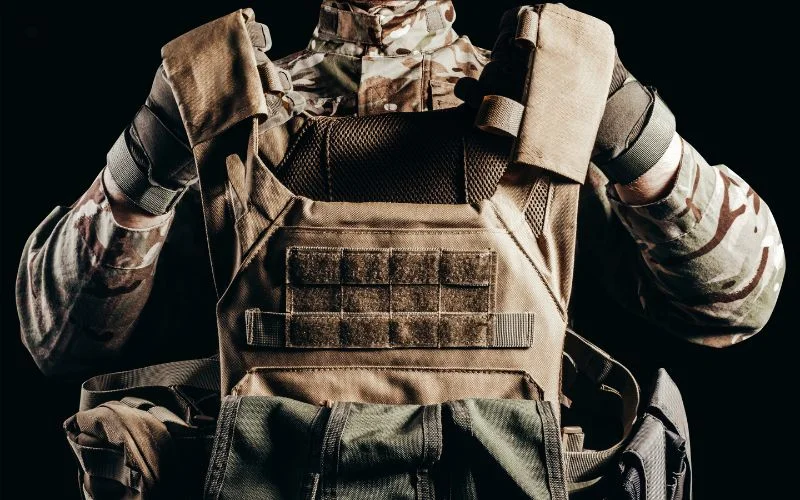
Wearing both soft and hard armor adds weight to any loadout, and managing that weight is critical for endurance during long operations. Choosing lighter plate materials such as UHMWPE or ceramic composite instead of steel can reduce plate weight significantly while maintaining Level 3 protection.
Proper weight distribution across the shoulders and torso, combined with a well-fitted plate carrier, reduces fatigue and prevents the system from shifting during movement.
For high-mobility missions or extended patrol use where agility is the priority, consider an ICW plate paired with a Level IIIA soft armor backer. This combination delivers full Level 3 protection at a substantially lower total weight than a stand-alone steel plate setup, without compromising the layered coverage that makes pairing plates with soft armor worthwhile in the first place.
Maintaining Your Level 3 Plates and Soft Body Armor for Longevity
Regular maintenance keeps your armor performing as tested and extends the service life of both components. Hard plates and soft armor panels have different care requirements and should be maintained separately. For a broader set of habits across your whole kit, see tips for extending the life of your body armor.
For hard plates, wipe the strike face with a damp cloth after use and inspect for cracks, delamination, or damage to the anti-spall coating after every significant impact. Steel plates are highly durable and can last more than a decade with proper care, but any plate that has taken a direct ballistic hit must be retired and replaced regardless of visible damage, as internal structural integrity cannot be verified by eye. Ceramic plates require gentler handling, as they are more prone to cracking from drops or rough handling than steel.
For soft armor panels, store them flat in a dry environment away from direct sunlight and heat. Never fold soft armor panels, as creasing can damage the ballistic fibers and create unprotected gaps. Clean the carrier separately with mild detergent and allow it to fully air dry before reassembling with the panels.
Inspect the panels every six months for tears, frayed seams, or any discoloration that may indicate moisture damage or UV degradation. Follow the manufacturer’s replacement schedule regardless of visible condition, as ballistic fiber strength degrades with age. Both your soft armor insert and hard plates should be checked on this same rotating schedule so neither one gets overlooked.
Final Thoughts: Finding Your Perfect Setup
The selection of the proper mix of Level 3 plates and soft armor will vary based on your requirements. A balanced arrangement provides protection, comfort, and mobility when gearing up for tactical missions, law enforcement tasks, or self-defense: proper wear and regular maintenance guarantee long-term reliability and effectiveness.
Ultimately, knowing how to tailor your body armor system, including whether Level 3, Level IIIA, or both together fit your threat profile, ensures maximum safety and performance. Ready to build your setup? Browse Chase Tactical’s soft body armor lineup to find the Level IIIA panel that pairs with the Level 3 plate you’ve chosen.
Frequently Asked Questions
Can soft armor prevent rifle rounds?
No. Soft armor is rated for handgun rounds and fragmentation only. It must be combined with Level 3 or Level 4 hard plates to provide protection against rifle threats.
What does Level 3 body armor stop?
Level 3 plates are rated to stop rifle rounds up to 7.62x51mm NATO FMJ, the round most commonly used to test this protection level. They are not rated for armor-piercing rounds, which require Level IV protection instead.
What is Level 3A (IIIA) soft body armor, and is it the same as Level 3?
No, Level 3A (IIIA) is a separate, standalone NIJ rating for soft armor, not a variant of Level 3. It’s tested against handgun rounds up to .44 Magnum and can be worn on its own for concealable or everyday protection, while Level 3 is a hard-plate rating tested against rifle rounds. The two are commonly paired together, with Level 3A serving as the soft backer for a Level 3 ICW plate.
How long does body armor last?
Soft armor panels typically carry a five-year manufacturer warranty on ballistic materials. Hard plates, including steel, can last considerably longer with proper care and regular inspection. Any plate that has taken a direct ballistic impact must be replaced immediately.
Is steel or ceramic better for Level 3 plates?
Both have distinct advantages. Steel plates offer exceptional multi-hit durability and a long service life at a lower cost, but they are heavier and require an anti-spall coating to manage fragmentation risk. Ceramic and composite plates are significantly lighter and do not produce spalling but are more fragile and may require replacement after a single significant impact. The right choice depends on your operational priorities, budget, and how long you need the plates to remain in service.
What is the difference between a stand-alone plate and an ICW plate?
A stand-alone plate meets its rated protection level independently and does not require a soft armor backer. An ICW (In-Conjunction-With) plate is designed to be used with a Level IIIA soft armor backer to achieve its rated Level 3 protection. ICW plates are typically lighter and thinner than stand-alone plates, making them popular for operators who want to minimize weight while maintaining full rifle protection through the layered system.
What is the difference between Level III and Level IIIA armor plates?
Level III armor plates are hard armor designed to stop high-velocity rifle rounds including 7.62mm NATO FMJ. Level IIIA soft armor is rated for handgun threats up to .44 Magnum. Level III provides higher ballistic protection but is bulkier and heavier. Level IIIA offers more flexibility and comfort for everyday use. The two are often paired together to create a system that covers both threat categories.
Can Level 3 plates protect against armor-piercing rounds?
No. Standard Level 3 plates are designed to protect against regular rifle rounds but are not rated for armor-piercing projectiles. Level IV armor plates are required to stop AP rounds. For those operating in environments where armor-piercing threats are a realistic concern, see the full guide on Level 3 plates against modern threats for more detail on threat-specific limitations.
Can I wear soft body armor alone, without hard plates?
Yes. A Level IIIA (3A) soft armor vest can be worn on its own for handgun-threat protection and is often chosen for concealed, everyday wear because of its flexibility and low profile. It will not stop rifle rounds on its own; for rifle-level protection you need to add a Level 3 or Level 4 hard plate on top of it.