








Soft Armor vs Hard Armor: How to Choose the Right Protection

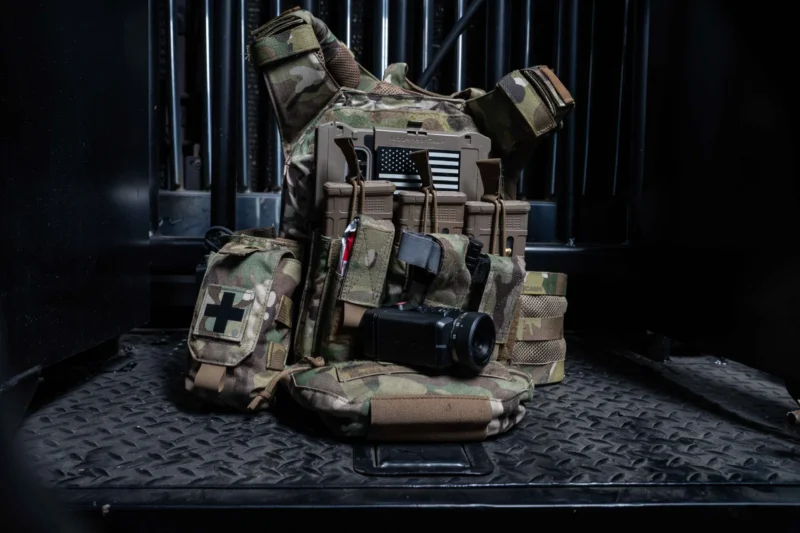
Body armor is not a single category of equipment. It is a spectrum of protection levels, materials, and trade-offs, and choosing the wrong point on that spectrum for your threat environment is as dangerous as wearing no armor at all. The decision between soft armor and hard armor comes down to one question: what threat are you actually protecting against?
This guide breaks down how soft armor and hard armor differ, what each protects against, and how to match your armor selection to your real-world threat environment.
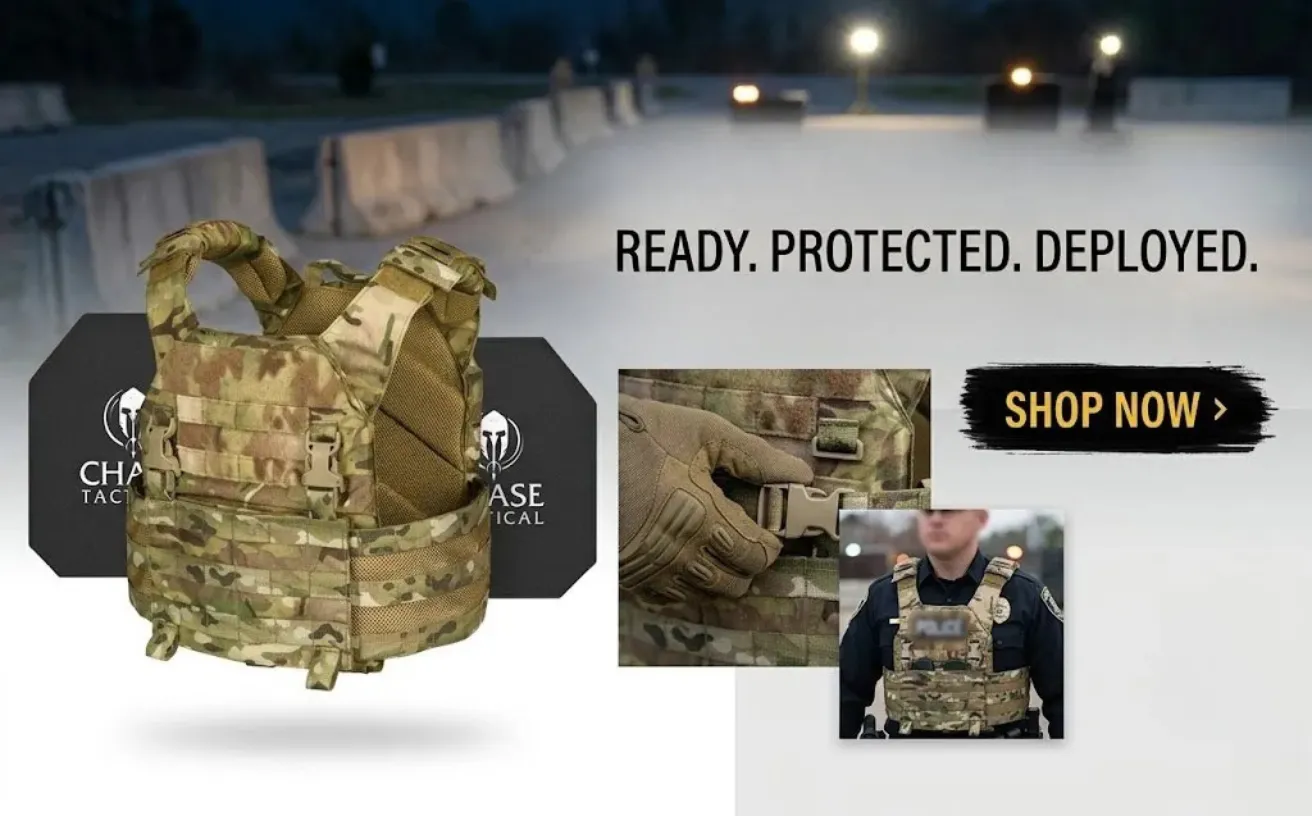
What Is Soft Armor?
Soft armor is constructed from layers of tightly woven or laminated ballistic fiber. The most widely used materials include UHMWPE (ultra-high-molecular-weight polyethylene) and aramid fibers. These materials are flexible, allowing the armor panel to conform to the body and move with the wearer.
The highest protection rating currently applied to soft armor is Level IIIA, which is certified to defeat high-velocity handgun rounds, including 9mm FMJ at approximately 1,400 feet per second and .44 Magnum semi-jacketed hollow point at similar velocities.
Soft armor is what most law enforcement officers wear daily under their uniform. It is concealable, lightweight relative to hard plates, and designed for extended wear during full patrol shifts or operational deployments.
What soft armor does not stop is rifle-caliber threats. The fiber construction that makes soft armor wearable is not capable of defeating the velocity and energy of rifle rounds. That is where hard armor begins.
What Is Hard Armor?
Hard armor plates are rigid ballistic panels constructed from ceramic composite, polyethylene, or a hybrid of both. They are designed to be worn in a plate carrier, positioned over the vital organs at the front and back of the torso.
Hard armor comes in two primary NIJ-certified levels relevant to most operators and security personnel:
- Level III: Tested against 7.62x51mm NATO (.308 Winchester) at specified velocities. Protects against common rifle-caliber threats.
- Level IV: Tested against .30 caliber armor-piercing rounds (M2 AP) per NIJ Standard 0101.06. The highest NIJ-certified protection level for hard plates.
Hard plates are heavier and more rigid. They do not conform to the body the way soft armor does. The trade-off for that rigidity is the ability to stop threats that would pass through any soft-armor panel, regardless of its rating.
Key Differences: Weight, Coverage, and Wearability
The practical differences between soft and hard armor affect how and where each is appropriate:
Weight
A standard Level IIIA soft armor panel weighs significantly less than a ceramic Level IV hard plate of comparable dimensions. For personnel wearing armor for an entire patrol shift, 8 to 12 hours, weight directly affects fatigue and performance. Soft armor is the practical choice for extended daily wear.
Coverage
Soft armor panels are typically designed to cover a larger surface area than hard plates, wrapping around the sides of the torso and providing more comprehensive coverage of soft-tissue areas not addressed by a standard 10×12 hard plate. Hard plates cover the vital organ zone front and back, but leave the sides dependent on soft armor or additional side plates.
Concealability
Soft armor worn under a uniform or plain clothing is not visible. Hard plates in a plate carrier are overt. For security professionals and law enforcement who need discreet protection, soft armor is the only practical option. For operators deploying in tactical configurations where visible armor is standard, the plate carrier and hard plate combination is appropriate.
Durability and Maintenance
Both soft and hard armor require proper maintenance to retain their certified performance. Ceramic plates can sustain internal fractures from drops and impacts that are not visible externally. Soft armor fiber degrades over time due to moisture, heat, and UV exposure. Understanding the maintenance requirements for both types of body armor is essential.
When to Choose Soft Armor
Soft armor at Level IIIA is the right choice when:
- The primary threat environment involves handgun-caliber weapons
- Extended wear over a full shift is required
- Concealability under uniform or civilian clothing is necessary
- A full range of motion for physical tasks is a requirement
- The operational role involves patrol, security, or plain-clothes work
This covers the majority of law enforcement patrol officers, security personnel, and civilians in elevated-risk environments. The handgun-caliber threat is the most statistically common threat in law enforcement and security work, and Level IIIA soft armor addresses it at a certified level.
For security professionals evaluating their protection requirements, guidance on body armor for security guards provides a detailed breakdown of how to match the protection level to the security role and threat environment.
View Chase Tactical Armor Bundle and Save Options
When to Choose Hard Armor
Hard armor at Level III or Level IV is the right choice when:
- The threat environment includes rifle-caliber weapons
- Military or tactical law enforcement deployment is the context
- Intelligence indicates potential armor-piercing rounds (Level IV required)
- Visible armor in a plate carrier is operationally appropriate
- Short to medium-duration wear in high-intensity environments is the mission profile
Military personnel, SWAT operators, and tactical law enforcement units operating in known rifle-threat environments require hard plates. The weight-rigidity trade-off is accepted because the alternative is armor that cannot stop the threat at hand.
Can You Use Both Together?
Yes. Layering soft armor and hard plates is standard practice for operators who need comprehensive protection. The configuration works as follows:
- Soft armor worn against the body provides Level IIIA coverage across the torso, sides, and areas not covered by the hard plates
- Hard plates in a plate carrier positioned over the soft armor address the rifle-caliber threat to the vital organ zone
- The combination gives the operator the broadest protection spectrum available without sacrificing coverage for maneuverability
This layered approach is used by military personnel and tactical law enforcement who face threat environments where both handgun and rifle threats are possible. The plate carrier and belt setup determines how both layers are worn and whether they work together or interfere with each other.
For personnel who need portable protection without a plate carrier, a backpack armor insert at Level IIIA or hard plate level provides rear coverage in plain-clothes environments.
Chase Tactical Soft and Hard Armor Options
Chase Tactical carries both Level IIIA soft body armor and Level III and Level IV hard armor plates. All products are NIJ-certified and built to the standards required for military and law enforcement procurement.
- Level IIIA soft armor for patrol, security, and daily wear applications
- Level III hard plates for rifle-threat environments where weight savings matter
- Level IV hard plates for the highest certified protection tier against armor-piercing threats
- Bundle options pairing plates with plate carriers for operators, building a complete kit
Conclusion
The choice between soft armor and hard armor is not about which is better in the abstract. It is about which matches the threat you are actually facing. Soft armor at Level IIIA is the right answer for the majority of law enforcement, security, and civilian protective applications where the primary threat is handgun-caliber. Hard armor at Level III or Level IV is the right answer when rifle threats are part of the operational picture. When both threats exist, the layered approach covers both.
Know the threat. Match the armor. Chase Tactical carries the full spectrum of NIJ-certified protection for operators and professionals who cannot afford to guess.
For NIJ certification standards and body armor testing specifications, visit nij.gov.
FAQs
Can soft armor stop a rifle round?
No. Level IIIA is the highest NIJ rating for soft armor, and it is not rated against rifle-caliber threats. Stopping rifle rounds requires Level III or Level IV hard armor plates. Any claim that soft armor stops rifle fire is inaccurate and potentially dangerous.
Is Level IV always better than Level III?
Level IV provides greater protection against armor-piercing threats but is heavier than Level III. For environments where the threat is standard rifle rounds rather than armor-piercing ammunition, Level III provides certified protection at a more manageable weight. Match the protection level to the actual threat.
How long does soft armor last compared to hard armor?
NIJ guidelines recommend replacing soft armor panels every 5 years for panels in regular service. Hard armor plates typically have a service life of 5 to 10 years, depending on material, use, and storage conditions. Both types should be inspected regularly and replaced after any ballistic event.
Can civilians buy both soft and hard armor?
The purchase of body armor is legal for civilians in most U.S. states. Some states have specific restrictions. Verify the laws in your state before purchasing. Chase Tactical sells to qualified civilian buyers.
Does Chase Tactical sell soft armor and hard plates together?
Chase Tactical offers bundle options that pair armor with plate carriers. Review the bundle and save section at chasetactical.com for available combinations.
Body armor is not a single category of equipment. It is a spectrum of protection levels, materials, and trade-offs, and choosing the wrong point on that spectrum for your threat environment is as dangerous as wearing no armor at all. The decision between soft armor and hard armor comes down to one question: what threat are you actually protecting against?
This guide breaks down how soft armor and hard armor differ, what each protects against, and how to match your armor selection to your real-world threat environment.
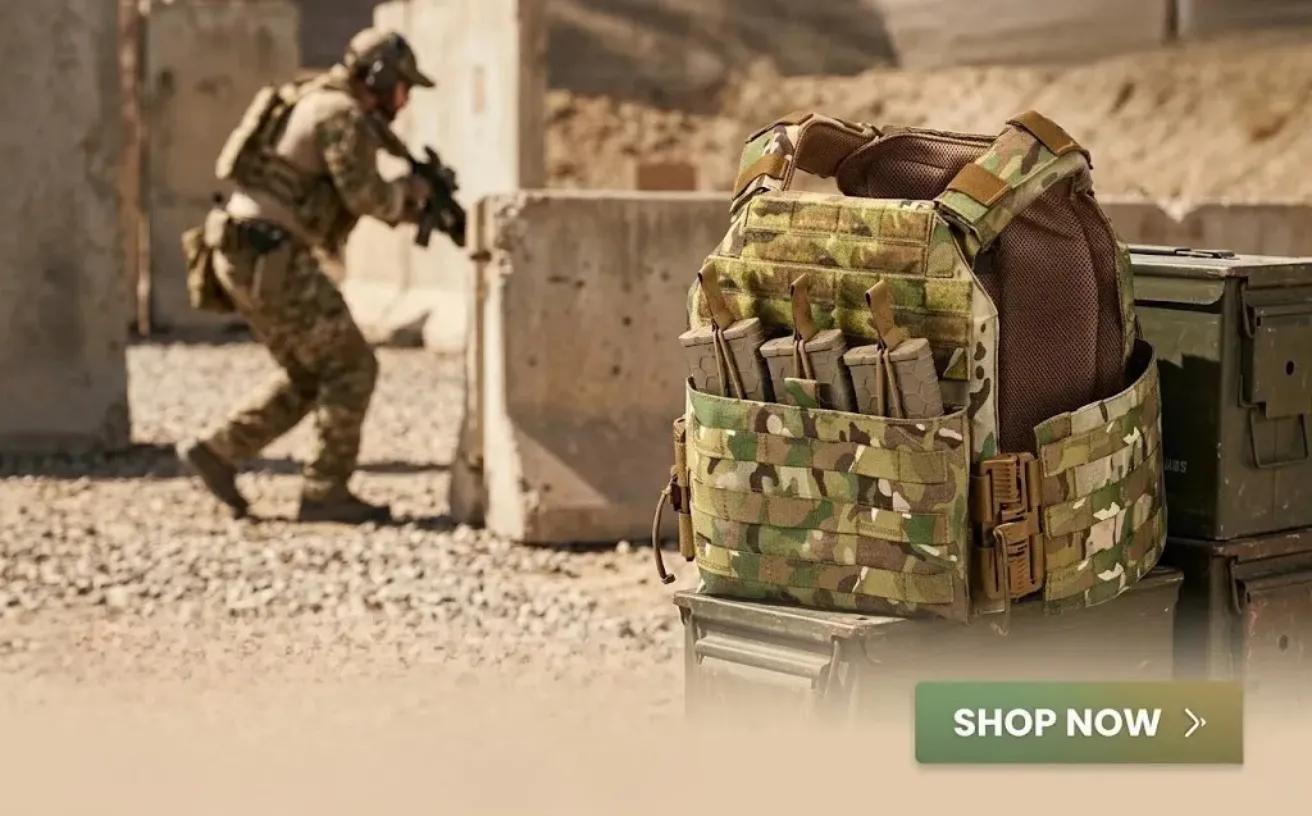
What Is Soft Armor?
Soft armor is constructed from layers of tightly woven or laminated ballistic fiber. The most widely used materials include UHMWPE (ultra-high-molecular-weight polyethylene) and aramid fibers. These materials are flexible, allowing the armor panel to conform to the body and move with the wearer.
The highest protection rating currently applied to soft armor is Level IIIA, which is certified to defeat high-velocity handgun rounds, including 9mm FMJ at approximately 1,400 feet per second and .44 Magnum semi-jacketed hollow point at similar velocities.
Soft armor is what most law enforcement officers wear daily under their uniform. It is concealable, lightweight relative to hard plates, and designed for extended wear during full patrol shifts or operational deployments.
What soft armor does not stop is rifle-caliber threats. The fiber construction that makes soft armor wearable is not capable of defeating the velocity and energy of rifle rounds. That is where hard armor begins.
What Is Hard Armor?
Hard armor plates are rigid ballistic panels constructed from ceramic composite, polyethylene, or a hybrid of both. They are designed to be worn in a plate carrier, positioned over the vital organs at the front and back of the torso.
Hard armor comes in two primary NIJ-certified levels relevant to most operators and security personnel:
- Level III: Tested against 7.62x51mm NATO (.308 Winchester) at specified velocities. Protects against common rifle-caliber threats.
- Level IV: Tested against .30 caliber armor-piercing rounds (M2 AP) per NIJ Standard 0101.06. The highest NIJ-certified protection level for hard plates.
Hard plates are heavier and more rigid. They do not conform to the body the way soft armor does. The trade-off for that rigidity is the ability to stop threats that would pass through any soft-armor panel, regardless of its rating.
Key Differences: Weight, Coverage, and Wearability
The practical differences between soft and hard armor affect how and where each is appropriate:
Weight
A standard Level IIIA soft armor panel weighs significantly less than a ceramic Level IV hard plate of comparable dimensions. For personnel wearing armor for an entire patrol shift, 8 to 12 hours, weight directly affects fatigue and performance. Soft armor is the practical choice for extended daily wear.
Coverage
Soft armor panels are typically designed to cover a larger surface area than hard plates, wrapping around the sides of the torso and providing more comprehensive coverage of soft-tissue areas not addressed by a standard 10×12 hard plate. Hard plates cover the vital organ zone front and back, but leave the sides dependent on soft armor or additional side plates.
Concealability
Soft armor worn under a uniform or plain clothing is not visible. Hard plates in a plate carrier are overt. For security professionals and law enforcement who need discreet protection, soft armor is the only practical option. For operators deploying in tactical configurations where visible armor is standard, the plate carrier and hard plate combination is appropriate.
Durability and Maintenance
Both soft and hard armor require proper maintenance to retain their certified performance. Ceramic plates can sustain internal fractures from drops and impacts that are not visible externally. Soft armor fiber degrades over time due to moisture, heat, and UV exposure. Understanding the maintenance requirements for both types of body armor is essential.
When to Choose Soft Armor
Soft armor at Level IIIA is the right choice when:
- The primary threat environment involves handgun-caliber weapons
- Extended wear over a full shift is required
- Concealability under uniform or civilian clothing is necessary
- A full range of motion for physical tasks is a requirement
- The operational role involves patrol, security, or plain-clothes work
This covers the majority of law enforcement patrol officers, security personnel, and civilians in elevated-risk environments. The handgun-caliber threat is the most statistically common threat in law enforcement and security work, and Level IIIA soft armor addresses it at a certified level.
For security professionals evaluating their protection requirements, guidance on body armor for security guards provides a detailed breakdown of how to match the protection level to the security role and threat environment.
View Chase Tactical Armor Bundle and Save Options
When to Choose Hard Armor
Hard armor at Level III or Level IV is the right choice when:
- The threat environment includes rifle-caliber weapons
- Military or tactical law enforcement deployment is the context
- Intelligence indicates potential armor-piercing rounds (Level IV required)
- Visible armor in a plate carrier is operationally appropriate
- Short to medium-duration wear in high-intensity environments is the mission profile
Military personnel, SWAT operators, and tactical law enforcement units operating in known rifle-threat environments require hard plates. The weight-rigidity trade-off is accepted because the alternative is armor that cannot stop the threat at hand.
Can You Use Both Together?
Yes. Layering soft armor and hard plates is standard practice for operators who need comprehensive protection. The configuration works as follows:
- Soft armor worn against the body provides Level IIIA coverage across the torso, sides, and areas not covered by the hard plates
- Hard plates in a plate carrier positioned over the soft armor address the rifle-caliber threat to the vital organ zone
- The combination gives the operator the broadest protection spectrum available without sacrificing coverage for maneuverability
This layered approach is used by military personnel and tactical law enforcement who face threat environments where both handgun and rifle threats are possible. The plate carrier and belt setup determines how both layers are worn and whether they work together or interfere with each other.
For personnel who need portable protection without a plate carrier, a backpack armor insert at Level IIIA or hard plate level provides rear coverage in plain-clothes environments.
Chase Tactical Soft and Hard Armor Options
Chase Tactical carries both Level IIIA soft body armor and Level III and Level IV hard armor plates. All products are NIJ-certified and built to the standards required for military and law enforcement procurement.
- Level IIIA soft armor for patrol, security, and daily wear applications
- Level III hard plates for rifle-threat environments where weight savings matter
- Level IV hard plates for the highest certified protection tier against armor-piercing threats
- Bundle options pairing plates with plate carriers for operators, building a complete kit
Conclusion
The choice between soft armor and hard armor is not about which is better in the abstract. It is about which matches the threat you are actually facing. Soft armor at Level IIIA is the right answer for the majority of law enforcement, security, and civilian protective applications where the primary threat is handgun-caliber. Hard armor at Level III or Level IV is the right answer when rifle threats are part of the operational picture. When both threats exist, the layered approach covers both.
Know the threat. Match the armor. Chase Tactical carries the full spectrum of NIJ-certified protection for operators and professionals who cannot afford to guess.
For NIJ certification standards and body armor testing specifications, visit nij.gov.
FAQs
Can soft armor stop a rifle round?
No. Level IIIA is the highest NIJ rating for soft armor, and it is not rated against rifle-caliber threats. Stopping rifle rounds requires Level III or Level IV hard armor plates. Any claim that soft armor stops rifle fire is inaccurate and potentially dangerous.
Is Level IV always better than Level III?
Level IV provides greater protection against armor-piercing threats but is heavier than Level III. For environments where the threat is standard rifle rounds rather than armor-piercing ammunition, Level III provides certified protection at a more manageable weight. Match the protection level to the actual threat.
How long does soft armor last compared to hard armor?
NIJ guidelines recommend replacing soft armor panels every 5 years for panels in regular service. Hard armor plates typically have a service life of 5 to 10 years, depending on material, use, and storage conditions. Both types should be inspected regularly and replaced after any ballistic event.
Can civilians buy both soft and hard armor?
The purchase of body armor is legal for civilians in most U.S. states. Some states have specific restrictions. Verify the laws in your state before purchasing. Chase Tactical sells to qualified civilian buyers.
Does Chase Tactical sell soft armor and hard plates together?
Chase Tactical offers bundle options that pair armor with plate carriers. Review the bundle and save section at chasetactical.com for available combinations.