






How Modern Military Forces Use Tactical Gear In Operations


Tactical gear has evolved significantly over the years, adapting to the changing demands of modern warfare. Today, military forces across the globe rely on an array of specialized equipment designed to enhance operational efficiency, protect soldiers, and ensure mission success. Today’s article covers the critical role of tactical gear in modern military operations, including its components, applications, and the technological advancements shaping the future of warfare.
The Evolution Of Tactical Gear

Tactical gear is not new; it has been integral to military operations for centuries. From the armor worn by ancient warriors to the advanced body armor used today, the primary goal has always been to protect while enabling mobility. However, the complexities of the modern battlefield have necessitated the development of more sophisticated gear that incorporates cutting-edge technology and materials.
In the past, military gear was primarily focused on providing physical protection and basic survival tools. Today, however, tactical gear types encompass a wide range of equipment designed to support various aspects of military operations, including communication, navigation, surveillance, and psychological warfare. The evolution of tactical gear reflects the changing nature of warfare, where information dominance, speed, and adaptability are as crucial as firepower.
What Is Tactical Gear Used For In Military Operations?
Tactical gear, in simple terms, means any equipment purpose-built for combat, security, or high-risk fieldwork rather than everyday civilian use. Chase Tactical’s guide to what tactical gear is breaks this down further, but at its core, the term covers anything that protects a soldier, carries their equipment, or gives them an edge in the field: body armor, load-bearing systems, communication tools, optics, and clothing built for the environment they operate in.
In practice, military gear serves four main jobs: protection from ballistic and environmental threats, storage and organization of ammunition and supplies, communication and coordination with a unit, and mobility across difficult terrain. A single piece of gear often does more than one of these at once. A plate carrier protects the torso while also distributing the weight of ammunition, medical supplies, and radios across the body.
The line between military gear and civilian-grade tactical gear has also narrowed. Law enforcement, security contractors, and trained civilians now use much of the same equipment, though the standards and use cases differ. For a closer comparison, see the breakdown of patrol gear versus tactical gear.
Types Of Military Gear By Category
Modern military gear falls into a handful of broad categories, and most loadouts pull from each one depending on the mission. Grouping gear this way makes it easier to compare options and build a complete kit rather than shopping item by item.
- Protective gear: body armor, ballistic helmets, and eye and hearing protection designed to reduce injury from ballistic, blast, and blunt-force threats.
- Load-bearing and carry systems: plate carriers, chest rigs, belts, and packs that hold ammunition, medical supplies, and mission equipment.
- Communication and optics: radios, night vision, thermal imaging, and navigation systems that support coordination and situational awareness.
- Clothing and mobility gear: uniforms, camouflage, and footwear built for the terrain and climate of a specific operation.
- Weapons and accessories: firearms along with sights, lights, suppressors, and other add-ons that extend their effectiveness.
For a broader look at how these categories work together in a full loadout, Chase Tactical’s military equipment guide covers the technology and materials behind each one in more depth.
Essential Components Of Modern Tactical Gear
Modern tactical gear is a comprehensive system comprising various components, each serving a specific purpose. Here are some of the most critical elements:
1. Body Armor and Ballistic Protection
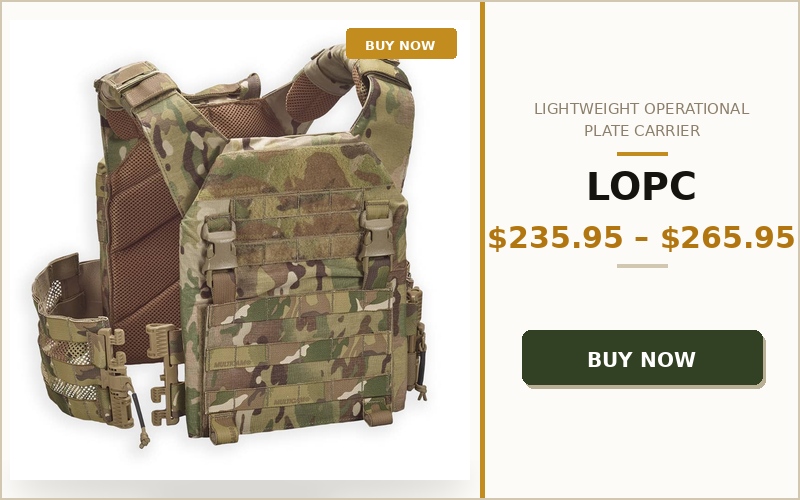
One of the most vital components of tactical gear is body armor. Modern LOPC body armor active shooter kits are designed to protect soldiers from ballistic threats, including bullets, shrapnel, and explosive fragments. Today’s body armor is made from advanced materials like Kevlar, Dyneema, and ceramic plates, which provide high levels of self-protection while remaining lightweight and flexible. This allows soldiers to move freely and engage in combat without being encumbered by heavy armor.
2. Tactical Helmets
Tactical helmets are another crucial element of military gear, providing head protection against ballistic and blunt-force trauma. Modern helmets have advanced features such as night-vision mounts, communication systems, and modular attachment points for additional gear, such as cameras or lights. Integrating these features into the tactical helmet design enhances situational awareness and allows soldiers to operate effectively in various environments, such as the Level IIIA ACH Tactical Combat Helmet.
3. Load-Bearing Equipment (LBE)
Load-bearing equipment, including tactical chest rigs, belts, and tactical backpacks, is essential for carrying ammunition, medical supplies like the Rapid Deploy IFAK Pouch, communication devices, and other mission-critical items. These systems are designed to distribute weight evenly across the body, reducing fatigue and improving mobility. Modern LBE systems are often modular, allowing soldiers to customize their gear based on the mission requirements.
4. Tactical Footwear
Footwear plays a significant role in a soldier’s ability to perform in the field. Tactical footwear is engineered to deliver superior comfort, support, and protection across diverse terrains and weather conditions. These boots are constructed from heavy-duty materials and offer water, puncture, and abrasion resistance, exceptional traction, and stability.
5. Weapons and Accessories
Soldiers’ effectiveness in combat depends heavily on the weapons and accessories they carry. Modern tactical gear includes a variety of firearms, from rifles and pistols to specialized weapons like sniper rifles and shotgun shell pouches. In addition to firearms, soldiers often carry accessories such as scopes, suppressors, laser sights, and tactical flashlights, all of which enhance their combat effectiveness.
6. Communication Devices
Effective communication is vital in any military operation. Modern tactical gear includes advanced communication radios, such as the Chase Tactical MBITR Radio Pouch, which allow soldiers to stay connected with their team members and command centers. These devices often feature secure encryption, noise-canceling technology, and long-range capabilities, ensuring clear communication even in the most challenging environments.
7. Night Vision and Thermal Imaging Equipment
Operating effectively in low-light or no-light conditions can be a decisive advantage in modern warfare. Night vision goggles and thermal imaging devices are essential components of tactical gear, allowing soldiers to see in the dark and detect heat signatures. These tools are invaluable for reconnaissance, surveillance, and targeting in limited visibility.
8. Navigation and GPS Systems
Accurate navigation is critical in military operations, where soldiers often operate in unfamiliar or hostile terrain. Modern tactical gear includes advanced GPS and navigation systems that provide real-time positioning data, maps, and route planning. These systems help soldiers avoid dangerous areas, reach objectives efficiently, and coordinate movements with other units.
9. Camouflage, Uniforms, and Clothing Systems
Camouflage patterns, uniforms, and combat clothing remain some of the most recognizable pieces of tactical gear, and they do more than help soldiers blend into their surroundings. Modern tactical clothing and apparel is built from moisture-wicking, tear-resistant fabrics that regulate body temperature, resist abrasion, and hold up to repeated washing and field wear, with multiple pocket configurations that keep EDC gear, multi-tools, and personal items organized and within reach.
Color and pattern selection is a practical decision rather than a cosmetic one. Woodland, desert, and multicam patterns are matched to the operating environment, while colors like OD green carry a long history of reducing visibility on the battlefield, a shift covered in more detail in this look at why the military uses OD green in uniforms. Uniformity in clothing also reinforces unit identity and discipline, which matters as much in training as it does in combat.
10. What a Tactical Loadout Costs
Budget is a real part of gear selection, whether you’re outfitting a single officer or an entire team. Costs scale with protection level, materials, and modularity: soft body armor is generally the most affordable entry point, hard rifle-rated plates cost more per unit depending on material (steel, ceramic, or polyethylene) and NIJ threat level, and load-bearing systems like plate carriers and chest rigs vary based on MOLLE coverage and build quality.
Communication and optics gear, such as radios, night vision, and thermal imaging, typically make up the largest line items in a full loadout. Check the linked product pages throughout this article for current pricing on each category.
Modern Military Armor: Materials And Protection Levels
Armor is one of the most searched and most scrutinized pieces of a soldier’s loadout, and for good reason: it is the last line of defense against ballistic and fragmentation threats. Modern military armor is built in layers, soft armor for lower-level threats and stab resistance, and hard rifle-rated plates, typically steel, ceramic, or polyethylene, for rifle rounds and higher-velocity threats.
Protection level is usually described using NIJ threat-level ratings, which classify armor by the type of ammunition it is tested to stop. Choosing the right level means balancing protection against weight and mobility, since higher-rated plates are generally heavier and less flexible. The guide to body armor for different threat levels breaks down how these ratings apply to real-world gear selection.
There is no single best protection option for every operation. A soldier on a long foot patrol may prioritize a lighter, lower-profile plate carrier, while a team clearing a building may accept the added weight of a higher threat-level plate for the added protection. Material choice also affects cost and durability: ceramic plates offer strong protection at a lower weight but are more prone to cracking on impact, steel plates are heavier but hold up to repeated hits, and polyethylene plates split the difference on both counts.
How Tactical Gear Enhances Operational Effectiveness
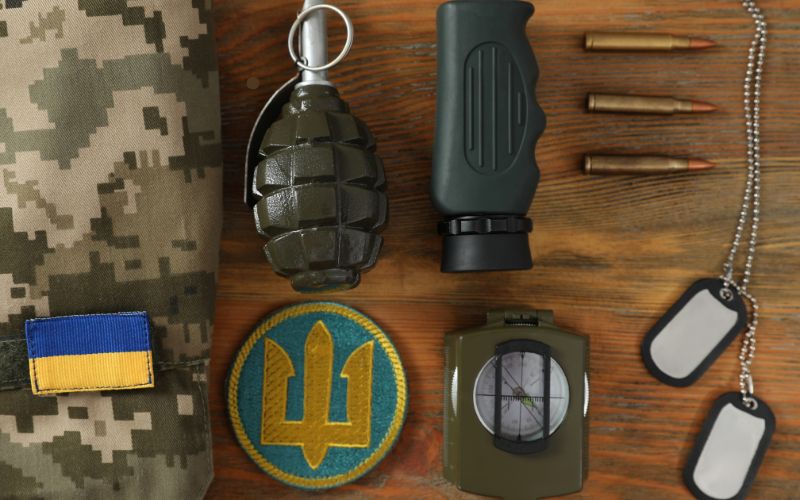
Tactical gear is not just about protection; it’s about enhancing a soldier’s overall operational effectiveness. Here’s how:
1. Increased Mobility and Flexibility
Modern tactical gear is designed with mobility in mind. Lightweight materials and ergonomic designs allow soldiers to move quickly and efficiently, whether engaging in close-quarters combat or traversing rough terrain. The modular nature of modern gear will also enable soldiers to adapt their loadout to the specific demands of the mission, ensuring they carry only what they need.
2. Improved Situational Awareness
Situational awareness is critical in military operations, where the ability to perceive and respond to different threats can mean the difference between life and death. Tactical gear enhances situational awareness by providing soldiers with tools such as night-vision goggles, thermal imaging devices, and advanced communication systems. These tools allow soldiers to detect threats, coordinate with their teams, and make real-time, informed decisions.
3. Enhanced Communication and Coordination
Effective communication is essential for coordinating movements, sharing intelligence, and executing complex operations. Modern tactical gear includes advanced communication devices that can attach to a plate carrier, allowing soldiers to maintain contact with their team members and command centers, even in challenging environments. This ensures everyone understands the same thing, reducing the chances of misunderstandings and helping mission goals succeed.
4. Protection from Environmental Hazards
Modern tactical gear protects from ballistic and environmental hazards, such as extreme temperatures, moisture, and chemical agents. Specialized clothing, masks, and protective gear allow soldiers to operate in harsh environments without compromising their safety or performance.
5. Psychological Advantage
Tactical gear can also provide a psychological advantage for soldiers and their adversaries. The soldier’s sense of protection and preparedness from wearing high-quality gear can boost confidence and morale. For the adversary, seeing a well-equipped and heavily armed soldier can be intimidating, potentially discouraging resistance.
Tactical Gear Across Military Branches And Special Forces Units
Every branch of the military adapts its tactical gear to the environment it operates in most often. Army and Marine Corps ground units typically prioritize load-bearing systems and armor built for extended foot patrols, while naval special operations units need gear that performs in and around water, including armor plates and carriers designed to drain quickly and stay manageable when wet. Air Force and aviation personnel lean more heavily on lightweight survival and communication gear suited to aircrew roles.
Special operations units, including Army Rangers, Green Berets, and Navy SEALs, generally work from the same core categories of gear as conventional forces, body armor, load-bearing equipment, communication devices, and optics, but with equipment selected or modified for extended, low-resupply missions. This often means a heavier emphasis on modular MOLLE-compatible systems that can be reconfigured mission to mission, along with more advanced night vision and navigation tools.
Regardless of branch, the underlying selection process is the same: match the gear to the mission, the terrain, and the amount of resupply the unit can expect, then build the loadout around protection, mobility, and communication needs, in that order.
Technological Advancements Shaping The Future Of Tactical Gear
Rapid technological advancements are shaping the future of tactical gear, opening new possibilities to enhance soldier performance and safety. Chase Tactical’s look at how technology is shaping the future of tactical gear covers many of these shifts in more depth. Here are some of the most exciting developments:
1. Smart Textiles and Wearable Technology
Smart textiles and wearable technology are revolutionizing how soldiers interact with their gear. These innovations include clothing embedded with sensors that monitor vital signs, detect injuries, and provide real-time health data to medics and commanders. Wearable devices, such as exoskeletons, are also being developed to enhance soldiers’ strength and endurance, enabling them to carry heavier loads and perform at higher levels for extended periods, an area U.S. Army futures programs have publicly tested for infantry load-carrying.
2. Augmented Reality (AR) and Heads-Up Displays (HUDs)
Augmented reality and heads-up displays transform how soldiers perceive and interact with their environment. AR glasses and HUDs can provide soldiers with real-time information overlays, such as maps, target data, and mission objectives, directly in their field of view. This technology enhances situational awareness and allows soldiers to process information more quickly and accurately, an approach the U.S. Army has publicly pursued through its Integrated Visual Augmentation System (IVAS) program, which combines night vision, thermal imaging, and a heads-up display into a single headset for infantry units.
3. Drones and Unmanned Systems
Drones and unmanned systems are increasingly integrated into military operations, providing soldiers with enhanced reconnaissance, surveillance, and combat capabilities. Tactical tools now include systems that allow soldiers to control drones and unmanned vehicles, giving them a significant advantage in gathering intelligence and engaging targets from a distance.
4. Advanced Materials and 3D Printing
Developing advanced materials like graphene and nanomaterials creates lighter, stronger, and more flexible tactical gear. These materials offer improved protection without compromising mobility. Additionally, 3D printing technology is used to produce custom gear and components on demand, allowing for greater flexibility and adaptability in the field.
The Importance Of Proper Training And Maintenance
While advanced tactical gear offers numerous advantages, its effectiveness ultimately depends on how well it is used and maintained. Proper training is essential to ensure that soldiers are familiar with their equipment and can use it effectively under pressure. Regular maintenance and inspections of tactical tools are also crucial to ensure that the gear remains in optimal condition and functions as intended during operations. Durability testing, corrosion resistance, and predictable cleaning and inspection schedules determine how long gear performs reliably under repeated field use, which is why maintenance planning matters as much as the initial gear selection.
Conclusion
Tactical gear is critical to modern military operations, providing soldiers with the tools to succeed in various environments and situations, from body armor and camouflage systems to communication devices and branch-specific loadouts. As technology advances, tactical gear’s capabilities will continue to expand, offering new ways to enhance soldiers’ performance, safety, and mission success. However, it is essential to remember that the effectiveness of tactical gear relies not just on its design and technology but also on the training, discipline, and adaptability of the soldiers who use it.
Frequently Asked Questions
What is the tactical gear employed by modern-day military soldiers during operations?
Modern-day military personnel rely on a wide array of tactical gear to facilitate functionality and durability in the field. The staple options are camouflage patterns, uniforms, shirts, and pants for different environments. Plate carriers, holsters, backpacks, gloves, and multi-tools are essential to combat utility and adaptability.
How does tactical gear help improve the effectiveness of military operations?
Tactical gear is designed with functionality, toughness, and versatility. Each detail maximizes functional effectiveness, from camouflage that allows soldiers to blend in with their surroundings to tear-resistant clothing with multiple pockets for EDC gear and multi-tools. For army personnel and others, making the right choice of tactical tops, bottoms, and gloves can mean the difference between success and failure in a pivotal moment.
Can hobbyists and civilians use the same tactical gear that the military uses?
Most tactical gear initially intended for the military is now available to individuals, campers, and survivalists. For EDC, outdoor use, or training, enthusiasts can choose from categories like MOLLE bags, utility holsters, plate carriers, and more.
Is there a difference between “military gear” and “tactical gear”?
The terms overlap but aren’t identical. Military gear typically refers to equipment issued or procured through government and defense channels for active-duty use. Tactical gear is the broader category, built to similar durability and performance standards but used across military, law enforcement, security, and trained civilian applications. Most of what’s covered in this article, from body armor to load-bearing systems to optics, applies to both.
What is tactical gear used for in military operations?
Tactical gear covers the equipment that protects, arms, and supports a soldier in the field, including body armor, load-bearing systems, communication devices, and camouflage clothing. It is used to reduce injury risk, carry mission-critical supplies, and improve coordination and situational awareness during operations.
Do different military branches or special forces use different tactical gear?
Yes. Ground forces, naval special operations units, and aviation personnel each adapt their loadouts to their operating environment, and special operations units like Army Rangers and Navy SEALs often use more advanced or modular versions of the same core gear categories used by conventional forces.