

Russian Satellites Reportedly Aided Houthi Strikes on Saudis

Russian government and military satellites may have helped Iran-backed militias strike Saudi oil and military sites, according to an Associated Press report published Oct. 27. The claim rests on a private firm's analysis of satellite movements, not on intercepted communications, and Russian officials had no immediate comment when asked about it.
The analysis comes from AURORAH Geosignal Intelligence, a Geneva-based geospatial firm. It examined 40 missile and drone attacks on Saudi Arabia by Houthis in Yemen and Iraqi militias between July 1 and Oct. 19. The firm says it identified 72 Russian reconnaissance satellites among more than 11,000 spacecraft in orbit, tracked their movements, and compared them with activity on the ground.
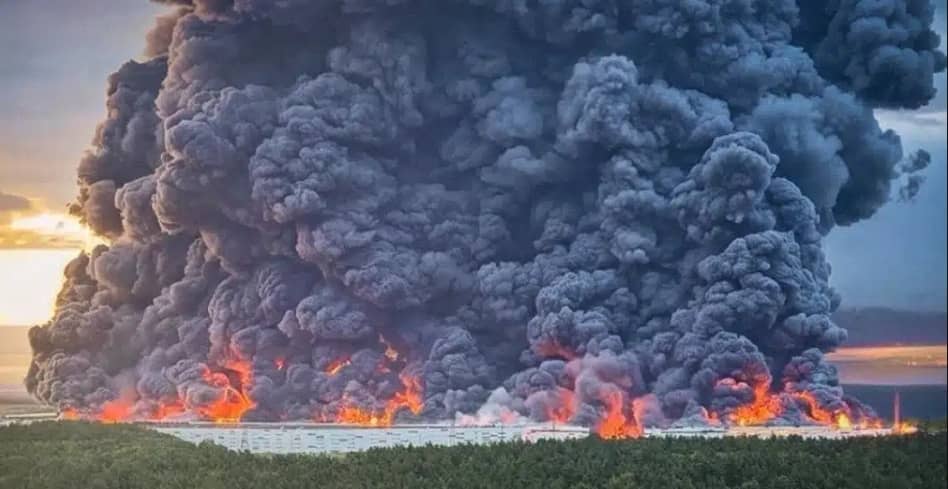
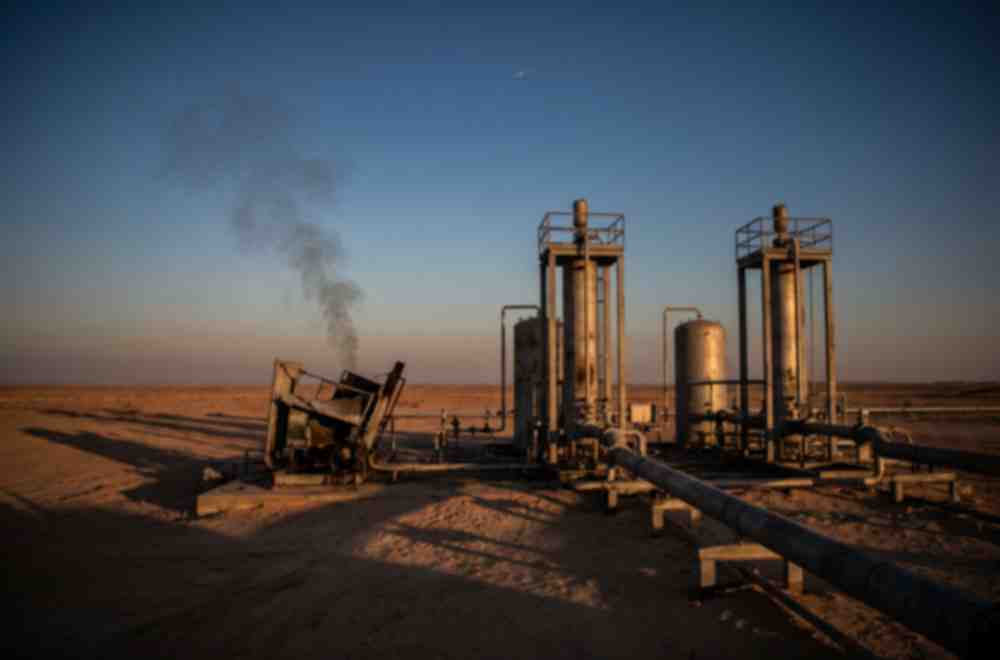
Two incidents anchor the report. On Sept. 10, drone strikes launched from Iraq hit three pumping stations on Saudi Arabia's 1,200-kilometer East-West Pipeline and interrupted oil flow. AURORAH says eleven Russian Cosmos 2600-series satellites had concentrated over those pipeline sections starting in July. About a week later, Houthi projectiles struck King Fahd Air Base in Taif, damaging an Italian Eurofighter Typhoon, according to Italy's Defense Ministry. For both attacks, the firm recorded a 50 percent rise in Russian satellites over the targets in the 72 hours around each strike, compared with July.
AURORAH's founder, Nawaf Obaid, called the correlation a "100 percent match," while acknowledging the firm has not intercepted any actual intelligence transmissions. Context matters: Obaid advised Saudi officials from 2004 to 2016, which does not invalidate his firm's work but is relevant to how readers weigh it.
The report layers official and anonymous claims on top of the satellite data. Saudi Deputy Foreign Minister for public diplomacy Rayed Krimly said Iran and the Houthis receive intelligence from "elements in Russia and China, even commercial elements sometimes", and added that Riyadh raises the matter regularly with both governments. An unnamed Saudi official told AP that Russian satellites also aided Iranian strikes in March on Prince Sultan Air Base, where a U.S. surveillance aircraft was badly damaged, and on a CIA unit in the U.S. Embassy complex in Riyadh. The same official said Houthi missiles and drones contained Russian- and Chinese-made components, without offering detail.
A senior Houthi leader, also anonymous, said Iranian advisers in Yemen have passed the group data derived from Russian satellite intelligence, though he did not know whether Russia and China were aware their equipment was used in Yemen. U.S. and European officials, the report notes, have said Russia has shared intelligence with Iran, but it quotes no on-record U.S. statement. LeoLabs executive Adam Marsh said satellite massing is what intelligence collection would look like, but that Russia can deny it.
Attribution is not uniform. The Times of Israel, The New Arab and the Press Trust of India all present the story as AP reporting. Kurdistan24 credited both the Washington Post and the AP, while Al-Monitor's repost carried only the AP attribution. I could not locate a separate Washington Post version, so the AP report should be treated as the primary source. Kurdistan24 also described the "100 percent match" as covering all 40 strikes, while the 50 percent rise applies only to two key strikes in the AP account.
This is not the first claim of Russian space-based help for Iran's network. PBS News reported on March 6 that two U.S. officials said Russia had shared satellite data showing the real-time movement of American troops since the war began. The report also carried a caveat from former senior officials: Iran already has good commercial satellite data and does not need Russia to find static targets like bases, though help could matter more for moving ships and aircraft.
Earlier still, a Wall Street Journal report relayed by Euromaidan Press in October 2024 said Russia had provided satellite targeting data to the Houthis through Iran's Revolutionary Guard, citing European defense sources, to widen their strikes on Red Sea shipping. The Euromaidan page carried no Kremlin response. In late March, Ukrainian President Volodymyr Zelenskyy said in an X post that he had been briefed that Russian satellites imaged U.S. facilities, including Diego Garcia, Prince Sultan Air Base and Al Udeid Air Base, "in the interests of Iran." Zelenskyy has an obvious stake in Western pressure on Moscow, so his post is an official claim, not independent confirmation.
The AP report offers a compelling pattern but not a smoking gun. Confirmed: the attacks occurred, the pipeline and Taif damage was reported, and Saudi officials publicly accuse Russia and China of enabling Iran's allies. Alleged: that Russian satellites directly supported specific strikes. Unknown: whether Moscow authorized any transfer, and how many other factors explain the satellite activity. Watch for an on-record Russian response, U.S. confirmation, and independent orbital analysis.
When I travel outside of Ukraine, I get daily intelligence updates online. This morning, I was briefed that U.S. military facilities in the Middle East and the Gulf region were photographed by Russian satellites in the interests of Iran.
— Volodymyr Zelenskyy / Володимир Зеленський (@ZelenskyyUa) March 28, 2026
On March 24th, they imaged the U.S.–UK…