







Body Armor Fit Guide: How to Get the Right Coverage for Your Body Type

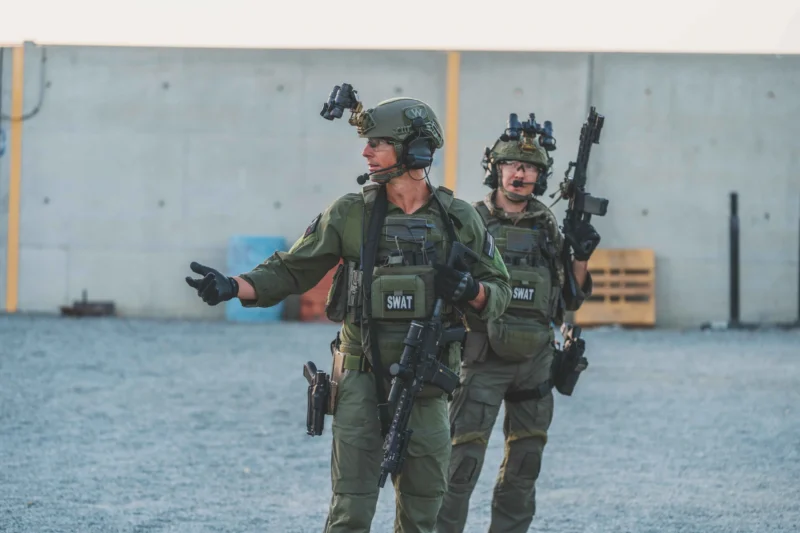
Body armor is only as effective as its fit. A Level IV plate in a carrier that gaps at the sides, rides too high, or shifts during movement is not providing Level IV protection to the areas it is supposed to cover. The NIJ rating tells you what the armor stops. Fit determines whether it stops it on your body.
This guide is for any operator, officer, or prepared civilian who knows they need body armor and wants to evaluate fit correctly – regardless of body type, build, or frame. The principles here apply universally, and getting them right is as important as selecting the correct protection level.
Why Fit Is a Protection Issue, Not a Comfort Issue
Most body armor conversations start with rating. That is correct – but it is only half the equation. Rating certifies what a piece of armor stops under controlled test conditions on a standardized test fixture. It does not certify that armor will stop the same threats when worn by a human body that is sprinting, climbing, going prone, or entering a vehicle.
Coverage failure happens when:
- Plates shift laterally in a carrier that is too loose or incorrectly sized
- The carrier rides too high, leaving the lower thorax and upper abdomen exposed
- The cummerbund does not cinch securely at the wearer’s torso width, allowing side movement
- Shoulder straps sit at the wrong width, causing the front plate to angle outward rather than sit flush
None of these failures show up during a fitting room check. They show up under movement. The correct way to evaluate armor fit is through a movement test – not a standing-still test.
Fit challenges are most pronounced when a wearer’s body proportions differ significantly from the body profile the carrier was designed around. Shorter torso length, narrower shoulder width, different chest geometry, or a significantly different waist-to-hip ratio all create fit variables that require specific adjustments to get coverage placement correct.
Step One: Choose the Right Protection Level
Before addressing carrier fit, confirm the protection level is correct for the actual threat environment. Fit adjustments cannot compensate for an incorrect protection tier.
Level IIIA Soft Armor
Level IIIA soft armor is certified against high-velocity handgun rounds, including 9mm FMJ and .44 Magnum. It is the baseline protection standard for law enforcement patrol and the most practical protection tier for extended-wear roles where weight and flexibility affect performance over a full shift.
Soft armor is flexible and conforms to the body, which makes fit adjustments more forgiving than with rigid hard plates. For wearers where carrier fit is a known challenge, starting with a soft armor system often provides more accommodation than a hard plate system.
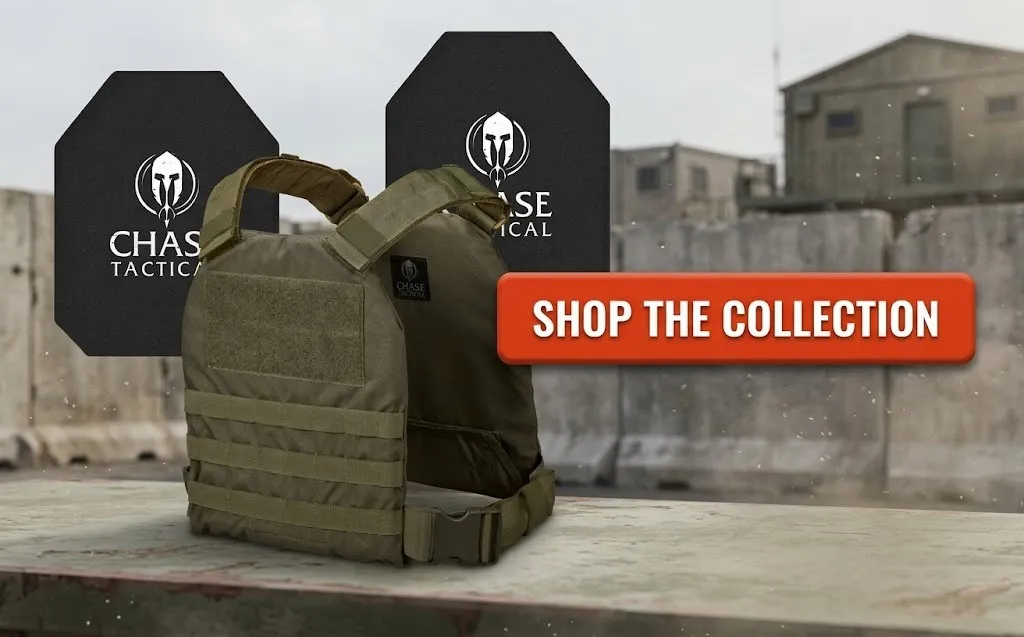
Chase Tactical carries Level IIIA soft body armor suitable for law enforcement, security, and civilian preparedness roles.
Level III Hard Armor Plates
Level III plates are rated against 7.62x51mm NATO rifle rounds. They are rigid, heavier than soft armor, and require a carrier to hold the plate precisely in place against the body. Fit tolerance is lower with hard plates because the rigid plate cannot conform to the body the way soft armor does – any gap between the plate and the carrier pocket, or between the carrier and the body, is a coverage gap.
Level IV Hard Armor Plates
Level IV plates are rated against .30 caliber armor-piercing rounds per NIJ Standard 0101.06. They represent the highest protection tier in the Chase Tactical product line and are selected for threat environments where rifle-caliber AP rounds are part of the threat assessment.
The same fit principles apply at Level IV as at Level III, with the added consideration that Level IV plates are typically heavier, which amplifies the consequences of a carrier that does not hold the plate securely against the body during movement.
The Four Measurements That Determine Correct Fit
Accurate body measurements are the starting point for any armor fitting process. These four measurements determine carrier size, plate size, and whether adjustments are needed before field use.
Chest circumference: Measure at the fullest point of the chest, keeping the tape level around the torso. This measurement determines the cummerbund size range required to hold the carrier securely at the correct position without either excessive slack or compression.
Torso length: Measure from the sternal notch – the small indent at the top of the sternum – straight down to the navel. This is the single most important measurement for determining plate height and carrier length. A carrier that is too long for the wearer’s torso will either push the plate too high or hang below the waistline; too short, and the plate will not reach the sternal notch.
Shoulder width: Measure from the tip of one shoulder to the tip of the other, across the front of the body. This determines whether the carrier’s shoulder-strap spacing can be adjusted so the front plate sits flush against the chest without angling outward.
Plate coverage check: Once the carrier is on and adjusted, verify plate position with this test: the top edge of the front plate should sit at approximately the sternal notch. The bottom edge should clear by two finger widths above the navel. The sides of the plate should not extend beyond the nipple line. If any of these positions are wrong, adjust the carrier before considering fit acceptable.
What to Look For in a Carrier
Adjustable Cummerbund with Wide Size Range
The cummerbund is the carrier’s side closure system. It wraps around the torso and is responsible for holding the carrier – and the plates inside it – from shifting laterally. A cummerbund that does not cinch to the wearer’s torso width will allow the carrier to shift under movement, taking the plates with it.
Chase Tactical’s plate carriers feature adjustable cummerbund systems. When evaluating fit, the cummerbund should reach its secure position with adjustment range to spare – not at its maximum tightness. A cummerbund at its tightest setting with the carrier still shifting indicates the carrier is too large for the wearer.
Quick-Release Cummerbund System
A quick-release cummerbund allows the carrier to be removed in a single pull action during a medical emergency or casualty extraction. This is a safety feature that matters for any wearer. When evaluating a quick-release system, confirm the release mechanism is accessible and operable with either hand from the wearer’s actual body position – not just from a standing-neutral position.
Adjustable Shoulder Straps
Shoulder strap width and length both affect how the front plate sits against the chest. Straps that are too wide for the wearer’s shoulder width force the front plate panel outward, creating a gap between the plate and the chest that worsens under forward movement. Straps that are too long allow the entire carrier to drop below the correct torso position.
The correct shoulder strap adjustment places the front plate at sternal notch height with the plate sitting flush – not angled – against the chest wall.
Padding System
The padding system inside the carrier affects how the load is distributed across the body and how the carrier holds its position during sustained movement. A padding system that compresses quickly under load reduces the carrier’s ability to maintain correct plate position over the course of a long operation or shift. Check that the padding holds its shape under the weight of loaded plates.
Plate Sizing: Matching Plate Dimensions to Body Dimensions
Standard plate sizing is 10×12 inches. This size is designed to cover the vital zone of a medium-to-large male torso. For wearers with a shorter torso length, a narrower build, or significantly different proportions, a standard 10×12 may ride too high or extend below the coverage zone it is supposed to protect.
The coverage test is the reference, not the plate size number. Run the coverage check described above on any plate size. If a standard 10×12 does not achieve adequate sternal notch-to-navel coverage for a particular wearer, a smaller plate cut should be considered.
Chase Tactical carries plate options in standard sizing. For plate sizing questions specific to individual measurements, run the coverage test on the actual plates before finalizing the selection.
Soft Armor vs. Plate Carrier: Matching the System to the Role
The choice between a concealable soft armor system and a plate carrier comes down to two factors: the threat environment and the duration and nature of the assignment.
Soft armor under uniform is the standard choice for law enforcement patrol in standard threat environments. Level IIIA soft armor addresses the handgun threats that account for the majority of law enforcement firearm encounters, can be worn all shift without the weight and profile of a plate carrier, and fits more forgivingly across different body proportions.
Plate carrier is the correct choice when rifle threats are part of the threat assessment – tactical callouts, high-threat environments, and military operations. For any wearer where the standard carrier fit is a challenge, the measurement and adjustment process above becomes a non-negotiable step before field deployment.
For situations where a full carrier system is not operationally appropriate – plain-clothes assignments, off-duty carry, administrative environments – backpack armor inserts provide Level IIIA soft armor protection in a discreet format. See our guide, “Backpack Armor: How Bulletproof Inserts Work and Who Needs Them,” for how that option works and who it suits.
Fit Is Not a One-Time Check
Armor that fits correctly when purchased requires periodic re-evaluation. Soft armor panels undergo minor dimensional changes over washing and drying cycles. Padding systems compress over extended wear. Adjustment hardware loosens with use.
Check carrier fit before any deployment, and re-evaluate the full measurement and coverage check if the armor has been stored for a significant period or subjected to heavy use. For the complete guide to keeping armor in service condition across its full lifespan, see our guide on How to Care for and Maintain Body Armor.
FAQs
How do I know if my plate carrier fits correctly?
Run the four-point coverage check: front plate top edge at the sternal notch, bottom edge two finger-widths above navel, sides within the nipple line, and cummerbund secure without being at maximum tightness. Then conduct a movement test – sprinting, going prone, and simulating vehicle entry. The carrier should not shift position or require manual readjustment after any of these movements.
What is the correct plate size for a smaller or shorter wearer?
The coverage test is the reference, not the size number. A standard 10×12 plate fits many wearers correctly. For wearers with a shorter torso length or a narrower build, the coverage check will confirm whether a standard plate achieves the correct sternal notch-to-navel positioning. If it does not, a smaller plate cut should be evaluated.
Can Chase Tactical’s standard plate carriers fit different body types?
Chase Tactical’s plate carriers feature adjustable cummerbund systems and adjustable shoulder straps that accommodate a range of body proportions. The adjustment range determines whether a specific carrier size will fit a specific wearer correctly. Work through the measurements above before selecting a carrier size.
Does armor fit affect the protection rating?
NIJ certification is based on standardized test fixture performance. In real-world use, a correctly fitted carrier that holds the plate in the rated coverage position provides the protection specified by the rating. A carrier that allows the plate to shift outside the coverage position does not, regardless of what the plate is rated to stop.
How often should I check armor fit?
Before every deployment, and after any significant period of storage. Soft armor panels can undergo minor dimensional changes over their service life. Padding systems compress. Adjustment hardware loosens. A fit that was correct six months ago should be confirmed correct before the next use.