






How to Set Up a Plate Carrier: Step-by-Step Guide for Operators

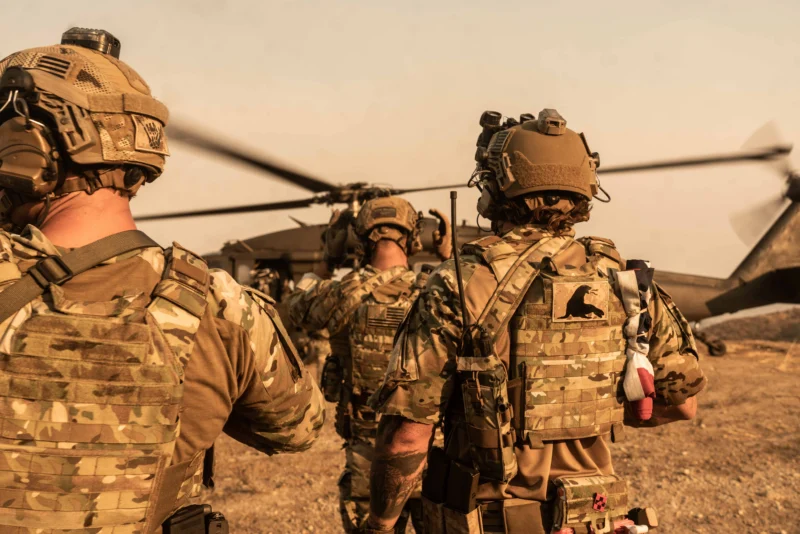
A plate carrier is only as effective as its setup. An incorrectly fitted carrier with poorly positioned pouches and misaligned plates creates coverage gaps, slows access to critical gear, and degrades performance under stress. Whether you are building out a patrol kit, preparing a duty loadout, or setting up a training rig, this guide walks through the setup process the right way, from fitting the carrier to final load configuration.
Step 1: Select the Right Carrier for Your Role
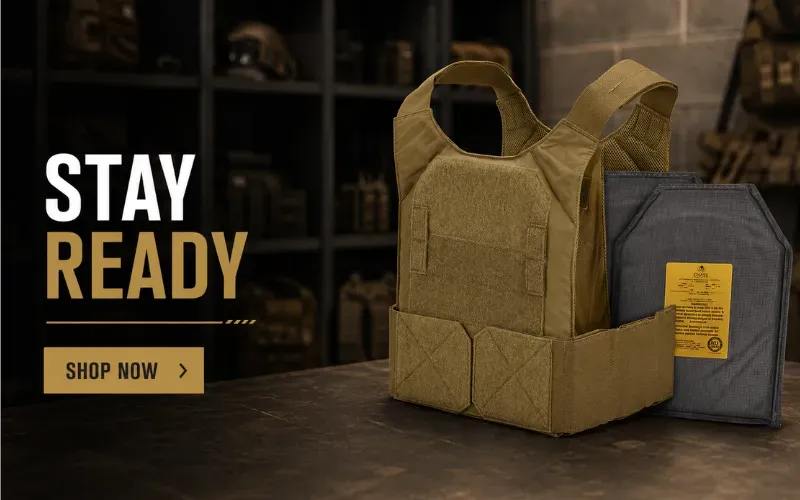
Before you configure anything, you need the right platform. Plate carriers are not universal. Key variables include the plate pocket size, cummerbund system, MOLLE real estate, and quick-release capability.
Plate Pocket Sizing
Most operational plate carriers accept 10×12-inch plates, which is the standard SAPI/ESAPI size. Some carriers also accommodate 9×12 or 11×14 plates, depending on body size. Confirm your plate dimensions before selecting a carrier, as a plate that does not fit the pocket correctly will shift under movement and fail to cover the correct zones.
Cummerbund System
A MOLLE-compatible cummerbund extends side coverage and provides attachment points for side plates and pouches. A quick-release cummerbund allows rapid shedding of the carrier in a medical emergency or extrication scenario. For operational deployments, a quick-release system is recommended.
Quick-Release Capability
Full quick-release plate carriers allow the entire carrier to be shed with a single pull. This is critical for any role where the carrier may need to be removed rapidly, including medical emergencies, water operations, or vehicle extrications.
For guidance on how your carrier integrates into a full kit, see the Complete Tactical Loadout guide.
Step 2: Select and Insert Your Plates
Your plates determine your protection level. Get this wrong, and the rest of your setup does not matter.
Level III vs Level IV
Level III plates are rated to stop 7.62x51mm NATO and 5.56x45mm rifle rounds at standard velocities. Level IV plates are rated to stop armor-piercing .30 caliber M2 AP rounds. For law enforcement patrol and standard military use, Level III is the most common choice. For high-threat environments involving armor-piercing rifle fire, Level IV is required.
For a full comparison of armor protection levels, see the Level IIIA vs Level III Body Armor breakdown and the Chase Tactical Body Armor Levels reference page.
Plate Orientation
Hard plates have a shooter’s cut or swimmer’s cut on the upper corners. The cut corners go toward the shoulder, not downward. This is one of the most common setup errors. The flat-bottom edge sits at approximately the navel level, and the plate should cover the heart, lungs, and upper abdominal organs.
Soft Armor Backing
Many operators run soft armor backer panels behind their hard plates for additional fragmentation and multi-hit protection. This layering strategy is covered in detail in “Can You Wear Soft Armor With Hard Plates?” guide.
Step 3: Fit the Carrier to Your Body
A plate carrier that does not fit correctly will shift under movement, create coverage gaps, and cause fatigue. Fit before you configure your loadout.
Height Adjustment
Put the carrier on and adjust the shoulder straps so the top of the front plate is just below the sternal notch (the V at the base of your throat). The plate should cover from just below the collarbone to approximately the navel. If the plate rides too high, it will restrict neck movement. If it rides too low, it will not cover the lungs and upper abdomen.
Cummerbund Tension
The cummerbund should be snug enough that the carrier does not shift when you run, drop to prone, or rotate your torso. It should not compress your breathing or restrict your draw stroke. Test mobility by performing a deep squat, a lateral lunge, and a 360-degree shoulder rotation before locking in the adjustment.
Shoulder Strap Width
Narrow shoulder straps on poorly fitted carriers will dig into the trapezius under sustained wear. Wider straps distribute weight better. Adjust so the strap sits over the mid-shoulder, not at the neck or on the outer deltoid.
Sanity Check Under Movement
Once adjusted, perform 10 jumping jacks. The carrier should not move more than half an inch in any direction. If it shifts significantly, tighten the cummerbund or adjust the shoulder straps. A carrier that moves under movement is a carrier that will expose gaps under stress.
For conditioning guidance to maintain performance in full kit, see the Tactical Strength and Endurance training article and How to Build Functional Strength for Tactical Use.
Step 4: Configure Your MOLLE Loadout
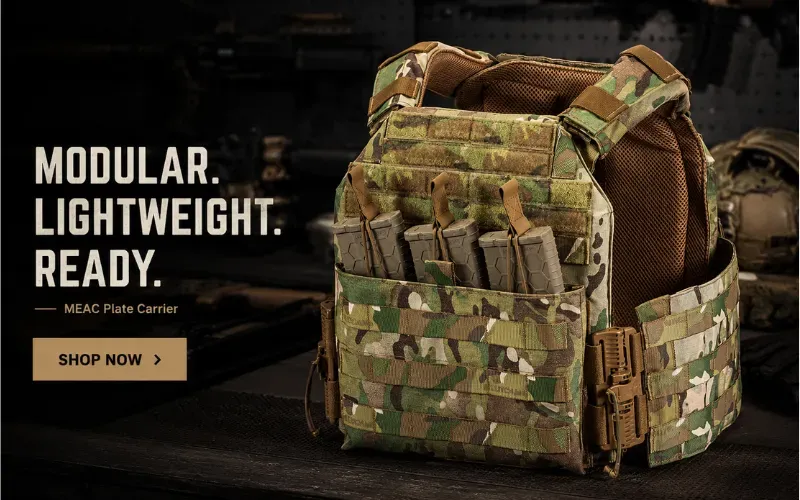
MOLLE (Modular Lightweight Load-carrying Equipment) is the webbing system that allows you to attach pouches, accessories, and equipment to the carrier. Correct MOLLE configuration is what separates a functional operational kit from a gear display.
The Core Principle: Zoning
Divide your carrier into zones based on access priority. High-priority items go where you can reach them fastest with your dominant or non-dominant hand. Secondary items go where they are accessible but do not interfere with primary draws. Weight should be distributed evenly, left to right, to avoid uneven fatigue and posture issues over long operations.
Front Panel Configuration
The front panel is your primary access zone. Standard front panel configurations for law enforcement and military personnel include:
- Magazine pouches in the center or offset toward the dominant-hand side for fastest reload
- A tourniquet pouch at the upper chest or on the cummerbund, where it can be accessed with either hand
- A radio or communications pouch on the non-dominant side if not running a separate radio harness
Cummerbund Configuration
The cummerbund is the most underutilized MOLLE real estate on most carriers. Use it for items you need one-handed access to, such as medical supplies, a backup magazine, or a dump pouch. For IFAK placement, see the IFAK contents and setup guide for guidance on what to carry and where to mount it.
Back Panel Configuration
The back panel is for the secondary gear that does not need immediate access. Hydration reservoir compatibility, admin pouches, and additional ammunition storage are common back panel configurations. Avoid mounting heavy items on the back panel if you will be spending extended time in a vehicle, as back-panel gear will force you forward in the seat and fatigue your lower back.
Weight Distribution Rule
Total loaded carrier weight during extended operations should not exceed 25-30 percent of the operator’s body weight. Beyond this threshold, fatigue, movement degradation, and injury risk increase significantly. Prioritize what goes on the carrier. Everything that can go on a belt or chest rig without compromising access should be evaluated for relocation.
For chest rig integration as a complement or alternative to a plate carrier, see the Chest Rig buying guide.
Step 5: Set Up Your Medical Access
Every operational plate carrier setup should include access to trauma medical care. This is not optional.
At minimum, a tourniquet mounted for one-handed access and a dedicated IFAK pouch should be on the carrier or immediately accessible. The tourniquet should be mounted where the operator can reach it with either hand without removing the carrier or significantly adjusting their grip.
Chase Tactical carries a full line of medical kits and IFAK pouches designed for carrier-mounted deployment. For a complete breakdown of what belongs in an IFAK, see the IFAK contents checklist.
Step 6: Test Under Stress Before Deployment
A plate carrier setup that works at the range may fail in a dynamic scenario. Before any operational deployment, test your configuration under realistic conditions.
Gear Access Test
Without looking, reach for each piece of gear on your carrier in sequence. If you cannot consistently access what you need under stress, reposition it. Muscle memory for gear access is built through repetition. Your setup needs to be consistent every time you put the carrier on.
Transition Test
Run a loaded carrier while transitioning between positions (standing to kneeling, kneeling to prone, prone to standing). Check for MOLLE attachments that snag, straps that loosen, or pouches that shift. Adjust before deploying.
Draw and Reload Test
If you are running a holster on a plate carrier or cummerbund, test your draw and reholster at full speed in all positions. Carrier-mounted holsters require adjustment compared to belt holsters due to the changed angle and position.
Common Setup Mistakes to Avoid
Running plates upside down. The cut corners go up toward the shoulder. This is the single most common error in first-time carrier setups.
Over-packing the carrier. More gear is not better gear. An overloaded carrier degrades mobility, increases fatigue, and creates more surfaces to snag. Build your loadout around the mission, not around filling available MOLLE.
Ignoring the cummerbund adjustment. Most operators adjust the shoulders and leave the cummerbund as-is. The cummerbund is what keeps the carrier stable under movement. It needs to be adjusted whenever body composition or base-layer thickness changes.
No medical on the carrier. A carrier without accessible medical is incomplete. Mount a tourniquet within reach of both hands, and carry a functional IFAK.
Skipping the stress test. Gear setups that are never tested under movement and stress will fail when it matters most. Train in your configuration before you operate in it.
Build Your Operational Kit With Chase Tactical
Chase Tactical plate carriers are MOLLE-compatible, built to MIL-SPEC standards, and designed for operators who need gear that performs in the field, not just on the range. Pair your carrier with the right plates, pouches, and medical to build a complete, mission-ready kit.
Frequently Asked Questions
Where should plates sit on a plate carrier?
The top of the front plate should sit just below the sternal notch, covering the heart, lungs, and upper abdominal organs. The cut corners face up toward the shoulders.
How tight should a plate carrier be?
Tight enough that it does not shift during running or dynamic movement, but not so tight that it restricts breathing or your draw stroke. Test by performing jumping jacks and deep squats after adjustment.
What is the correct MOLLE pouch placement for magazines?
Magazine pouches should be positioned where your dominant or non-dominant hand can access them without crossing your body. The center chest or an offset to the dominant side are both common and proven placements.
Should I run a tourniquet on my carrier?
Yes, always. A tourniquet mounted for one-handed access is a minimum medical requirement for any operational plate carrier setup. Mount it where both hands can reach it independently.
How do I know if my carrier fits correctly?
The front plate should cover from just below the collarbone to approximately the navel. The cummerbund should allow full breathing and a complete shoulder rotation. The carrier should not shift more than half an inch in any direction during movement.