








Ballistic Plate Basics for Beginners

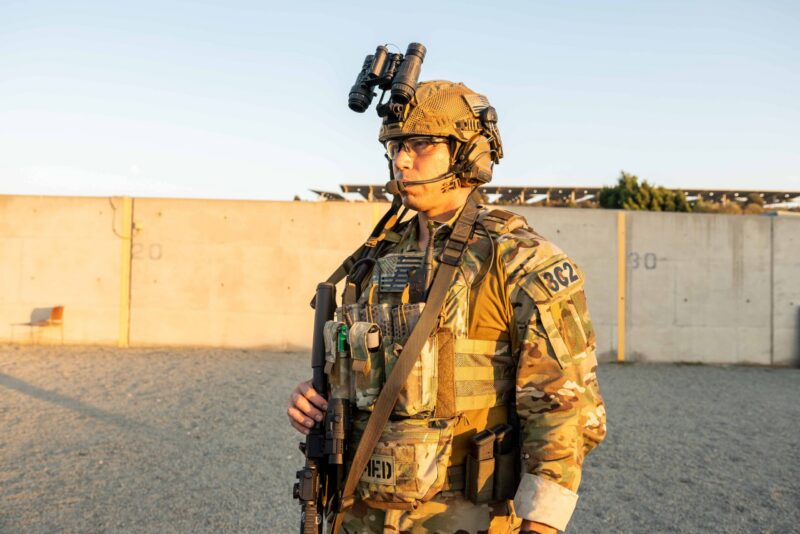
Understanding ballistic plates is essential for anyone seeking effective personal protection. These plates are the backbone of body armor, defending against threats ranging from handgun rounds to armor-piercing rifle fire. With options spanning ceramic, steel, and polyethylene, each material offers distinct advantages. Browse Chase Tactical’s full ballistic plates collection to compare options side by side, and read on to understand what makes each type the right fit for different needs.
Not sure which plate is right for you? Browse Chase Tactical’s full ballistic plates collection to compare ceramic, steel, and polyethylene options side by side.
Types of Ballistic Plates
Ballistic plates come in four primary types, each designed to balance protection, weight, and cost differently.
Steel plates are durable, affordable, and able to withstand multiple hits, but they are heavier than other options and may spall on impact.
Polyethylene plates, made from Ultra High Molecular Weight Polyethylene (UHMWPE), are roughly 50% lighter than steel. They absorb energy effectively without requiring a backing layer, making them a strong choice for operators prioritizing mobility.
SAPI plates are a lighter, cost-effective option designed for standard threat levels, originally developed for NIJ Level III-A protection.
ESAPI plates combine ceramic and polyethylene to deliver superior protection against high-velocity rounds, though the added protection comes at the cost of increased weight.
Ceramic Plate Characteristics
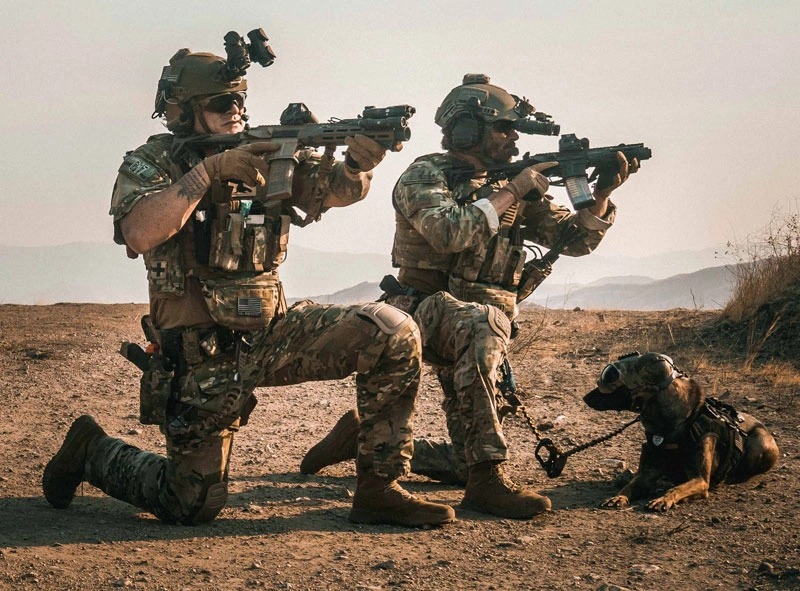
Ceramic plates are engineered around one core principle: stopping a bullet by destroying it. When a projectile strikes the plate, the ceramic surface shatters, forcing the bullet to rapidly shed its energy through fragmentation. Hard ceramic materials like boron carbide and silicon carbide, with Knoop hardnesses of 2,800 kg/mm², erode the bullet core, breaking it into fragments that can no longer penetrate. This entire process occurs in microseconds.
A backing layer, typically UHMWPE, absorbs residual energy after the ceramic fractures. The stiffness of this backing influences the dwell phase of impact, which lasts between 2–12 microseconds.
The primary trade-off with ceramic is durability — these plates are single-hit-capable. Once struck, the ceramic shatters, and the plate must be replaced. Despite this limitation, ceramic plates typically weigh 6–8 lbs, making them significantly lighter than steel alternatives, and they offer effective protection against threats like the .30-06 AP round. Shooter’s cut designs further enhance mobility for active use. The Chase Tactical SP8 Level IV RF3 is a strong example of a modern ceramic plate that meets rigorous NIJ standards.
Steel Plate Attributes
Steel plates remain a dependable choice for operators who prioritize durability and cost-effectiveness. Common grades like AR500 and AR600 feature a hardness range of 460–550 BHN, providing reliable stopping power against high-caliber threats, including .30-06 M2 AP rounds.
Level III steel plates weigh approximately 8.7 lbs, though AR600 variants can run about 25% lighter. Their standout advantages include water and heat resistance, a 20-year shelf life, and consistent multi-hit capability — all without structural compromise. For a direct comparison of how steel stacks up against ceramic, see our ceramic vs. steel plates guide.
Polyethylene Plate Features
Polyethylene plates are the go-to option for operators who need serious protection without the weight penalty. The Predator Armor Level III plate, for example, weighs just 3.3 lbs — roughly half the weight of comparable steel or ceramic plates. Some ultra-lightweight PE options, like the Agile PE plate, weigh as little as 1.2 lbs at 10×12, with a slim 7mm profile.
When a bullet strikes a polyethylene plate, the UHMWPE fibers partially melt to absorb the projectile, then reharden to stop penetration. This process distributes energy throughout the plate’s layered fiber structure, allowing it to withstand multiple hits while maintaining structural integrity — a significant advantage over ceramics.
Beyond performance, polyethylene plates are non-corrosive and built for tough environments. Their moisture and saltwater resistance make them well-suited for maritime operations, while their resistance to extreme temperatures and environmental degradation ensures reliability in the field. A polyurea protective coating further guards against drops and tactical wear. With a 10-year service life, they also offer long-term cost efficiency.
Understanding Protection Levels
The National Institute of Justice (NIJ) Standard 0101.06 defines five protection levels, each designed for specific threat categories.
Levels IIA, II, and IIIA use soft armor and are designed to stop handgun rounds. Level IIA is optimized for covert wear; Level II offers medium protection; Level IIIA, the most common choice for law enforcement, stops .357 SIG and .44 Magnum rounds, and is the highest soft armor rating available.
Moving into hard armor, Level III stops 7.62mm FMJ lead-core rifle rounds and offers a versatile, cost-effective option for rifle threat environments. The Chase Tactical 3S9 Level III++/RF2 Rifle Plate is an NIJ-certified option built for dependable Level III performance. Level IV is the highest-rated standard, capable of stopping .30-06 armor-piercing rounds and typically constructed using ceramic and polyethylene composites. For a full breakdown of what each level covers, see our Level III and Level IV body armor guide.
Composite Material Combinations
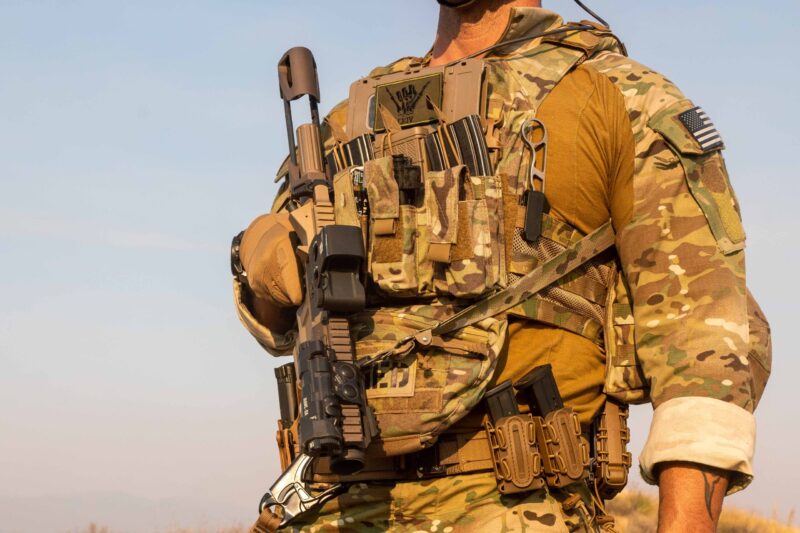
Advanced armor systems increasingly rely on composite materials that combine multiple materials to optimize performance.
Ceramic-titanium composites use a graded structure to blunt and fracture projectiles on impact. The design merges the ballistic hardness of ceramics with the structural toughness of titanium, improving penetration resistance without concerns about chemical reactivity.
Silicon carbide (SiC) composites rival boron carbide in performance, particularly against steel-core threats. SiC is lighter and delivers better multi-hit performance, making it a strong contender in modern plate design.
Boron carbide cermets — combining B4C, SiC, and silicon — provide robust protection and have significantly enhanced armor performance in military applications, though they carry a weight penalty compared to pure SiC options.
Backing Layer Options
The backing layer behind a ballistic plate plays a critical role in overall protection by absorbing residual energy and capturing debris after the primary plate material is struck.
E-Glass fiber offers tough debris capture and effective kinetic energy absorption. S-Glass fiber is slightly lighter and provides good energy absorption in multilayer configurations. Aramid fiber (Kevlar) provides flexible energy absorption and is commonly used in SAPI and ESAPI plate systems. UHMWPE fiber (Dyneema) is the lightest option available, offering outstanding strength-to-weight performance, though it is heat-sensitive. Foam and rubber backers add comfort, reduce blunt trauma, and improve wearability for extended use. Fiberglass is a more affordable option that pairs well with alumina for budget-conscious Level IV builds.
Plate Sizing and Shapes
Proper plate sizing ensures full coverage without limiting movement. To find your ideal height, measure from the notch at your collarbone to the bottom of your rib cage, then add 2–4 inches. For width, measure nipple to nipple. Standard plate sizes include 8×10, 10×12, and 11×14 inches — when between sizes, choose the closest option for the best fit.
Shape selection involves a similar tradeoff between coverage and mobility. Full cut plates maximize surface protection. Shooter’s cut plates balance coverage with arm movement, making them the most popular choice for active operators. SAPI and ESAPI plates share similar dimensions, with ESAPI plates running heavier due to their enhanced material construction. Pair your plates with a compatible plate carrier to ensure proper fit and retention.
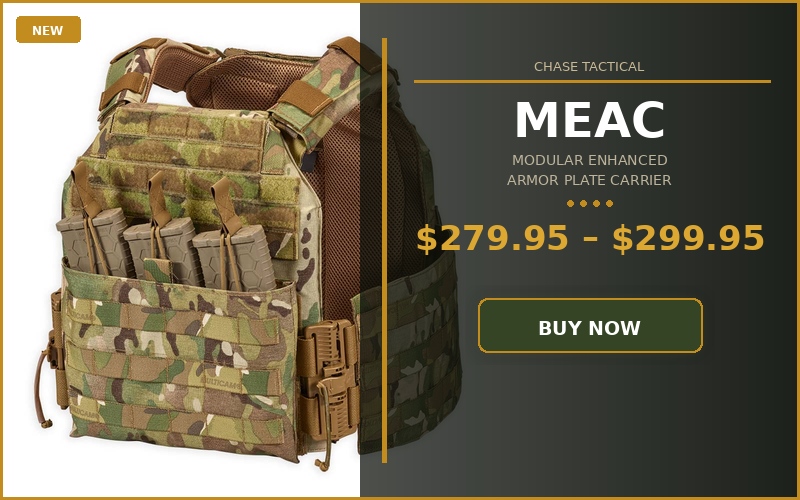
Plates are only half the system. The Chase Tactical MEAC is a lightweight modular plate carrier compatible with any hard armor plates and soft armor backers — built to pair with the plates covered in this guide.
Considerations for Plate Selection
Choosing the right ballistic plate comes down to matching your specific operational needs against the available options.
Start with the protection level. Level III handles the majority of rifle threats; Level IV is required for armor-piercing rounds. Next, decide between stand-alone plates — which function independently — and ICW (in conjunction with) plates, which require a soft armor backer to perform correctly.
Material choice affects both weight and long-term durability. Steel offers the longest service life; ceramic delivers lightweight high-velocity protection; polyethylene provides the best combination of low weight and multi-hit resistance. For extended wear, the weight difference between materials can meaningfully impact fatigue and performance.
Finally, account for edge protection, environmental resistance, and warranty terms when comparing manufacturers. Cost should be weighed against lifespan and performance, not used as the primary selection factor. The NIJ Compliant Products List is a reliable resource for verifying that any plate you consider meets certified performance standards.
Conclusion
Ballistic plates are not a one-size-fits-all solution. Ceramic delivers lightweight, high-velocity defense; steel offers unmatched durability and multi-hit capability; polyethylene strikes the balance between mobility and resilience. Understanding protection levels, material tradeoffs, backing layers, and proper sizing gives you the foundation to select armor that genuinely fits your needs — not just on paper, but in the field.
Frequently Asked Questions
How should I store ballistic plates when not in use?
Store plates flat or on edge in a cool, dry place away from direct sunlight and chemicals. Use protective covers, ensure ventilation, and inspect them regularly. Avoid placing heavy objects on top of them.
Can ballistic plates be reused after taking a hit?
No. Ballistic plates — especially ceramic — must be replaced after any impact. Even if there is no visible damage, the plate’s structural integrity may be compromised, significantly reducing its protective capability.
What is the lifespan of a ballistic plate?
Steel plates last 10–20 years with proper care. Ceramic and composite plates typically have a service life of 5–10 years. Soft armor materials generally need to be replaced after 5 years. Storage conditions and handling significantly influence longevity.
How do environmental conditions affect performance?
Extreme temperatures, humidity, and UV exposure can degrade plate materials over time. Properly storing plates and avoiding prolonged exposure to harsh conditions are the most effective ways to maintain their protective capabilities.