








Can You Wear Soft Armor With Hard Plates?

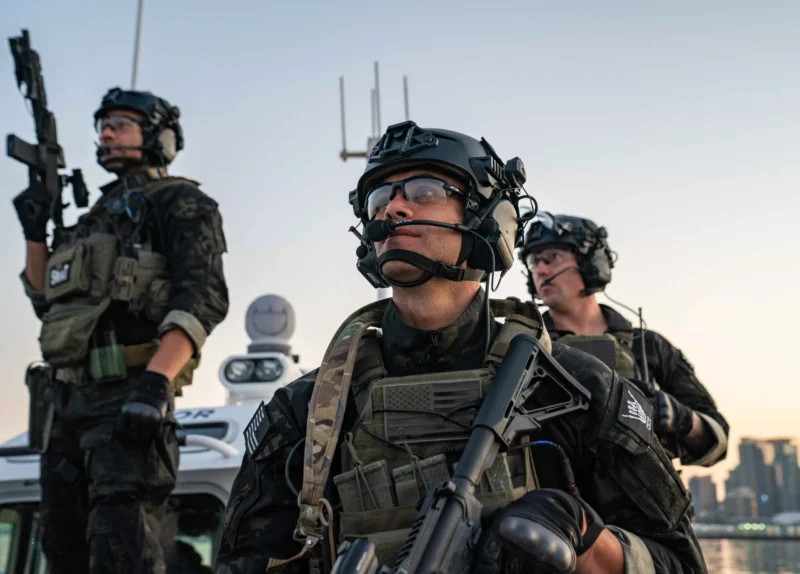
Yes, wearing soft armor with hard plates is not only possible, but it’s also one of the most effective ways to build a complete ballistic protection system. Soft armor handles handgun threats with flexibility and comfort, while hard plates stop high-velocity rifle rounds that soft armor alone cannot. Together, they create a layered defense that covers a broader spectrum of threats without forcing you to choose between mobility and protection.
This guide covers everything you need to know: compatibility, protection levels, layering techniques, weight management, durability, and how to make the right call for your situation. If you’re specifically looking to pair Level 3 plates with soft body armor, that guide goes into greater detail on material selection and carrier compatibility for that exact configuration.
Compatibility of Soft Armor and Hard Plates
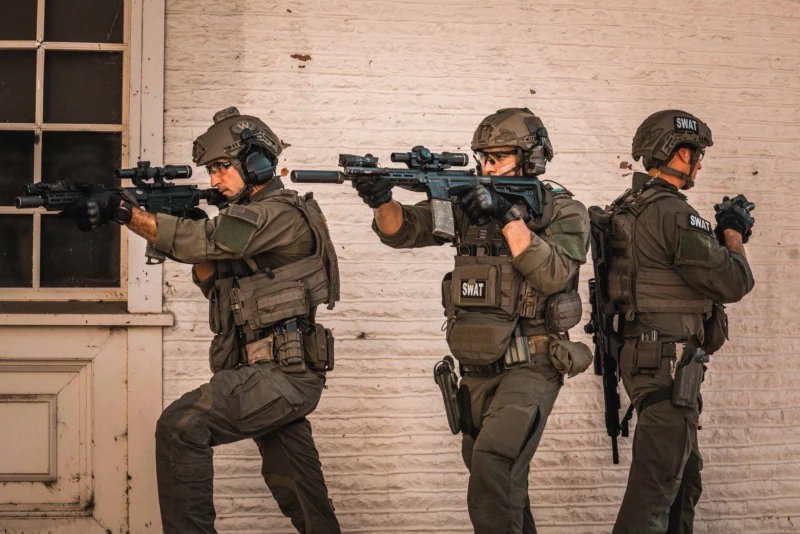
The first question most people ask is whether the two types actually work together inside a single carrier. The answer is yes when the right components are selected.
Soft body armor, typically rated at Level IIIA, is designed to defeat handgun threats, including 9mm, .40 S&W, and .44 Magnum rounds. Hard armor plates rated at Level III or IV are built to stop high-velocity rifle rounds such as the 7.62×51mm NATO. Each type addresses a different threat category, which is exactly why combining them makes tactical sense.
Modern plate carriers are designed with dedicated pockets and inner compartments that accommodate both soft armor panels and hard plates simultaneously. This allows you to configure a soft-only patrol setup for lower-threat environments and quickly transition to a full hard plate loadout when the situation demands it.
Understanding Protection Levels
Handgun vs. Rifle Defense
Choosing the right protection level starts with understanding what each type of armor is rated to stop. Soft armor vests rated at Level IIIA are effective against pistol calibers such as 9mm, .45 ACP, and .357 SIG, as well as similar rounds. They are lighter, more flexible, and offer greater comfort for extended wear, making them ideal for patrol duties, plainclothes operations, and everyday carry scenarios where handgun threats are the primary concern.
Hard armor plates are required when rifle threats are present. Level III plates stop high-velocity rounds, including 5.56mm NATO and 7.62mm FMJ. For a detailed breakdown of how these levels compare, see Chase Tactical’s guide on Level III vs. Level IV body armor. If armor-piercing rounds are a concern, Level IV plates, which are tested against .30-06 M2 AP, are the appropriate choice.
Selecting the wrong level for your threat environment is the most common mistake operators make. Soft armor alone will not stop rifle rounds. Hard plates alone leave your sides, lower ribs, and armpits exposed. The layered approach addresses both gaps.
Layering for Enhanced Protection
Combining soft and hard armor creates a multi-layered defense that maximizes both threat resistance and coverage area. Here is how the system works:
- Placement: Soft armor panels sit beneath the hard plates inside the plate carrier, extending protection to the sides, lower ribs, and armpits. Panels should lie flat and smooth against the body for balanced, consistent coverage.
- Material composition: Soft armor made from aramid fibers such as Kevlar or UHMWPE complements the ceramic, steel, or composite construction of hard plates, balancing flexibility with rigid ballistic resistance.
- Energy dissipation: Soft armor absorbs bullet impact energy and reduces backface deformation, while hard plates defeat high-velocity rounds outright. Together, they minimize blunt-force trauma to the torso.
- Coverage optimization: Multi-curve plate carriers with full-wrap cummerbunds extend side and back protection while maintaining mobility.
The National Institute of Justice (NIJ) establishes the ballistic resistance standards that both soft and hard armor must meet. Always verify that your armor components carry a current NIJ certification before purchase.
Build Your Layered Protection System
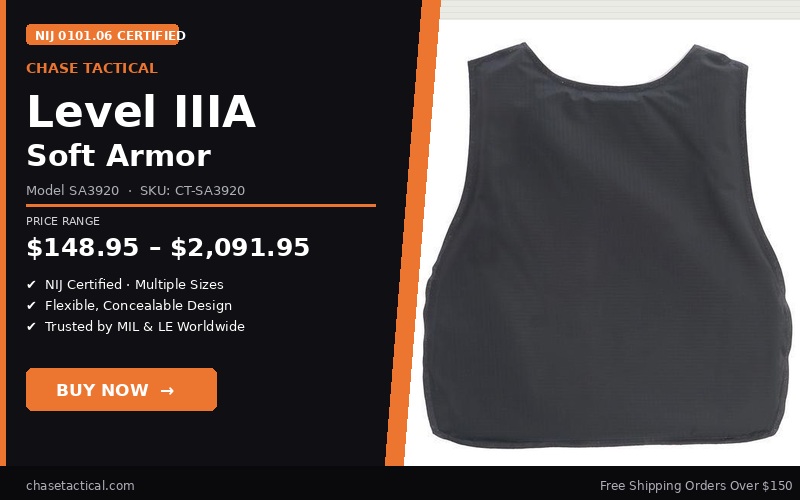
Chase Tactical’s NIJ-certified Level IIIA soft armor is designed to pair seamlessly with hard plates inside any compatible plate carrier — built in the USA and trusted by the U.S. DoD, federal agencies, and law enforcement worldwide.
Techniques for Layering Armor
Getting the physical setup right is just as important as choosing the right components. Follow these steps for a secure, properly configured layered system:
- Check carrier compatibility. Confirm your plate carrier has inner compartments or sleeves that accept both soft armor panels and hard plates. Not all carriers support both simultaneously.
- Install soft armor first. Slide soft armor panels into the inner compartments flat and wrinkle-free. Wrinkles reduce ballistic performance and create pressure points.
- Insert hard plates on top. Slide hard plates fully into their designated pockets over the soft armor. Shake the carrier gently to confirm everything moves as one unified piece without shifting.
- Secure the cummerbund. Attach using a firm, snug pattern that allows breathing without gap. Side panels should wrap around the torso to close coverage gaps at the flanks.
- Position for organ coverage. The front plate should ride high on the chest, covering the heart and vital organs. The back plate should align with the front at the same height. Side panels wrap around from the armpits to the lower ribs.
For a full walkthrough of proper fit and positioning, see Chase Tactical’s guide on how to wear a plate carrier.
Balancing Weight and Comfort
Flexible Layering Options
A layered system adds weight, but it can be managed effectively with the right approach:
- Place soft armor into the plate carrier’s inner compartments for side, lower rib, and armpit coverage without adding external bulk.
- Install soft armor smoothly first, then layer hard plates on top for a clean, gap-free fit.
- Use MOLLE/PALS webbing to secure soft armor panels to the cummerbund so they don’t shift during movement.
- Clip-in panel systems allow fast insertion or removal of soft armor as the threat level changes.
Mobility vs. Protection
Hybrid protection systems require you to make a deliberate trade-off. Soft armor alone is lighter and more flexible, ideal for routine patrol or extended wear. Hard plates add significant weight and restrict the range of motion to varying degrees, which is why they are typically reserved for high-threat operations rather than worn all day.
A balanced approach means wearing soft armor as your daily baseline and adding hard plates when the operational threat level requires it. This preserves your mobility and endurance during lower-risk tasks while keeping you prepared to rapidly escalate your protection. Understanding different types of body armor and how they interact will help you make that call confidently.
Weight Distribution Strategies
Proper weight distribution reduces fatigue and keeps protection in the right place:
- Balance weight evenly across the carrier front and back. A slightly heavier back plate helps offset front-mounted gear.
- Align the top edge of the front plate with your suprasternal notch and position the back plate between your shoulder blades.
- Tighten side straps and cummerbunds firmly enough to prevent shifting, but not so tight that breathing is restricted.
- A hydration bladder or tactical backpack mounted to the rear helps distribute the total load more ergonomically during extended operations.
Hard Plates That Work With Your Soft Armor
Chase Tactical’s Level III and Level IV hard armor plates are NIJ-certified, made in the USA, and engineered to integrate seamlessly with soft armor inside any compatible plate carrier giving you the complete layered system operators rely on in the field.

Assessing Durability and Lifespan
Understanding how long each component lasts helps you maintain your protection system and plan for replacement before performance degrades.
- Soft armor (aramid/UHMWPE): Typically rated for approximately five years under normal use. UV radiation, high humidity, and extreme temperatures weaken ballistic fibers over time. Store in a cool, dry location away from direct sunlight.
- Ceramic plates: Lifespan of approximately 5–7 years. Ceramic is vulnerable to cracking from drops and impacts, even when no ballistic event has occurred. Inspect regularly for hairline fractures that may not be visible externally.
- Steel plates: Can last up to 20 years when the anti-spall coating remains intact. Inspect the coating regularly and replace it if compromised.
- Composite plates: Generally, 5–10 years depending on use and storage conditions. Handle carefully and follow manufacturer guidelines strictly.
Inspect all armor components before each use. Look for fraying, tears, punctures, or visible deformation on soft armor; check hard plates for cracks, dents, and coating damage. Replace any component that has stopped a round ballistic performance after a hit cannot be assumed. The American College of Preventive Medicine recommends that occupational protective equipment be reviewed on a structured maintenance schedule to ensure continued effectiveness.
Weighing the Pros and Cons
Understanding the full picture before committing to a layered system helps you configure it correctly for your role:
Protection: Layering soft armor with hard plates provides comprehensive coverage against both handgun and rifle threats. Soft armor also enhances Level IV ICW (in conjunction with) plates by providing the required soft armor backer for their rated performance.
Weight: Soft armor adds less weight than steel plates and is manageable for extended wear when configured correctly. The combined system is heavier than either component alone. Factor this into your operational planning.
Mobility: Soft armor increases flexibility around the rigid hard-plate zones, but the overall system restricts mobility compared to wearing soft armor only. This is an acceptable trade-off when rifle threats are present.
Comfort: Soft armor conforms to the body’s contours, reducing pressure points around hard plate edges. Heat retention and added bulk may affect comfort during long operations in warm environments. Ventilated plate carriers with spacer-mesh liners mitigate this.
Conclusion
Wearing soft armor with hard plates is not only possible for operators in mixed-threat environments but also the most comprehensive protection strategy available. Soft armor covers handgun threats and extends coverage to areas hard plates alone cannot reach. Hard plates stop rifle rounds that soft armor cannot defeat. Together, they create a system greater than the sum of its parts.
The key is selecting NIJ-certified components that are compatible with your plate carrier, layering them correctly, and maintaining both on a consistent inspection schedule. Get the configuration right, and your gear works as a unified system exactly as it should.
Frequently Asked Questions
Can soft armor panels be custom-fitted to different body types?
Yes. Manufacturers produce soft armor in multiple cut sizes and shapes. Providing your measurements allows for a precise fit that moves with your body without shifting or creating gaps.
How do soft armor panels affect temperature regulation in hot climates?
Soft armor adds insulation and reduces airflow against the body, increasing heat retention. Use plate carriers with ventilated spacer mesh liners and moisture-wicking base layers to manage heat during prolonged wear in warm environments.
What are the maintenance tips for extending the lifespan of soft armor?
Inspect regularly for damage or deformation. Store in a cool, dry location away from direct sunlight, heat, and moisture. Do not compress or fold ballistic panels. Hand-wash with mild soap and cool water if needed, and air-dry completely before storage. Never machine wash or dry clean.
How does the cost compare between layered and standalone armor systems?
Standalone systems generally carry a lower upfront cost. Layered systems require purchasing both soft armor panels and hard plates, as well as a compatible plate carrier, thereby increasing the initial investment. However, layered systems offer significantly broader threat coverage and can reduce long-term costs by allowing you to upgrade individual components rather than replacing the entire system.
How should hydration be managed when wearing a combined armor system?
A layered system increases overall body heat and exertion. Drink 14–22 oz of water in the two hours before donning your kit and 8–16 oz immediately before operations. During activity, consume 4–8 oz every 15–20 minutes. After removal, rehydrate at approximately 150% of fluid lost.