






Concealable Body Armor: A Complete Buying Guide

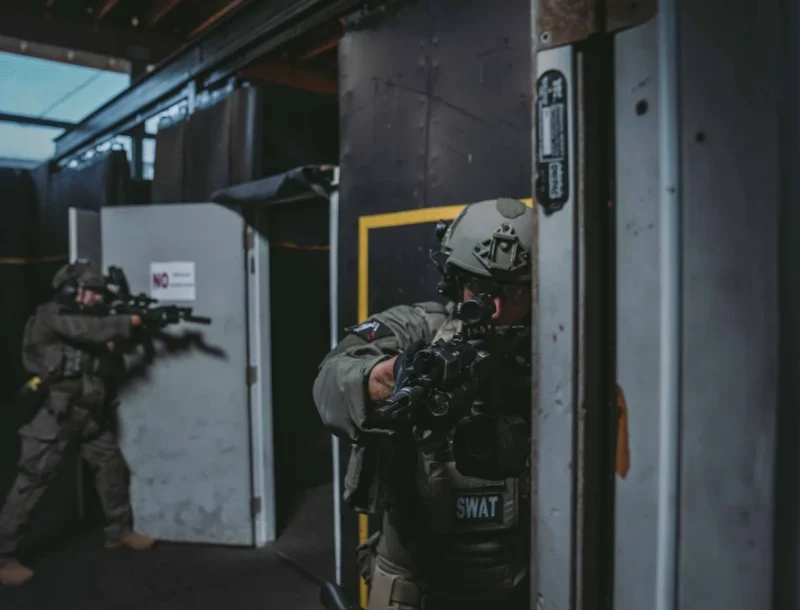
Concealable body armor is designed to provide ballistic protection without revealing that you are wearing it. For plainclothes law enforcement, detectives, security professionals, armed civilians, and anyone who needs protection while maintaining a low-profile appearance, concealable armor is a purpose-built solution that balances safety, comfort, and discretion.
Choosing the right concealable body armor requires understanding the key factors that determine whether a vest will actually stay hidden, remain comfortable enough to wear all day, and deliver the protection level your threat environment demands. This guide covers every factor you need to evaluate before making your purchase.
What Makes Body Armor Concealable?
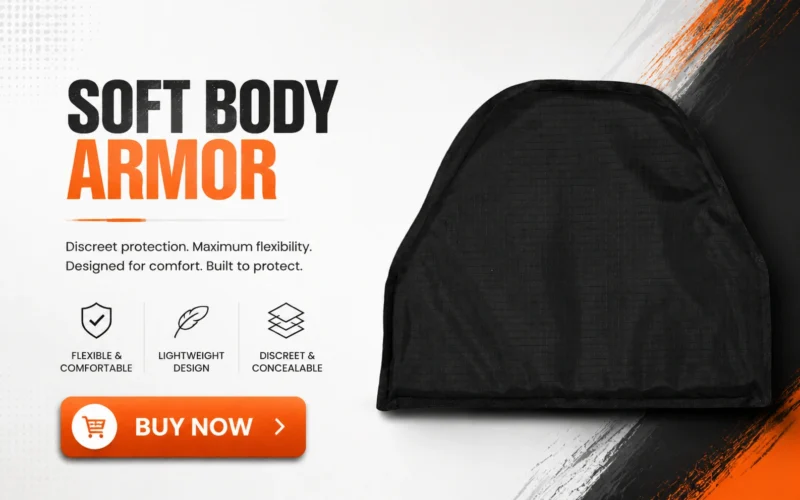
Not all soft body armor is designed for concealment. Concealability depends on several design and construction factors working together. Understanding each of these factors is the starting point for finding an armor system that truly disappears under your clothing.
Panel Thickness
The ballistic panels inside a concealable vest need to be thin enough that they do not create an obvious profile under a shirt or jacket. Modern para-aramid and UHMWPE panel designs have reduced thickness significantly compared to earlier armor generations without sacrificing protection. A thinner panel profile is one of the primary engineering goals in concealable armor design, and it directly affects how well the armor disappears under everyday clothing.
Carrier Design
The carrier, which is the fabric shell that holds the ballistic panels, determines how the armor conforms to the body. A well-designed concealable carrier uses moisture-wicking fabrics, a close-fitting cut that follows the body’s natural shape, and minimal bulk at the edges where the armor meets the torso. Carriers with heavy stitching, thick padding, or tactical webbing on the outer face are designed for overt wear, not concealment.
Panel Coverage Area
Concealable armor typically covers the front and back torso from the sternal notch to two inches above the navel. This coverage protects the vital organs while keeping the panels short enough that they do not print through clothing when the wearer sits, bends, or reaches. Side panels can be added for expanded coverage, but they add profile at the flanks where concealment is harder to maintain.
What Protection Level Should Concealable Armor Be?
For the vast majority of concealable armor applications, Level IIIA is the correct protection level. Level IIIA is the highest protection rating available in soft armor and stops .357 SIG and .44 Magnum rounds, covering virtually every common handgun threat. Because concealable armor is soft armor by definition, and because rifle-rated hard plates cannot be effectively concealed, Level IIIA represents the practical ceiling for discreet daily protection.
Some buyers consider Level II concealable armor as a thinner, lighter alternative for extremely hot climates or where maximum concealability is the priority. Level II stops .357 Magnum and 9mm rounds at specified velocities. The tradeoff is reduced protection against the most powerful handgun threats. For most law enforcement and professional security applications, Level IIIA is worth the additional profile and weight.
Review the full body armor protection levels guide to understand exactly what each NIJ level protects against before selecting a protection rating for your concealable vest.
Key Factors to Evaluate When Buying Concealable Armor
NIJ Certification
This is the non-negotiable starting point. Any concealable armor you purchase must carry current NIJ certification at your chosen protection level. The NIJ maintains a compliance testing program that independently verifies ballistic performance. Uncertified armor makes unverifiable claims about stopping bullets. For a product that exists to protect your life, independent third-party certification is not optional.
Chase Tactical’s soft body armor panels carry NIJ 0101.06 certification and undergo additional V50 testing and special threat assessments beyond the standard NIJ requirements, providing a verified performance record that goes beyond the baseline certification minimum.
Proper Sizing and Fit
Concealable armor only works if it fits correctly. A vest that is too large will shift, ride up, and create visible bulk under clothing. A vest that is too small will not adequately cover the vital organs. When sizing a concealable vest, the front panel should align with the sternal notch and extend approximately 2 inches above the navel. Side panels should overlap by at least one inch without creating a visible ridge under the clothing.
Always size your armor while wearing the clothing you intend to wear over it. The fit changes significantly between a dress shirt and a heavier outer layer, and getting fitted in the wrong garment results in a vest that either prints visibly or fails to provide adequate coverage.
Comfort and Moisture Management
If body armor is uncomfortable, it does not get worn. This is one of the most documented problems with officer armor compliance, and it applies equally to civilian users. Look for concealable carrier fabrics that wick moisture away from the skin, provide ventilation channels between the panel and the body, and use anti-microbial treatments to prevent odor buildup during extended wear.
A concealable vest worn for a full eight-hour shift in warm conditions accumulates significant heat and moisture against the torso. The right carrier fabric makes the difference between armor that gets put on every morning and armor that gets left in the car.
Washability
The carrier of a concealable vest needs to be washable separately from the ballistic panels. Most quality concealable armor systems use a removable-panel design that allows the carrier to be laundered regularly, while the panels are cleaned separately with a damp cloth. Always follow the manufacturer’s care instructions, as improper washing can damage both the carrier and the ballistic panels.
Concealable Armor for Different Roles
| Role | Recommended Level | Key Priority |
| Plainclothes detective | Level IIIA | Maximum concealment under civilian clothing |
| Uniformed patrol officer | Level IIIA | Full shift comfort and consistent wear compliance |
| Private security professional | Level IIIA or Level II | Professional appearance with reliable handgun protection |
| Armed civilian | Level IIIA | Discreet daily protection without tactical appearance |
| Executive protection | Level IIIA | Invisible profile under formal clothing |
Concealable Armor vs. Overt Armor: When to Choose Each
Concealable armor is the right choice when maintaining a civilian or professional appearance is operationally important. Plainclothes work, executive protection, and civilian daily carry all benefit from an armor system that does not signal that the wearer is armored.
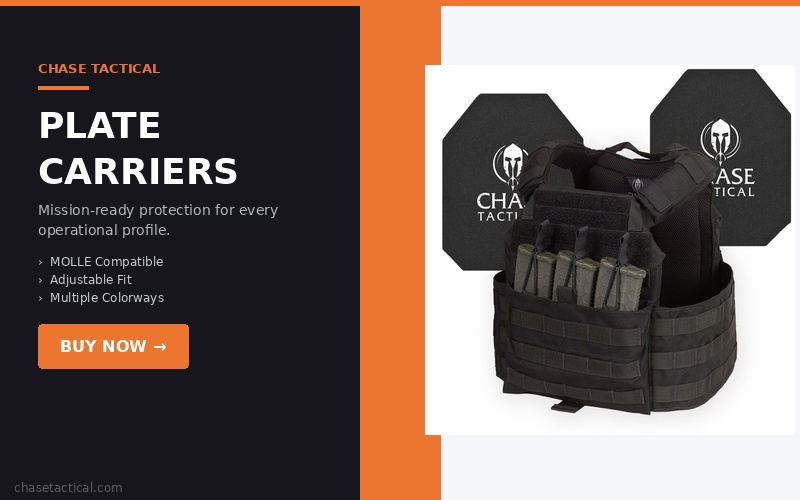
Overt armor in a plate carrier system is the right choice when maximum protection, tactical accessory mounting, and rapid identifiability as an officer or operator take priority over profile management. For high-threat operations, active shooter response, and any scenario where rifle threats are possible, a plate carrier system with hard plates outperforms any concealable vest.
Many professionals maintain both systems: a concealable Level IIIA vest for daily duty wear and a plate carrier with hard plates for tactical callouts and elevated-threat situations.
Tips for Concealing Body Armor Under Clothing
Even a well-designed concealable vest requires some adjustment to your clothing choices to stay truly hidden. The following tips help minimize visible printing in everyday wear.
Wear shirts one size larger than your normal fit. A properly sized shirt pulls tight across the vest at the shoulders and chest and gives away the outline immediately. One-size-up drapes naturally over the vest without revealing its edges. Choose fabrics with some weight and texture. Thin, tight fabrics like fitted t-shirts will outline a vest through the fabric. Heavier fabrics, such as dress shirts, polos, or lightweight jackets, break up the vest’s outline effectively.
Avoid tucked shirts if possible. A tucked shirt rides against the vest with every step, revealing the vest’s lower edge at the waist. An untucked shirt or a jacket eliminates this issue entirely and provides additional coverage at the sides and rear.
Conclusion
Concealable body armor delivers reliable NIJ-certified ballistic protection in a form designed for extended daily wear without revealing its presence. The right concealable vest combines Level IIIA protection, a properly fitted carrier with moisture management, and a low-profile panel design that stays hidden under everyday clothing. Verify NIJ certification, size the armor correctly, choose a carrier material built for full-day wear, and match the protection level to your actual threat environment. That combination gives you protection you will actually wear every day it counts.
Frequently Asked Questions
Can concealable body armor stop rifle rounds?
No. Concealable armor is soft armor and is not rated for rifle threats. The highest protection level available in a concealable soft armor format is Level IIIA, which covers handgun rounds. Stopping rifle rounds requires hard armor plates, which cannot be worn in a concealable configuration.
How long does concealable body armor last?
Most manufacturers specify a five-year service life for soft armor panels. The ballistic fibers can degrade over time, especially when exposed to moisture, heat, and repeated stress. Always replace armor at or before the manufacturer’s recommended replacement date, regardless of whether visible damage is present.
Can women wear the same concealable armor as men?
Standard concealable armor carriers are cut for male body shapes and do not provide the same fit or comfort for female wearers. Female-specific concealable armor carriers feature contoured cuts that follow a female torso shape, providing proper coverage and significantly better comfort and concealment for female officers and professionals.
Does concealable armor work under formal clothing?
Yes, with the right combination of armor thickness, carrier design, and clothing selection. Thin Level IIIA panels in a well-designed carrier can be worn under a dress shirt and jacket without creating visible outlines, especially when the jacket provides additional coverage over the torso. Executive protection professionals routinely wear concealable armor under formal attire.
Should I buy a concealable vest or a plate carrier?
The right choice depends on your threat environment and operational requirements. For daily wear in environments where handgun threats are the primary risk, a concealable soft armor vest is the practical choice. For operations where rifle threats are possible or where tactical gear is expected, a plate carrier with hard plates provides superior protection. Many professionals maintain both systems for different operational contexts.