






Trauma Pads Explained: Do They Work for Body Armor?

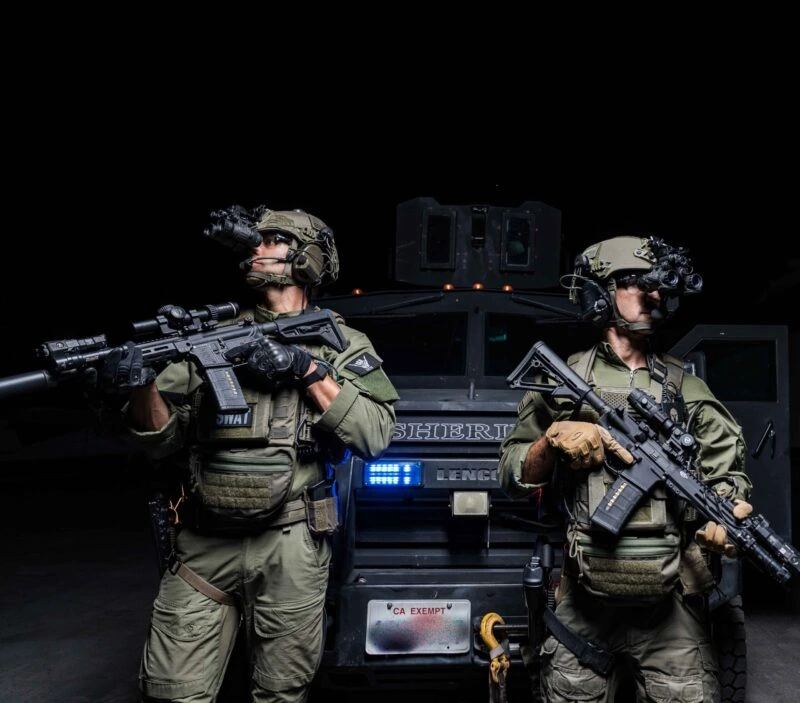
When it comes to protecting yourself, body armor can save lives. However, many people are unaware of an important addition that can enhance body armor protection: trauma pads. While body armor is designed to prevent the penetration of bullets, trauma pads help distribute the force of impact.
Do You Need a Trauma Pad in 2026?
Yes. Even when body armor stops a bullet, the impact energy transfers to your body and can cause broken ribs, internal bleeding, or organ damage. Trauma pads absorb and disperse that energy, reducing backface deformation (BFD) by several millimeters, which can be the difference between walking away and a hospital visit. They add no ballistic protection but significantly improve safety and comfort for anyone wearing hard or soft armor plates.
In this article, we’re going to describe what trauma pads are, how they function, the materials used in making them, their size and shape, and how effective they are in minimizing blunt-force trauma. Shop Chase Tactical Soft Trauma Armor Insert to your kit and reduce impact trauma with every move.
What is a Trauma Pad?
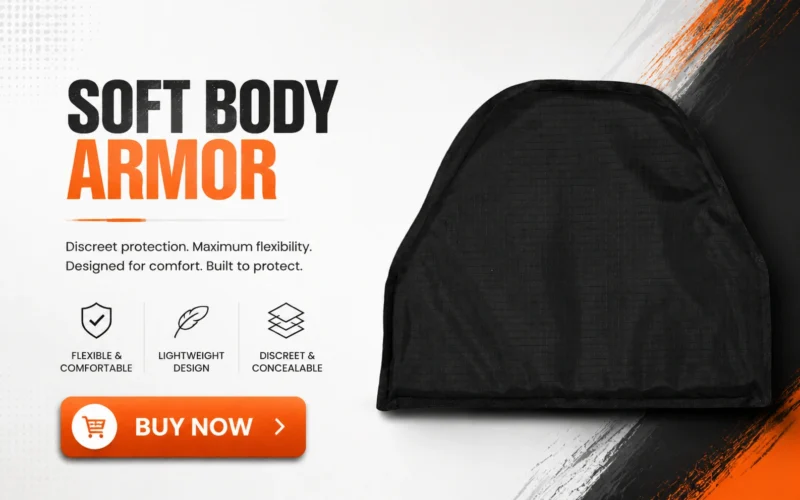
Trauma pads are inserts that accompany ballistic body armor to dampen the blunt force trauma inflicted by bullets or other projectiles. Even when a bullet fails to penetrate the armor, the energy can still cause severe injury. Trauma pads serve to cushion the impact.
They are typically inserted behind the ballistic plate or panel in a vest. They do not provide ballistic protection but are essential for reducing pain and impact-related injury.
The NIJ Standard: Why 44mm Matters
The NIJ backface deformation standard requires that for body armor to pass certification, it must stop the rated round and produce a backface deformation of no more than 44 mm, roughly 1.7 inches.
To put that in perspective: imagine a 1.7-inch dent being driven into your chest at the point of impact. At the NIJ limit, you survive, but you will likely experience cracked ribs, bruised lungs, or internal bleeding. A trauma pad reduces that BFD by several millimeters, significantly lowering injury risk.
| Scenario | BFD Result | Likely Injury |
| Armor alone (at NIJ limit) | Up to 44mm | Bruised/cracked ribs, potential internal bleeding |
| Armor + trauma pad | Reduced by several mm | Significantly lower injury risk |
| High-quality armor (well below limit) | ~20–30mm | Bruising, reduced rib risk |
Materials Used in Trauma Pads
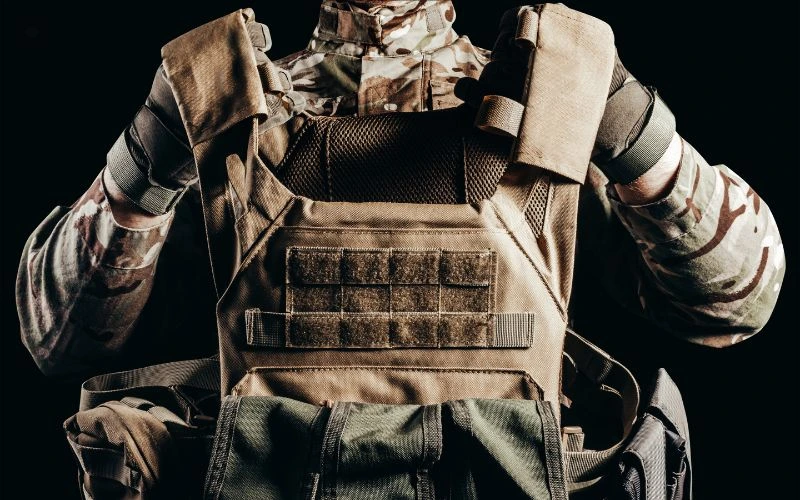
The material composition of trauma pads is important to understanding how they protect you. These materials are specifically selected for their energy-absorbing capacity and comfort-enhancing properties.
Our trauma pads are constructed using a unique mixture of para-aramid fibers. This material absorbs impact energy, which helps safeguard the wearer against backface deformation injuries. They are also comfortable without impact because their interfiber links build up soft foam padding. This is especially useful under a hard body armor system, such as a plate carrier.
Trauma Pad Materials: Which Is Right for You?
| Material | BFD Reduction | Weight | Best For |
| Para-Aramid Fiber (Chase Tactical) | High | Light | Hard armor (rifle-rated), all-day wear |
| Closed-Cell Foam | Moderate | Very Light | Budget builds, pistol-rated plates |
| Gel-Filled Pad | High | Heavier | Maximum impact absorption, less mobility |
| Micro-Cellular Urethane | Moderate-High | Light | Comfort-focused, prolonged wear |
Shapes and Sizes of Trauma Pads
The size and shape of a trauma pad are crucial factors in determining its ability to fit and cover various body parts. The right size provides coverage and comfort.
A typical trauma pad is rectangular because it is most effective for covering the cardiac box. Nevertheless, trauma pads are available in different sizes for different functions:
5″ x 7″
5″ x 8″
6″ x 8″
6″ x 9″
9″ x 9″
These are preferred sizes for wearing the trauma pad under a ballistic vest or plate carrier. Larger sizes are:
10″ x 12″
11″ x 14″
11″ x 15″
Which Plate Type Benefits Most from a Trauma Pad?
- Steel plates: Highest BFD of all plate types. Trauma pads are most important here — steel doesn’t absorb energy by fracturing, so more energy transfers to your body.
- Ceramic plates: Break on impact to absorb energy, but BFD can still be significant. Trauma pads are strongly recommended.
- Polyethylene (PE) plates: Naturally lower BFD because the material captures energy. Trauma pads still improve comfort and reduce residual force.
- Soft armor panels: Trauma pads provide a comfort layer and reduce felt energy, though soft armor already has a cushioning element.
How Effective Are Trauma Pads?
Trauma pads are just a straightforward addition to body armor, but their influence is immense. By absorbing and distributing energy, they reduce injuries that can still occur even when the armor prevents the bullet from penetrating. Let’s take a closer look at just how effective these pads are.
1. Real Impact Reduction
Trauma pads are very effective in mitigating the blunt force of a ballistic blow. Though they don’t stop bullets, they significantly reduce the kinetic energy transferred to the body. This serves to prevent bruising, rib fractures, and internal damage.
Experiments show that trauma pads reduce backface deformation (BFD), the degree to which the armor penetrates the body on impact, by a few millimeters. That small difference can be the difference between no hospital visit and a potentially fatal wound.
2. Comfort and Fatigue Reduction
Beyond impact mitigation, trauma pads add comfort to your body armor system. They can absorb sweat, reduce hot spots, and distribute weight more evenly. This is especially important for military, law enforcement, and security personnel who must wear armor for extended periods.
3. Cost-Effective Protection Enhancement
Trauma pads are a cost-effective way to add protection. For a small percentage of the cost of ballistic plates, you can significantly enhance your armor’s ability. Most users consider the added layer worth the cost.
Why You Should Wear Trauma Pads with Body Armor
Trauma pads are an important yet often overlooked addition to body armor. They add a layer of protection that has a direct impact on safety and comfort.
Even if your ballistic plates are the best available, trauma pads have their place. Here are just a few reasons why:
- Increased Safety: Blunt force trauma can be devastating. Trauma pads keep it from happening.
- Increased Armor Life: They cushion, which may extend the life of your armor.
- Comfort for the User: Body armor is sometimes uncomfortable. Pads add softness and breathability.
If you’re working with Level III or IV plates, trauma pads can be a big game-changer in terms of total performance in your system.
Selecting the Right Trauma Pad
Not all trauma pads are equal. Getting the right one can make a big difference in performance and comfort.
Purchasing trauma pads involves the following considerations:
- Compatibility: Make sure the size and shape match your plates and carrier.
- Material Type: Select the type that best suits your desired level of impact reduction and budget.
- Weight and Thickness: Thicker pads provide greater protection but weigh more. Balance is the key.
- Durability: Higher-quality pads last longer and perform better under repeated use.
Always read reviews and check the manufacturer’s specifications before buying.
Proper Placement and Maintenance
Learning how to wear and maintain your trauma pads helps them last longer and work best. Proper handling does wonders for maximizing their value.
Applying your trauma pads with the best results requires proper placement:
- Position the pad in the rear of the ballistic plate within the carrier.
- Have it be centered and stable in its position.
- Regularly check for signs of wear and tear.
- Maintenance is minimal but necessary.
- Clean as the manufacturer instructs, and replace worn-out pads immediately.
Conclusion
Trauma pads are a straightforward yet highly effective accessory for any body armor system. Although they do not prevent bullets from penetrating, they dissipate the blunt force impact that can also result in serious injury. Made from energy-absorbing materials in various shapes and sizes, trauma pads improve safety, comfort, and confidence for people wearing body armor.
Whether you’re a first responder, soldier, or civilian, trauma pads are a worthwhile investment for added protection.
Frequently Asked Questions
Do trauma pads make body armor bulletproof?
No, trauma pads don’t stop bullets. They reduce the impact force behind the bullet stopped by ballistic armor.
Can trauma pads be used alone?
No, trauma pads aren’t rated for ballistic protection and should be used with ballistic armor.
How frequently should I replace trauma pads?
Replace them if they are worn, damaged, or after a heavy impact. Otherwise, refer to the manufacturer’s guidelines.
Are trauma pads heavy?
Most trauma pads are lightweight, especially foam-based models. Gel-filled models offer higher impact reduction.
Do trauma pads expire?
Although they don’t have an expiration date, foam and gel materials can deteriorate over time. Check them regularly for optimal performance.
What is backface deformation (BFD)?
Backface deformation is the dent created in the back of body armor when a bullet strikes it. The NIJ requires BFD to be no more than 44mm (1.7 inches) for armor to pass certification. Trauma pads help reduce BFD, lowering injury risk even when the bullet doesn’t penetrate.
Do I need a trauma pad with Level III or Level IV plates?
Yes — especially with steel plates, which transfer more energy to your body than ceramic or polyethylene. Even with high-quality ceramic or PE plates, trauma pads improve comfort and reduce the residual force felt on impact.
What size trauma pad do I need?
Match your trauma pad to your plate size. Common sizes for standard SAPI/shooter-cut plates are 10″ x 12″ and 11″ x 14″. For side plates, smaller pads (5″ x 7″ to 6″ x 8″) are typically used. Check your plate carrier’s plate bag dimensions before ordering.