








Maintenance Tips For Extending The Life Of Your Body Armor

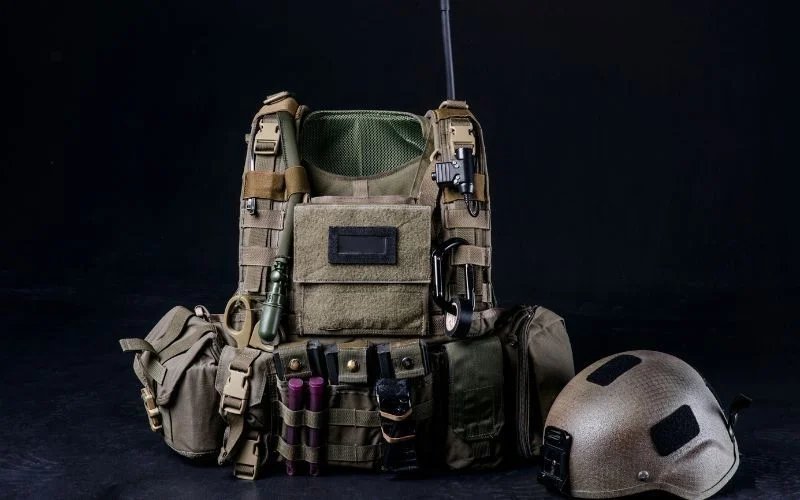
Body armor, which provides protection against serious injury or death for police officers, military officers, and security specialists, is one of the most vital components of equipping protection to law enforcement and security personnel in high-risk conditions.
Body armor protects police officers, military personnel, and security specialists from serious injury or death. Keeping it in top condition is just as important as choosing the right armor in the first place.
Proper maintenance is crucial to ensure its effectiveness and longevity. Neglecting care can lead to malfunctions and increased vulnerabilities. This article offers key maintenance tips to help extend the life of your body armor, ensuring it remains a reliable safeguard. See Chase Tactical’s full range of tactical armor, which is built for strength and mission readiness.
Why Is It Important To Properly Care For Body Armor?
We assure you that servicing the armor is straightforward. However, you should not neglect this process, and there are several good reasons for this:
- Improper maintenance may result in the deterioration of protective characteristics, thereby jeopardizing the user’s safety.
- Regular maintenance allows you to promptly identify any damage that could compromise the product’s effectiveness.
- A careful approach helps extend the service life of law enforcement equipment and, as a result, reduces the need to purchase new armor. For reliable storage, consider the Tough Hanger XL
According to the National Institute of Justice, ballistic performance depends on the armor being kept in the condition it was tested and certified in, which is exactly why the maintenance steps below matter, not just for comfort or appearance.

Tips To Extend The Life Of Your Body Armor
Every model of body armor is different. Even if you have successfully used armor without instructions, new tactical equipment may have specific material or washing requirements.
Here are some effective tips to extend the life of your armor:
1. Regular Checking
Practice proves that this stage is the most important in the maintenance process. A visual inspection before each use and a more detailed check monthly or after returning from the positions is recommended. Pay attention to the following aspects:
- The integrity of the outer fabric should be maintained from tears, punctures, or other visible damage.
- Condition of the seams – all elements must be held firmly, and no threads should be visible.
- Fasteners and straps should open and close easily and remain visually intact.
- Armor plates: Cracks, dents, and surface unevenness are a “red flag” indicating the need to replace the elements immediately.
2. Cleaning and Care
This step helps maintain a neat appearance and directly affects the materials’ properties. Dirt, sweat, and excess moisture can destroy the protective fibers. To clean the bulletproof vest, you must remove the armor plates from the plate carrier and the pouches, such as the shotgun shell pouch, molle radio pouch, dump pouch, holster, patches, and other elements.
To remove dust, use a soft brush or a damp cloth. Use a soap solution for stubborn dirt, but ensure it is suitable for the material. Avoid bleach and harsh solvents entirely; they break down the same fibers that stop a round.
Afterward, rinse the tile plate carrier with clean water to remove any remaining detergent. Dry the product naturally in the shade or a well-ventilated area, away from fire sources and direct sunlight.
3. Proper Storage
If you have several pieces of body armor or do not plan to use them for a certain period, it is worth considering where to store the tactical gear in advance. The optimal conditions are as follows:
- At room temperature, excessive heat can cause materials to deform, and cold can make them excessively brittle. This includes leaving armor in a hot vehicle; a parked car can exceed safe storage temperatures within minutes, making it one of the most common ways armor gets damaged without a single impact.
- Dryness – a damp environment promotes the growth of mold and mildew and reduces the effectiveness of protection.
- Straightened state – it is best to use a special chase tactical tough hook hanger or place the product on a flat surface to avoid folds and creases;
- Stay as far away from ultraviolet radiation as possible. Direct sunlight will not only cause the fabric to fade but can also negatively affect its strength.

4. Plate Maintenance
The armor plates directly affect the vest’s quality and effectiveness. For them to perform their protective functions to the fullest extent, it is necessary:
- check them for cracks, chips, deformations, dents, and other damage;
- remove dirt with a soft brush or damp cloth without immersing the product in water;
- store them in a dry place, and if they get wet, dry them immediately;
- Avoid falls or strong impacts.
5. Avoid DIY Modifications
You can find numerous “tips” and “life hacks” on social networks that offer advice on creating a better bulletproof vest, enhancing the protection of essential gear for law enforcement, or even assembling armor yourself. We strongly advise against listening to such recommendations!
It is worth understanding that any changes violate the structure’s integrity so the consequences can be unpredictable. At the same time, we are discussing how body armor works to protect your life, so it is not worth taking risks.
Handling and Transport Guidelines
How you handle body armor between uses matters as much as how you store it. Careless handling is one of the most common causes of hidden damage, especially for ceramic plates that can crack internally without any visible signs on the surface. Follow these guidelines when moving your armor:
- Carry plates and panels flat, and never toss the vest into a trunk or truck bed where heavy equipment can land on top of it.
- Use a padded gear bag or the original packaging when transporting armor between locations to protect it from impacts and abrasion.
- Do not leave armor in a parked vehicle. Repeated exposure to extreme temperatures inside a hot cab breaks down ballistic materials faster than almost any other handling mistake.
- Keep panels in their natural shape during transport. Folding or rolling soft armor creates creases that weaken coverage exactly where you need protection.
Proper handling also depends on proper wear. A vest that fits correctly flexes less and holds its shape longer, so review the body armor fit guide to confirm your setup sits the way it should.
Laundry Tips For Body Armor
Here are some key laundry tips regarding body armor:
1. Separate the Armor Panels from the Carrier
Soft Armor: Instruct personnel to remove ballistic panels or inserts before cleaning the Carrier. Soft armor is never submerged or machine-washed.
Hard Plates: If available, remove ceramic, steel, or polyethylene plates. These cannot be cleaned.
2. Cleaning the Carrier
If the plate carrier can be machine-washed, use a low or delicate cycle to prevent unnecessary wear on the fabric and seams. Otherwise, wash the plate carrier in cold or warm water with a mild detergent to gently clean it without compromising its structure. It will help maximize the efficiency of your plate carrier by ensuring the material remains durable and the fit stays secure.
3. Cleaning the Ballistic Panels
The ballistic panels or hard plates may be wiped with a damp cloth containing mild soap. There should be no high-pressure washing or submersion in water, as this may damage the ballistic material over time due to water exposure. Place the ballistic panels flat to allow them to air-dry. Avoid hastening the process by using heaters or dryers.
How Long Does Body Armor Last? Shelf Life and Expiration
One of the most common questions about armor care is how long body armor is good for. Most manufacturers rate soft armor for around five years and hard armor plates for five to ten years, depending on the materials. Think of that rating as a warranty period rather than a hard expiration date. Well-maintained armor can stay serviceable near the end of that window, while neglected armor can go bad much sooner.
Why Does Body Armor Expire?
Body armor expires because the ballistic materials inside it degrade over time. Heat, moisture, UV exposure, sweat, and constant flexing gradually break down the fibers that absorb a threat’s energy. Chemicals such as bleach, harsh detergents, and cleaning solvents accelerate that damage, which is why gentle cleaning matters so much. The armor may look fine on the outside while its durability and stopping power decline underneath, and that is exactly what the manufacturer’s shelf life accounts for.
Does Soft Body Armor Expire Faster Than Hard Plates?
In most cases, yes. The aramid fibers used in soft armor are more sensitive to moisture, sweat, and daily flexing than ceramic or polyethylene plates, so soft panels usually reach the end of their service life first, especially with daily wear. Hard plates last longer, but they can still go bad. A dropped ceramic plate can crack internally with no visible damage, which is why careful handling and regular inspection matter so much.
Signs Your Body Armor Has Gone Bad
Watch for these warning signs during your regular checks:
- Creases, folds, or lumps in soft panels that do not smooth out.
- A musty smell, which points to trapped moisture or mold inside the carrier.
- Fading, brittleness, or fraying of the outer cover after long sunlight exposure.
- Cracks, chips, rattling, or delamination in hard plates.
- The armor no longer fits properly or refuses to sit flat against the body.
When to Replace Expired or Damaged Armor
Replace body armor immediately after it stops a round, after any significant impact such as a drop onto concrete, or once the warranty period passes. Follow the manufacturer’s care instructions and warranty terms for your specific model, since those guidelines override any general advice, and keep your purchase records so you know exactly when the coverage period ends. For a full walkthrough of routine upkeep, see our guide on how to care for and maintain body armor. Never attempt structural repair at home. Carrier straps and covers can be replaced, but there is no safe DIY repair for ballistic panels or plates.
Conclusion
Maintaining body armor with plates is an integral part of their operation. By following the recommendations for proper storage, inspection, cleaning, and maintenance, you can ensure the reliability of your protection in critical situations. Remember that bulletproof vests are an investment in your safety; proper care will help them serve you for a long time and efficiently.
Frequently Asked Questions
What makes body armor expire?
How the Vest Is Worn. Another factor that can significantly reduce the lifespan of body armor is its wear. Moisture, heat, and flexing can affect the panels and, therefore, the lifespan of body armor. The wearer’s weight will also affect the lifespan of bulletproof vests.
What is the lifespan of body armor?
Most body armor manufacturers believe a bulletproof vest has an average life expectancy of five years. The reason is that the vest’s fibers deteriorate relatively fast, weakening their performance.
What are the top maintenance tips for extending the life of your body armor?
Store flat in a cool, dry place, clean with mild soap, and avoid harsh washing. This keeps tactical gear for police officers and law enforcement protective gear durable.
How often should body armor be inspected?
Check after every use for damage, loose stitching, or moisture. Like new law enforcement equipment, flashlights, boots, or duty belts, regular checks help extend the service life of these items.
Can improper storage damage body armor?
Yes. Heat, moisture, or submersion weakens fibers. Sheriff tactical gear, holsters, knives, and handcuffs all need proper care; body armor is no different.
Why is armor maintenance important for the law enforcement equipment market?
Good care reduces replacement costs and supports police and law enforcement equipment market trends, improving resilience and customer service.
Does body armor go bad if you never wear it?
Yes, although more slowly. Ballistic fibers degrade over time even in storage, so unworn armor still ages past its rated shelf life. Storing it flat in a cool, dry place slows the process.
Can body armor be repaired at home?
No. Straps, buckles, and carrier covers can be replaced, but ballistic panels and plates cannot be safely repaired. Replace any panel or plate that shows damage instead of patching it.