








Guide to Tactical Body Armor Components

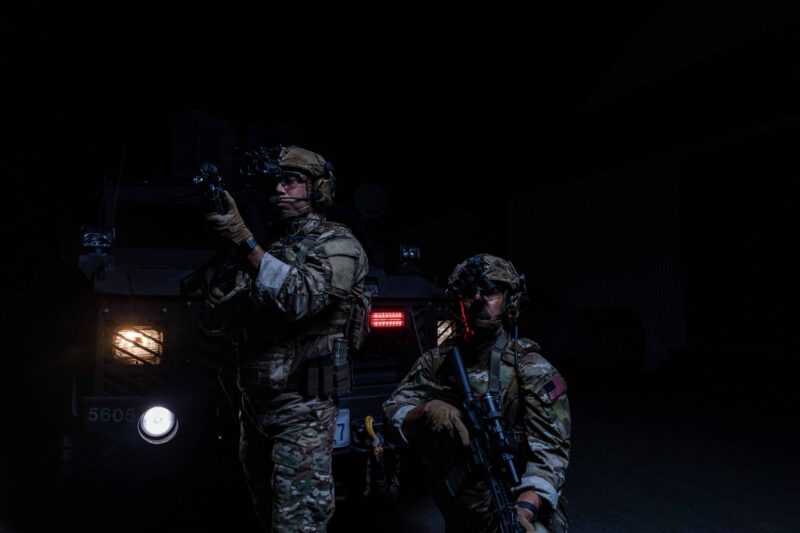
Tactical body armor is built around one core principle: layered protection matched to the threat. Soft armor handles low-velocity handgun rounds while hard armor stops high-velocity rifle fire. But effective protection goes beyond simply wearing a vest it comes down to understanding what’s inside it, how each material performs, and how the right combination can be the difference between life and death. Whether you’re in law enforcement, military, private security, or preparing for worst-case scenarios, this guide breaks down every component you need to know.
Soft Armor Materials
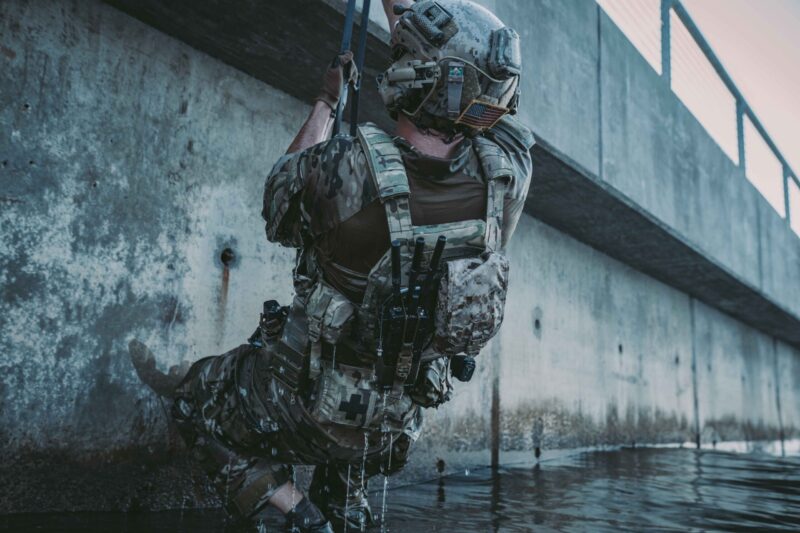
Two primary fiber types dominate soft armor construction: para-aramid and ultra-high-molecular-weight polyethylene (UHMWPE).
Para-aramid fibers, most commonly found in Kevlar, offer high tensile strength and abrasion resistance. Their flexibility makes them well-suited for concealable armor that absorbs impacts from handgun rounds without restricting movement.
UHMWPE, sold under brands like Dyneema, delivers roughly 40% greater strength than para-aramid at a lower weight. Its added stiffness allows for thinner panels that maintain both protection and comfort during extended wear. Both materials dissipate kinetic energy through their fiber structure, reducing blunt-force trauma to the wearer. For most modern soft armor applications, UHMWPE has become the preferred choice due to its superior strength-to-weight ratio.
Hard Armor Innovations
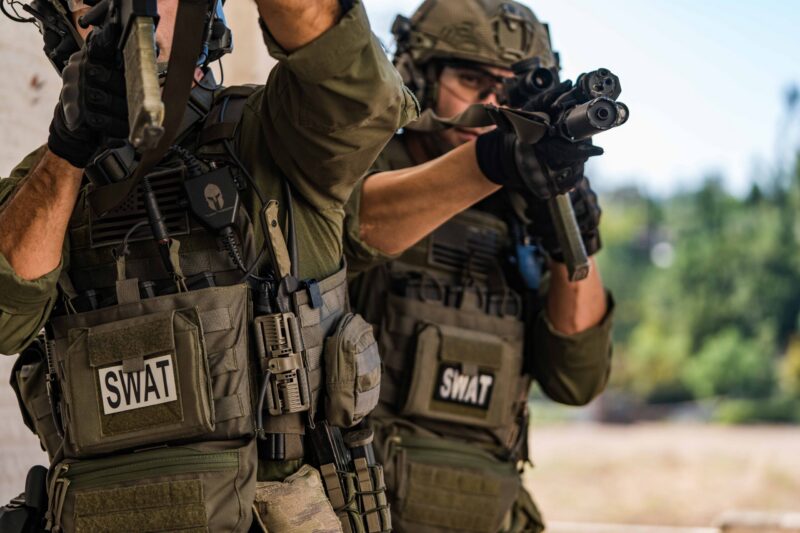
Modern ceramic hard armor has moved well beyond single-layer construction. Today’s plates use multi-layered structures incorporating nano-structured ceramics and composite reinforcements. Small ceramic tiles are arranged across the strike face — when struck, they shatter and dissipate energy locally, preventing damage from spreading across the plate. This tiled approach significantly improves multi-hit capability compared to traditional monolithic ceramic designs.
Ultra-thin hybrid ceramics, such as the NT 60/40 format at just 2.5mm thickness, reduce weight while maintaining structural integrity. High-pressure manufacturing processes like XTclave™ improve bonding uniformity, producing lighter and stronger plates with consistent performance. These ceramics outperform traditional materials by converting kinetic energy into controlled material breakdown while minimizing backface deformation. Browse Chase Tactical’s full range of ceramic body armor to explore certified options built to these standards.
Steel Plate Durability
Steel plates remain a reliable and cost-effective choice for hard armor. AR500 and AR650 steel constructions deliver Level III protection, stopping 7.62mm NATO and armor-piercing 5.56 M855/SS109 rounds. Their construction can withstand 30+ rounds at close range without penetration and remain structurally intact under sustained fire, far longer than ceramic alternatives.
Steel’s key advantages are its longevity and multi-hit capability. Unlike ceramic, steel plates do not shatter on impact, maintaining protection across the full plate surface without invisible weak points. They also withstand drops and exposure to extreme temperatures without compromising performance. The primary tradeoffs are weight — which contributes to fatigue during extended operations — and the need for anti-spall coatings to manage ricochet risk. For a side-by-side breakdown of both materials, see our ceramic vs. steel plates guide.
Composite Plate Efficiency
Composite plates represent the cutting edge of hard armor design. Hybrid configurations using CFRP (carbon fiber-reinforced polymer) and KFRP (Kevlar fiber-reinforced polymer) layers absorb significantly more impact energy than traditional Kevlar alone, while weighing 20–40% less than older materials. Strategic stacking of these layers optimizes energy absorption at each stage of an impact event.
Advanced composite ceramics deliver steel-equivalent protection with lighter, denser structures, improving both response time and multi-hit capability. Innovations incorporating UHMWPE and next-generation ceramics can achieve up to 50% better protection at reduced weight a meaningful advantage in high-threat environments where fatigue and mobility directly affect performance.
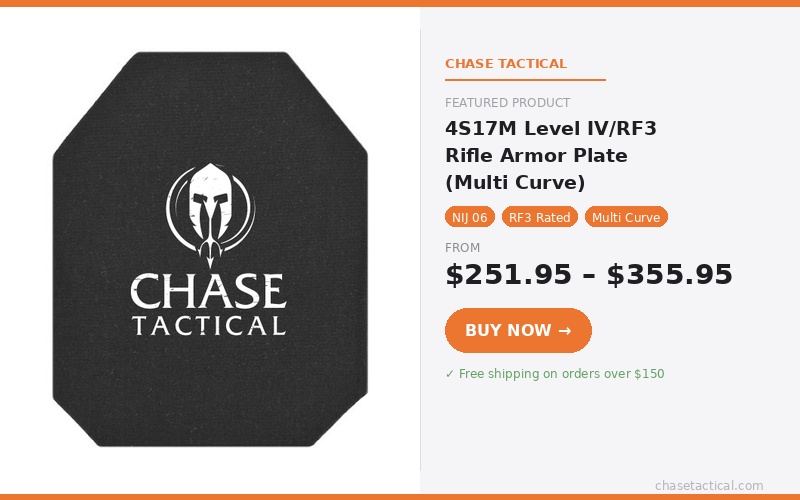
Need a plate rated to stop rifle-caliber threats? The 4S17M is a NIJ 06-certified Level IV/RF3 plate trusted by military and federal agencies.
Ceramic Plate Technologies
How Ceramic Stops a Bullet
When a projectile strikes a ceramic plate, its hardened tip begins to erode almost immediately. The ceramic surface fractures in a conical pattern outward from the impact point, distributing the force across a wide area. The resulting granular debris continues to erode the bullet’s core, stripping away mass and velocity. A backing layer, typically UHMWPE or aramid, absorbs and arrests remaining fragments, preventing penetration while also reducing blunt-force trauma to the wearer.
This process happens in microseconds and is what makes ceramic plates effective against high-velocity threats, including armor-piercing rounds. The multilayered ceramic composite design allows plates to withstand multiple hits at different locations without losing structural integrity a critical improvement over older monolithic designs, which would crack across the entire plate face after a single impact.
Impact Resistance and Limitations
Ceramic plates are single-hit capable at any given point of impact — a tile struck directly will not provide the same level of protection if struck again in the same location. However, the tiled design has local damage, so impacts in separate areas remain fully protected. Ceramic plates are also more fragile than steel when dropped or mishandled, and require inspection after any significant impact, even if no visible damage is apparent.
Steel and Metal Plate Applications
Steel plates made from ballistic-grade steel, such as STAR 647, provide Level III protection against threats, including 7.62x51mm M80 Ball and 5.56x45mm M855. A standard 10×12 steel plate weighs approximately 7.05 lbs and typically features anti-spall coatings, such as Rhino EX HP-50, to reduce the risk of ricochet.
Their durability, multi-hit performance, and budget-friendly price point make them a practical option for users who prioritize longevity over weight savings. Most quality steel plates carry a 10-year ballistic warranty. The key limitation is that standard steel plates are not rated for higher-level threats like .30-06 M2AP, and their weight can contribute to fatigue during extended operations. Explore our full selection of Level III body armor to compare steel and other plate options side by side.
Tactical Vest Carrier Designs
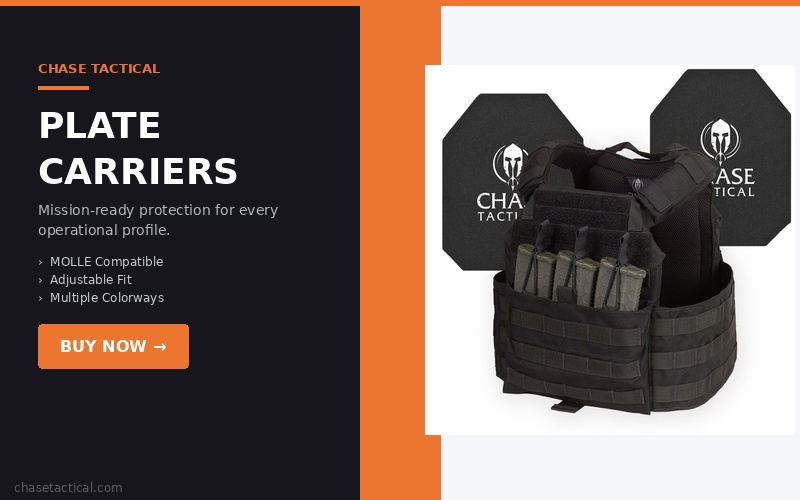
The carrier system that houses your armor is as important as the plates themselves. Modern tactical vest carriers balance protection, functionality, and comfort through several core design features.
Internal pockets keep armor plates secure and discreet. External MOLLE webbing allows mission-specific pouches and accessories to be attached and positioned precisely where needed. Weight distribution is managed through padded shoulders and cummerbunds, keeping the load centered on the torso rather than the shoulders. Quick-release systems and adjustable straps provide a snug, customized fit for different body types.
Specialized variants include high-mobility carriers for rapid response, ultra-lightweight options for extended patrol use, and full-plate carriers offering maximum ballistic coverage. The right carrier depends on the operational environment, the weight of the armor being carried, and the mission-specific gear required.
Choosing a carrier is just as critical as the plate inside it. Browse Chase Tactical’s full lineup of mission-ready plate carriers built for every operational profile.
Ballistic Helmet Advancements
Ballistic helmet technology has advanced significantly in recent years, driven by demand from the military, law enforcement, and security sectors. The global ballistic helmet market is projected to reach $4 billion by 2033.
New materials, including UHMWPE, carbon fiber hybrids, and graphene-enhanced aramids, have reduced helmet weight by up to 35% without sacrificing protection. Modern helmets meet NIJ IIIA standards, defending against substantial ballistic threats while remaining comfortable for prolonged wear.
Modular systems like the Integrated Modular Helmet System (IMHS) combine ballistic protection with electronic integration, supporting NVG mounts, communication gear, and accessory rails. Emerging technologies are pushing further still, incorporating AI-assisted sensors and heads-up displays to enhance situational awareness. Custom-fit production through 3D scanning and improved ventilation systems continues to enhance comfort for operators wearing helmets throughout full mission durations.
Conclusion
Tactical body armor is a system of interdependent components — each one chosen and configured for a specific purpose. Soft armor provides flexible, concealable protection against handgun threats. Hard armor stops rifle rounds and armor-piercing projectiles. Ceramic plates offer lightweight, high-velocity defense; steel delivers durability and multi-hit reliability; composites push the boundaries of both. A well-designed carrier brings it all together, distributing weight efficiently and keeping mission-critical gear accessible. Understanding each component is the foundation of selecting protection that performs when it matters most.
Frequently Asked Questions
How do I choose the right size for body armor?
Measure your torso, chest, and waist accurately. Use the manufacturer’s sizing chart to match your measurements, ensuring the armor covers vital organs without restricting movement or breathing. When between sizes, prioritize coverage over a looser fit.
Can body armor be worn in extreme weather conditions?
Yes, but armor selection matters. Choose systems with heat-resistant materials and adequate ventilation for hot climates. In cold environments, ensure the carrier and plate combination allows adequate layering beneath. Active cooling accessories are available for high-heat operations.
What maintenance does body armor require?
Inspect armor regularly for physical damage, delamination, or wear. Clean carriers according to the manufacturer’s instructions and avoid harsh chemicals. Store plates and soft armor panels flat or hanging on padded supports, away from moisture, extreme heat, and direct sunlight.
How should body armor be stored when not in use?
Store in a climate-controlled environment between 50°F and 86°F. Keep armor away from moisture, chemicals, and direct sunlight. Lay plates flat or hang soft armor on padded hangers. Avoid folding panels or stacking heavy objects on top of stored armor.