







Full Body Armor vs Modular Armor: Which One Do You Need?

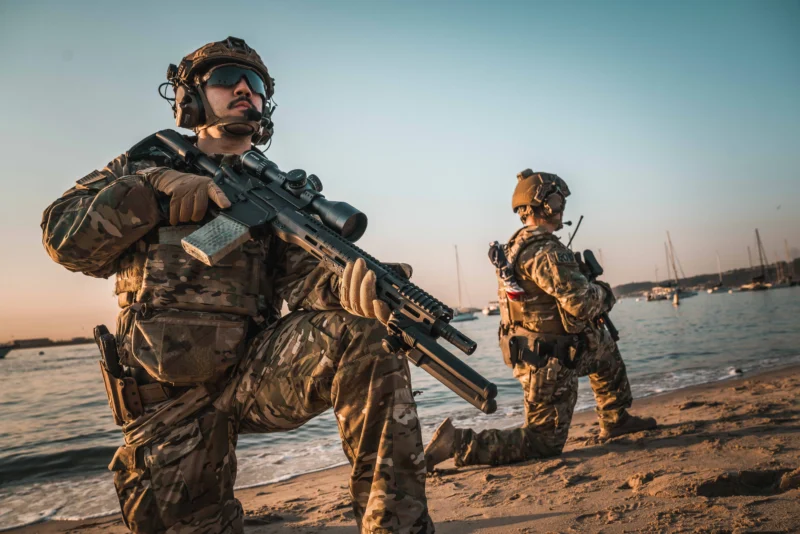
For personal protection, the type of body armor you choose may be a matter of life and death. If you’re law enforcement, military personnel, private security, or expecting worst-case scenarios, you’ve most likely been faced with two main options: full body armor and modular body armor.
Both are ballistic protectors, but they exist for different purposes. Full-body armor protects in all directions with minimal setup. Modular armor allows you to set up your gear by mission parameters, level of threat, and mobility requirements.
Understanding how each system handles NIJ-rated protection levels, from Level IIIA soft armor to Level IV hard plates, is essential before making your choice. The right configuration could be the difference between adequate coverage and a critical protection gap. Ratings in this guide follow NIJ ballistic standards; the Chase Tactical products referenced here are certified under NIJ 0101.06, with the newer RF designations defined in 0101.07.
Read our complete guide: How Full Body Armor Works, then browse our full body armor lineup to find the right system for your mission.
What Is Modular Body Armor?
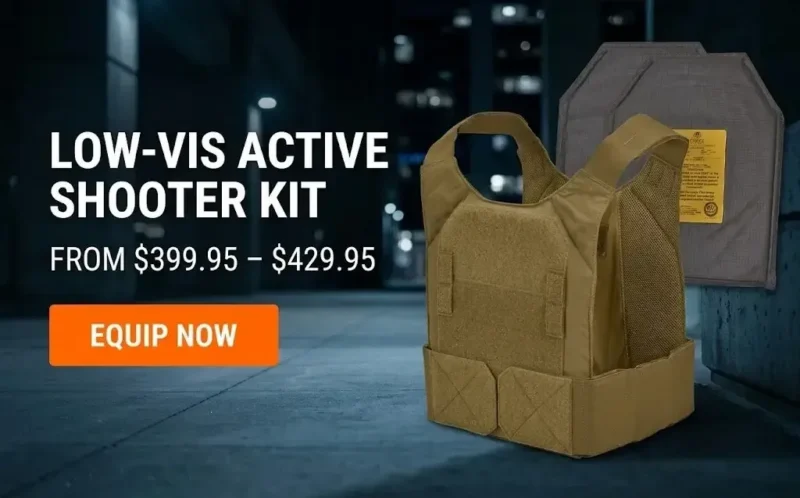
Modular body armor is a flexible protection system made up of separate, replaceable components. Instead of buying a single, fixed suit, you assemble your gear by selecting individual pieces, plate carriers, pouches, and attachments to match your needs. A purpose-built example is the MEAC modular plate carrier, which accommodates soft inserts, hard plates, and mission pouches on a single platform.
How Does Modular Body Armor Work?
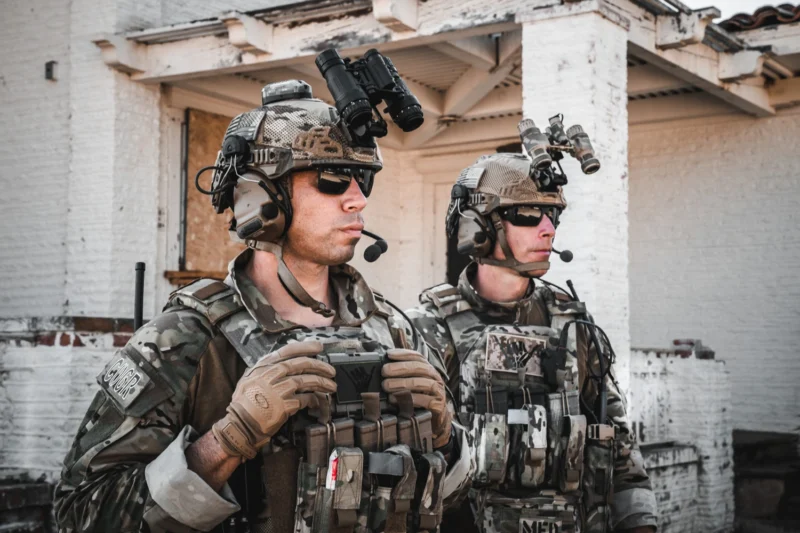
- Component-Based Setup: Each component, including the front plate, rear plate, side plates, and soft inserts, is affixed to a carrier vest using mechanisms such as Velcro, MOLLE webbing, or quick-release buckles. This configuration enables users to customize their loadout according to the specific requirements of any mission.
- Layered Protection: Handgun threats are handled by NIJ-certified soft body armor (typically Level II or IIIA), while hard plates (ceramic, steel, or polyethylene) defend against rifle-caliber rounds at Level III or Level IV. Levels may be blended (soft + hard plates), depending on the threat level.
- Custom Accessories: In addition to plates, modular armor accommodates accessories such as mag pouches, medical packs, hydration systems, or trauma pads, all mounted on the vest to balance protection with ease of access.
NIJ Protection Levels in Modular vs Full Body Armor
Both modular and full-body armor systems are rated against the NIJ (National Institute of Justice) ballistic protection standard.
- Level II / IIIA (Soft Armor): Stops handgun rounds, including 9mm and .44 Magnum. Commonly integrated as the base layer in modular carriers or as the undersuit component of full-body armor. Lightweight and concealable. Shop soft body armor
- Level III (Hard Plates): Rated to defeat 7.62mm FMJ rifle rounds. Ceramic or polyethylene plates inserted into a plate carrier form the core of most modular armor builds for patrol and tactical operations. For a full breakdown, see our guide to body armor for different threat levels.
- Level IV (Hard Plates): The highest NIJ rating. It stops armor-piercing .30 caliber rounds. Required for high-threat military and SWAT applications. Often used in modular systems where mission-specific upgradeability is critical. Our guide to Level IV armor plates covers materials and testing in detail.
Full-body armor systems typically integrate Level IIIA soft panels throughout the torso, groin, and shoulder coverage zones, with hard-plate pockets for Level III/IV upgrades, making them a hybrid solution. Modular systems let you select each layer independently based on the day’s threat level.
How Armor Actually Stops a Bullet
Whether the system is modular or full-body, the physics is the same. Soft armor fibers such as Kevlar or Dyneema catch a projectile like a net, spreading its energy across many layers of woven material until the bullet deforms and stops. Hard plates work differently: ceramic faces shatter and blunt the incoming round while a backing layer absorbs the remaining energy, and polyethylene plates deform and melt slightly around the projectile to trap it.
Two effects matter to the wearer beyond simple penetration. Backface deformation is the dent that forms on the body side of the armor on impact; NIJ testing limits how deep that dent can be, because excessive deformation can injure organs even when the round never penetrates. Fragmentation and shrapnel from explosions behave differently from bullets, which is one reason military systems add soft coverage over the neck, shoulders, and groin where fragments are the primary threat. This distinction drives the modular-vs-full decision more than most buyers realize: rifle fire favors plates over vital zones, while blast fragmentation favors the wide soft coverage of a full system.
What are the Benefits of Modular Body Armor?
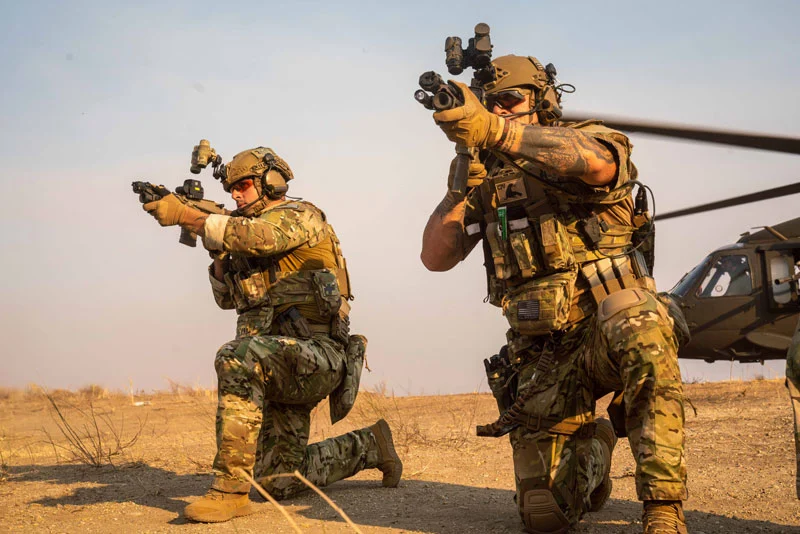
Modular armor excels in situations that require adaptability, performance, and cost efficiency.
Levels of Protection
Take only what you need. In low-risk situations, remove the heavier rifle plates to stay light and quick. In higher-risk situations, put them back. A carrier running only Level IIIA soft inserts weighs a fraction of the same carrier loaded with Level IV plates; see the real weight table below for figures taken from our own product specifications.
Greater Mobility
With customizable configuration capability, you stay lightweight on missions. Less weight means faster movement, simpler climbing or crawling, and reduced wear. Law enforcement officers on plainclothes detail, for example, often run just a concealable Level IIIA soft panel, a configuration impossible in a fixed full-body suit.
Cost-Effective Upgrades
Modular systems evolve with your needs. You can add or upgrade components over time, such as new-generation plates, improved carriers, or additional protection, without needing to purchase an entirely new system. Upgrading from Level IIIA soft armor to Level IV hard plates means buying two plates, not replacing the carrier, the pouches, or the soft inserts you already own.
Real Weight Numbers From the Chase Tactical Line
| Configuration | Components | Listed spec weight |
|---|---|---|
| Concealable soft armor | CT Level IIIA Soft Armor SA3100 | 1.35 lbs (varies by panel cut; aerial density 1.32 psf, 0.287 in thick) |
| Light patrol build (Level III+/RF2) | LOPC Lightweight Plate Carrier (2.0 lbs) + 2x 3i7M Ultra Lightweight Rifle Plates (1.8 lbs each, 10×12 shooter cut) | 5.6 lbs before soft backers |
| High-threat modular build (Level IV/RF3) | MEAC Modular Plate Carrier (2.5 lbs) + 2x 4S17 Level IV Rifle Plates (7.2 lbs each, stand-alone) | 16.9 lbs |
| Full coverage kit (Level IV) | QRC Active Shooter Armor Kit = QRC carrier + 2x 4S17 Level IV 10×12 shooter cut plates | 14.4 lbs of Level IV plates plus a lightweight quick-response carrier |
The spread tells the story: a concealable Level IIIA panel setup weighs under 3 lbs, a Level III+ patrol build under 6 lbs of hard armor and carrier, and a Level IV loadout roughly 17 lbs. That 14 lb gap between the lightest and heaviest modular configurations is exactly what the modular approach lets you choose day by day.
Limitations of Modular Armor
Just as with all things, modular armor also has downsides that require attention and management.
Easy to Misconfigure
You’ll have coverage gaps if a plate is misplaced or omitted. Under stress, assembly mistakes happen. This is especially dangerous when switching between Level III and Level IV plates on short notice; the wrong plate in the wrong pocket can leave a critical zone unprotected.
Compatibility & Maintenance Requirements
Not all carriers fit all types of plates or levels. You must also track serial numbers, shelf life, and mission history by part, which creates complexity and opportunities for error. Our body armor fit guide explains how to verify carrier and plate fit before you buy.
What Is Full Body Armor?
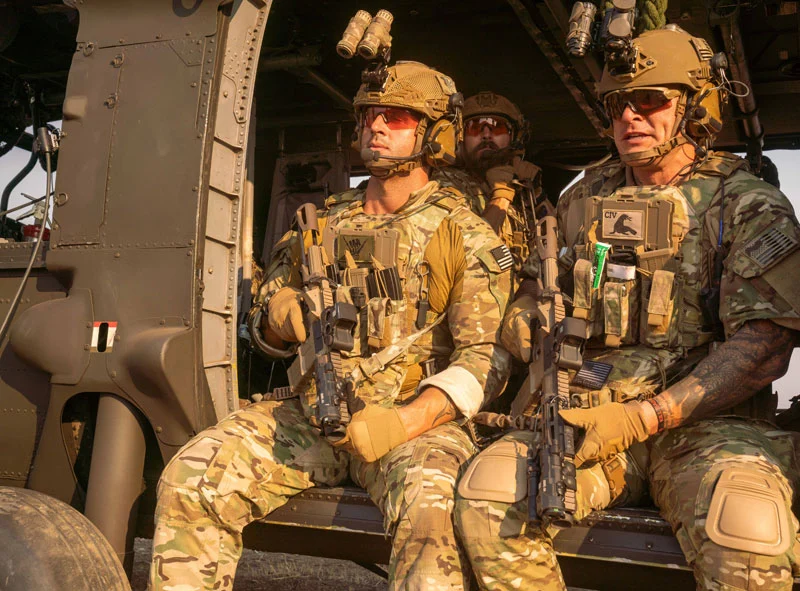
Full-body armor is a masterfully designed, integrated suit that combines protection for the tactical helmet, torso, groin, thighs, and occasionally the knees and shins into a single piece of equipment. It’s ready to wear out of the box, offering immediate and comprehensive coverage.
How Does Full Body Armor Work?
Each protection panel, such as the vest, thigh and groin guard, and shoulder protection, is built into one uniform. This design means that you cannot remove or reassemble parts during transit. With full-body armor, the manufacturer ensures that each component is covered at all times, eliminating the risk of missing pieces.
Most full-body armor systems use Level IIIA soft armor panels in the flexible zones (shoulders, groin, thighs) and hard plate pockets in the chest and back for Level III or IV inserts. This hybrid construction provides comprehensive coverage while allowing some ballistic upgrades.
Coverage Beyond the Torso: Head, Neck, and Limbs
Torso plates are only part of the survivability equation. Ballistic helmets protect against handgun rounds and fragmentation; a Level IIIA ACH high cut pairs naturally with either system type. Full-body suits extend soft armor over the neck, deltoids, and thighs, which matters most against shrapnel and blast fragmentation rather than aimed rifle fire. Modular users can approximate this with add-ons such as deltoid-protection attachments and side-armor-plate pockets, but each addition is a deliberate choice rather than built-in coverage.
Advantages of Full Body Armor
If simplicity, consistency, and total coverage matter most to you, full-body armor is the best bet.
Comprehensive Coverage
Protection from head to thigh and beyond, covering you everywhere. No need to back-track on what you may have left out. Just wear it right and you’re set to roll.
No Assembly Needed
Training routines are streamlined, mistakes are minimized, and time saved is crucial, especially in emergencies like active shooter situations or critical security operations.
Reliable Fit and Balance
Weight distribution is taken into account in design; full-body armor is comfortable and balanced. Whether you are standing for many hours or moving rapidly, comfort is maintained, and strain is minimized over extended periods.
Disadvantages of Full Body Armor
Even the most excellent systems have their trade-offs. These are the two primary disadvantages:
Heavier and Bulky
You’re wearing more protection than needed in many situations, which hampers mobility and increases fatigue, especially in high-stress environments. A suit covering torso, groin, and thighs will always outweigh a torso-only carrier carrying the same plate rating; the exact difference depends on the plates chosen, which is why we point buyers to the spec-sheet weights in the table above rather than a generic range.
Less Flexibility
You can’t remove unwanted components and are committed to the full suit regardless of mission needs. For long-duration covert operations or plainclothes work, this is a significant operational constraint.
Full Body Armor vs Modular Armor: Quick Comparison
| Factor | Full Body Armor | Modular Armor |
| Coverage | Head-to-thigh, all zones | Torso-focused, configurable |
| NIJ Levels Supported | IIIA base + III/IV plate pockets | II, IIIA, III, IV (interchangeable) |
| Weight (approx.) | Varies by system; always heavier than a torso-only carrier at the same plate rating | From under 3 lbs (Level IIIA soft panels) to about 17 lbs (Level IV stand-alone plates); see the weight table above |
| Setup Time | Ready to wear | Requires configuration |
| Best For | Military, SWAT, high-threat ops | LE patrol, security, civilian |
| Cost to Upgrade | Replace the entire system | Swap individual components |
| Concealability | Low | High (IIIA soft panels) |
How To Choose Between Modular and Full Body Armor?
It comes down to your specific needs, configuration, and budget.
Choose Full Body Armor if You:
- Need continuous, full-around protection with easy installation.
- Work in high-risk or high-pressure environments where every minute counts.
- Want a dependable system with even weight distribution, and are willing to accept the extra weight that comes with it.
- Operate in roles like EOD, active military deployment, or SWAT operations where comprehensive joint and extremity protection is non-negotiable.
Choose Modular Armor When
- You operate in a variety of threat environments, ranging from low-threat patrols to high-threat operations.
- You value agility, reduced carry weight, and mission-specific customization.
- You want to upgrade from Level IIIA soft armor to Level IV hard plates without replacing your entire system.
- You prefer to defer costs and upgrade components incrementally.
- You will assemble and maintain your gear yourself.
- You work in plainclothes law enforcement, private security, or civilian self-defense scenarios where concealability and weight matter. See how Level IIIA compares to Level III for concealed work.
Conclusion
Both modular and full-body armor offer vital protection, but in differing capacities. Full-body armor offers immediate, uniform defense with no issues, but it is heavier and less flexible. Modular armor, on the other hand, offers flexibility, minimal weight, and personalized configurations, but at the cost of extra preparation and potential configuration errors.
The NIJ protection level you need, your mission type, and your mobility requirements should drive the decision. See how full body armor is constructed or browse Chase Tactical’s full armor selection to find the right system for your role.
Frequently Asked Questions
Can I modify a modular configuration to full protection?
Yes, you can build a modular system to cover everything. However, you’ll need to ensure full overlap and plate alignment, something a committed full suit handles for you by design.
Can civilians wear body armor?
In almost all places, civilians are legally permitted to purchase and wear body armor. However, laws vary, so always check your local, state, or national laws before purchasing or wearing any armor.
Are there hybrids that consist of both types of armor?
Yes. There are semi-modular systems with fixed protection zones (e.g., thigh and shoulder protection) that use plate carriers to attach hard plates, offering a compromise between full and modular armor. These are common in law enforcement and in the use of private military contractors.
What NIJ level do I need for law enforcement patrol?
Most patrol officers carry NIJ Level IIIA soft body armor, which stops handgun rounds, including 9mm, .40 S&W, and .44 Magnum. For higher-threat environments or active shooter response, Level III or IV hard plates should be added to a modular carrier.
What is the difference between soft armor and hard armor in a modular system?
Soft body armor (Level II–IIIA) is made from flexible ballistic fibers such as Kevlar or Dyneema and is worn as a standalone vest or as a base layer. Hard armor plates (Level III–IV) are rigid ceramic, steel, or polyethylene panels inserted into a plate carrier. Modular systems allow you to combine both: soft panels for all-day wearability plus hard plates for rifle-threat environments.