








What Factors Impact the Durability of Armor Plates?

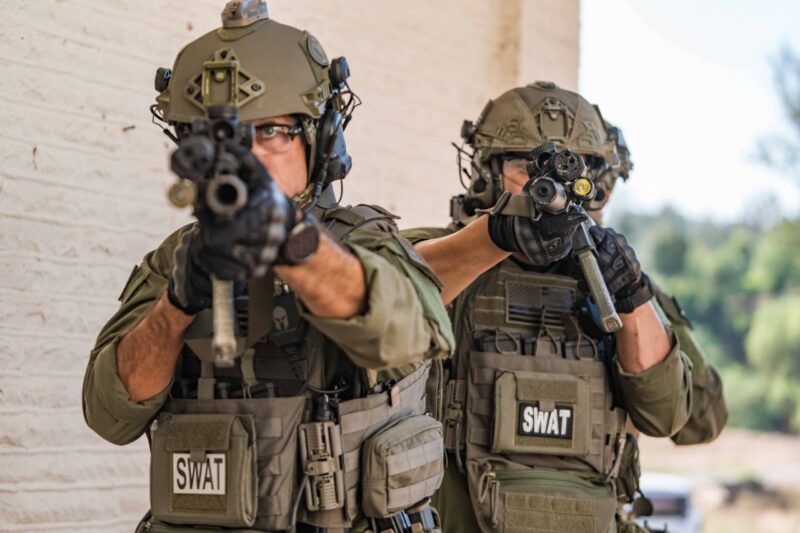
When considering the durability of armor plates, material type, environmental exposure, handling practices, and manufacturing quality all play significant roles. Steel can endure decades with proper care, whereas ceramic and aramid options are more fragile and require greater attention. Understanding how these elements interact is essential for maintaining long-term ballistic performance. If you’re still deciding which plate type is right for you, our armor guides are a good starting point.
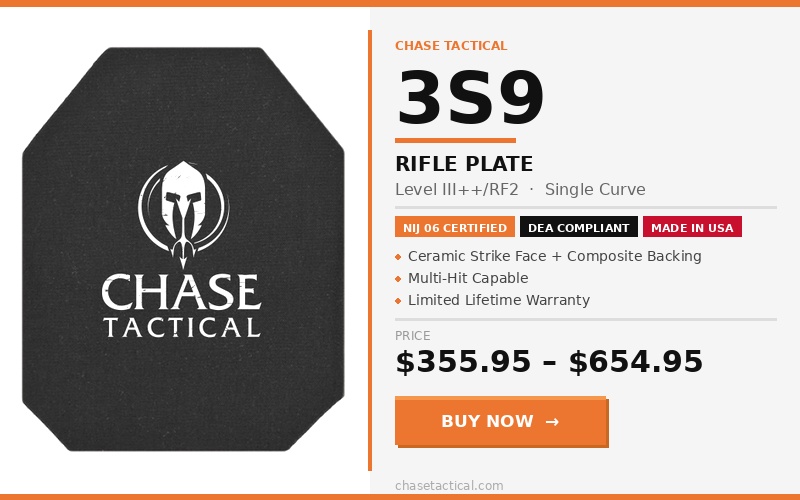
Looking for a plate built to last through demanding conditions? The Chase Tactical 3S9 Level III++/RF2 Rifle Plate is NIJ 0101.06 certified, DEA compliant, and constructed with a ceramic strike face composite backing — delivering proven durability and ballistic performance above and beyond standard NIJ requirements. Made in the USA and backed by a limited lifetime warranty.
Material Type and Lifespan
Understanding material differences is essential for making informed decisions about armor plates. Steel plates have a lifespan of more than 20 years if well maintained, though they’re typically warranted for around 5 years. Their longevity depends heavily on the condition of the strike face coating, which prevents rust. Ceramic plates typically last 5 to 7 years but are fragile and prone to cracking. Polyethylene (UHMWPE) plates can last 5 to 10 years, enduring well unless exposed to extreme conditions.
Composite plates, often ceramic-based, have a similar lifespan and require careful handling to avoid damage. Aramid plates, primarily used in soft armor, last about 5 years and need regular checks for wear. Browse Chase Tactical’s full lineup of ballistic rifle plates to compare materials and protection levels side by side.
Effects of Environmental Exposure
Environmental exposure can significantly affect the durability and effectiveness of the armor plate. High temperatures above 150°F can damage aramid fibers and adhesives, softening fibers and weakening the bond between armor layers. Extreme heat also degrades polymer-based materials like UHMWPE. Moisture poses another threat, particularly to water-based resins in ballistic plates, leading to hydrolysis and resin degradation. UV radiation causes photodegradation in materials like Kevlar, making proper storage away from sunlight critical. Chemical exposure further degrades Kevlar, so armor should be kept away from solvents. Storing plates in cool, dry environments minimizes these risks and helps maintain long-term integrity.
Consequences of Physical Impacts
Physical impacts pose a significant threat to the integrity of armor plates, often causing internal damage that isn’t visible on the surface. Dropping ceramic plates onto hard surfaces such as concrete can cause microcracking and microscopic fractures that compromise both structural integrity and ballistic performance. Improper handling is often a more immediate threat than gradual degradation, since internal damage can occur without any visible marks. Any plate that has stopped a ballistic threat or suffered a significant drop should be replaced immediately. Ceramic materials are inherently brittle and risk permanent damage after a single major impact.
For plates designed to handle demanding conditions more reliably, the Chase Tactical 3S9 Level III++/RF2 Rifle Plate features a ceramic strike-face composite backing for proven multi-threat durability.
Proper Storage and Maintenance
Storage Conditions
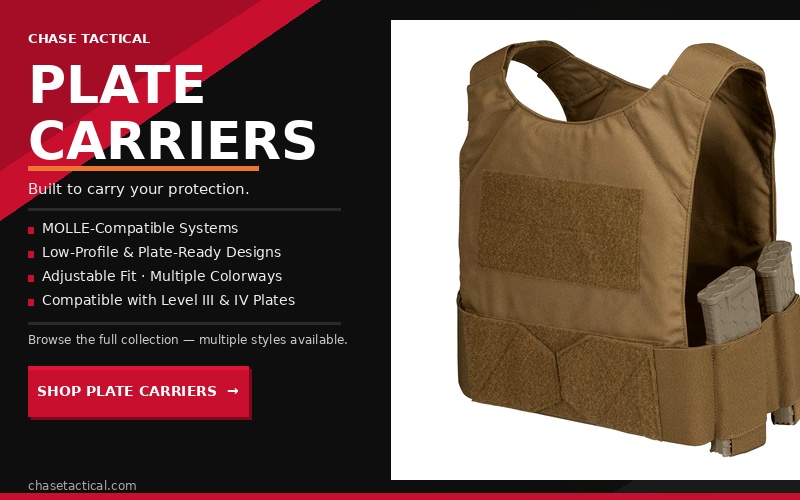
Store armor plates in a cool, dry place with stable temperatures between 50–80°F and humidity below 60%. Keep plates away from UV light, as prolonged exposure to sunlight degrades ballistic fibers, adhesives, and ceramic materials. Use desiccants to manage moisture, but avoid airtight containers that trap it. Store plates flat on supported surfaces, avoid stacking heavy objects on them, and use protective covers to guard against accidental chemical contact. Pairing your plates with a well-constructed plate carrier helps minimize physical stress during transport and reduces the risk of accidental drops that can cause internal damage, particularly critical for ceramic plates. Browse Chase Tactical’s plate carrier collection to find a carrier built to protect your investment.
Routine Inspection
Before each use, perform a quick visual check and conduct a thorough inspection monthly. Look for surface cracks, chips, delamination, warping, and dents. Quarterly, inspect hard plates specifically for hairline cracks. Annually, use X-rays to uncover hidden damage in ceramic plates. Check ballistic panels for wrinkles, bubbles, and improper seating, and verify stitching and fasteners on carriers. Document every inspection and immediately remove any plate showing signs of cracks, soft spots, or structural compromise. The NIJ’s body armor standards and testing protocols provide a useful technical reference for what to look for.
Protective Coatings
Protective coatings are essential for extending the lifespan and effectiveness of armor plate. Coatings such as zinc or nickel electroplating protect steel from corrosion, while full coatings, such as Encapsaloc™, capture bullet fragments and prevent spall injuries.
| Benefit | Description | Impact |
| Corrosion Prevention | Electroplated layers shield base metal | Extends service life |
| Fragmentation Control | Encapsaloc™ captures bullet fragments | Prevents secondary injuries |
| Lifespan Extension | Coatings add ~30% longer service life | Enhances long-term durability |
| Environmental Resistance | Blocks moisture and temperature swings | Resilience in harsh environments |
Role of Manufacturing Quality
Manufacturing quality plays a critical role in the durability and reliability of armor plates. Strong adhesive bonding prevents delamination and ensures multi-hit capability. NIJ certification guarantees consistent materials and construction methods, preventing cost-cutting that could compromise safety. Precise chemical composition and heat treatment improve ballistic performance and can extend armor lifespan by up to 30%. Reputable manufacturers back their products with warranties and liability coverage, reflecting confidence in their quality standards.
Pairing your plates with a well-constructed plate carrier helps minimize physical stress during transport and reduces the risk of accidental drops that can cause internal damage particularly critical for ceramic plates. Browse Chase Tactical’s plate carrier collection to find a carrier built to protect your investment.
Performance Under Extreme Conditions
Each material has specific performance limits under extreme conditions. Cold temperatures can stiffen UHMWPE fibers and make them brittle, while aramid fibers like Kevlar withstand cold better but degrade under prolonged freezing. Extreme heat softens fibers and compromises stopping power. UHMWPE degrades above 158°F. High humidity can degrade ballistic panel performance, though polyethylene resists moisture well. UV radiation weakens armor by breaking chemical bonds over time. For repeated impacts, steel plates excel, withstanding numerous rounds without penetration, while UHMWPE handles lead-core rounds effectively but struggles against hard steel cores.
For a deeper comparison of how different plate materials perform across threat levels, see Chase Tactical’s body armor levels guide.
Conclusion
Armor plate durability depends on a combination of material selection, environmental management, physical handling, storage discipline, and manufacturing standards. Steel offers the longest lifespan, while ceramic and aramid materials demand more careful handling. Routine inspections, protective coatings, and proper storage are the most effective ways to maximize the service life of your plates. Browse Chase Tactical’s full ballistic plate collection to find plates built to last.
Frequently Asked Questions
How does a plate’s weight affect its durability?
Weight and durability aren’t directly linked. Lighter materials like UHMWPE resist physical damage and environmental exposure well, while heavier steel withstands impacts effectively but requires anti-spall coatings to remain safe. Learn more about plate weight and carrier compatibility in our plate carrier collection.
Can armor plates be recycled after their lifespan ends?
Yes. Plates can be disassembled into materials like aramid fibers, polyethylene, and ceramics, which are then repurposed for non-ballistic applications.
How does plate curvature influence durability?
Multi-curve plates reduce pressure points and improve wearability, but both single and multi-curve designs resist wear similarly. Proper care and avoiding impacts and exposure to humidity are the most significant durability factors. The Chase Tactical 3S9 is available in both shooters’ and swimmers’ cut options to balance fit and protection.
Are there durability differences between brands?
Yes. Reputable brands with NIJ certification deliver consistent quality, while inferior manufacturers may cut corners, resulting in issues such as spalling or premature fragility. Always verify certifications and warranty terms before purchasing. The NIJ Compliant Products List is a reliable resource for verifying armor certification.