



Tactical Gear

The Best Plate Carrier Accessories for 2026

Plate Carrier

Table of Contents

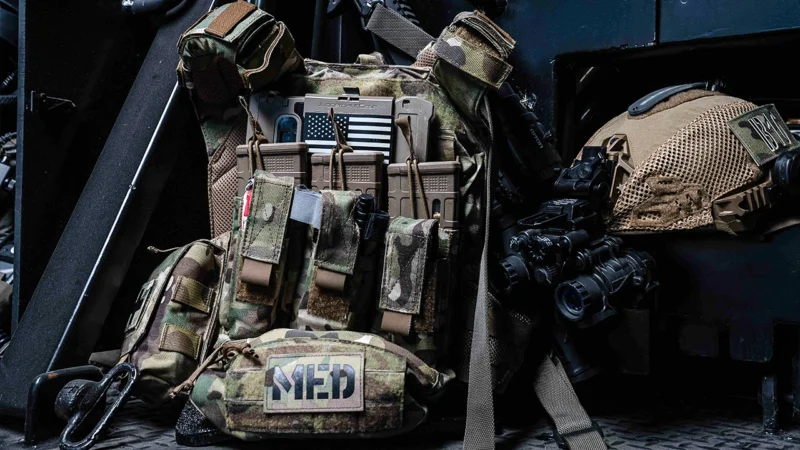
For professionals responding to high-risk situations and civilians who want to be ready for anything, a plate carrier is one of the most essential pieces of tactical equipment you can own. Beyond the ballistic protection from armor plates, what turns a plate carrier into a complete kit is the right set of plate carrier accessories and body armor accessories layered onto it, from utility pouches to hydration systems and medical gear. The Quick Response Plate Carrier from Chase Tactical is one example of a platform built to take a full range of these attachments.

Plate carrier accessories also make it easier to operate efficiently in the field. Common attachments include extra ammunition storage, communication gear, first aid pouches, and comfort upgrades like shoulder pads and cummerbunds. Whether you’re building a complete loadout from scratch or upgrading a carrier you already own, here are the best plate carrier accessories to add in 2026.
Flashbang Pouch

Why Customize Your Plate Carrier?

Customization is crucial for several reasons. First, it lets you adjust your gear to meet your needs. Whether that means medical pouches or hydration systems, a well-configured plate carrier ensures you’re ready for any situation. Choosing patches, placards, loops, and clips also allows you to express your personality, affiliations, or preferences while maintaining functionality. Social media platforms like Instagram have popularized customization, as users frequently share their setups to inspire others.
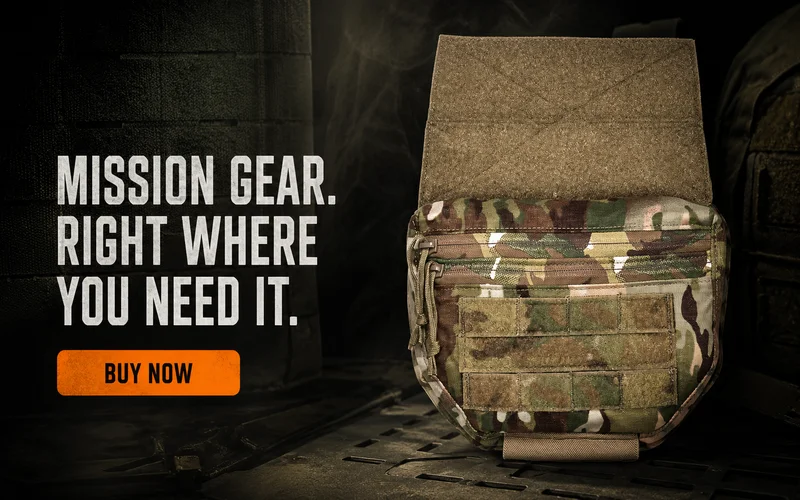
Plate Carrier vs. Tactical Vest Accessories: Is There a Difference?

Many buyers search for "tactical vest accessories" or "vest attachments" when they're actually shopping for plate carrier gear, and the two terms overlap more than they conflict. A plate carrier is built specifically to hold rigid armor plates, front and back, while "tactical vest" is often used more loosely to describe the overall garment, including plate carriers, chest rigs, and duty vests.

The good news is that most of the plate carrier accessories in this guide, from MOLLE pouches to cummerbunds and radio pouches, use the same PALS webbing and hook-and-loop attachment points regardless of whether you call the base garment a plate carrier or a tactical vest.

If a listing mentions "vest accessories" or "outer carrier vest accessories," it's typically describing the same MOLLE-compatible attachments covered throughout this guide, so you can shop by feature rather than by name. You'll also see "ballistic vest" and "bulletproof vest" used informally for body armor carriers in general conversation, though on this site, plate carrier is the more precise term for gear built around rigid plates.

Types of Plate Carrier Accessories to Build Out Your Setup

Plate carrier accessories fall into a few broad categories: storage and ammunition, medical and hydration gear, communication and lighting, attachment systems, and comfort upgrades. Here's a closer look at each, including the plate carrier attachments and MOLLE plate carrier accessories worth adding first.

Utility Pouches

A plate carrier can do so much more than just protect you from weapons. You can use the carrier as the base for attaching other important gear. To maximize your storage space, utility pouches are one of the best plate carrier accessories you can get.

Utility pouches are small, lightweight pouches that attach securely to your plate carrier, allowing you to carry more gear while keeping your hands free to operate your weapon. You can use them to store additional ammunition, medical supplies, or communication equipment.

The most convenient are front flap pouches, which attach under the front of your plate carrier using hook-and-loop technology that’s easy to attach but still secure. The pocket is easy to access, meaning you can get what you need without exposing yourself by digging around, and the placement doesn’t impede your movement.

For extra storage, a MOLLE cummerbund adds space around your waist while providing extra protection and cushioning.

Ammo Pouches and Magazine Holders

Some of the most valuable plate carrier accessories are ammo pouches and mag holders. These accessories help ensure you won’t run out of ammunition in a dangerous situation.

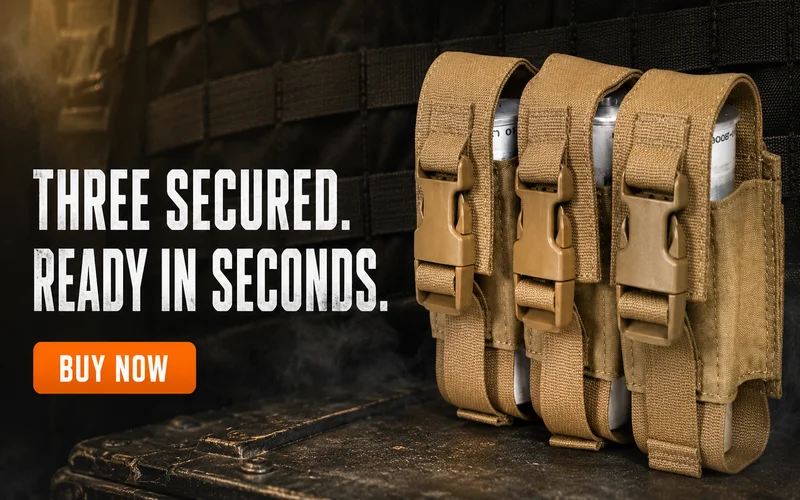
There are a few different types of ammunition pouches, depending on the ammunition and placement you want. Chase Tactical sells flashbang pouches, mag holders for pistols and different-sized guns, and shotgun strip pouches. If you’re deciding between attachment styles, see our comparison of hook-and-loop vs. bungee mag pouches for how each holds up under movement.

Before buying an ammo pouch, think carefully about the situation you need it for. Do you need multiple mags to reload, or space for just one? If you use weapons that take different types of ammunition, it’s worth buying multiple pouches so you can switch out gear depending on which weapon you’re using. Our guide to organizing ammo on a plate carrier covers how to position multiple pouches without crowding your setup.

First Aid and Medical Pouches

Besides general utility and ammo pouches, store valuable gear on your plate carrier with pouches designed specifically for first aid equipment. If you’re heading into a high-risk situation, there’s always a chance you or a colleague could get injured, so it’s best to have first aid equipment on hand.

Tactical gear makers, including Chase Tactical, build pouches for specific medical equipment such as trauma shears and tourniquets, making it easy to find what you need immediately instead of digging through a packed utility pouch. The Rapid Deploy IFAK Pouch keeps a full trauma kit in one place if you’d rather not load your carrier down with several separate pouches.

Not sure whether to buy a dedicated first aid pouch or build your own kit? Our IFAK vs. traditional first aid kit comparison walks through the tradeoffs, and our tactical tourniquet guide covers proper placement and use.
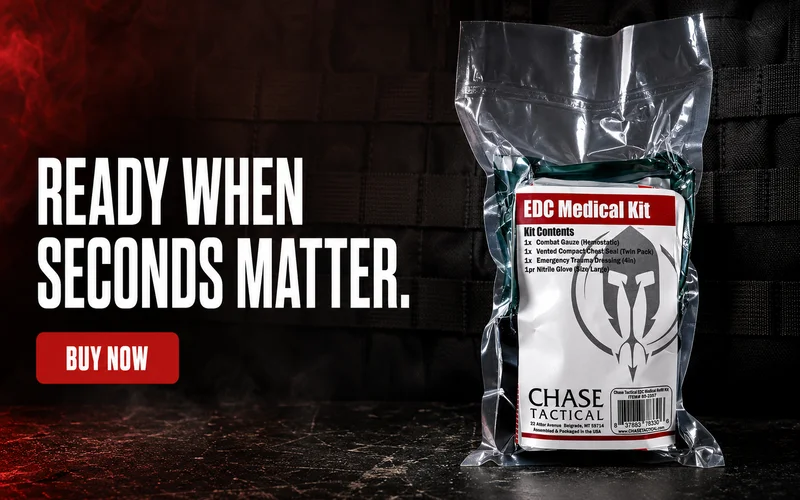
Medical Kit

Hydration Systems

Integrated hydration systems let you carry water and drink hands-free, which helps you stay hydrated during long missions. Chase Tactical's small hydration pouch and large hydration pouch attach directly to MOLLE webbing so you can match the pouch size to how much water your mission requires. These attachments improve the overall efficiency of your tactical gear setup, especially in demanding conditions.

MOLLE Attachment Systems and Plate Carrier Attachments

The MOLLE (Modular Lightweight Load-Carrying Equipment) system is the modular platform behind most plate carrier attachments. It relies on rows of webbing sewn into the carrier, letting you attach pouches, hydration carriers, first aid kits, and more without stitching or extra hardware. MOLLE is often mentioned alongside PALS (Pouch Attachment Ladder System), which is the actual grid of webbing that MOLLE gear clips onto. Our guide to the differences between MOLLE and PALS breaks down how the two terms relate.

For attaching pouches, you can choose between traditional MOLLE weaving, quick-attach clips, or hook-and-loop backing. Our comparison of MOLLE vs. Velcro attachments breaks down when each makes sense, and our guide to maximizing MOLLE real estate on any carrier covers how to fit more gear without overcrowding your setup.

Radio and Communication Pouches

Radio pouches keep your communication device secured and accessible without digging through your kit mid-mission, so you can stay in touch with your team at all times. Chase Tactical’s padded radio pouch attaches directly to MOLLE webbing and keeps your radio protected. Proper attachment and placement can make a real difference in high-pressure situations, where seamless communication is vital.
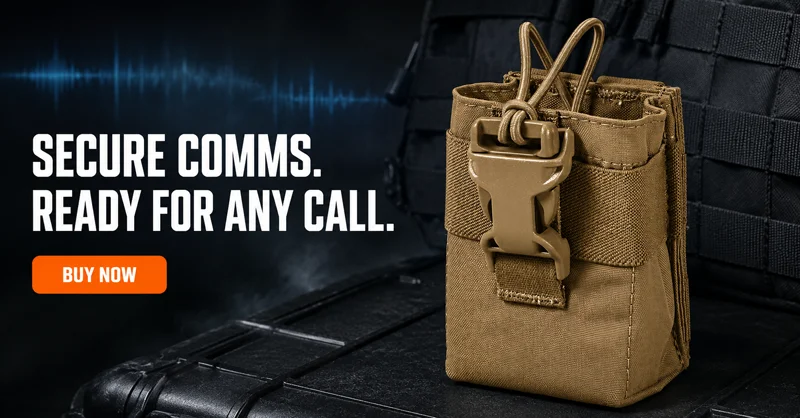
Radio Pouch

Dump Pouches

Dump pouches are versatile additions to your gear, letting you quickly stow away empty magazines or other items, which is invaluable for maintaining speed and efficiency in high-pressure situations. A roll-up dump pouch folds flat when you’re not using it and opens up fast when you are.

Clips, Placards, and Patches

Clips play a vital role in securing smaller accessories to your plate carrier, including hydration tubes, flashlights, tactical gloves, or small tools. While many plate carriers come with built-in clips, you can always add extra ones as your loadout grows. High-quality clips are typically made from durable materials like aluminum or polymer so they hold up under tough conditions.

For a way to swap patches and IDs without re-attaching your whole front panel, a MOLLE Velcro placard gives you one panel you can customize on the fly. Our guide to Velcro placards for plate carriers covers sizing and attachment.

Tactical Lights and Holsters

Tactical lights securely hold a flashlight for quick access, while holsters provide options for carrying a sidearm, either drop-leg or chest-mounted, depending on your preference and tactical needs. These attachments are crucial for enhancing your operational capabilities in low-light conditions, and they add real versatility to your gear.

Personal Retention Lanyards

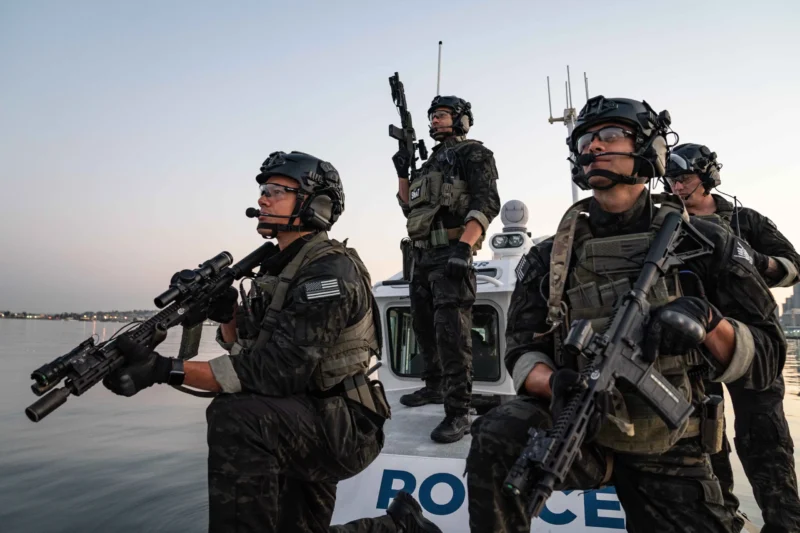
If you’re a professional who needs something to secure your plate carrier, get a personal retention lanyard. Personal retention lanyards secure into your belt and are ideal for maritime and helicopter operations, and can be secured or released using just one hand.

Look for lanyards designed for personal retention, with features such as strong cording, automatic cable clamping, maximum tension, and easy release so you can use them tactically. Ideally, you want a lanyard with a clamp that uses a double-gate system, which makes it easy to release intentionally but nearly impossible to loosen accidentally.

Shoulder Pads and Cummerbunds
Enhanced-Shoulder-Pads

Plate carriers are great equipment, but all that protective armor can get heavy, especially once you add pouches full of ammunition, first aid gear, and more. Shoulder pads sit under the shoulder strap of your plate carrier, spreading out the weight and cushioning the force. If you wear your plate carrier for long periods, shoulder pads are essential for comfort. If built-in padding isn’t enough, our guide to shoulder pad alternatives for comfort covers other ways to ease the load.

A cummerbund wraps around your waist for a snugger fit and extra MOLLE real estate on the sides of your carrier. Chase Tactical’s rapid-disconnect cummerbund lets you release the carrier with one pull in an emergency. For more on how a cummerbund changes your setup, see our plate carrier cummerbund guide.
Backpacks

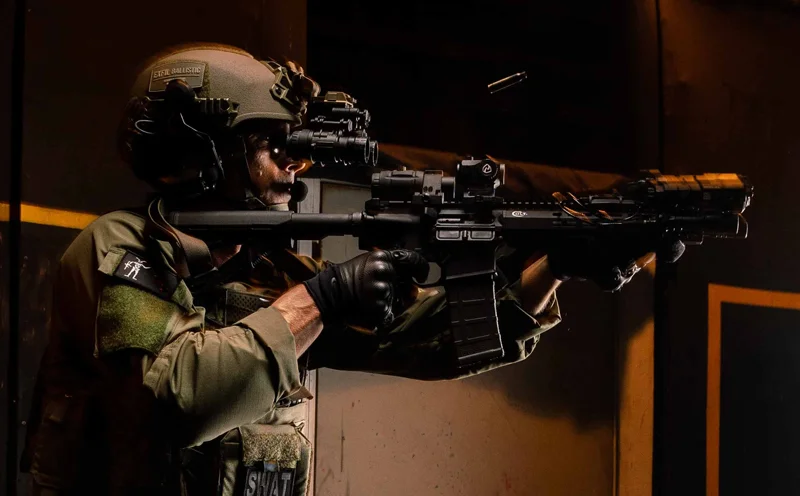
If you want a heavy-duty setup, a backpack is a great addition to a plate carrier. A backpack's back panel provides storage space for missions that run entire days. Chase Tactical's armored backpacks add back protection to complement the chest coverage of your plate carrier, and many tactical backpacks come with water carriers for long days in dry terrain. Our guide to plate carrier backpacks covers how to pick one that won't crowd your MOLLE real estate.

Armor and Trauma Inserts

Beyond your primary ballistic plates, soft trauma inserts add blunt-force protection around your hard plates. Chase Tactical's soft trauma armor insert and Level IIIA soft armor insert are built to work alongside standard rifle plates without adding significant bulk.

Where to Position Accessories on Your Plate Carrier

Once you've picked out accessories, where you mount them matters almost as much as what you choose. Positioning affects how quickly you can reach your gear and how balanced the carrier feels once it's loaded.

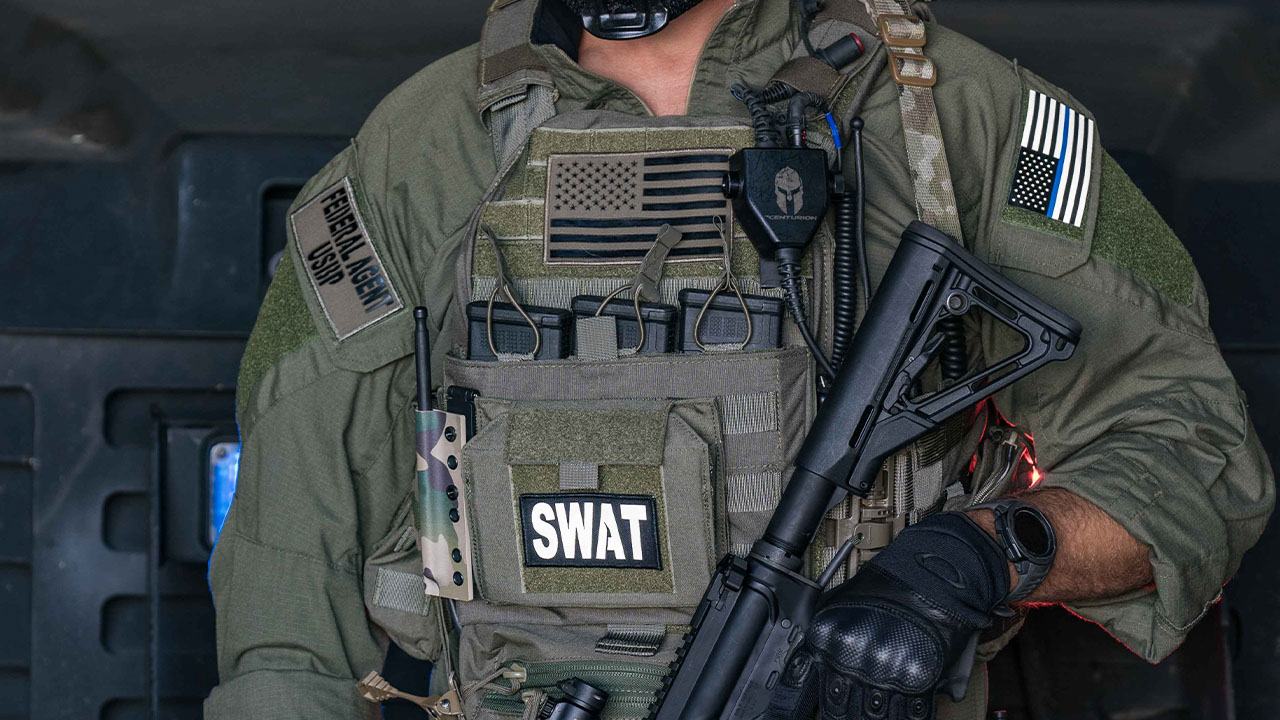
Front: The front of your plate carrier, usually below the front plate, is prime real estate for a MOLLE Velcro placard, admin pouch, or your most-used mag pouches, since it's the easiest area to reach with either hand.

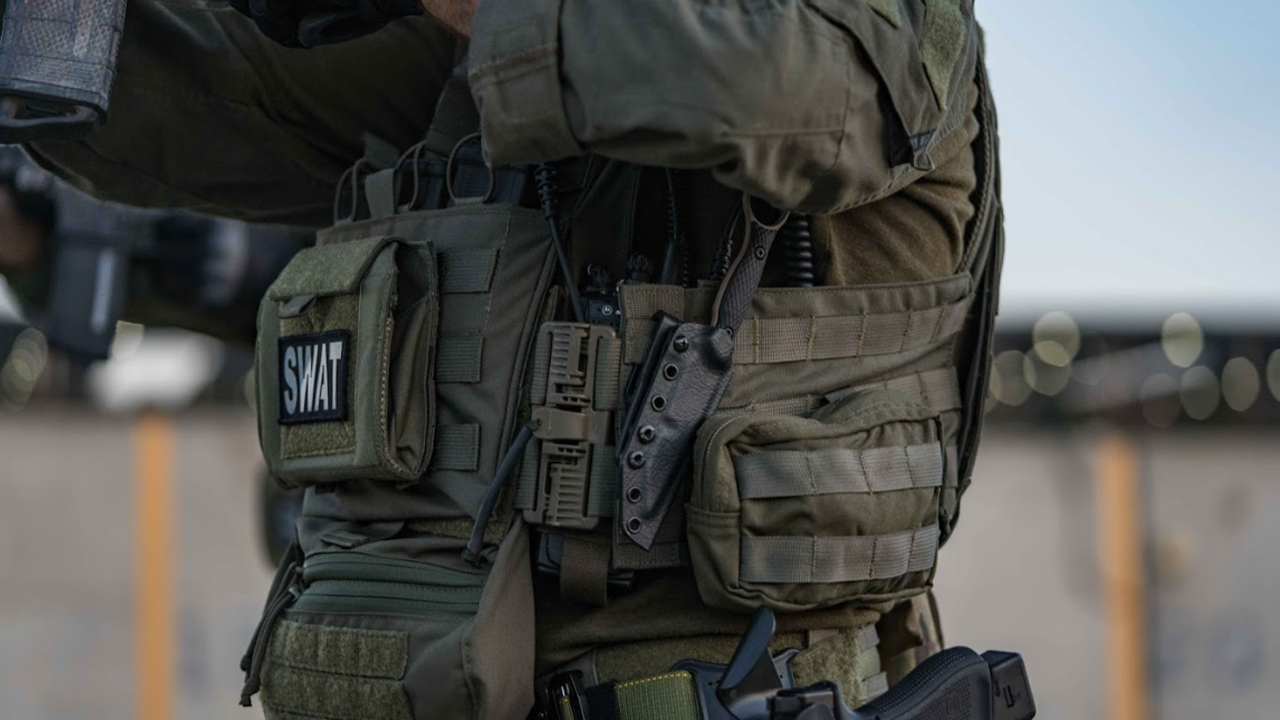
Sides: Side pouches sit along your ribs and are a common spot for a secondary mag pouch, a radio pouch, or a compact medical pouch, keeping your center mass clear for movement.

Lower front: A plate carrier lower accessory pouch mounts just below the main cummerbund line and works well for extra utility storage or a dump pouch without adding bulk to your primary MOLLE rows.

Back: The back panel is typically reserved for a hydration bladder or a backpack attachment, since it's harder to reach quickly but has the most open space to work with.

There's no single correct layout. Start with the accessories you'll reach for most often in the front and sides, and use the back and lower panel for supporting gear like hydration and dump pouches.

Choose Right Accessories

How to Choose the Right Plate Carrier Accessories

With so many plate carrier accessories available, prioritize the ones that match your actual use case:

  • Mission type: Law enforcement, military, and civilian self-defense setups call for different pouch layouts and comfort needs.
  • MOLLE compatibility: Confirm your carrier's webbing matches the attachment system on the accessory before you buy.
  • Weight and comfort: Every pouch you add increases the total load, so balance storage against how long you'll be wearing the carrier.
  • Budget: Start with the accessories you'll use every time out, like utility pouches, first aid, and ammo storage, then add specialty gear as your setup evolves.

If you're setting up a plate carrier for the first time, our step-by-step guide to setting up a plate carrier walks through the order to add each accessory, and our complete tactical loadout guide covers how a plate carrier fits into your broader kit.

Final thoughts

Get the most out of your plate carrier with the right combination of accessories. From utility pouches to cummerbunds, Chase Tactical carries gear for beginners and experienced operators alike. When selecting accessories, weigh price, durability, and how each piece fits your existing configuration. You don’t need to spend a fortune to build a solid plate carrier setup, since many high-quality accessories are available at competitive prices. Browse the full lineup of plate carrier accessories to start building yours today.

Frequently Asked Questions

What Contributes to the Comfort of a Plate Carrier?

Comfort in a plate carrier mainly comes from adjustable straps and sufficient padding. These carriers are designed to fit different types of armor plates, which lets you modify your protection level according to the potential threat.

What Are the Best Plate Carrier Accessories to Start With?

The plate carrier accessories most people reach for first are utility pouches, ammo pouches and magazine holders, and a first aid pouch. These cover storage, ammunition, and emergency medical needs before you add specialty gear like radio pouches or hydration systems.

What Is the Difference Between MOLLE and PALS on a Plate Carrier?

PALS refers to the actual grid of webbing sewn onto a plate carrier, while MOLLE describes the broader system of pouches and accessories designed to attach to that webbing. See our guide to the differences between MOLLE and PALS for a full comparison.

Do I Need a Cummerbund With My Plate Carrier?

A cummerbund isn't required, but it adds a snugger fit around your waist and extra MOLLE space on the sides of your carrier. It's worth adding if you plan to carry side pouches or want a quicker on and off with a rapid-disconnect option.

Are Plate Carrier Accessories the Same as Tactical Vest Accessories?

Yes, in most cases. MOLLE-compatible plate carrier accessories, like pouches, cummerbunds, and radio holders, use the same PALS webbing whether the base garment is called a plate carrier or a tactical vest, so accessories are typically interchangeable between the two as long as the webbing matches.