






Plate Carrier Backpacks: Best Options for Tactical Use in 2026


A plate carrier alone runs out of storage fast. Once you’ve filled the front and back panels with rifle magazines and a first aid kit, there’s nowhere left to put water, a spare layer, or breaching tools. That’s the gap a plate carrier backpack closes. Pairing a MOLLE-compatible pack with your carrier turns a two-piece setup into one system that carries armor plates and gear without adding a second harness across your shoulders.
It’s standard practice for a complete tactical loadout, and it works just as well for hikers, hunters, and preppers who need a rugged way to move gear as it does for anyone building a combat-ready setup.
Chase Tactical Recommended Setups
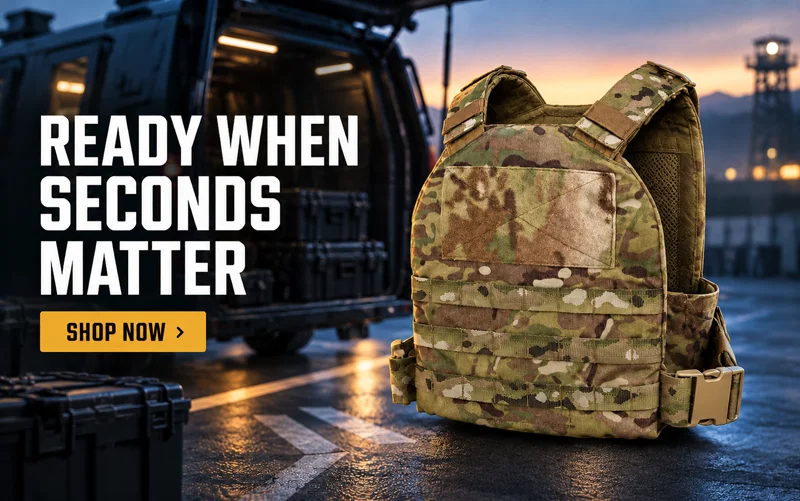
If you want a plate carrier and backpack combo that’s ready to run without hunting for compatible parts, Chase Tactical builds both to the same MOLLE spec, so attachment is never a guessing game.
QRC Plate Carrier + Assault Pack
The Quick Response Carrier ships with a full MOLLE rear panel built to accept any 10L to 25L assault pack on the market, not just ours. It takes standard 10×12 Level III and Level IIIA ballistic armor plates, comes in MultiCam, Coyote, and Black, and is made in the US by a veteran-owned shop.
Types of Backpacks That Pair Well With Plate Carriers
Technically, almost any backpack with rear webbing can be lashed to a plate carrier. In practice, the pack you choose should match how long you’ll be out and how much you’re carrying, not just what’s on sale. Capacity is the first filter, and it typically breaks into three tiers:
| Pack type | Capacity | Best for | Key features | Price range |
| Hydration | 10 to 15L | Patrol, short ops | Bladder sleeve, low profile, MOLLE ready | $40 to $80 |
| Assault | 10 to 25L | Day missions | Multiple compartments, adjustable straps, mag storage | $100 to $250 |
| Utility | 36 to 56L | Multi-day field ops | Quick release, frame sheet, compatible with side plate vests | $250+ |
1. Hydration Packs
Hydration packs stay thin by design, which is exactly why they pair so cleanly with a plate carrier. Most carry MOLLE webbing on the back panel, so MOLLE and PALS webbing line up without an adapter, and the bladder sleeve doesn’t add bulk you’ll notice under a load. On a patrol-length op, this is usually the only pack you need.
2. Assault Packs
Assault packs sit in the 10L to 25L range and are built for missions measured in hours, not days. The size is deliberate: enough room for a survival kit, an IFAK pouch, and a few spare rifle magazines, without adding so much bulk that you’re sacrificing speed. Multiple zippered compartments keep those items sorted so you’re not digging through one main bag under pressure, and a pack like this benefits from smart packing, so it pays to maximize your MOLLE real estate rather than overloading the interior.
3. Utility Backpacks
Utility packs run 36L to 56L and are built for users covering multiple days in the field, where the math changes from “what do I need for a few hours” to “what do I need if resupply isn’t coming.” A quick-release option matters more here than on a smaller pack, since detaching 40+ pounds fast is a different problem than shrugging off a light assault pack. If you’re not sure which size actually fits your op, our breakdown of best military backpack sizes walks through it by mission type.
Who Uses Plate Carrier Backpacks
The people buying this combo aren’t all doing the same job, and their reasons for wanting one look different depending on what they’re using it for.
Military and Law Enforcement
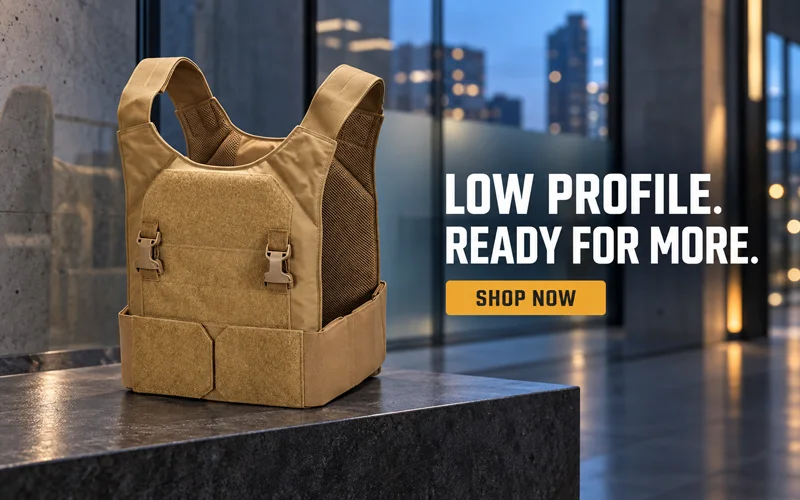
For operators and officers, this isn’t an accessory, it’s mission-essential kit. Combining armor protection with storage for ammunition, comms gear, medical supplies, and breaching tools means one system instead of two, and during an extended deployment that reduces the number of separate carry rigs someone has to manage while staying combat-ready.
Hunters and Outdoor Enthusiasts
Hunters working remote terrain have picked up on plate carrier backpacks for the same reason operators use them: the modular MOLLE layout lets you rearrange gear for the day’s plan, and Cordura nylon shrugs off brush, rain, and the general abuse of moving through rough country.
Preppers and Emergency Responders
For this group, the combo functions as a single grab-and-go system. Level IIIA ballistic protection covers the unpredictable part, while the pack’s storage keeps food, water, medical kits, and communication gear in one place instead of scattered across separate bags.
Key Features to Look For in a Plate Carrier Backpack Setup
MOLLE Compatibility
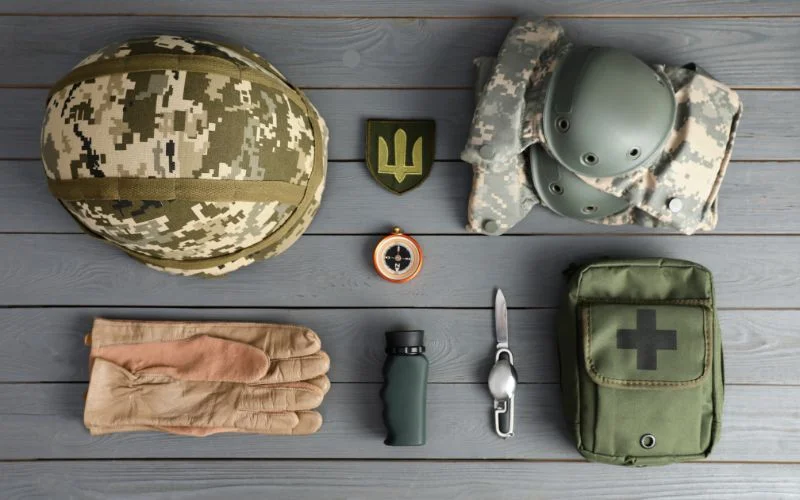
MOLLE webbing is the feature everything else depends on. It’s what lets you attach pouches and a pack directly to both the plate carrier and the backpack itself, and it’s the difference between a customizable setup and one you’re stuck with. If you’re deciding between attachment styles, our comparison of MOLLE vs. Velcro attachments covers where each one actually holds up.
Material Durability
Both the pack and the carrier should be built from a rugged fabric like Cordura nylon, which resists tearing, water, and abrasion far better than standard nylon. This matters more than most buyers expect once a pack has spent a season getting dragged through brush and dropped on gravel.
Quick-Release Mechanism
A quick-release system is not a luxury feature. In an emergency, being able to shed the pack in one motion, without fighting straps, can matter more than anything else on this list. Chase Tactical’s quick-release plate carriers are built around exactly this requirement.
Weight Distribution
Padded, adjustable shoulder straps and a cummerbund or waist belt do the actual work of spreading weight across your frame instead of letting it hang off your shoulders. This is a comfort issue on short trips and a real problem on long ones, where poor distribution shows up as back pain by the second hour.
Plate Carrier Compatibility
Before buying either piece separately, confirm the backpack’s attachment system actually matches your plate carrier’s cummerbund and rear panel. Some backpacks connect through dedicated attachment loops, while others clip straight onto MOLLE rows on the back panel or plate carrier cummerbund, and mixing incompatible systems is a common and avoidable mistake.
Price vs. Protection Level
Entry-level hydration packs start around $40 to $80. Assault packs in the mid-range run $100 to $250. Utility packs built for multi-day operations typically start at $250 and go up from there. Spending at the right tier for your actual use case matters more than chasing the cheapest option, since a pack that fails in the field costs you more than the money you saved.
Advantages of a Backpack and Plate Carrier Combo
Improved Mobility and Accessibility
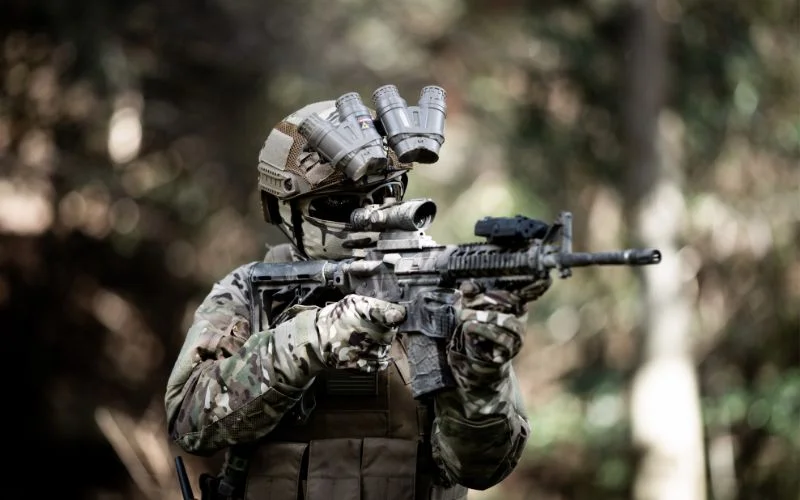
Running through varied terrain with both hands free changes what you can actually do in the field. The plate carrier keeps essentials up front where you can reach them without breaking stride, while the backpack handles everything else. If you’re weighing this setup against a chest rig instead, it helps to know how you plan to organize ammo on your plate carrier before deciding which carries better for your loadout.
Balanced Load Distribution Improves Comfort
Spreading weight evenly across your body reduces strain, and a plate carrier already does this with armor plates across the torso and shoulders. Add a backpack and there’s more total weight to manage, so keeping everything balanced becomes non-negotiable rather than a nice-to-have. Get it right and you avoid the back and shoulder pain that cuts a long carry short.
Enhanced Storage and Organization
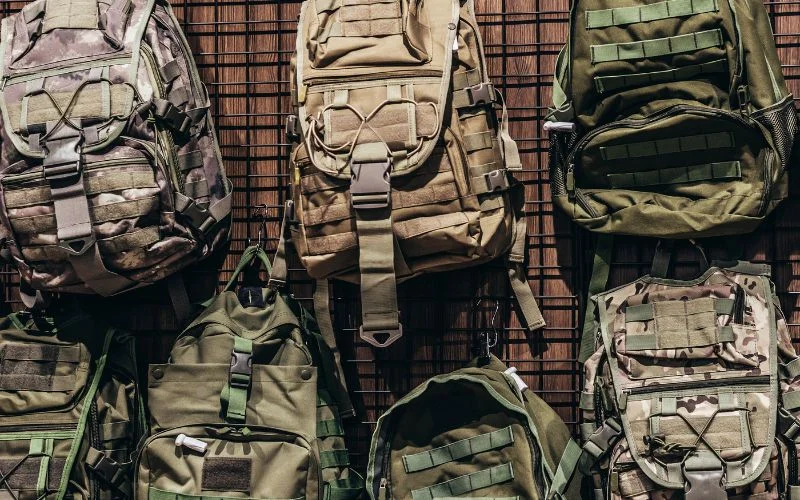
A plate carrier on its own only has so much real estate. Adding a backpack expands that significantly, and it lets you organize by urgency: keep frequently used items in front pouches or side pockets within easy reach, and push bulkier or rarely used gear into the backpack’s larger compartments.
Modular Design for Customization
The modular layout is what makes this combo worth building in the first place. Whether you’re packing extra ammunition, medical kits, or mission-specific gear, the compartments across both the carrier and the pack are designed to hold your essentials without forcing you into one fixed configuration.
Comfortable and Adjustable Fit
Fully adjustable shoulder straps mean the setup fits a range of body types instead of just one, which matters for extended field use since straps that can be tuned distribute weight far more evenly than fixed ones. Most builds also use lightweight materials, so comfort doesn’t come at the cost of durability.
Ballistic Protection and Camo Advantage
The armor side of this combo, typically Level IIIA, is what separates it from a standard tactical backpack. For a closer look at how that compares to rifle-rated protection, see our breakdown of Level IIIA vs. Level III body armor. Camo patterns on the backpack and carrier add a second benefit beyond stopping power: blending into the environment gives you an edge you don’t get from armor alone.
How to Attach a Backpack to a Plate Carrier
With the benefits and features covered, here’s the actual process for mounting a backpack to your plate carrier so it stays put under load.
Step 1: Choose the Right Backpack and Plate Carrier
Check that your plate carrier has MOLLE webbing or another attachment system on the back panel before you buy a pack to go with it. The backpack needs matching MOLLE straps; if it doesn’t have them, carabiners, buckles, or dedicated attachment straps can fill the gap, though they won’t hold as securely as a true MOLLE-to-MOLLE connection.
Step 2: Position the Backpack on the Plate Carrier
Center the pack directly over the back of the carrier and secure it evenly on both sides. An off-center pack will hang and shift under movement, which turns into an uncomfortable, unbalanced load fast.
Step 3: Secure the Backpack via MOLLE Straps or Webbing
If both pieces have MOLLE webbing, weave the straps through and cinch them tight. Thread every strap through multiple loops on both the backpack and the carrier rather than just one or two, since a single connection point is exactly where a setup fails under stress.
Step 4: Test for Stability and Comfort
Load the backpack the way you actually intend to use it, then put on the full setup. Jog in place and drop to a kneeling position. The pack should stay flat against the carrier’s back panel without shifting or bouncing. If it moves, tighten the attachment straps or add a compression strap across the cummerbund. If your pack has a quick-release mechanism, practice the release while wearing the full setup so it drops free in one motion without snagging on straps or hardware.
Step 5: Add Accessories and Make Final Adjustments
Once the backpack is locked onto the MOLLE webbing, add any remaining pouches or plate carrier accessories and make final strap adjustments to the fit.
Maintenance Tips for Long-Lasting Durability
Before you get to cleaning and storage, it helps to know how your pack handles moisture in the first place. Our guide on waterproof vs. water-resistant tactical backpacks covers which material actually holds up in your deployment environment.

- Clean often. Dirt and moisture break down materials faster than most people expect. Clean both the plate carrier and backpack after every trip, especially after wet or muddy conditions.
- Check the straps and buckles. Before every trip, confirm every attachment point, shoulder pad, strap, and buckle is secure and shows no wear that could fail under load.
- Store it properly. Keep the setup in a cool, dry place, and avoid compressing straps or pouches for long periods, since that stretches fabric out of shape over time.
Conclusion
Pairing a backpack with a plate carrier turns two separate pieces of gear into one system built for tactical operations, recreational use, or emergency deployment. Whether you’re hiking, hunting, or running a combat-ready loadout, the combination keeps your hands free and your gear organized for whatever the field actually demands, not just what a spec sheet promises.
Frequently Asked Questions
Can any backpack attach to a plate carrier?
Most tactical backpacks with MOLLE webbing can attach to a plate carrier as long as the carrier has MOLLE rows on its back panel or cummerbund. You can still carry a non-MOLLE backpack over a plate carrier using shoulder straps, but it won’t stay secure during running or tactical movement. For a stable connection, both pieces need to be MOLLE-compatible.
What size backpack works best with a plate carrier?
For day operations and short missions, a 10L to 25L assault pack is the practical choice. For multi-day field operations, a 36L to 56L utility pack provides the storage needed for rations, sleeping systems, and extended medical supplies. Pick the smallest capacity that actually covers your mission, since a heavier pack adds fatigue and cuts into the benefit of wearing armor in the first place.
Is a plate carrier backpack good for rucking and fitness training?
Yes. Athletes and military fitness enthusiasts use a plate carrier with a backpack for rucking because it trains the body to carry a realistic operational load. The carrier distributes armor weight across the torso while the backpack holds additional weighted plates or training gear, which closely simulates a combat load and builds the strength and endurance a real deployment demands.
What is the difference between a plate carrier backpack and a regular tactical backpack?
A regular tactical backpack is a standalone carry system with no integrated armor. A plate carrier backpack is built to attach to a plate carrier vest, typically through MOLLE webbing on the carrier’s rear panel, combining ballistic protection from the carrier’s plates with the extra gear storage of the backpack. Some purpose-built designs go a step further and integrate a small pack directly into the carrier’s rear panel.
Can civilians legally own and use plate carrier backpacks?
Yes, civilians in the United States can legally purchase and wear plate carrier backpacks in most states. Some states restrict body armor purchases for individuals with prior felony convictions, though the backpack component itself carries no legal restriction. Check your state’s body armor laws and restrictions before you buy.
What brands make the best plate carrier backpacks?
Chase Tactical, Condor Outdoor, Shellback Tactical, and Agilite are among the most trusted names in this space. Chase Tactical is a US-based, veteran-owned manufacturer that builds plate carriers and compatible backpacks to military and law enforcement specifications, backed by direct customer support and a strong warranty program.