







Syria, Russia Reach Deal on Future of Two Key Military Bases

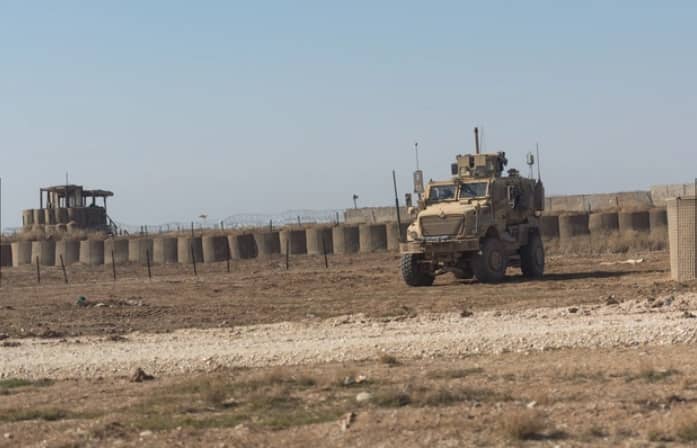
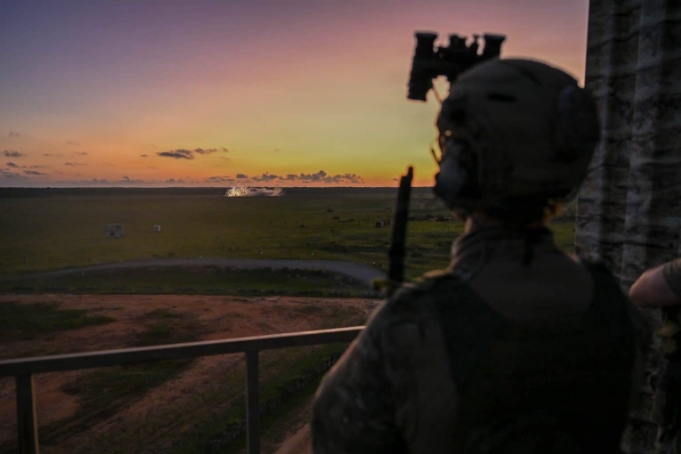
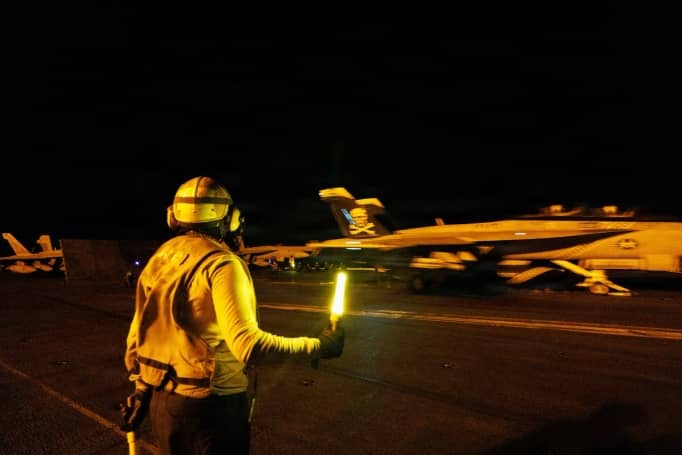
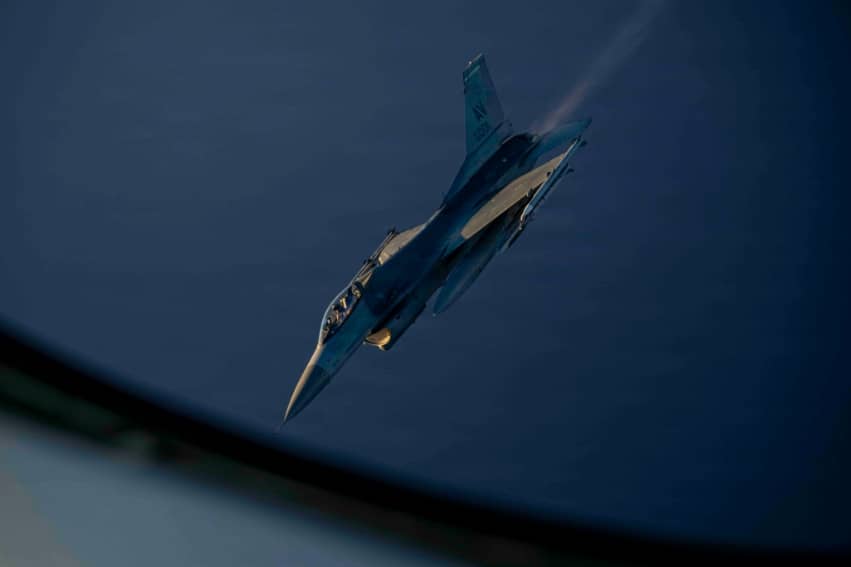
Photo by Master Sgt. Raymond Boyington Combined Joint Task Force - Operation Inherent Resolve
Syria and Russia have agreed to end Moscow’s use of two strategic Mediterranean bases as military outposts, Syria’s Foreign Ministry said Sunday.
Under the agreement, Syria will take control of the Hmeimim air base near Latakia and the commercial berth at Tartus port as part of its civil administration. The military facilities at both sites will be converted into “joint training and qualification centers,” Syria’s Foreign Ministry said.
“This move marks the most significant development since negotiations began approximately a year and a half ago, paving the way for a new phase in Syrian-Russian relations,” the ministry said in a statement.
The ministry added that the agreement represents a “reorganizing of the Russian presence” along Syria’s coast.
The agreement, reached after about 18 months of negotiations, sets a deadline of no more than three months to complete the transition, according to Syria’s official SANA news agency. Civilian facilities at both bases will be handed over to Damascus during the transition.
The agreement marks a significant change to Russia’s military footprint in the Middle East. Hmeimim and Tartus have been central to Moscow’s ability to project military power into the eastern Mediterranean and support its operations beyond Syria. Their future status has therefore been closely watched since the collapse of the Assad government.
Hmeimim, located near the coastal city of Latakia, served as the primary hub for Russian air operations in Syria. The facility became particularly important after Moscow intervened militarily in the Syrian conflict in 2015, when Russian aircraft were deployed to support the government of Bashar Assad.
Tartus, meanwhile, provided Russia with an important naval facility on the Mediterranean. The port allowed Russian vessels to receive logistical support without having to return to ports farther away, giving Moscow a strategically valuable presence in the region. Together, the two facilities formed the backbone of Russia’s military infrastructure in Syria.
Relations between Russia and Syria changed significantly following the ouster of President Bashar Assad in December 2024.
During Assad’s rule, Moscow was a key ally of his government, providing military support that helped keep it in power. The Hmeimim air base and Tartus naval facility served as Russia’s main military footholds in the eastern Mediterranean.
Moscow did not intervene during the insurgency that led to Assad’s removal. However, it later granted asylum to the former president and his family.
The change in government created uncertainty over whether Russia would retain access to its Syrian military facilities. Rather than immediately severing relations with Moscow, however, Syria’s new leadership pursued negotiations over the future of the Russian presence.
The latest agreement appears to provide Damascus with greater administrative control over the strategically important coastal facilities while allowing some form of continued Russian involvement through the creation of joint training and qualification centers.
For Russia, the arrangement could represent a compromise that preserves a relationship with Damascus and some access to facilities that have been important to its regional military strategy. For Syria, taking control of the civilian portions of the facilities provides the government with greater authority over strategically important infrastructure along its Mediterranean coastline.
The agreement could also signal that both governments are attempting to separate their current relationship from the close alliance Moscow maintained with Assad. Rather than completely ending Russian involvement, Damascus appears to be seeking a new relationship with Moscow that reflects Syria’s post-Assad political environment.
Despite the changes to Russia’s military role in Syria, Damascus has maintained ties with Moscow. Russian President Vladimir Putin has received al-Sharaa twice in Moscow since he took office.
During al-Sharaa’s most recent visit in January, Putin said “much has been accomplished in terms of restoring our interstate relations” and praised al-Sharaa’s “efforts to restore Syria’s territorial integrity.”
Al-Sharaa has also praised Russia’s “historic role” in Syria and the region. At the same time, Damascus has repeatedly called on Moscow to extradite Assad, who has been living in Russia with his wife since his ouster.
That issue remains one of the more complicated aspects of the relationship between the two countries. Syria’s new government has sought accountability for figures associated with the former Assad government, while Russia has continued to provide protection to the former president.
The handling of Hmeimim and Tartus demonstrates that the two countries can continue diplomatic and strategic cooperation despite disagreements over Assad and his legacy.
The three-month transition period will now be closely watched as Syria begins assuming control of the civilian facilities and the military sites are transformed into joint training centers. How the arrangement operates in practice could determine the extent of Russia’s future influence along Syria’s coast.
The agreement also leaves open questions about the long-term role Russia will play in Syria’s security structure. While Moscow’s previous military footprint appears to be changing, the creation of joint facilities indicates that the relationship is not being completely dismantled.
Russia did not immediately comment on the agreement.
For Damascus, the deal represents another step in consolidating control over important national infrastructure following the end of Assad’s rule. For Moscow, it provides an opportunity to maintain ties with Syria despite the loss or restructuring of the military arrangements that existed under Assad.
The coming months will therefore be critical in determining whether the agreement becomes a permanent reduction of Russia’s military presence in Syria or instead establishes a new model for Russian-Syrian security cooperation.