







How to Build Functional Strength for Tactical Use

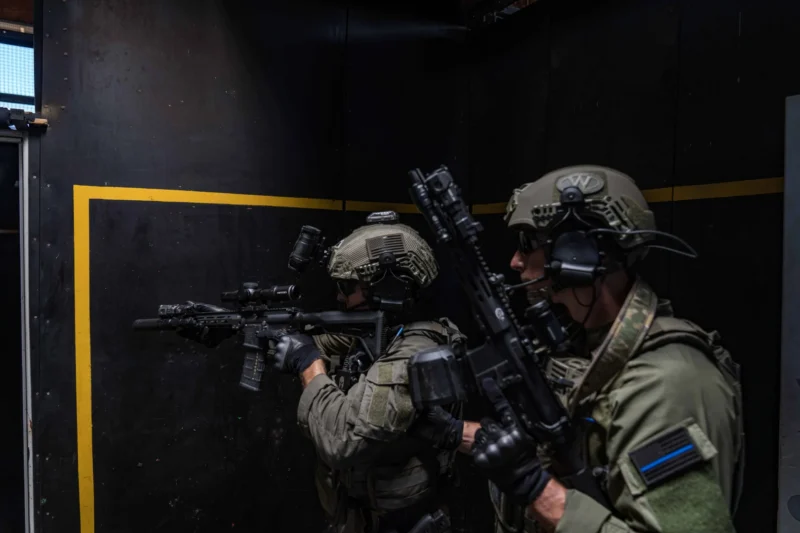
Building functional strength for tactical use requires more than just lifting weights. It’s about developing power, agility, and endurance that translate directly to real-world operational demands. Whether you’re a military operator, law enforcement officer, or serious civilian preparing for high-stakes situations, your training must go beyond aesthetics. True tactical fitness is built around mobility, coordination, explosive power, and the ability to perform under load and fatigue.
This guide breaks down the key components and the exact methods to help you build functional strength that actually works in the field.
Maximal Strength vs. Functional Strength: Understanding the Difference
Both maximal and functional strength serve distinct purposes, and understanding the difference is critical to tailoring your training correctly.
Maximal strength focuses on lifting the heaviest possible weight for a single repetition, measured by your one-rep maximum (1RM) in exercises like squats and deadlifts. It’s the foundation of raw power and muscle development.
Functional strength, on the other hand, targets real-world physical demands. It enhances mobility, balance, and coordination through dynamic, full-body movements like lunges, weighted carries, and kettlebell work. Rather than isolated muscle development, it emphasizes practical, injury-resistant performance the kind that keeps you moving when it matters most.
For tactical athletes, the goal is to develop both and then integrate them. Raw strength without functional movement patterns fails in unpredictable environments.
Key Fitness Attributes for Tactical Performance

Speed and Endurance
In tactical environments, speed and endurance aren’t separate qualities; they’re interdependent. High-intensity interval training (HIIT), such as sprint intervals, builds anaerobic capacity. Long-distance runs develop the aerobic base required for multi-day operations. Ruck marching with a weighted pack builds both physical endurance and mental toughness while closely simulating real-world gear demands.
Zone 2 cardio, low-intensity cycling or jogging, develops a deep aerobic foundation critical for sustained operations. For speed development, short sprints with controlled rest periods improve running economy and efficiency. Tempo runs at higher intensities refine your speed endurance, helping you maintain performance through longer, more demanding scenarios. The National Strength and Conditioning Association provides validated programming standards for tactical athletes covering aerobic base development and sprint training protocols.
Strength and Power
Maximal strength through barbell lifts, deadlifts, and bench presses lays the foundation. But functional movement patterns are what turn raw strength into operational effectiveness.
In tactical scenarios, strength is applied to dynamic, unpredictable actions: carrying an injured teammate, wrestling a suspect, hauling gear over rough terrain. Compound exercises like overhead presses, pull-ups, and farmer’s walks build broad-spectrum strength that supports these demands. They prepare you to carry gear, move obstacles, and sustain output under pressure.
Flexibility and Mobility
Flexibility describes your muscles’ ability to stretch. Mobility refers to your ability to control and stabilize your joints through their full range of motion. Without mobility, increased flexibility can actually increase injury risk by reducing joint control.
Prioritizing mobility improves agility, coordination, and reaction times in the field. Dynamic stretching, static stretching, and dedicated mobility drills can increase range of motion by 25–30% within weeks, directly supporting tactical performance and accelerating recovery.
Functional Exercises for Upper Body Development
Upper body functional training should mirror the pulling and pressing demands of real-world operations:
- Push-ups — 4 sets of 12–15 reps. Engages chest, shoulders, triceps, and core simultaneously.
- Kettlebell overhead presses — 4 sets of 10–12 reps. Builds shoulder strength and mimics overhead lifting tasks.
- Medicine ball slams — 4 sets of 10 reps. Develops the power and speed required in tactical engagement scenarios.
- Inverted rows and pull-ups — Strengthens the posterior chain through pulling movements essential for climbing and dragging.
- One-arm kettlebell snatches and plank-to-push-up transitions — Multi-muscle drills that build stability and coordination.
Lower Body and Core Functional Exercises
Lower body power and core stability form the base of every tactical movement:
- Barbell back squats — 5 sets of 5 reps. Foundational lower body power.
- Reverse lunges — Build unilateral strength and endurance.
- Romanian deadlifts and hex bar deadlifts — Strengthens the posterior chain and reinforces core stability under load.
- Planks and side planks — Develop core endurance essential for carrying loads.
- Russian twists and medicine ball slams — Build rotational power for dynamic movements.
- Farmer’s walks — Simultaneously develops core stability and grip strength.
- Dead bugs and glute bridge marches — Stabilize the trunk and support functional movement patterns.
Train With the Armor Operators Trust
Functional strength training means nothing if your body armor holds you back. Chase Tactical’s NIJ-certified hard armor plates are engineered for operators who need real protection without sacrificing mobility — whether you’re on the range, rucking, or running drills in full kit.

Agility, Mobility, and Plyometric Training
Enhancing Reactive Speed
Plyometric exercises engage the stretch-shortening cycle, training tendons to act like springs. The result is improved neuromuscular coordination, reduced ground contact time, and faster foot-strike reactions. Over time, repeated plyometric exposure, including depth jumps, builds reactive strength by training the body to switch from eccentric to concentric movements with minimal delay.
Combined with sprint training, plyometrics enhance overall speed, agility, and direction-change capability all critical for tactical scenarios.
Injury Prevention
Plyometric training, when programmed correctly, dramatically reduces the risk of non-contact ACL injuries. Focus on:
- Toe-to-heel landings to minimize impact forces.
- Symmetrical landings to address leg imbalances.
- Starting with low-impact progressions: jump rope, squat jumps.
- Building a foundation of single-leg squats and deadlifts before advancing.
Safe progression transfers stress from joints to muscles, reducing knee torque and improving overall movement quality.
Effective Training Methods and Protocols
Tactical athletes need efficient, high-output training structures. Consider these proven methods:
- Cluster sets — Break sets into smaller clusters with rest periods to maintain rep quality and build strength without accumulated fatigue.
- EMOMs (Every Minute on the Minute) — Challenge strength endurance with timed intervals that demand consistency.
- Drop sets — Reduce load after failure to extend volume and build endurance.
- Multi-joint exercises — Squats, pull-ups, and deadlifts engage multiple muscle groups simultaneously, building coordinated power.
- Core integration — Planks and Russian twists embedded throughout training sessions reinforce stability.
Frequent 45–60-minute sessions are more effective for tactical preparedness than infrequent marathon workouts.
Train Hard. Gear Up to Match.
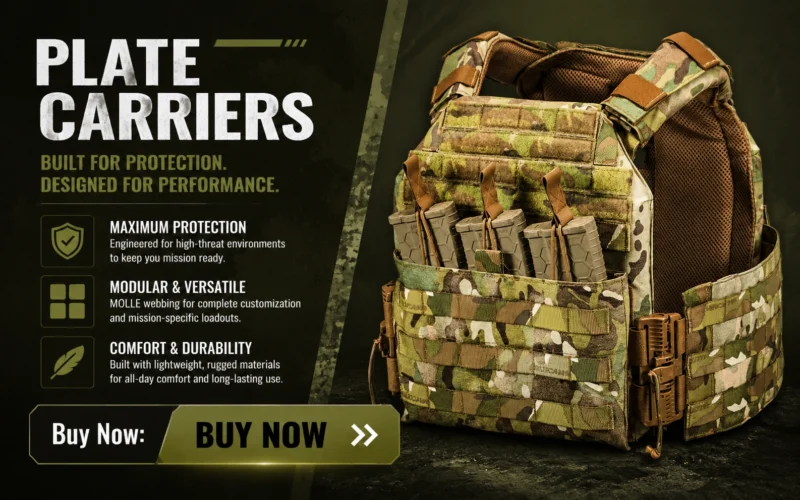
Your body is only half the equation. When you train with weight, you should train in the gear you’ll actually wear. Chase Tactical plate carriers are built for loaded rucking, functional training, and real-world performance — not just the range.
Incorporating Speed and Endurance Workouts
Running and Rucking Drills
Rucking with a weighted pack remains the most operationally specific endurance tool available to tactical athletes. Pairing it with a well-configured plate carrier setup conditions your body to the exact weight distribution you’ll face in the field. For optimal results:
- Short heavy-load intervals: Use 35–67.5% of body weight for short distances. Target 4.1–5.5 km in 15-minute bouts, completing 3–4 rounds.
- Long-duration rucks: Once weekly, ruck for 60+ minutes with at least 40 lbs. Secondary rucks capped at 60–75 minutes.
- Technique: Hinge at the hips, maintain fast foot turnover, and swing your arms to drive efficiency.
- Supporting strength: Squats, planks, and heavy rows delay fatigue and improve ruck performance.
High-Intensity Interval Training (HIIT)
HIIT protocols push VO2 max and make sustained high-speed effort feel more manageable. The best workouts for tactical strength and endurance combine HIIT with structured strength days for maximum carry-over to operational performance:
| Protocol | Work Interval | Rest |
| Tabata | 20 sec all-out | 10 sec |
| 40/20 | 40 sec high-intensity | 20 sec |
| 30/30 | 30 sec high-intensity | 30 sec recovery |
Implement with 400m repeats, alternating high-intensity spurts with recovery. Progress by increasing interval count over time.
Long-Distance Endurance Sessions
An 80/20 training split 80% low-intensity, 20% high-intensity builds an aerobic base without overtraining. The American College of Sports Medicine recommends this polarized approach for sustained performance in physically demanding occupations:
- Every 10–14 days, run a long, easy-paced session to sustain aerobic capacity.
- Incorporate 8–15-minute tempo intervals with hill integration for muscular adaptation.
- Use 400–800m repeats to increase VO2 max.
- Adjust pace and intensity based on the specific demands of your role or event.
Building Muscular Stamina and Power
Muscular endurance programming should follow the FITT principle: at least two sessions per week, 12+ reps at below 67% of 1RM, across 2–4 sets. Gradually increase rep counts to build stamina incrementally.
Power development prioritizes explosive bar speed. The power clean is the cornerstone movement it builds explosive force without adding excess muscle mass. This translates directly to fast, powerful real-world movements. Benchmark targets include 25-lb weighted pull-ups and consistent push-up output as readiness indicators.
| Exercise | Purpose | Tactical Impact |
| Push-ups | Muscular endurance | Enhanced sustained output |
| Power clean | Explosive power | Increased operational speed |
| Deadlift | Strength foundation | Load-carrying capacity |
| Squats | Stability | Core reinforcement under load |
Enhancing Flexibility and Injury Prevention
Flexibility work earns its place in every tactical training program not as an afterthought, but as a performance multiplier:
- Dynamic warm-ups — Leg swings, banded hip stretches, and similar movements prepare muscles without overstressing them before training.
- Self-myofascial release (SMR) — Increases joint range of motion and reduces injury risk during high-intensity sessions.
- Core stability work — Strengthening deep abdominal muscles supports spinal health and overall movement efficiency.
- Controlled articular rotations (CARs) — Joint-specific mobility drills maintain joint health and prevent compensatory strain from developing over time.
Simulating Real-World Tactical Scenarios
Strength and conditioning form the base. But translating that fitness into operational readiness requires scenario-based training that bridges the gap between the gym and the field.
Replicating actual environments, rooms, hallways, and obstacles, elevated stress sharpens decision-making and situational awareness. Training against both threats and non-threats develops critical thinking and observational skills that pure fitness training cannot replicate. Repeated practice in controlled but high-stress settings reduces response times and builds the composed confidence required when it counts most. Understanding how to train like a tactical operator means treating every session as preparation for a real-world scenario, not just a workout.
Conclusion
Building functional strength for tactical use means integrating dynamic, full-body movements that directly mirror operational demands. Prioritize compound lifts, ruck training, HIIT, and dedicated mobility work, and train in your actual gear to condition your body to the weight distributions you’ll face in the field. Strength is the base. Gear is the force multiplier.
Frequently Asked Questions
How does nutrition impact functional strength development for tactical use?
Nutrition directly affects energy availability, muscle recovery, and endurance. Prioritize protein timing around training sessions, maintain optimal macronutrient ratios for your output demands, and ensure consistent hydration.
What role does mental resilience play in tactical strength training?
Mental resilience is a trainable skill. It enables you to sustain focus and decision-making quality under physical and psychological stress, the exact conditions tactical training must prepare you for.
What recovery techniques are recommended for tactical athletes?
Prioritize hydration, quality sleep, and daily mobility work. Active rest days, strategic napping, and modalities like contrast water therapy support faster recovery without passive inactivity.
How should hydration be managed during tactical strength training?
Consume 14–22 oz two hours before training and 8–16 oz immediately before starting. During sessions, drink 4–8 oz every 15–20 minutes. Post-training, rehydrate at 150% of fluid lost to restore balance.
What are the benefits of cross-training with other disciplines for tactical strength?
Cross-training builds overall fitness, reduces injury risk, and develops adaptability. It challenges coordination and motor patterns that single-discipline training misses and maintains motivation over long training cycles.