







AI Intelligence Error Nearly Sparked a US-China Naval Crisis

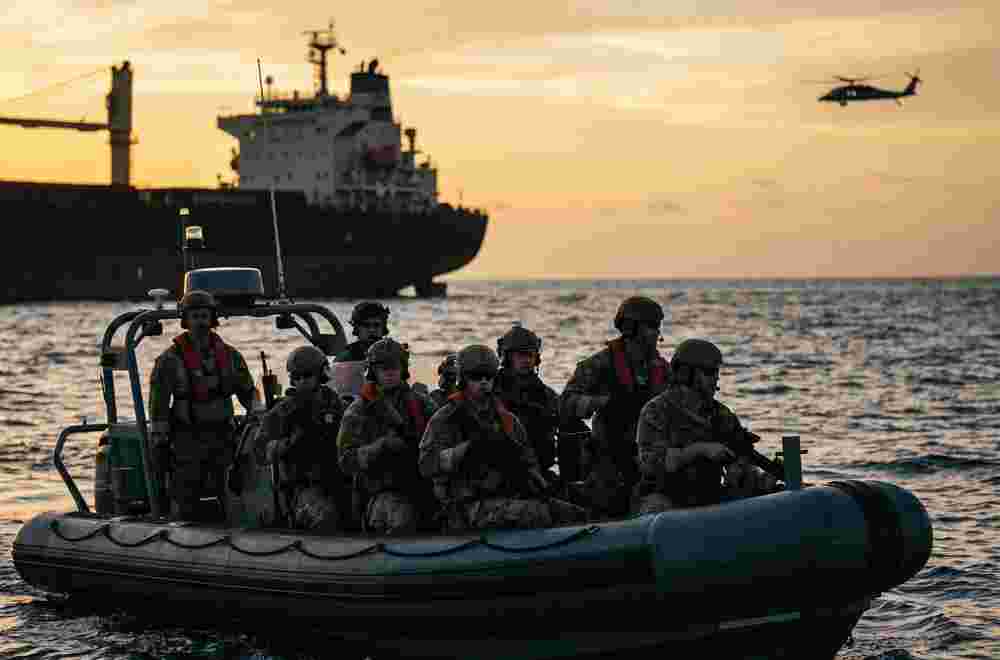
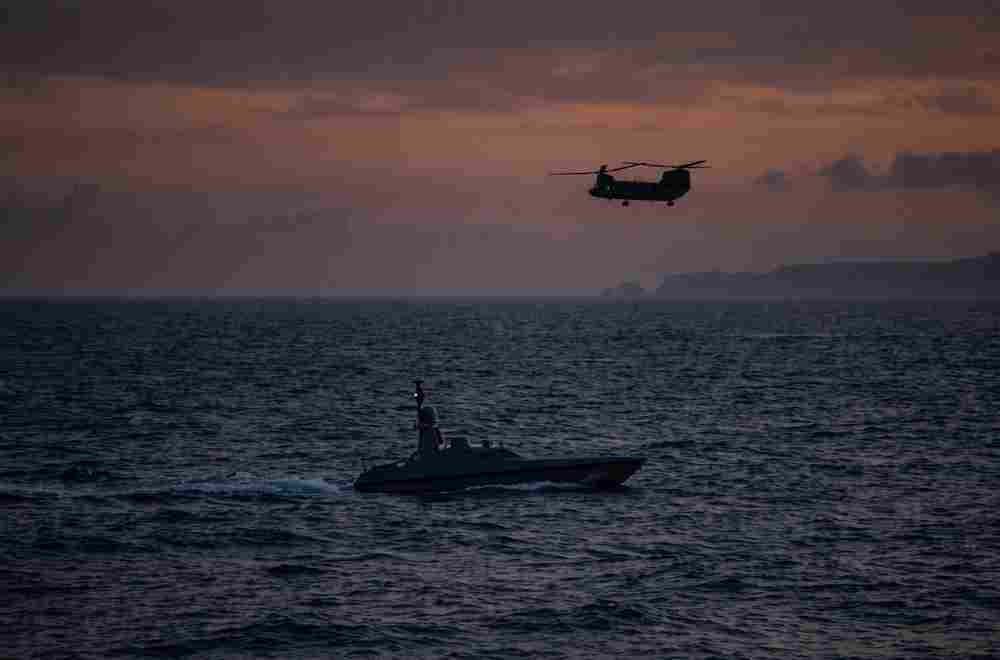
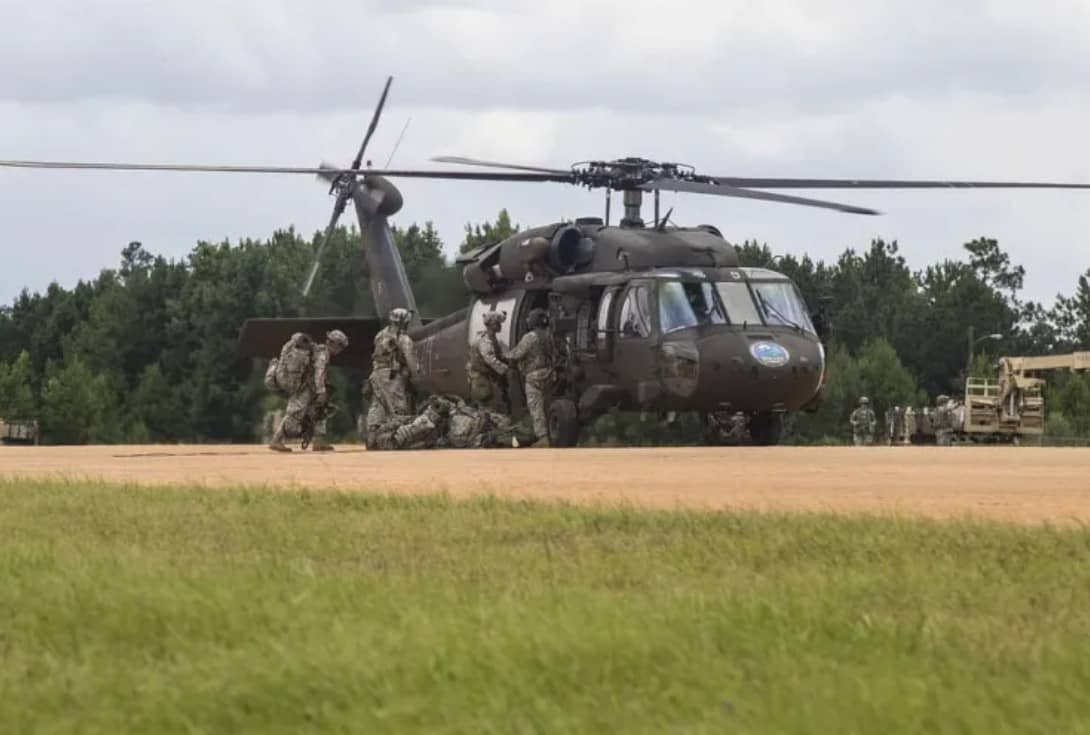
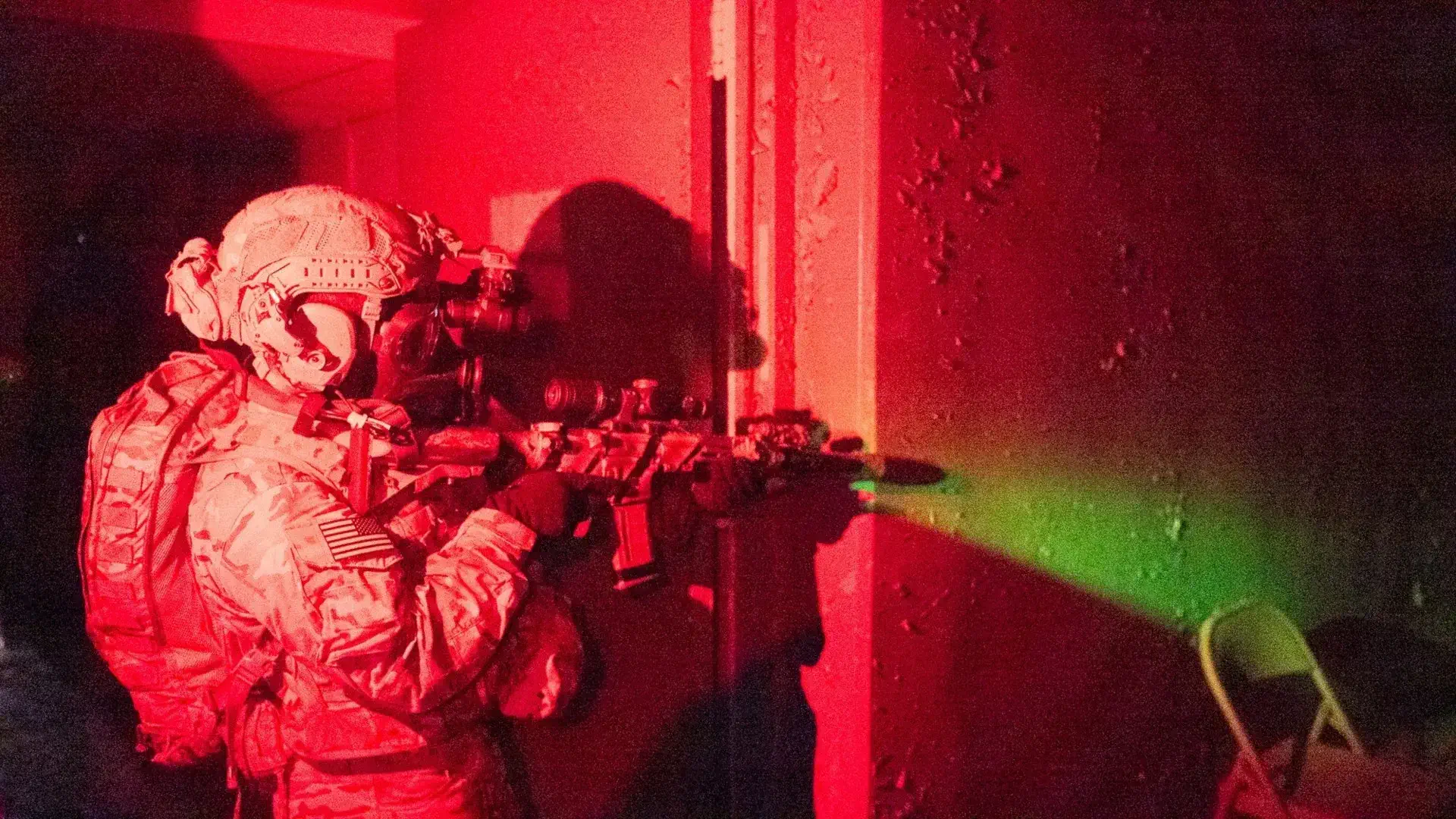
This spring, in the middle of the war with Iran, an intelligence report began circulating through the U.S. military claiming a Chinese vessel in the Middle East was ferrying components for a nuclear weapons program. The military moved fast. Armed personnel were preparing to board the ship, and military aircraft were already in the air before anyone caught the mistake: the report had been generated with help from an AI chatbot, and the chatbot had gotten the cargo wrong.
According to CNN's exclusive account, based on four sources familiar with the episode, officials halted the operation only in the final hours before it was set to launch. One source described the underlying intelligence as "entirely false" and said the episode "almost started a war." Any US action against a Chinese-flagged vessel, even a boarding that turned up nothing, risked escalating into a direct confrontation between two nuclear powers already on edge over the broader Iran conflict.
CNN reported that a Special Operations Command Pacific analyst, based in Hawaii, queried a chatbot about intelligence on the ship's manifest. The system fused open-source data with classified signals intelligence and reached its conclusion about the cargo — a conclusion CNN was unable to verify against what the vessel was actually carrying. The analyst then used AI a second time to write up the findings in the format of a standard intelligence report, the kind that carries institutional weight and moves up the chain without much friction. Neither U.S. Special Operations Command Pacific nor the Pentagon responded to CNN's requests for comment.
The story spread fast once CNN published it Friday. Maritime and defense trade press, including gCaptain, picked up the reporting within hours, and coverage extended to outlets spanning the political spectrum, from Gizmodo to the Jerusalem Post, underscoring how directly the episode cuts across the defense, technology and foreign-policy beats at once.
The Pentagon has been racing to fold AI into nearly every layer of military and intelligence work, from processing raw intelligence to selecting strike targets to running logistics. Defense Secretary Pete Hegseth's January "Artificial Intelligence Acceleration Strategy" set that pace deliberately, aiming to put commercial-grade AI models directly into the hands of the department's three million military and civilian personnel. But CNN's sources describe an effort that is badly decentralized: different commands running different tools under different safety rules, with no unified standard for verifying what those tools produce.
This was not the military's first brush with an AI-linked targeting failure this year. CNN's follow-up reporting ties the incident to a deadly February strike on a school in Minab, Iran, that killed nearly 200 people, after senior commanders reportedly bypassed warnings — including one generated by an AI-powered database — that the underlying target intelligence was out of date.
The risk cuts both ways. Adversaries are exploiting the same technology. Anthropic disclosed this month that it disrupted an Iran-linked actor that used its Claude models to build a targeting pipeline against U.S. naval forces, compiling ship and aircraft transponder data, personnel rosters scraped from public photos, and vulnerability research on shipboard communications systems. Anthropic said it banned the account and shared its findings with government authorities, but the case illustrates how the same generative tools accelerating U.S. military workflows are also lowering the bar for hostile reconnaissance.
The CNN report landed as Washington was already consumed by AI-policy debates, and it drew an immediate reaction on Capitol Hill. Democratic Sens. Mark Warner, Jack Reed and Chris Coons sent a letter to Hegseth and Director of National Intelligence Jay Clayton demanding an "immediate investigation" by relevant inspectors general, citing "growing concern about the extent to which agencies under your oversight have prioritized acceleration of AI capability adoption and 'experimentation' over effective governance." The senators asked for unrestricted inspector-general access to both publicly reported AI-targeting failures this year, plus any others that haven't surfaced. Reed is the ranking member of the Senate Armed Services Committee; Warner is vice chair of the Senate Intelligence Committee.
Reaction wasn't confined to official Washington. Reporter Zachary Cohen's initial thread on the story drew nearly 6 million views within days, a sign of how quickly the episode resonated beyond the usual defense-press audience. The Pentagon's AI push has momentum behind it regardless: Military.com reported that GenAI.mil, the department's internal AI platform launched in December 2025, had logged more than 1.2 million unique users as of this spring.
NEW: The US military was prepared to board a Chinese vessel in the Middle East earlier this spring -- during war with Iran -- after an intel report concluded it was transporting components of a nuclear weapons program.
— Zachary Cohen (@ZcohenCNN) September 18, 2026
But just before the planned operation, officials discovered…
The technical failure here is almost beside the point. What should worry a SOF and defense audience more is the institutional one: a hallucinated conclusion moved through the system dressed in the format of a trusted intelligence product, and nobody in the chain flagged it until hours before an operation. CNN's sourcing suggests this reflects generational pressure as much as bad software — younger analysts fluent in these tools and under pressure to produce faster are, by multiple accounts, more likely to trust AI output uncritically. As one source put it to CNN, "AI allows you to get to a bad idea faster." Speed without a corresponding verification standard is precisely the gap the Warner-Reed-Coons letter is aiming at, and it predates any single vendor or tool.
None of this appears to have slowed the Pentagon's AI rollout. Whether the inspectors general open the investigation Congress is demanding, and whether the department imposes a uniform verification standard before the next hallucinated report reaches an operator's hands, remains an open question heading into the fall.