







U.S. Launches Strikes Against Iran After Attack on Vessels in Strait of Hormuz

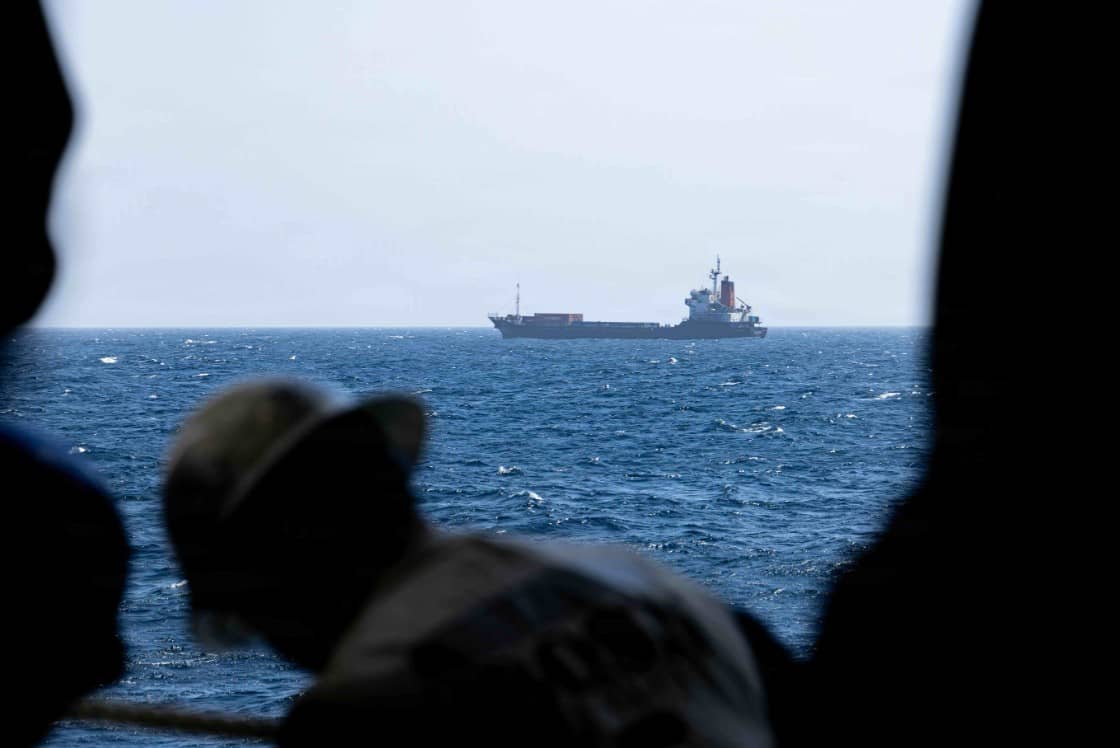
The U.S. military launched new strikes on Iran early Wednesday, hours after three merchant ships were hit in the Strait of Hormuz.
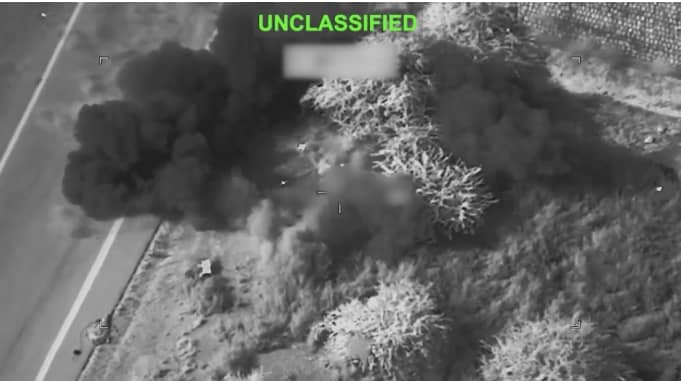
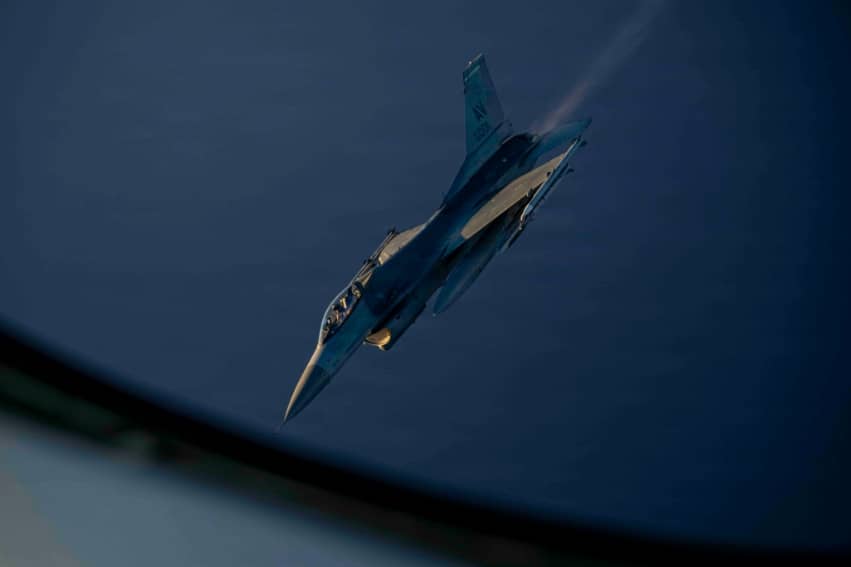
In a statement, the U.S. Central Command (CENTCOM) said American forces launched the strikes “to impose heavy costs for targeting and attacking commercial shipping crewed by innocent civilians in an international waterway.”
U.S. Central Command forces have begun launching a series of powerful strikes against Iran to impose heavy costs for targeting and attacking commercial shipping crewed by innocent civilians in an international waterway. The U.S. strikes are in response to Iranian attacks on three…
— U.S. Central Command (@CENTCOM) July 7, 2026
A U.S. official told Associated Press that the latest strikes targeted air defense systems, coastal surveillance systems, ground-to-air missile systems, and launch sites for anti-ship cruise missiles and drones.
Iran’s state-run Islamic Republic News Agency (IRNA) reported that several explosions were heard Wednesday in the southern port city of Bandar Abbas, as well as on Qeshm Island and in the nearby city of Sirik.
انفجار در بندرعباس، قشم و سیریک
— خبرگزاری جمهوری اسلامی - ایرنا (@IRNA_1313) July 7, 2026
خبرنگار ایرنا گزارش داد که صدای چندین انفجار متوالی هم اکنون در شهر بندرعباس به گوش رسید.
شنیده شدن چندین صدای انفجار در قشم و سیریک هم از سوی خبرنگاران ایرنا تأیید شده است.https://t.co/Ph0QtDWnE6
The strikes came as Iran held dayslong funeral ceremonies for Supreme Leader Ayatollah Ali Khamenei, who was killed at the start of the war, and just hours after the U.S. Treasury Department revoked a sanctions waiver that had authorized Iranian oil sales.
A U.S. official said the decision to revoke the waiver was directly tied to the recent attacks on commercial vessels in the Strait of Hormuz. “Iran will only reap benefits if they exhibit good behavior,” a U.S. official told CNBC. “Iran’s actions in the Strait were wholly unacceptable to the United States and will be met with consequences.”
The sanctions relief had been granted after Washington and Tehran signed an interim agreement on June 17 that reopened the Strait of Hormuz to commercial shipping and launched a 60-day negotiating period toward a broader peace deal.
Under the agreement, Iran committed to ensuring the safe passage of commercial vessels in exchange for limited economic relief, including permission to sell oil internationally.
Since then, however, Iran has insisted that ships use a northern shipping corridor under its control while targeting vessels transiting a southern route along Oman’s coast protected by the U.S. Navy.
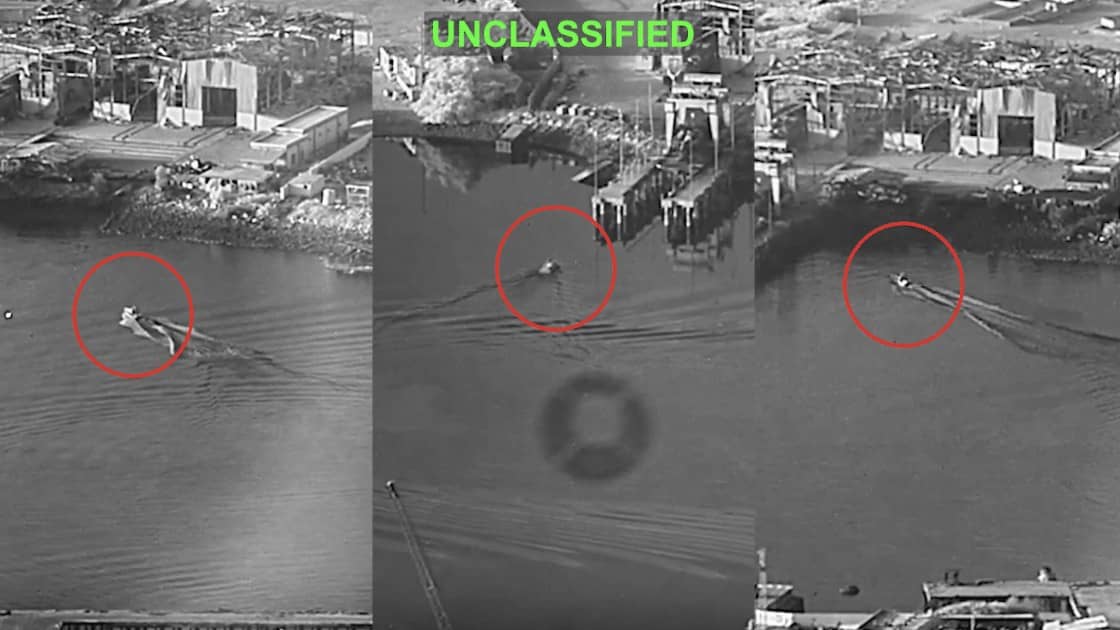
The United Kingdom Maritime Trade Operations (UKMTO) reported three separate incidents involving commercial vessels in or near the Strait of Hormuz on Tuesday, including one tanker struck by an unidentified projectile that caused structural damage but no casualties.
UPDATE 068-JMIC ADISORY NOTE
— UKMTO Operations Centre (@UK_MTO) July 7, 2026
Click here to view the full advisory note⤵️https://t.co/YusqNRTxM4#MaritimeSecurity #MarSec pic.twitter.com/kMzR4BHBYE
UKMTO WARNING 082-26
— UKMTO Operations Centre (@UK_MTO) July 7, 2026
Click here to view UKMTO Products⤵️https://t.co/WONv2QkMJu#MaritimeSecurity #MarSec pic.twitter.com/mJIxl6Y93G
Despite the attacks, the agency said commercial shipping through the strategic waterway remained steady.
“Commercial traffic through the Strait of Hormuz remained steady, with vessels continuing to transit via both the southern Omani corridor and the northern Iranian-controlled route,” UKMTO said Tuesday. “U.S.-assisted commercial transits proceeded without interruption despite the elevated threat environment.”