







US Expands Iran Strikes to Bridges & Airports Amid Retaliation

The United States expanded its air campaign against Iran on Friday, striking additional targets including bridges and infrastructure as Tehran retaliated with missile and drone attacks against U.S. allies in the Middle East.
The latest exchanges marked the sixth consecutive day of renewed fighting between the two countries, further straining efforts to restore a ceasefire agreement reached last month.
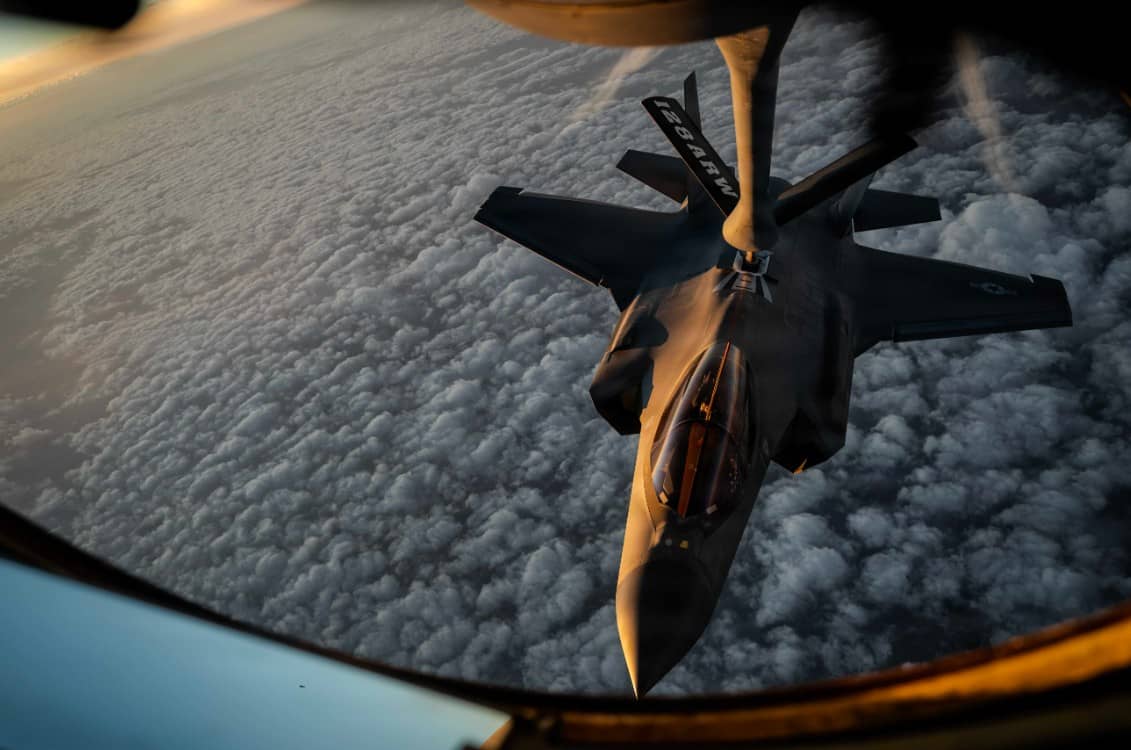
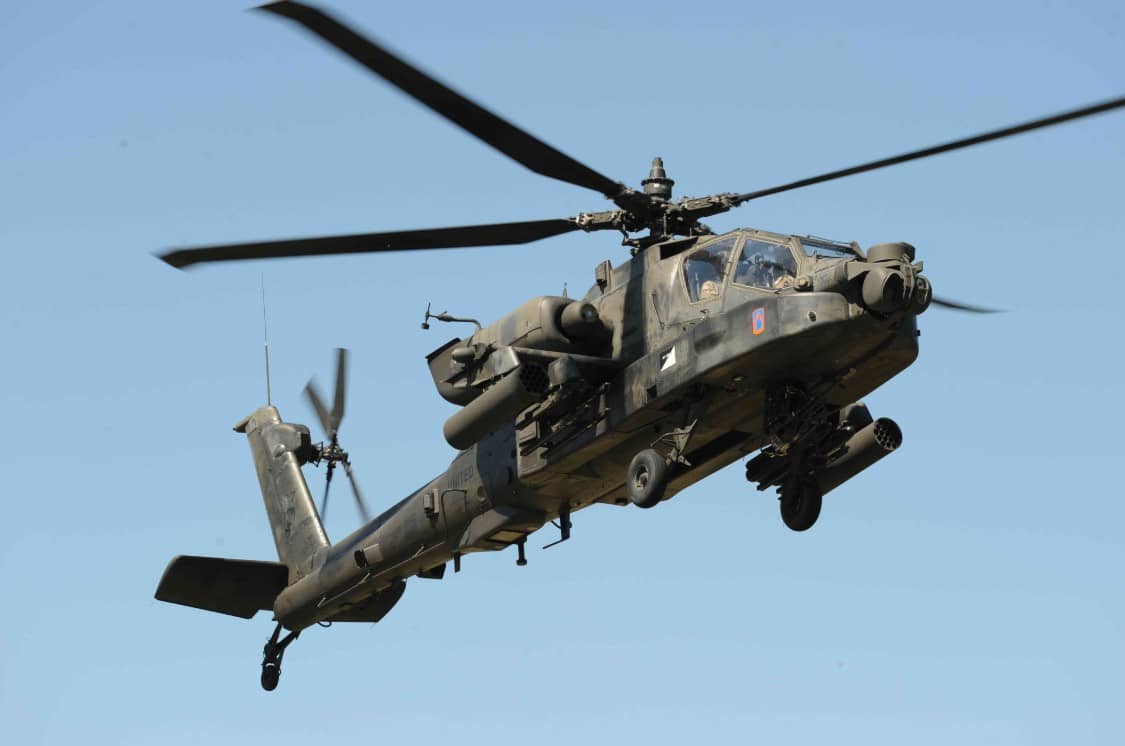
At 2 p.m. ET today, U.S. forces began conducting a new wave of strikes against Iran for the sixth consecutive night to further degrade Iranian military capabilities.
— U.S. Central Command (@CENTCOM) July 16, 2026
“At 2 p.m. ET today, U.S. forces began conducting a new wave of strikes against Iran for the sixth consecutive night to further degrade Iranian military capabilities,” the U.S. Central Command (CENTCOM) said without disclosing the targets.
As the United States and Iran continue exchanging strikes tonight, including reported U.S. strikes on multiple bridges near Bandar Abbas and Iranian missile and drone attacks targeting U.S. assets in Bahrain, Iraq, and Kuwait, the current aerial picture over the region, based on… pic.twitter.com/PeSDZLbHEs
— OSINTdefender (@sentdefender) July 17, 2026
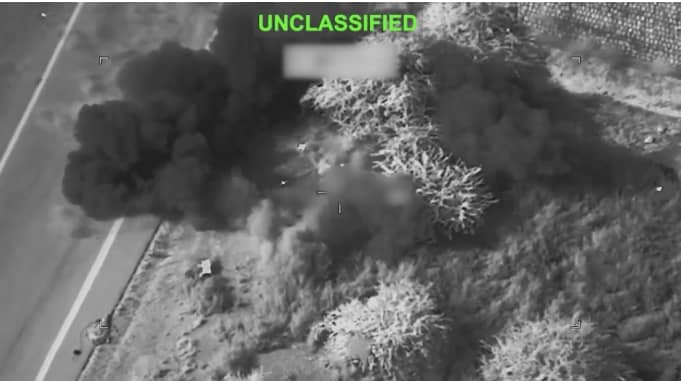
According to Iran, the U.S. strikes late Thursday and into Friday hit bridges, a railway station, airports and residential neighborhoods in the country’s southern regions.
US airstrikes targets two bridges at Bandar Khamir, southern Iran, reportedly killing the driver of a civilian vehicle on the bridge.
— PressTV Extra (@PresstvExtra) July 16, 2026
Follow Press TV on Telegram: https://t.co/h0eMpifVIe pic.twitter.com/j4nFNsZeC0
Iran’s state-owned news network Press TV reported that U.S. airstrikes in Hormozgan province struck three bridges, including the Khamir Bridge linking Bandar Abbas to Lar in Fars province. The report said at least three people were killed and nine others wounded in the bridge strikes.
In Bandar Abbas, another strike on a residential neighborhood killed at least one civilian and injured eight others, while a railway junction station was also targeted, leaving two people wounded.
Iran said the strikes also caused an electrical substation on Kish Island to malfunction, leading to a power outage.
Explosions were reported near Bandar Abbas Airport, where at least one projectile struck the facility. Iran also reported strikes on Iranshahr Airport in southeastern Iran, causing damage to power facilities and fuel storage tanks.
Fire Breaks Out at Iranshahr Airport Following U.S. Strikes. https://t.co/JL0fIFTaog pic.twitter.com/9W9io4SjEM
— Open Source Intel (@Osint613) July 16, 2026
The strikes followed President Donald Trump’s warning Tuesday that Washington could target Iran’s critical infrastructure, including bridges and power plants, if Tehran refused to return to negotiations.
Iran responded to the U.S. strikes with missile and drone attacks targeting Bahrain, Kuwait, Qatar and Jordan, all of which host U.S. military facilities.
An ABC News analysis of satellite imagery indicated that U.S. facilities in Jordan, Bahrain and Qatar sustained damage from Iranian-claimed missile and drone strikes. A former United Nations base camp and an industrial area in Kuwait were also hit.
President Donald Trump said the U.S. was making progress in the conflict, telling Americans in a televised address: “We are likewise winning big in Iran, and you will see the fruits of that labor very, very shortly.”
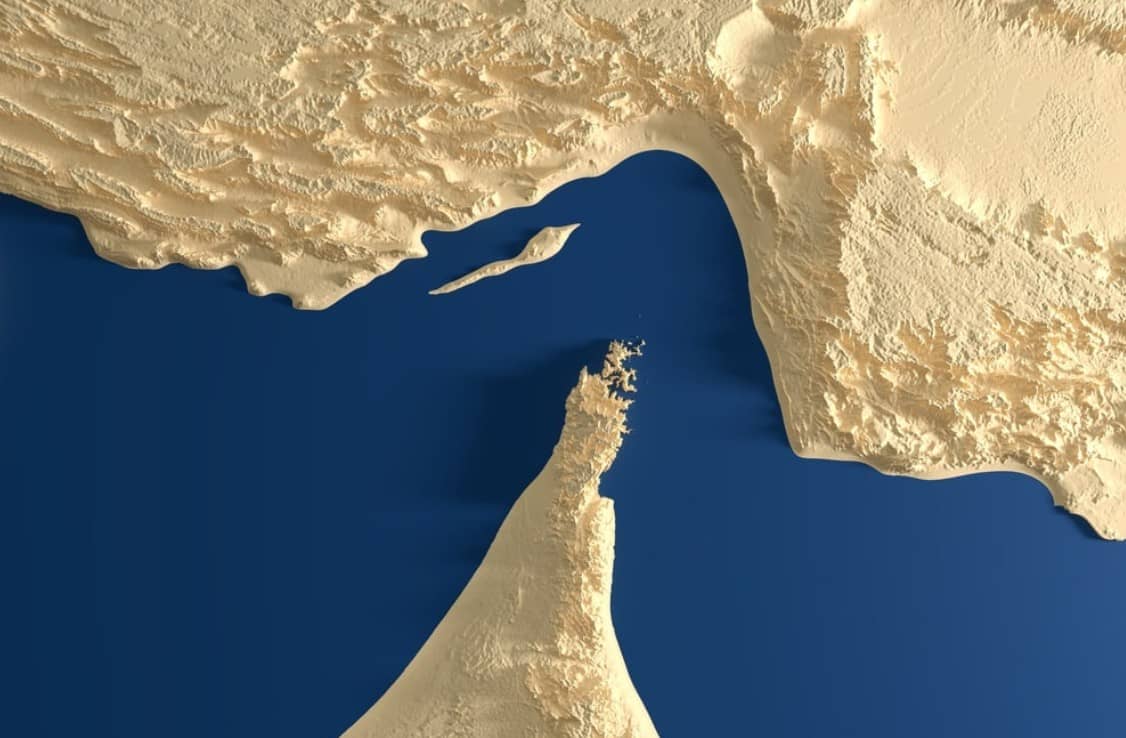
Iranian military spokesperson Col. Ebrahim Zolfaghari warned that Tehran could expand its attacks if Washington continues targeting critical infrastructure. “Under no circumstances and in no way will we allow America, as a foreign and extraregional country, to interfere in the Strait of Hormuz,” he said. “This is Iran’s invincible red line.”
According to a Reuters report, Iran has asked Yemen’s Houthi movement to prepare to close a key Red Sea oil route if the U.S. strikes Iranian power infrastructure.
The report said that with the Strait of Hormuz already closed, any Houthi attacks on vessels or ports in the Red Sea could disrupt the Middle East’s two major oil export routes simultaneously, worsening the global energy crisis.
Iran’s foreign ministry and a Houthi spokesperson did not immediately respond to Reuters’ requests for comment.