







US Strikes Iran Launchers Near Hormuz, Iran Hits Jordan Base

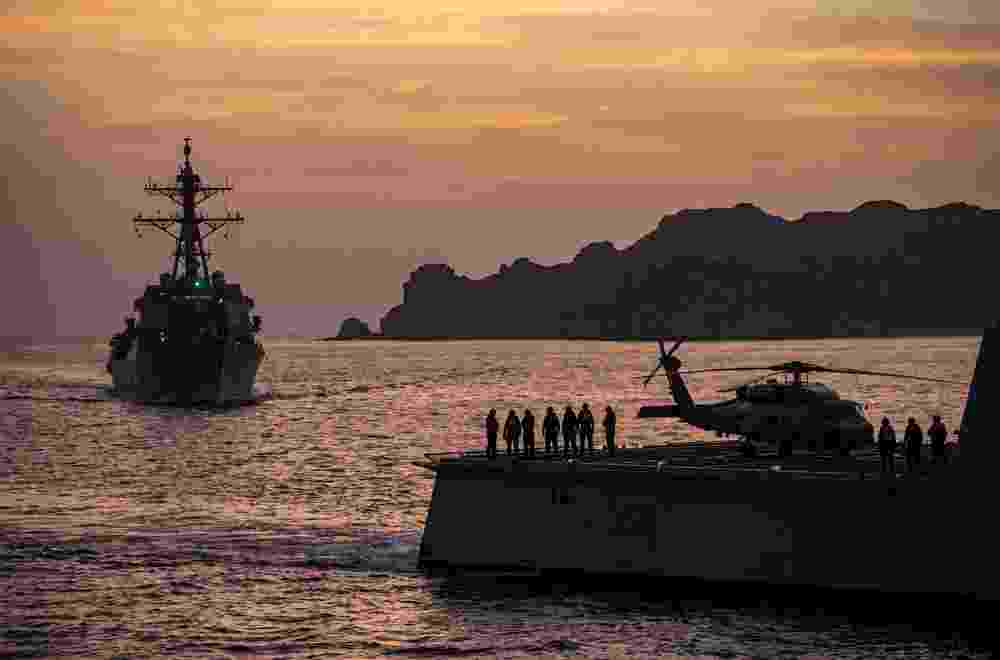
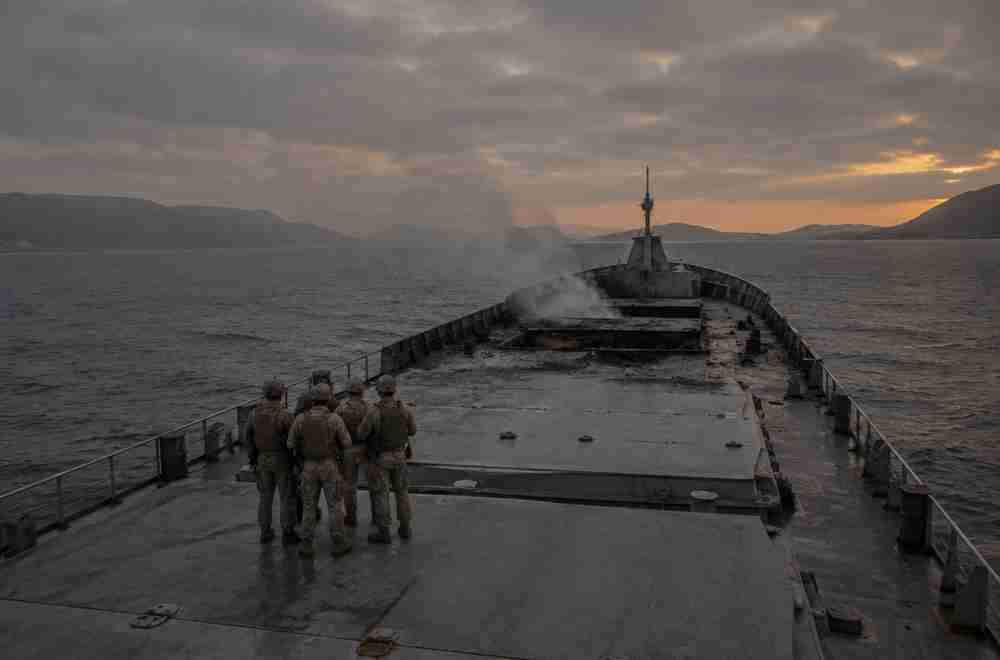
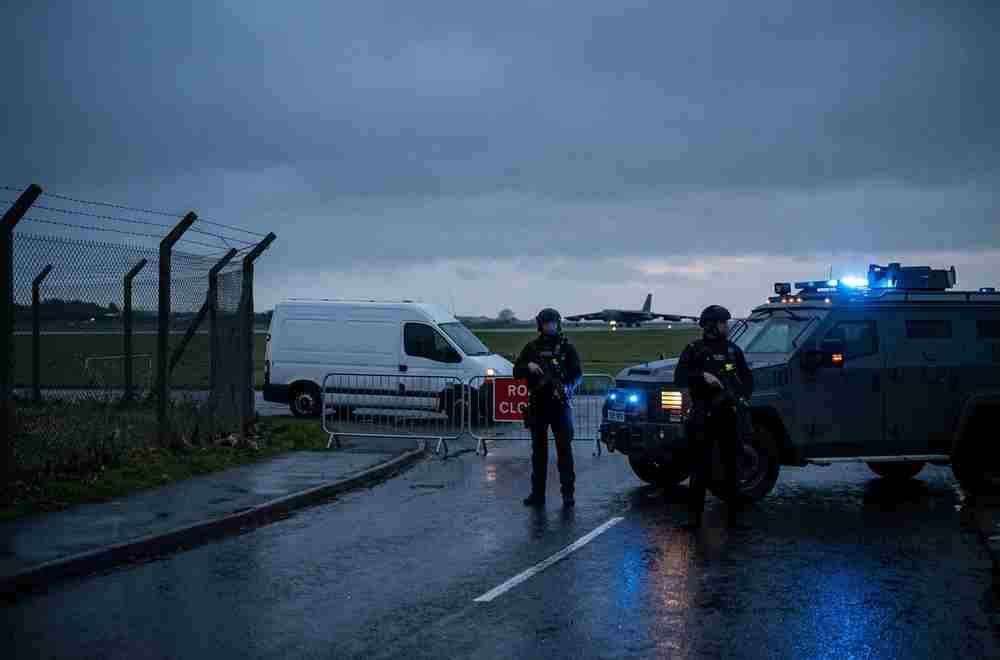
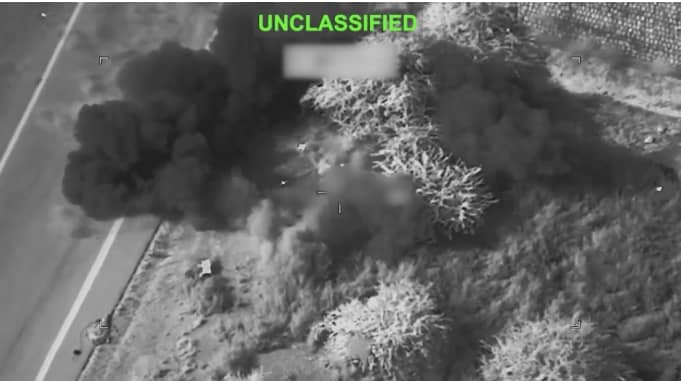
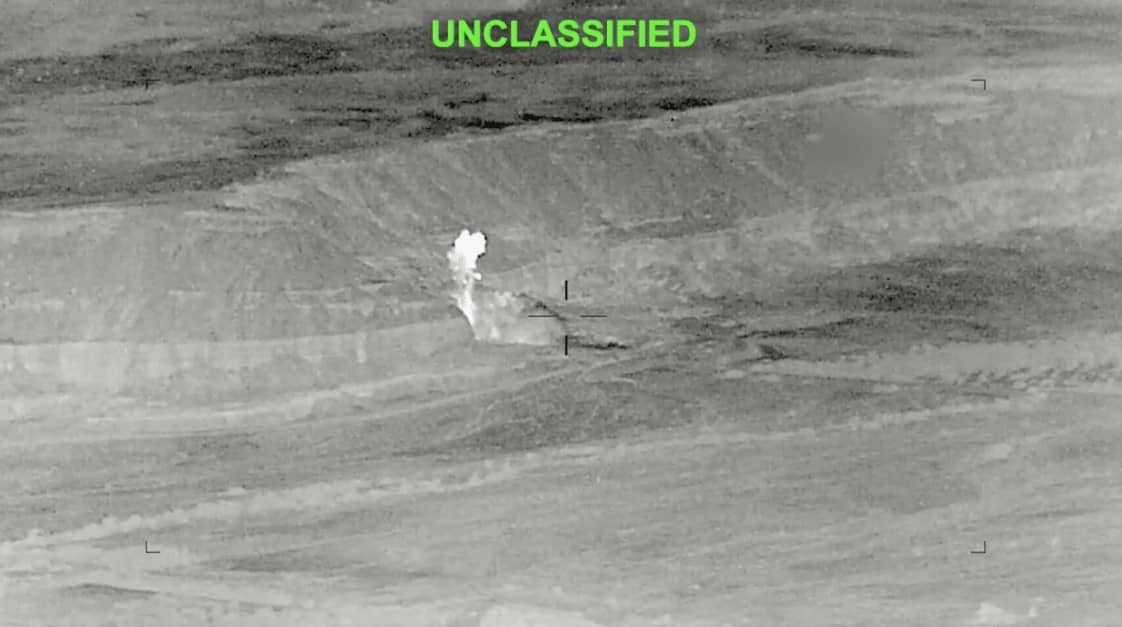
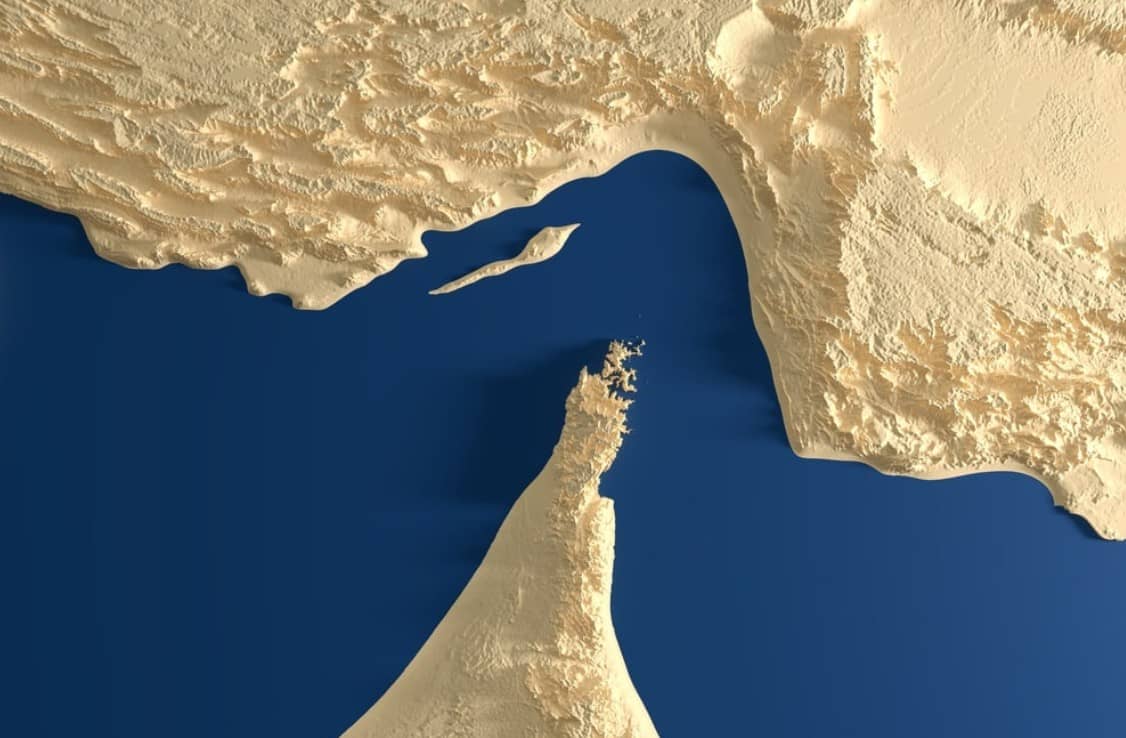
U.S. forces struck two Iranian rocket launchers on Larak Island, in the Strait of Hormuz, on Aug. 30 — the first publicly reported US attack on Iranian targets in more than a month and the sharpest reminder yet that the fragile calm following June's ceasefire remains reversible. Within hours, Iran's Islamic Revolutionary Guard Corps said it had fired ballistic missiles at the King Hussein and Al-Azraq air bases in Jordan, both used by American forces, in what it called retaliation.
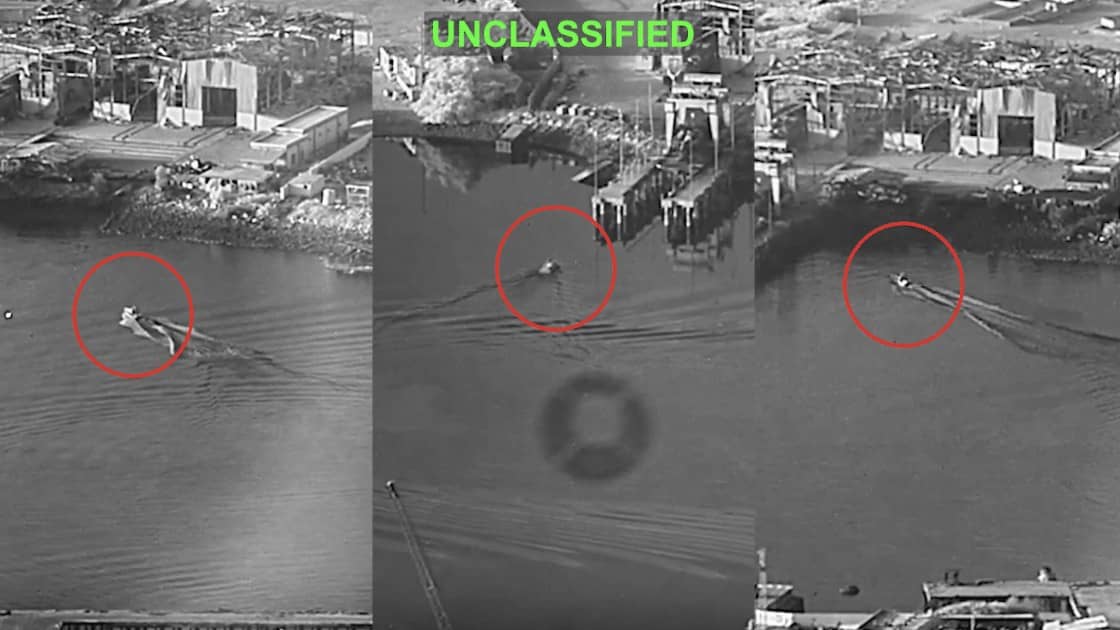
A senior U.S. official said the Larak Island launchers were struck after the IRGC was observed preparing to fire rockets carrying sea mines into the strait, a waterway through which roughly a fifth of the world's crude oil and natural gas moved before the war. The strike came only days after U.S. Central Command said it had finished clearing sea mines from the strait's international shipping lanes, and President Donald Trump had separately warned that any vessel caught laying new mines would be "immediately and systematically destroyed."
The IRGC said its missiles targeted "technical infrastructure, maintenance facilities, and enemy fighter jet positions" at the two Jordanian bases and claimed "heavy damage," though Iranian state media did not provide an independently verifiable casualty count. Jordan's military said its air defenses intercepted eight missiles that entered the kingdom's airspace early on Aug. 31 and reported no casualties or damage on the ground. Iran's own statement acknowledged unspecified losses on its side, saying the strike had caused "the martyrdom and injury of several of our fighters and compatriots," a claim that likewise could not be independently confirmed.
CENTCOM pushed back directly on Iran's characterization of the exchange. In a statement posted to its official account, the command said U.S. forces took limited, precise action against IRGC mine-laying forces it described as posing an imminent threat, adding that "Iran created the threat and the U.S. military eliminated it to protect civilian mariners, commercial shipping, and the free flow of global commerce." The command rejected as "absolutely FALSE" an IRGC claim that the strike constituted an act of aggression.
🚫CLAIM: Iran’s Islamic Revolutionary Guard Corps (IRGC) claimed in a recent statement that strikes by U.S. forces to prevent the IRGC from placing mines in the Strait of Hormuz were an “act of aggression.” This claim is absolutely FALSE.
— U.S. Central Command (@CENTCOM) August 31, 2026
✅FACT: U.S. forces took limited,… pic.twitter.com/XLx8xNTHto
Independent reporting on the exchange was broadly consistent: the Aug. 30 strike was described as the first significant exchange in weeks between U.S. and Iranian forces, breaking a period of relative calm that had held since roughly the end of July. Larak Island itself is not a new target — it was hit in a similar strike late last month, underscoring that the island has become a recurring flashpoint in the standoff over the strait's mine-laying threat.
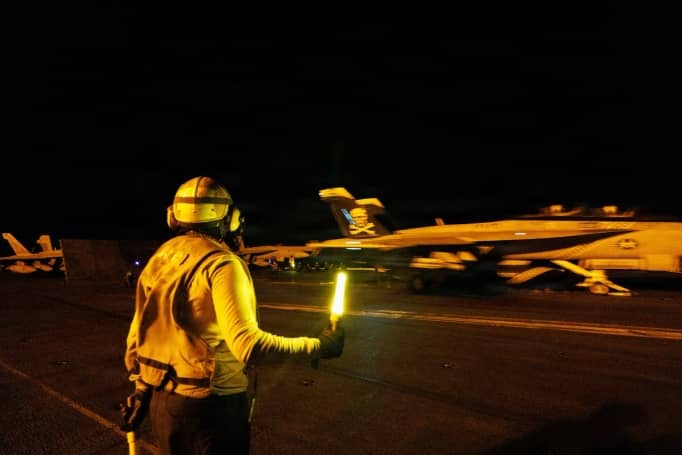
The exchange lands against the backdrop of a conflict that formally paused in June but has never been fully resolved. The 2026 Iran war began Feb. 28 with U.S.-Israeli strikes that killed then-Supreme Leader Ali Khamenei; Iran responded by closing the Strait of Hormuz to foreign shipping, triggering months of American and allied military operations to reopen it, including a U.S. naval blockade of Iranian ports. That standoff eased only after a memorandum of understanding signed in Versailles in June between Trump and Iranian President Masoud Pezeshkian, brokered with Pakistani mediation, under which Tehran agreed to reopen Hormuz and Washington agreed to lift its blockade.
The peace has been uneasy since. Iranian strikes have hit Jordanian bases repeatedly since the war began in February, including a June 10 attack on the same King Hussein and Al-Azraq installations after an American helicopter was downed — a pattern that predates this week's exchange and suggests Jordan's US-linked bases have functioned as a recurring pressure point whenever Tehran seeks to respond to American action elsewhere. Iran's post-war leadership picture also remains murky: Khamenei's son and successor, Mojtaba Khamenei, has not appeared in public or released audio or video statements since the war began, and Trump said last week he believed the younger Khamenei was still alive but "very seriously wounded." Meanwhile, the International Maritime Organization has reported roughly 400 ships still stranded in the Persian Gulf, alongside 70 verified attacks on shipping and 19 seafarer deaths since the conflict's start — a reminder that even a formally paused war has left significant unresolved damage to global shipping.