







U.S., Iran Sign 14-Point Deal to End War

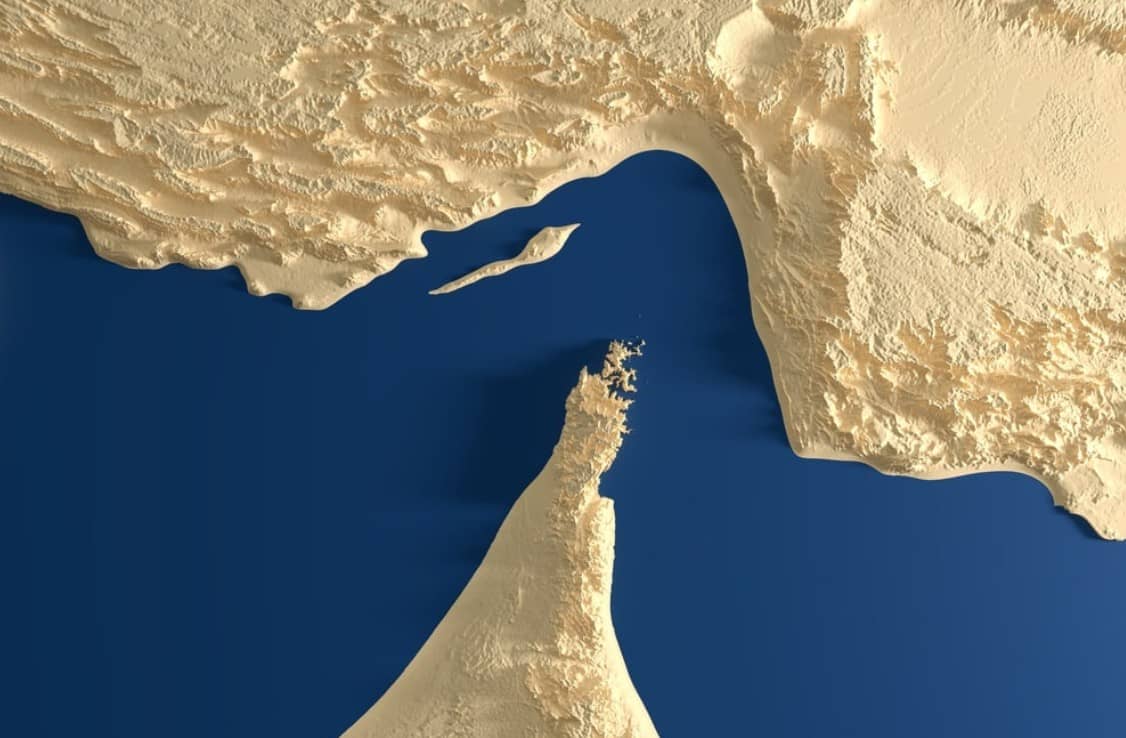
The United States and Iran have signed a 14-point memorandum of understanding aimed at ending months of conflict, reopening the Strait of Hormuz and launching negotiations toward a broader agreement on Iran’s nuclear program, according to multiple reports citing U.S. officials.
President Donald Trump signed the agreement on Wednesday, while Iranian President Masoud Pezeshkian signed it electronically on Sunday, according to sources cited by NBC News. The signing comes ahead of a planned ceremonial event in Switzerland on Friday.
The 14-point agreement calls for an “immediate and permanent termination of military operations” on all fronts in the U.S.-Iran conflict, including Lebanon, and establishes a 60-day framework for negotiations on a broader and more comprehensive settlement.
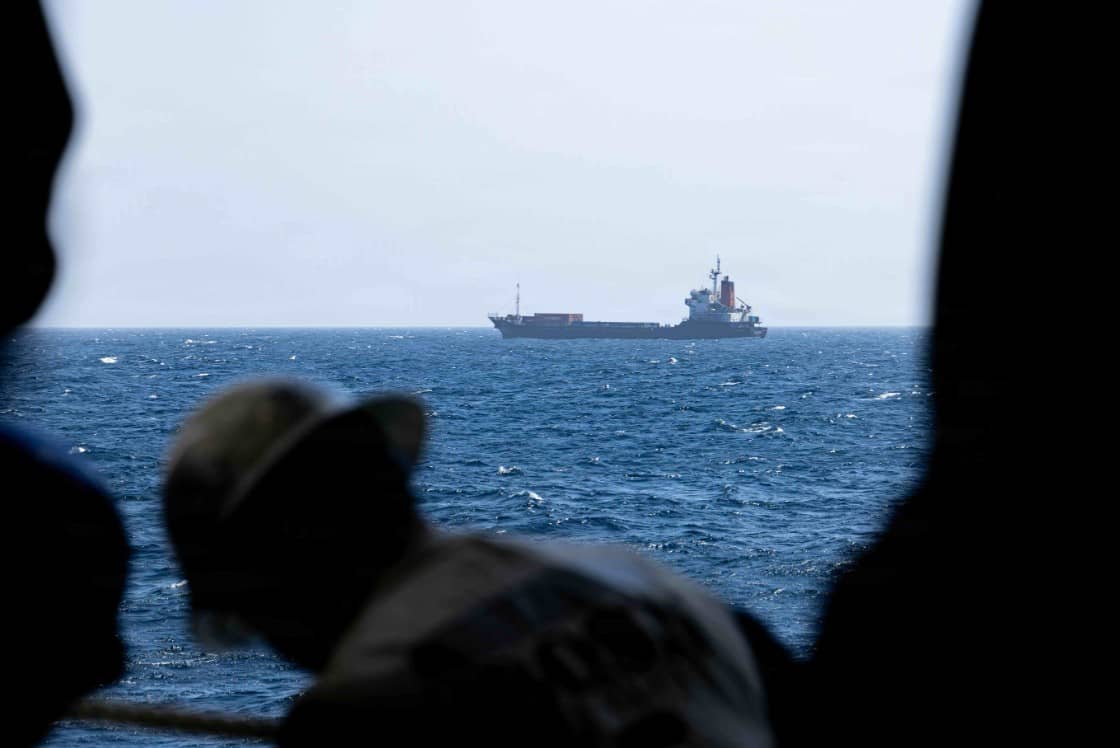
As part of the deal Iran will allow toll-free commercial shipping through the Strait of Hormuz for 60 days, while the U.S. will begin lifting its naval blockade of Iranian ports.
The deal also includes nuclear provisions, with Iran reaffirming that it will not develop or acquire nuclear weapons. The memorandum states that, at a minimum, the material would be down-blended under the supervision of the International Atomic Energy Agency, with the exact mechanism to be finalized in future talks.
Under the agreement, the U.S. will “terminate all types of sanctions” on Iran and make the country’s frozen and restricted funds and assets fully available for use.
The memorandum also outlines plans to work with regional partners on a reconstruction and economic development initiative worth at least $300 billion, though administration officials stressed Washington would not directly contribute funding.
“What it says is that if we get to a final deal and if the Iranians behave, we will permit the sanctions relief that would allow, for example, the Emiratis to build a power plant in Iran,” a senior U.S. official told NBC News. “If they do what they have to do, we will permit the investment in the reconstruction of their country.”
Iranian officials portrayed the deal as a victory. “This agreement is a record of America’s failure, and people will judge it,” Iran’s parliament speaker Mohammad Bagher Ghalibaf said on Iranian state television. “Our current negotiations are from a position of strength.”
Meanwhile, Trump defended the U.S. decision amid criticism that the agreement amounted to a concession to Tehran.
At a Group of Seven summit in France on Wednesday, Trump said a prolonged war in the Middle East could have triggered an economic catastrophe. “I didn’t want to see an economic catastrophe. If you kept this going, that could have happened,” Trump said.
“All I know is every time we talked about the possibility of peace, the stock market shot up like a rocket ship,” he continued. “Every time we said something negative, like, guess what, we’re not going to be able to settle, it would go down very big.”
Trump said stocks could have fallen 25% to 30% as a result of the conflict. Instead, he said U.S. forces stopped short of bombing Iran’s oil pipelines, avoiding greater economic disruption. “It could have caused an international depression,” Trump said.
He also defended the lifting of sanctions against Iran. “We have taken a lot of their money,” Trump said. “It’s not our money, it’s their money, and we froze it at a certain point in time. I guess we’re going to have to give it back. You know, if we didn’t give it back, nobody would ever invest in the dollar again.”
Meanwhile, G7 leaders, including the U.K. and Japan, endorsed the agreement in a joint statement, calling it “a historic opportunity to prevent Iran from acquiring any nuclear weapon and tackling the threats related to its regional and ballistic activities.”