





US SOUTHCOM Troops and DEA Join Ecuadorian Police in Raid

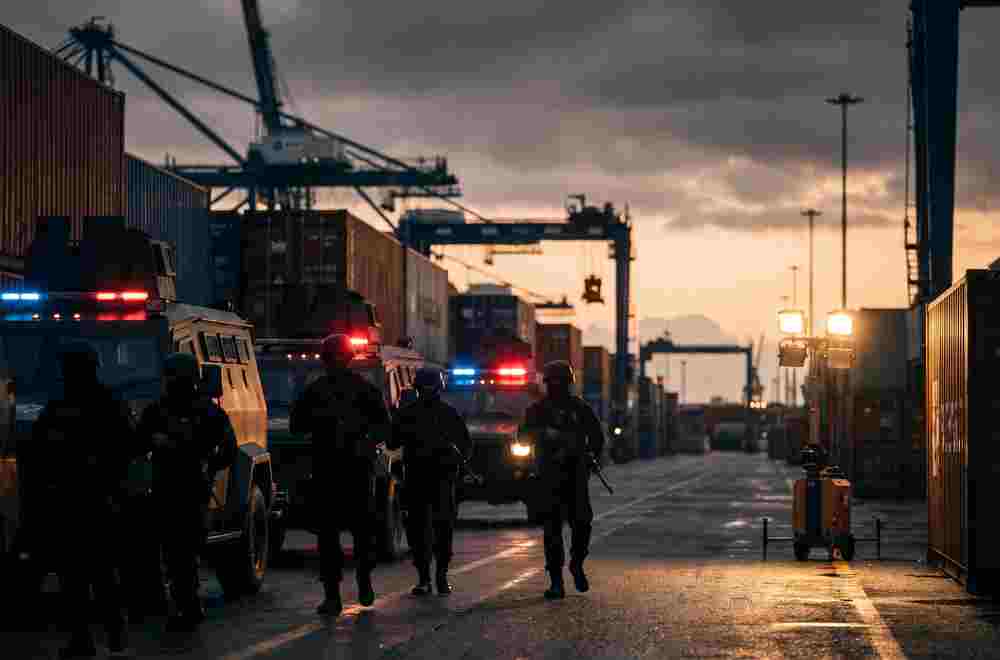
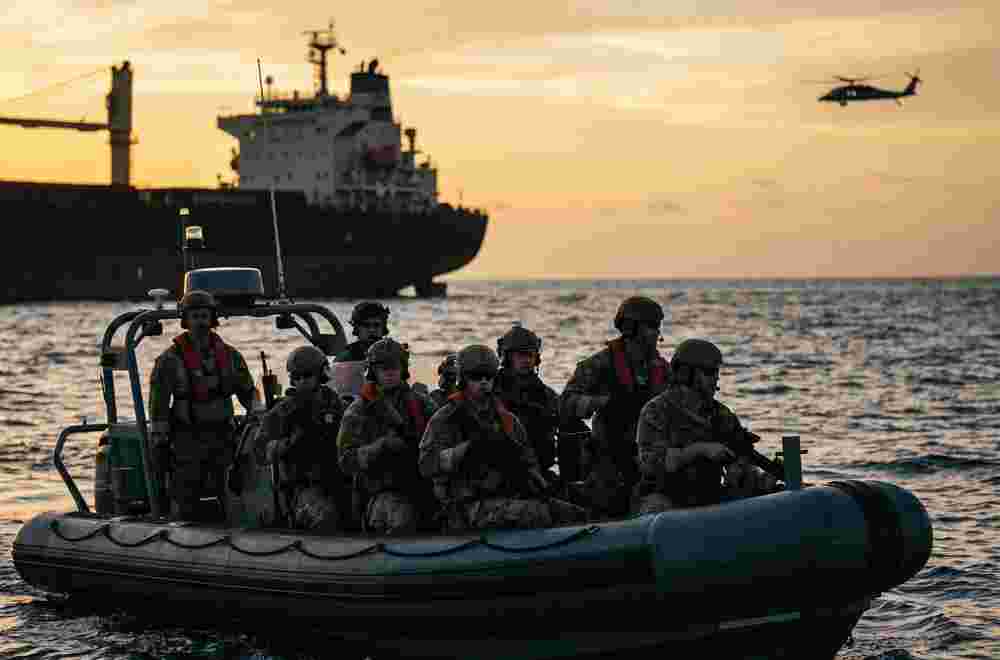
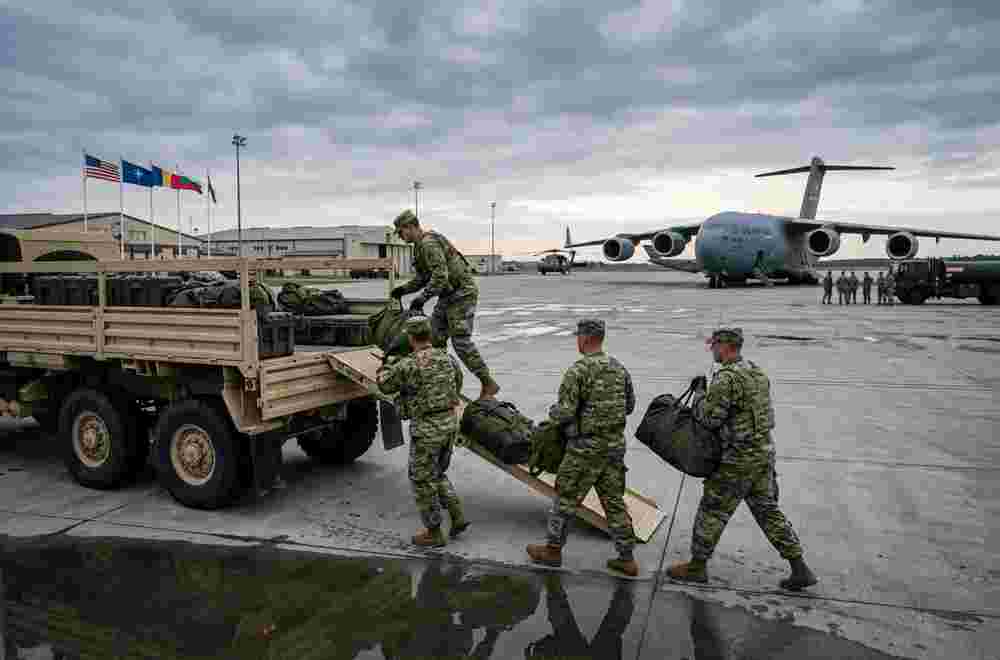
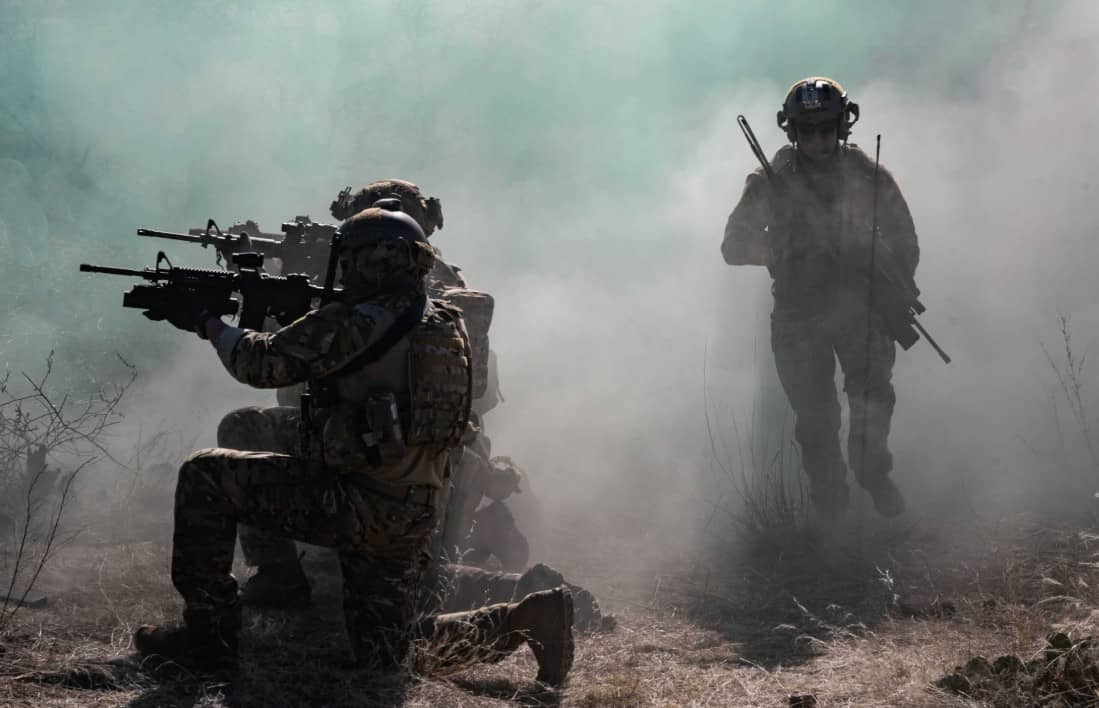
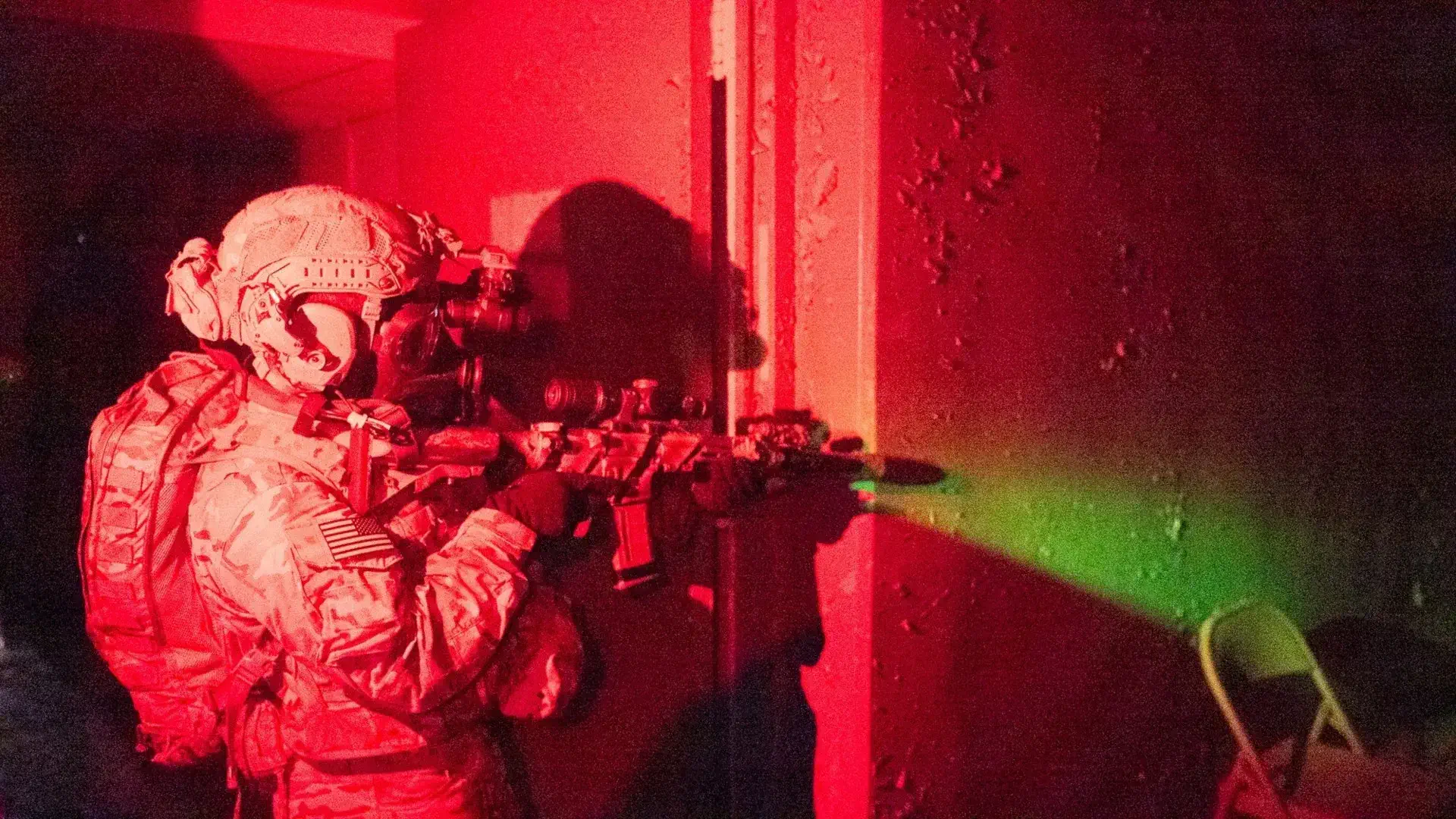
Before dawn on September 24, roughly 320 Ecuadorian National Police officers moved on targets across three provinces, backed by about 50 U.S. Southern Command personnel and Drug Enforcement Administration agents working alongside them in the field. By the time the operation wrapped, authorities had detained more than 30 people, including the alleged leader and financier of a cocaine-trafficking network that investigators say answered directly to Mexico's Jalisco New Generation Cartel (CJNG).
Ecuador's Interior Minister, John Reimberg, said the dismantled structure "had a direct relationship with the CJNG", distinguishing it from the homegrown gangs, such as Los Choneros and Los Lobos, that have driven much of the country's recent violence. President Daniel Noboa, addressing criticism of the tactics involved, said Ecuadorians hear "plenty of criticism regarding the fight against organized crime and very little concern about the number of victims we are seeing from organized crime."
The raids were the product of an eight-month investigation into a network that collected, stored, and moved cocaine shipped from Colombia through Ecuador's Pacific ports, according to Ecuadorian officials. Simultaneous operations hit Guayaquil, Daule, Samborondón, Ventanas, Babahoyo, Puebloviejo, Vinces, and Machala; the alleged network leader and its financier were captured separately in the Samborondón area, in properties guarded by private security details. Officials tied roughly $322 million in disrupted drug flows to enforcement actions against the network's shipments over the past year, and said the group's cocaine moved onward through the ports of Guayaquil and Machala toward Central America, the United States, and Europe.
Coverage of the operation described it as "the first joint operation on Ecuadorian soil" of its kind, with U.S. Southern Command personnel and DEA agents working directly alongside Ecuadorian officers rather than in a purely advisory capacity, and noted the U.S. side brought technical support that included drone-signal inhibitors, night-vision equipment, and encrypted communications gear. Reimberg confirmed the scope directly on his own social media account the morning of the raids, writing that leaders, financiers, and "a complete narcotrafficking structure" tied to the cartel "fell this dawn in three provinces," and that the investigation "continues in development".
OPERACIÓN CONJUNTA ENTRE POLICÍA NACIONAL Y TROPAS NORTEAMERICANAS
— John Reimberg (@JohnReimberg) September 24, 2026
CABECILLAS, FINANCISTAS Y UNA ESTRUCTURA COMPLETA DE NARCOTRÁFICO QUE TENÍA VÍNCULOS DIRECTOS CON EL CARTEL JALISCO NUEVA GENERACIÓN CAYERON ESTA MADRUGADA EN TRES PROVINCIAS.
La operación fue ejecutada esta… pic.twitter.com/gTTKuJBHOe
This raid did not happen in isolation. It extends a U.S.-Ecuador counter-cartel partnership that began building publicly in March, when Ecuadorian and American forces launched an earlier round of joint operations that U.S. Southern Command described at the time as proof of shared "commitment ... to confront narco-terrorists who have long inflicted terror, violence, and corruption on citizens throughout the hemisphere." That March effort was reported as the first U.S. land involvement in anti-cartel operations under the current administration, with American personnel then largely limited to planning, intelligence, and operational support while Ecuadorian forces carried out the actual raids.
The campaign has since widened considerably. Ecuador mobilized roughly 75,000 police and soldiers under a curfew in coastal provinces during a two-week offensive in March tied to a "Shield of the Americas" framework and an "Americas Counter Cartel Coalition" that President Trump announced around the same period. U.S. Southern Command, under Gen. Francis L. Donovan, has separately touted a parallel track of strikes against suspected drug-smuggling vessels in the Caribbean and Eastern Pacific — more than 40 strikes tied to over 150 deaths by earlier counts — alongside land operations such as a joint strike on a trafficking camp linked to the Los Lobos-affiliated Ruilova Barzola organization.
Ecuadorian officials have called the September 24 raid a major blow to a cartel-linked network moving hundreds of millions of dollars in cocaine annually, and the arrests themselves are not in serious dispute across the outlets that have reported on them. What remains less settled is the precise count of those detained — most accounts put the figure at just over 30, while at least one puts it at 39 — and neither Ecuadorian nor U.S. officials have yet released a definitive, reconciled tally. As Southern Command's footprint in Ecuador grows from advisers to raid participants, that is the kind of detail worth watching closely in whatever comes next.