



Declassified Footage Reveals the Scale of Iran Airman Rescue

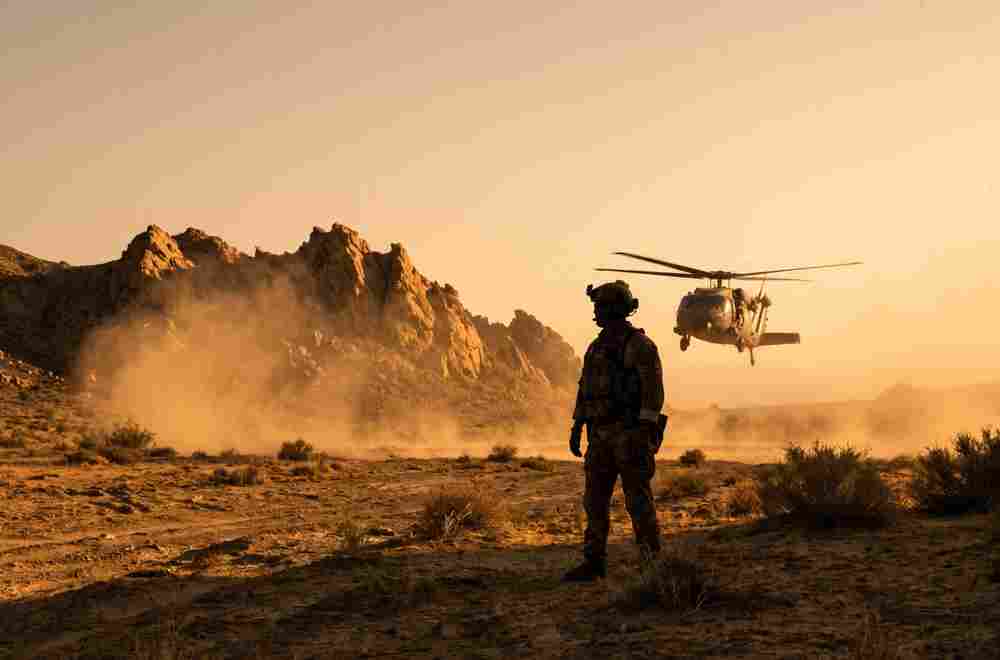
Newly declassified Pentagon video aired by CBS News' *60 Minutes* on September 13 gave the American public its first detailed look at one of the most complex combat search-and-rescue operations of the Iran war: the recovery of two U.S. Air Force officers whose F-15E Strike Eagle was shot down deep inside Iranian territory in April.
The two-seat F-15E, call sign "Dude 44," was flying a night strike south of Isfahan on April 2 when an Iranian shoulder-fired missile struck the aircraft. Adm. Brad Cooper, commander of U.S. Central Command, told 60 Minutes the jet had been tasked with hitting sites tied to Iran's drone and missile programs, and that despite American air superiority, "we weren't flying over Kansas."
The weapons systems officer, identified only by his call sign "Dude 44 Bravo" for security reasons, described the impact as "getting hit by a freight train." He and the pilot, call sign Alpha, briefly tried to save the jet before ejecting. Bravo's parachute was also damaged, and he free-fell an estimated 70 to 100 mph toward the desert floor.
"At one point when I looked up and saw no parachute, that was the most terrifying thing I've ever seen," Bravo said in his first public account of the incident. He landed hard, breaking his back, an arm and a shoulder, then moved away from the crash site as Iranian search parties mobilized.
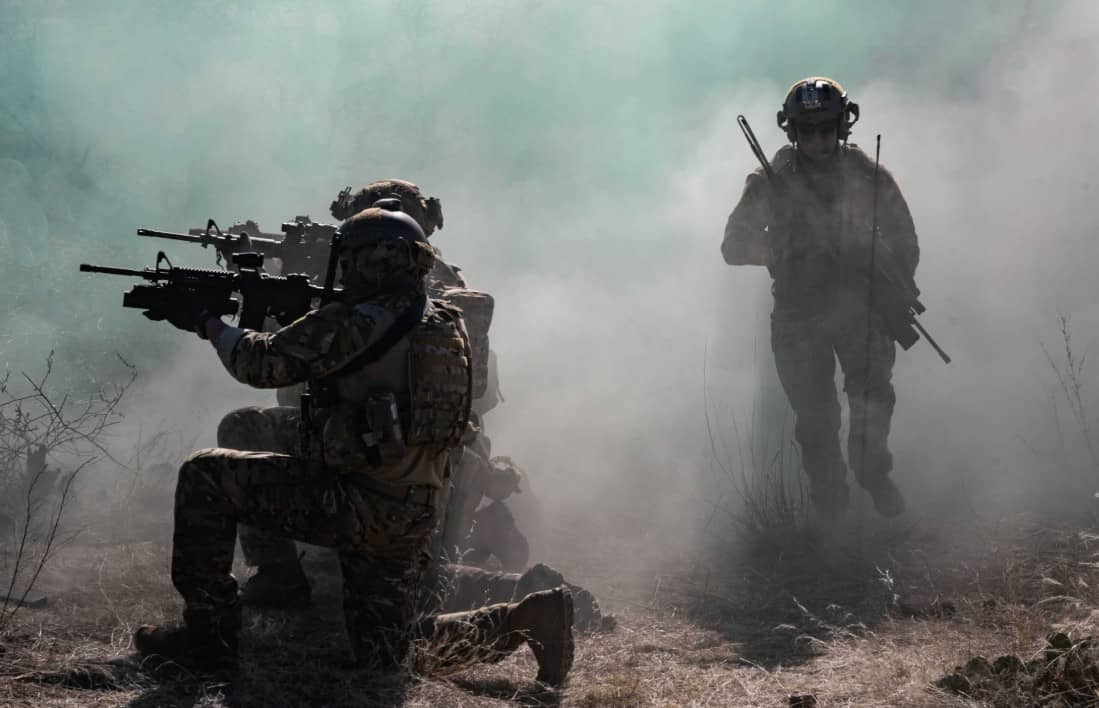
Alpha, who had ejected safely and landed roughly five miles from Bravo, was located and recovered within about six hours in a daylight raid drawn from a 21-aircraft package, according to declassified footage and accompanying reporting. Defense Secretary Pete Hegseth described the raid as "a gun fight all the way in and all the way out."
Bravo was not so fortunate. Badly injured, he climbed roughly 7,000 feet up a ridgeline to hide, at one point coming within a few hundred meters of Iranian forces who had a bounty out for the downed airmen. He spent nearly two full days alone in the high desert, at times with no food or water, before a second rescue force could reach him.
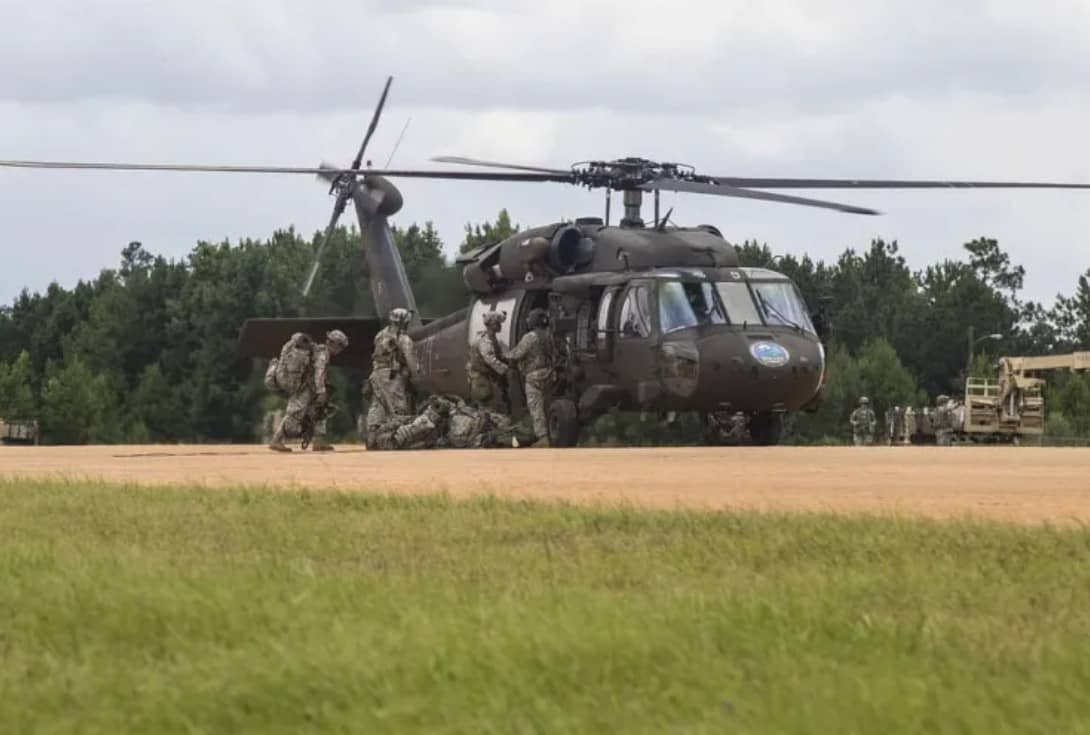
Retrieving Bravo required a far larger commitment than the first rescue. Two MC-130J Commando II transport aircraft landed on an improvised desert airstrip and unloaded a trio of A/MH-6 Little Bird helicopters, which flew the final leg to Bravo's ridgeline position. CIA personnel ran a parallel deception campaign intended to pull Iranian search teams away from Bravo's actual location, and American bombers and drones struck nearby Islamic Revolutionary Guard Corps positions to clear the way before the final approach.
Gen. Dan Caine, chairman of the Joint Chiefs of Staff, said U.S. forces tracked roughly 1,500 Iranian personnel within a ten-mile radius of Bravo's position during the search. When pararescuemen finally reached him, Bravo said he managed just two words: "Let's go." The operation still wasn't finished — the transport aircrafts' landing gear became stuck in soft sand, stranding more than 90 troops on Iranian soil until a separate Air Force unit flew in to complete the evacuation. The stranded aircraft and helicopters were destroyed in place to keep their equipment out of Iranian hands.
The rescue took place amid what the Pentagon calls Operation Epic Fury, its broader air campaign against Iran, which Cooper said had logged roughly 13,000 sorties by mid-September. CENTCOM struck Iranian air defenses, radar sites and IRGC-linked maritime assets into this month, with officials saying more than 50,000 U.S. troops remain deployed regionally even as Tehran retains the ability to strike back at shipping.
Asked how risky Alpha's daylight raid had been, Caine said entering Iranian airspace in daylight was "gonna be dicey" , but that the urgency of the threat justified moving boldly regardless — the same calculus officials say ultimately put nearly 100 troops on the ground two days later for Bravo alone.
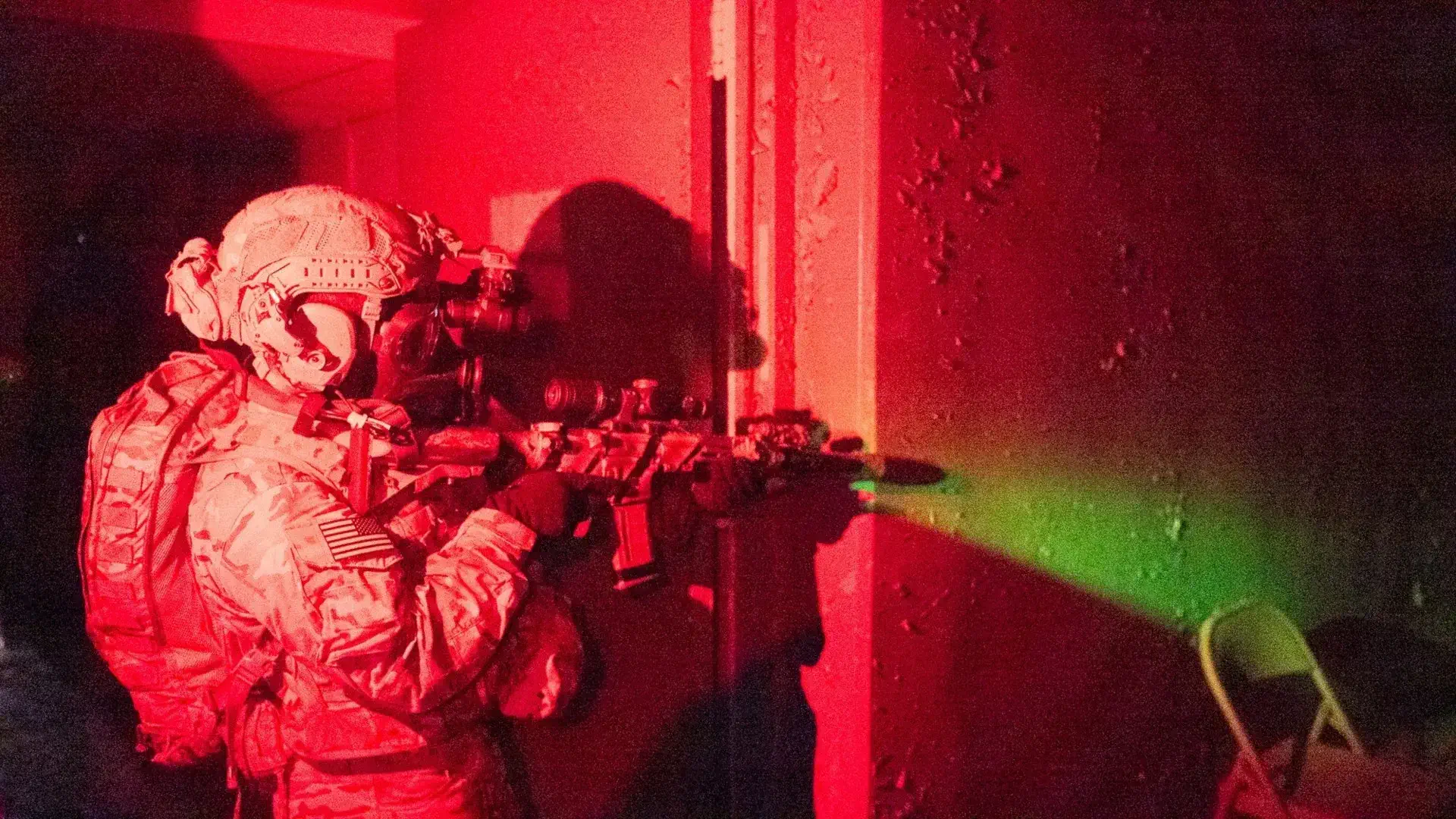
First on 60 Minutes: Newly declassified video shows service members from U.S. Joint Special Operations Command rescuing Bravo, one of the two U.S. Air Force officers shot down over Iran in April. Bravo was stranded for two days – alone and badly wounded, behind enemy lines.… pic.twitter.com/jAfLa5tfL7
— 60 Minutes (@60Minutes) September 14, 2026