







Ukraine’s Drones ‘Wiped Out’ a US Army Brigade in a War Game

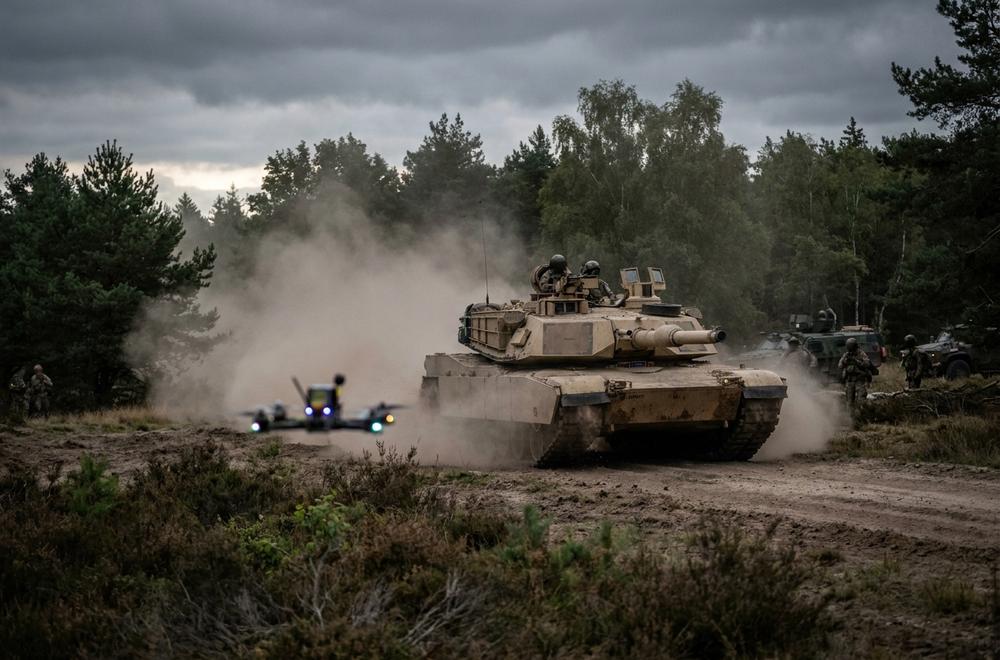
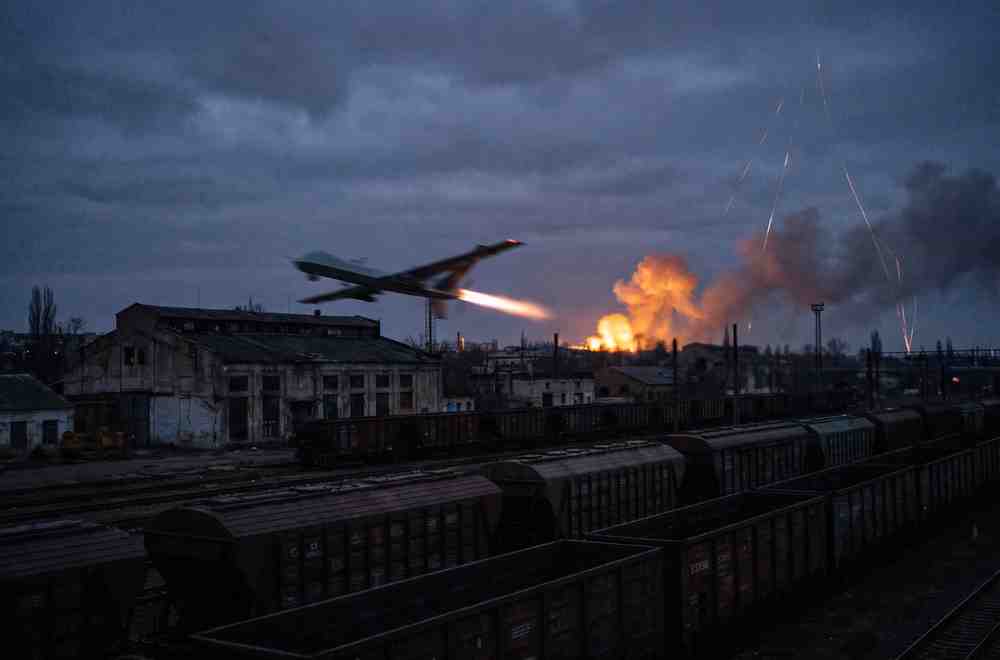
A U.S. Army brigade was repeatedly wiped off the battlefield this spring — not by artillery or airstrikes, but by small, cheap Ukrainian first-person-view drones — during a training exercise in Germany, the Wall Street Journal reported this week. The episode, which forced range controllers to "resurrect" destroyed American vehicles just to keep the drill running, has become one of the most discussed stories in defense circles this month, underscoring how far U.S. ground forces still have to go to catch up with drone-saturated battlefields like Ukraine's.
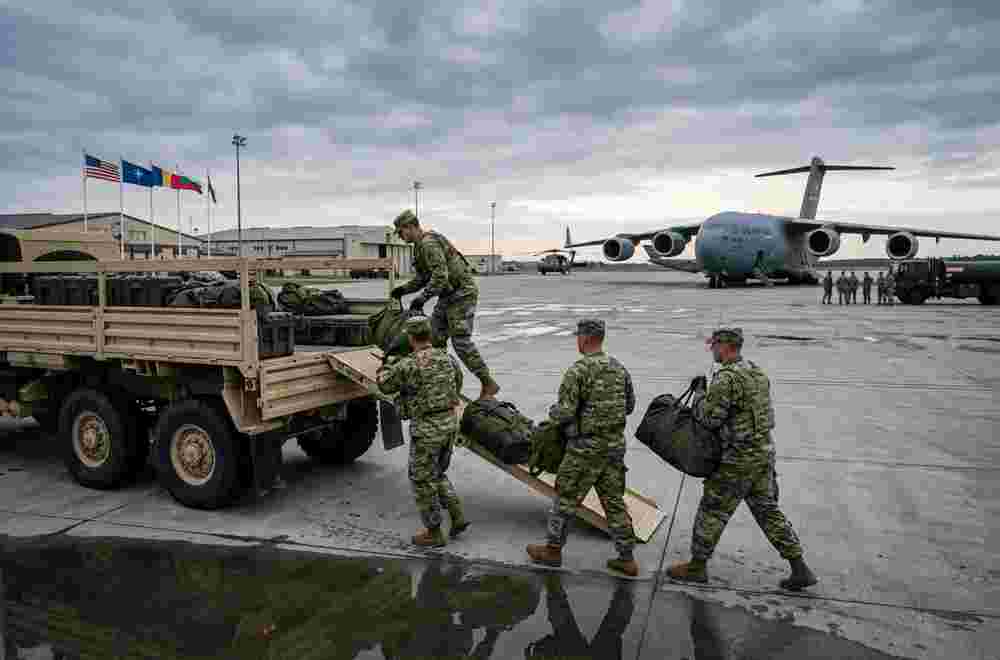
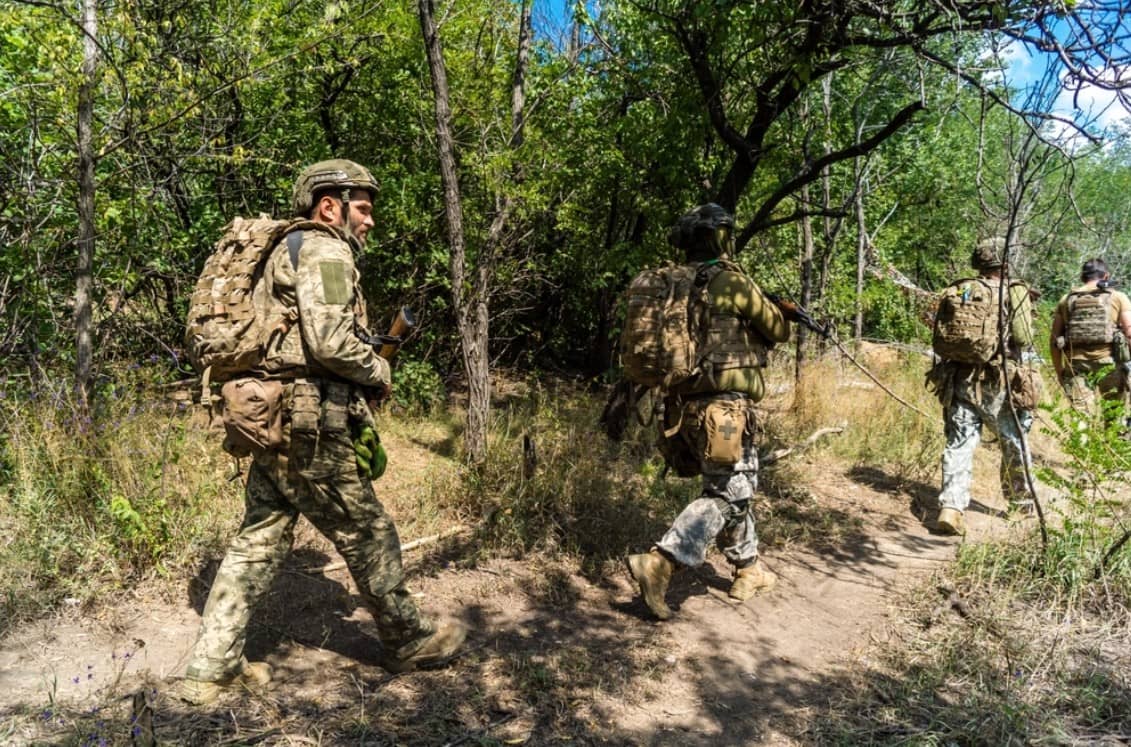
The confrontation took place during Exercise Combined Resolve 26-07, run by the U.S. Army's 7th Army Training Command at the Joint Multinational Readiness Center in Hohenfels, Germany, from April 9 to May 10. More than 3,600 troops from seven countries took part, according to 19FortyFive. The American force under evaluation was the 3rd Armored Brigade Combat Team, 1st Cavalry Division — roughly 3,500 soldiers rotating in from Fort Hood, Texas, near the end of a nine-month deployment to Europe supporting Operation Atlantic Resolve, NATO's reinforcement mission on its eastern flank.
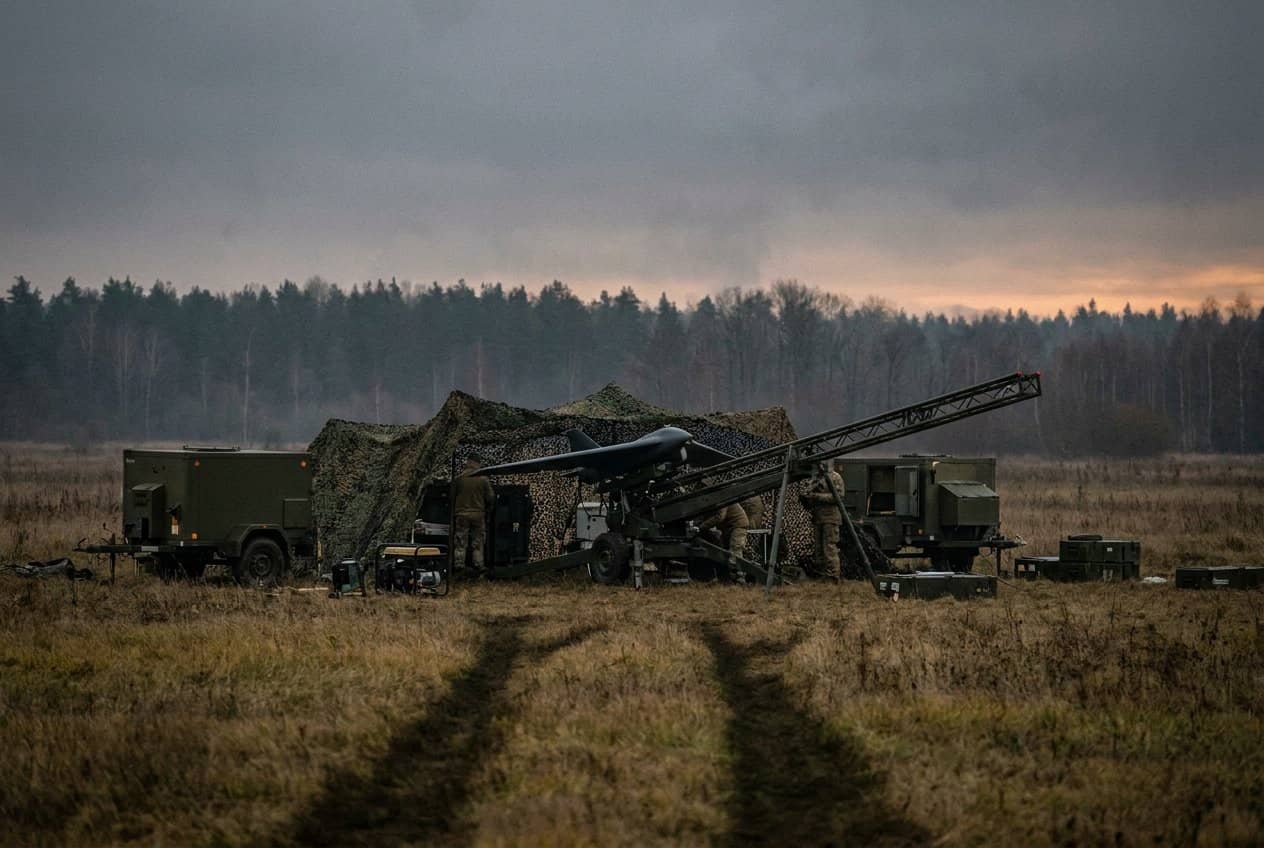
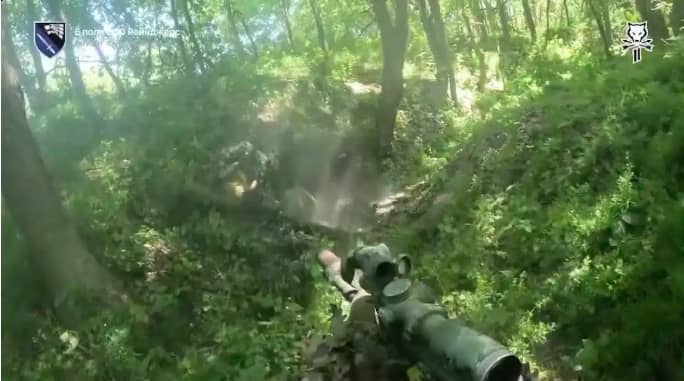
Opposing them was an unusual sparring partner: drone operators from Ukraine's 412th Brigade of Unmanned Systems Forces, nicknamed "Nemesis," a unit credited with destroying roughly $3 billion worth of Russian equipment since standing up in late 2023 (the unit was upgraded from regiment to brigade status in November 2025, though some Western outlets still refer to it by its earlier "regiment" designation). Under the exercise's rules, a U.S. vehicle was considered "killed" once a drone hovered directly above it or flew close enough to simulate a strike. According to people familiar with the exercise cited by the Journal, Ukrainian crews found and eliminated American armor so quickly and so often that range controllers had to regenerate destroyed vehicles simply to keep the roughly two-week drone confrontation running.
A U.S. Army official told the Journal that American units improved as the rotation progressed, learning to disperse more widely, camouflage more effectively and lean harder on electronic-warfare systems to jam or spoof incoming drones. Midway through the exercise, the script flipped: Ukrainian operators switched to the American side, showing U.S. troops how to use the same small drones offensively rather than purely as a threat to defend against.
NATO Supreme Allied Commander Europe Gen. Alexus Grynkewich, in comments shared by defense correspondent Larisa Brown on X, said the exercise offered training the U.S. pipeline cannot replicate on its own. "You can't get training like this in the United States," Grynkewich said. "I've seen video of American and NATO troops at the beginning and end of exercises where Ukrainians have played opposing forces. The change is remarkable."
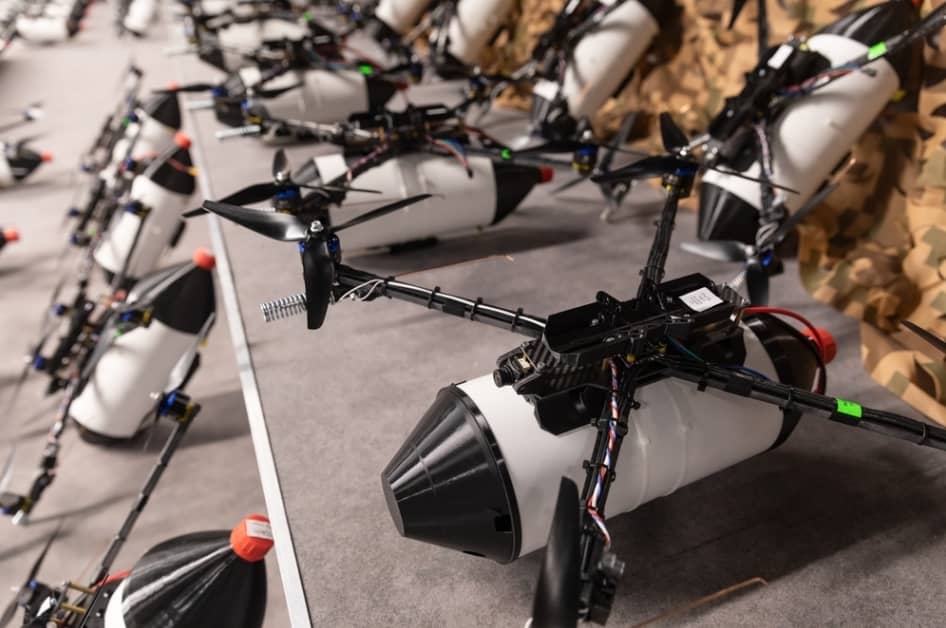
The Hohenfels drill did not happen in isolation. On July 31, Ukrainian drone manufacturer F-Drones announced on X that it had delivered the first batch of 2,000 F10 first-person-view strike drones to the U.S. military through its American partner, UDD Tech Corp — the first Ukrainian-made drone officially cleared for export to the United States. A Pentagon official later confirmed the delivery to Stars and Stripes, noting the drones still needed to clear quality checks before formal acceptance. The F10 is part of the Pentagon's roughly $1 billion Drone Dominance Program, which aims to field more than 200,000 low-cost attack drones to U.S. forces by February 2027.
All 2,000 of our F10 drones are now with the U.S. military 🇺🇸🇺🇦
— F-Drones (@FDronesUA) July 31, 2026
F10 became the first Ukrainian drone officially approved for export to the United States, with deliveries carried out through our U.S. partner, UDD Tech Corp.
A new milestone in U.S.-Ukraine defense cooperation. pic.twitter.com/lPUge1jjtD
That figure sounds large until it is measured against Ukraine's own output. Travis Metz, the Pentagon official overseeing the Drone Dominance effort, told Reuters that Ukraine's industry can now produce six to seven million small FPV drones a year — roughly half a million a month. President Volodymyr Zelensky has said he wants that figure to reach 20 million annually. At Ukraine's current production pace, manufacturing the Pentagon's entire 200,000-drone order would take less than two weeks.
The exercise's core finding will not surprise anyone who has followed the war in Ukraine closely: drones, not armor, increasingly decide who sees whom first on a modern battlefield. What is notable is that the U.S. Army let Ukrainian operators prove it against American troops, under American training rules, and that the results became public. As the Pentagon works to close the gap through programs like Drone Dominance and partnerships with battle-tested Ukrainian manufacturers, Hohenfels may be remembered less as an embarrassment than as the exercise that forced the reckoning.