








How To Choose The Right Body Armor For Different Threat Levels

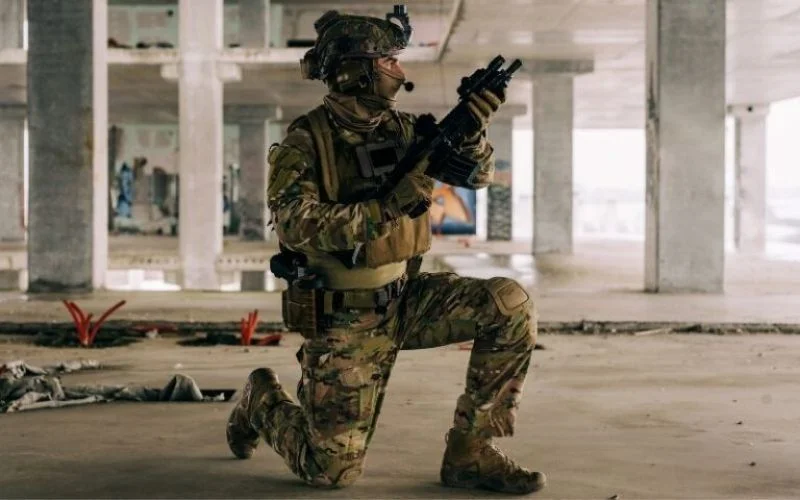
Choosing body armor used to come down to a simple question: soft or hard? That question no longer covers the ground it needs to. Officers rotate between patrol and warrant service in the same shift. Security contractors move from a static post to a vehicle escort. A single vest rated for handgun rounds will not help against a rifle threat, and a heavy rifle plate carrier is the wrong call for eight hours behind the wheel.
This is why multi threat body armor, gear built and rated to handle more than one class of threat, has become the standard question buyers ask before they ever look at a price tag. This guide walks through how law enforcement, military, and security professionals match armor to real-world ballistic threat levels instead of guessing. Stay protected with the Genesis Level IIIA Soft Body Armor. Shop now for ultimate defense against ballistic threats!
Why Body Armor Selection Comes Down to the Threat You Actually Face
Body armor exists to do one job: stop a specific threat from reaching the body behind it. That sounds obvious, but it is the part most buyers skip past. A patrol officer’s most likely threat is a 9mm or .40 caliber handgun round fired at close range.
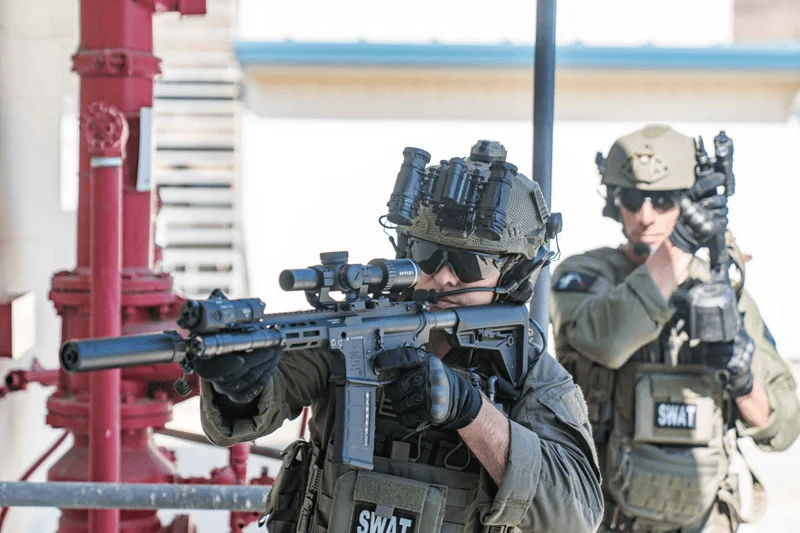
A tactical entry team clearing a structure is planning for a rifle round. A courthouse security guard is thinking about a concealed blade as much as a firearm. None of these people need the same armor, and issuing the wrong level either leaves someone under-protected or straps them into plates too heavy to move quickly in.
The National Institute of Justice (NIJ) sets the testing protocol that every credible manufacturer certifies against, and its Compliant Product List is the fastest way to confirm a panel or plate actually passed independent lab testing rather than relying on a manufacturer’s own claim. Armor that has not been through NIJ ballistic testing, or a comparable NATO STANAG protocol for military procurement, should not be trusted with someone’s life regardless of how it is marketed.
What Multi-Threat Body Armor Actually Means
Multi-threat body armor is a panel or plate engineered and tested to defeat more than one ammunition type or threat category within a single certified rating, rather than being optimized narrowly for one round. In practice this shows up two ways. First, a soft panel rated at Level IIIA already stops both 9mm and .44 Magnum handgun rounds, so it is multi-threat within the handgun category by default.
Second, and more relevant to buyers asking about this today, manufacturers now build combination systems, a soft Level IIIA panel paired with a hard rifle plate worn in conjunction (an “ICW” or in-conjunction-with plate), so the wearer carries flexible handgun protection every day and can add rifle-rated hard armor only when the mission calls for it.
The advantage of a true multi-threat setup is weight management. A dedicated Level IV rifle plate can run 6 to 8 pounds per plate. Wearing that all day for a job that is 95 percent handgun-threat exposure is unnecessary strain. A layered system lets the same carrier flex between a lightweight patrol configuration and a rifle-rated response configuration in under a minute.
Types of Body Armor: Soft and Hard
There are two structural categories of body armor, and almost every product on the market is a variation of one or the other. If you want a side-by-side breakdown of where the line sits, comparing Level IIIA and Level III directly is the clearest way to see the jump from soft to hard.
Soft Body Armor
Soft body armor is built from tightly woven ballistic fibers, most commonly aramid (the fiber family that includes Kevlar) or UHMWPE (ultra-high-molecular-weight polyethylene, sold under names like Dyneema and Spectra).
These fibers work by catching and spreading the energy of a bullet across dozens of layers instead of a single rigid barrier. Soft armor stops handgun rounds and is comfortable enough to wear concealed under a uniform shirt for a full shift, which is exactly why it remains the default for daily patrol duty.
Hard Body Armor
Hard body armor uses rigid plates made from steel, ceramic, or UHMWPE composite to defeat rifle-caliber rounds that soft panels cannot stop. Steel plates (often AR500 or AR550 grade) are the most affordable option and are nearly indestructible, but they are heavy and can spall on impact, throwing fragments that require an edge coating to control.
Ceramic plates, typically boron carbide, silicon carbide, or alumina, are lighter and multi-hit capable but fracture with each round taken, so a single plate has a limited number of hits it can absorb before it needs replacement. UHMWPE plates split the difference: lighter than either steel or ceramic and, unlike ceramic, they do not shatter, though they generally cost more.
Plate shape matters too; anyone comparing options should look at how single curve stacks up against multi curve plates for torso fit and mobility before buying based on rating alone. This level of protection is essential for high-risk environments where rifle fire is a real possibility.
Stand-Alone Versus ICW Plates
One detail buyers frequently miss on a spec sheet is whether a plate is rated stand-alone or ICW. A stand-alone plate meets its rated protection level on its own. An ICW plate is only certified to that level when worn directly in front of a specific soft armor panel, and the two must be tested and sold as a matched pair.
Mixing an ICW plate with an unlisted soft panel voids the certification entirely, which is a common and dangerous mistake when agencies restock components separately. Anyone unfamiliar with how these pairings are engineered should read up on how ICW armor plates work before mixing components from different manufacturers.
Ballistic Threat Levels Explained
The NIJ maintains the rating system almost every U.S. manufacturer, agency, and buyer references. Each level is defined by the specific ammunition, caliber, and velocity the armor is proven to defeat in independent lab testing, along with a maximum allowable backface deformation of 44mm, the depth the impact is allowed to indent into a clay witness panel behind the armor without being considered a failure.
NIJ Level IIA
Level IIA is tested against 9mm full metal jacket and .40 S&W rounds at reduced velocity. It is the lightest and most flexible soft armor rating, built for departments prioritizing comfort and all-day wear over maximum handgun protection. Patrol officers in lower-threat jurisdictions are the typical wearer.
NIJ Level II
Level II stops 9mm and .357 Magnum rounds at full service velocity. It sits between IIA and IIIA on the weight-versus-protection scale and remains a common choice for uniformed officers who want more margin than IIA without stepping up to IIIA’s added bulk.
NIJ Level IIIA
Level IIIA armor is rated to stop .357 SIG and .44 Magnum, the two highest-velocity handgun rounds in common circulation. It is the ceiling for soft armor. Anything beyond IIIA requires a hard plate, which is why IIIA is the panel most often paired into the multi-threat ICW systems described above.
NIJ Level III
Level III requires a hard plate and is tested against 7.62x51mm FMJ rifle rounds. This is the entry point for rifle protection and is standard issue for tactical teams, corrections transport units, and any role where a rifle threat is plausible.
NIJ Level IV
Level IV is tested against a single .30-06 armor-piercing round and is the highest rating the NIJ certifies. It is the heaviest and most expensive option and is reserved for roles facing armor-piercing rifle threats, including patrol supervisors in active-shooter response kits and military personnel in high-risk operations. For a closer look at exactly which rounds this rating is built to defeat, see what rifle threats Level IV armor stops.
The NIJ 0101.07 Rating Change
Buyers researching body armor in 2026 will run into two naming systems side by side. The legacy 0101.06 standard uses the II, IIIA, III, and IV labels above. The newer NIJ 0101.07 standard, now finalized and being phased in across manufacturers, replaces those labels with HG1 and HG2 for handgun threats and RF1, RF2, and RF3 for rifle threats, and adds updated conditioning and multi-shot requirements that are stricter than the old protocol.
Roughly, HG1 aligns with the old Level IIA/II range, HG2 aligns with IIIA, RF1 aligns with III, and RF3 aligns with IV, with RF2 introduced as a new mid-tier rifle rating that did not exist under 0101.06. Confirm which standard a product is certified under before comparing two plates side by side, since a 0101.07 RF2 plate is not directly interchangeable with anything on the old chart. A closer breakdown of the differences between NIJ protection levels is worth reading before signing off on a bulk order across both standards.
How to Match Body Armor to Your Threat Level
Selecting the right armor is a process of elimination, not a single purchase decision. Work through it in this order:
- Identify the realistic threat: Pull incident reports or department data on weapons actually encountered in your role, rather than defaulting to the highest available rating out of caution alone.
- Confirm the rating and testing standard: Check whether the product is NIJ 0101.06 or 0101.07 certified, and verify the specific certificate on the NIJ Compliant Product List rather than trusting a product description.
- Check coverage area: Front and back panels are standard; side plates and Level III+ shoulder or groin protection close the gaps that a torso-only setup leaves open.
- Decide between stand-alone and ICW: A stand-alone plate gives flexibility to swap components; an ICW setup is lighter but locks you into a matched pair.
- Weigh comfort against duration of wear: A plate that is tolerable for a two-hour warrant operation may be unworkable for a twelve-hour patrol shift.
- Set a replacement timeline: Every plate and panel has a manufacturer-stated service life, typically five years for soft armor, and that clock starts at the date of manufacture, not the date of issue.
Additional Features and Accessories
The plate or panel is only half the system. What holds it and what sits behind it matters just as much for real-world performance.
Plate Carriers
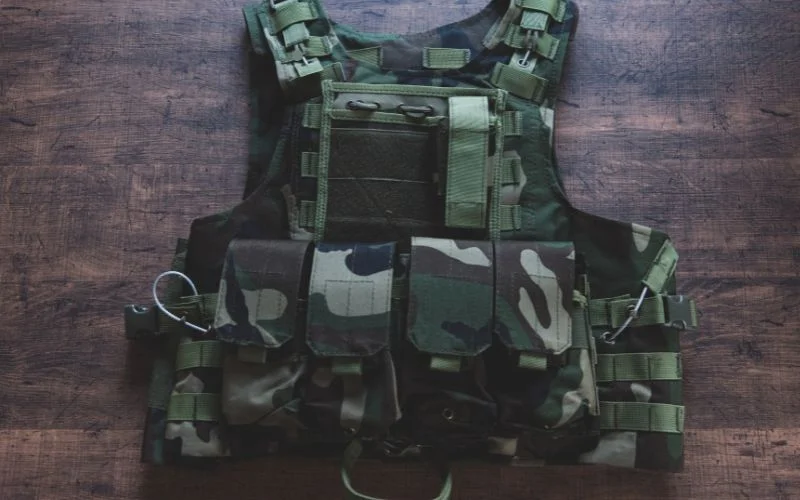
Choosing a plate carrier comes down to how it distributes weight and how fast it can be adjusted under stress. Look for a MOLLE (Modular Lightweight Load-carrying Equipment) front panel for pouch attachment, cummerbund sides for a snugger fit than a fixed carrier, and a quick-release cable so the carrier can be stripped in seconds during a medical emergency.
Departments issuing rifle-rated systems should walk new officers through setting up a plate carrier correctly before first wear, since plate placement that sits even an inch too low leaves the sternum exposed.
Trauma Pads
Trauma pads sit behind a hard plate and absorb the blunt force transmitted through the plate on impact, which is the actual mechanism most non-penetrating injuries come from even when the round never breaches the plate itself. A plate stops the round; the trauma pad is what keeps that stopped energy from cracking a rib. Pads compress over time and after any hit, so they should be inspected on the same schedule as the plate.
Concealability
Concealable body armor is built with a thinner soft panel and a low-profile carrier so it disappears under a dress shirt or plainclothes jacket, which matters for detectives, executive protection details, and undercover assignments where a visible carrier defeats the purpose of the role. The tradeoff is coverage. Most concealable body armor tops out at Level IIIA since a rigid rifle plate cannot realistically disappear under civilian clothing.
Maintenance and Care of Body Armor
Armor degrades even when it is never shot. Heat, humidity, UV exposure, and repeated flexing all shorten the working life of both soft fibers and plate coatings.
Regular Inspections
Check panels and plates for damaged stitching, delaminating ceramic (a rattling sound when the plate is gently shaken is a warning sign), and cracked or peeling protective coating on steel plates. Log every inspection with a date so a supervisor or armorer can track wear across the department’s full inventory rather than relying on memory.
Cleaning and Storage
Follow the manufacturer’s cleaning instructions exactly. Most soft panels should never be machine washed or exposed to bleach, and plates should be stored flat rather than stacked on an edge, which stresses ceramic composites over time. Keep armor out of direct sunlight and away from the trunk of a patrol vehicle in summer, since prolonged heat above 100 degrees Fahrenheit accelerates fiber degradation in soft panels.
Replacement Schedule
Most soft armor carries a five-year manufacturer warranty from the date of manufacture, printed on a tag sewn into the panel. Hard plates last longer, often ten years for steel and UHMWPE, but any plate that has taken a hit, been dropped from a significant height, or shows visible damage should be pulled from service immediately regardless of its age. A full body armor maintenance schedule is worth building into department SOPs rather than leaving inspection dates to individual memory.
Officers and teams that also run ballistic shields alongside their personal armor should apply the same inspection discipline to the shield’s polycarbonate or composite face, since impact damage there is just as easy to miss as a hairline crack in a plate.
Conclusion
Choosing body armor is not about buying the highest number on the NIJ chart. It is about matching a certified, tested product to the threat a specific role actually faces, confirming that certification against the NIJ Compliant Product List, and building a maintenance habit that keeps the armor performing on day 1,800 the same way it did on day one. Whether the role calls for a lightweight IIA panel or a full multi-threat ICW rifle setup, the decision should start with the threat and work backward to the gear, not the other way around.
Frequently Asked Questions About Body Armor
What is multi-threat body armor?
Multi-threat body armor is a panel, plate, or combination system certified to defeat more than one ammunition type or threat category, such as a soft IIIA panel paired with a removable rifle plate, so one system covers both handgun and rifle scenarios.
What are the different levels of body armor?
Under the NIJ 0101.06 standard, ratings run from Level IIA and II for lighter handgun rounds through IIIA for the highest-velocity handgun rounds, with Level III and IV covering rifle threats. The newer 0101.07 standard uses HG1, HG2, RF1, RF2, and RF3 in roughly the same order.
What does Level III+ body armor mean?
Level III+ is a manufacturer designation, not an official NIJ rating, indicating a plate that exceeds baseline Level III performance against higher-velocity rounds such as 5.56mm NATO, while still being tested and marketed under the Level III category.
Can body armor stop a knife?
Ballistic armor and stab-resistant armor are tested against completely different standards, and most ballistic-only panels offer minimal edged-weapon protection unless the product is specifically rated and labeled as stab-resistant.
How do I confirm my body armor is actually certified?
Search the exact model name on the NIJ Compliant Product List rather than relying on the manufacturer’s product page, since the CPL reflects independent lab testing rather than a self-reported claim.