







Single Curve vs Multi-Curve Armor Plates: Which Is Better?


When choosing between single-curve and multi-curve armor plates, it’s crucial to weigh the differences in ergonomics, comfort, and performance. Multi-curve plates often provide a snug fit, enhancing mobility and reducing fatigue, especially during extended wear. On the other hand, single-curve options might appeal with their cost-effectiveness. Understanding which option best fits your specific needs in high-risk scenarios is essential to making an informed decision.
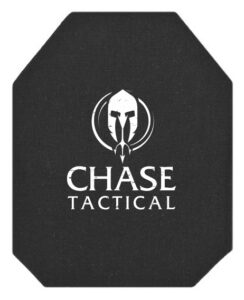
The Chase Tactical SP8 Level IV RF3 Rifle Armor Plate offers NIJ 0.06 compliant protection with single-curve ergonomics. Designed to stop armor-piercing threats including .30-06 M2 AP rounds, this plate balances maximum protection with cost-effective manufacturing. Its single-curve design provides reliable coverage while maintaining affordability for budget-conscious operators.
Ergonomics and Fit
Multi-curve plates excel in conforming to your ribcage and sternum, reducing gaps and enhancing stability. Unlike single-curve plates, which bend only vertically, multi-curve options improve contact across your chest and abdomen, providing a more ergonomic fit for various body types. Multi-curve plates tend to be lighter than single-curve options of equal size and thickness, which enhances comfort during prolonged use.
Movement and Stability
Multi-curve plates maintain a close fit during movement, reducing shifting whether you’re standing or sitting. They support better arm and shoulder motion by aligning naturally with your body’s mechanics. Additionally, multi-curve plates distribute weight evenly, minimizing concentrated load points and promoting neutral spinal alignment. This design results in less shifting, ensuring your armor stays aligned over crucial areas.
Comfort and Concealability
Multi-curve armor plates distribute pressure evenly across your torso, reducing hot spots and discomfort, especially during long shifts. You’ll find deep breathing easier, as multi-curve designs follow chest expansion, unlike single-curve plates that may restrict movement. They also maintain stability, reducing bounce and sway, improving overall comfort.
When it comes to concealability, multi-curve plates hug your body contours, minimizing visible printing under clothing. They avoid the boxy silhouette typical of single-curve plates, ensuring discreet wear even under light garments. While single-curve plates might fit more carriers, multi-curve designs offer a closer fit, enhancing comfort and concealment when properly sized. For those considering layering soft armor with plate carriers, multi-curve plates integrate more seamlessly for comprehensive protection.
Ballistic Performance and Coverage
Although single-curve armor plates are widely recognized for their straightforward design, multi-curve plates offer superior ballistic performance and coverage. Multi-curve plates’ closer torso contact reduces back-face deformation by spreading impact energy more effectively. This design minimizes the risk of blunt trauma and enhances overall protection.
Coverage Area
Multi-curve plates fit snugly against your torso, reducing gaps at the chest and abdomen and providing more effective coverage over crucial zones like the heart and lungs, especially during movement. Multi-curve plates feature multiple curvatures that better fit your body, enhancing both mobility and comfort during extended wear.
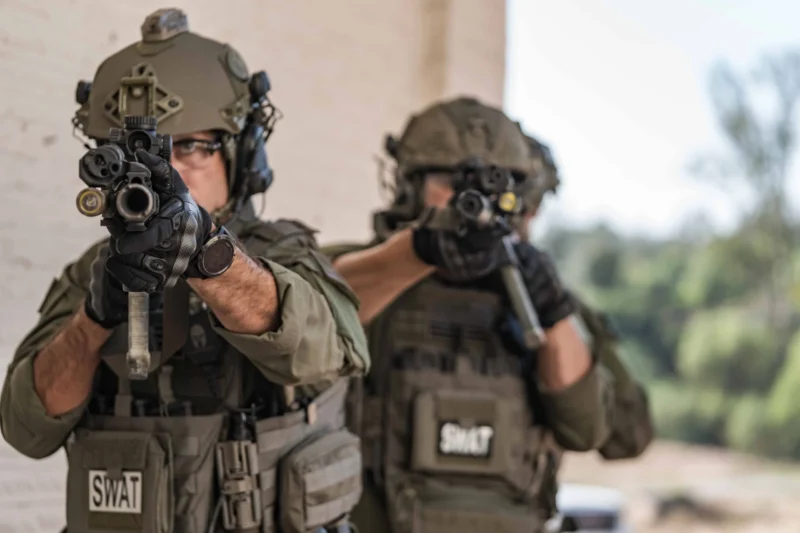
Additionally, multi-curve plates excel against angled and oblique shots. They maintain consistent contact, limiting exposure to edges and ensuring better protection. In dynamic situations, this consistent edge-to-body contact significantly boosts your real-world ballistic coverage, making multi-curve plates a preferred choice for high-risk scenarios.
Weight and Mobility
Balancing weight and mobility is essential in ensuring effective protection without sacrificing agility. Multi-curve plates often offer greater mobility by contouring to your torso, enhancing freedom of movement for your shoulders and arms.
Polyethylene multi-curve plates are usually lighter than steel single-curves and distribute weight evenly, reducing pressure points and perceived load. Unlike single-curve plates, multi-curve designs provide a secure fit by contouring vertically and horizontally, helping reduce shifting during movement.
The anatomical fit of multi-curve plates minimizes restriction, allowing better bending, twisting, and running. With reduced hot spots, multi-curve plates decrease muscular fatigue, enabling sustained performance. These benefits make multi-curve plates more suitable for high-mobility tasks and extended wear.
Cost and Manufacturing
Understanding the complexity of production is essential when evaluating cost. Single-curve plates are more cost-effective due to their simpler tooling and reduced design time. They use standardized sizes, enabling efficient material utilization and lower scrap rates.
Manufacturing Requirements
In contrast, multi-curve plates require complex molds and more precise CNC machining, increasing both tooling costs and waste. These plates demand multi-stage forming and careful control of ceramic shrinkage, resulting in higher scrap rates and consequently, higher costs.
Multi-curve production also requires more advanced equipment and more frequent maintenance, increasing capital expenses. Single-curve lines benefit from shared tooling and faster changeovers, reducing costs. Ultimately, single-curve plates like the Chase Tactical SP8 Level IV RF3 offer a more economical choice for mass production, minimizing both expenses and complexity.
Market Use and Application
Military Applications: Multi-curve plates are widely adopted across various sectors due to their ergonomic fit and advanced protection. Military forces favor multi-curve plates in combat to reduce fatigue and provide superior protection. Their adaptability ensures safety and mobility in high-risk zones, leading to large-scale adoption by major military forces worldwide.
Law Enforcement and Security: Law enforcement departments prefer multi-curve designs for top-tier protection and comfort during long shifts. The design provides better coverage against angled shots, which is critical during tactical operations.
For security and private sector applications, single-curve plates suffice for brief security tasks, while private contractors increasingly opt for multi-curve designs for enhanced mobility and safety during extended operations.
Factors Influencing Your Choice
Budget Considerations
Single-curve plates typically cost less due to simpler manufacturing, while multi-curve models command a notable price premium. Single-curve plates offer a budget-friendly entry point, with multi-curve plates starting around $200–$250 for budget-friendly models and exceeding $400 for premium options.
Multi-curve plates offer better ergonomics, potentially enhancing training value and comfort over time. If your budget is tight, single-curve plates suffice for short wear times. However, investing in multi-curve plates is often justified for increased comfort and mobility during extended operations.
Mission Requirements
Multi-curve plates are tailored for extended wear, reducing fatigue with their contoured design that conforms to your body and eliminates uncomfortable pressure points. This is essential for missions requiring long hours in vehicles or patrols.
They also enhance mobility, allowing you to move freely, whether sitting or kneeling, without bulk or restrictions. In high-risk scenarios, multi-curve plates offer superior protection, shielding against angled shots and maintaining full coverage, unlike single-curve plates that might leave gaps.
Although single-curve plates may suffice for infrequent use, demanding operations benefit from the durability and comfort of multi-curve designs, justifying their higher cost and extended service life.
Conclusion
When choosing between single-curve and multi-curve armor plates, focus on your specific operational needs. Multi-curve plates offer superior ergonomics, comfort, and ballistic performance, making them ideal for high-risk situations and long-term wear. They conform better to your body, enhance protection, and distribute weight evenly, reducing fatigue. However, if cost is a primary concern and your use is occasional, single-curve plates like the SP8 Level IV RF3 provide reliable protection at a more accessible price point. Ultimately, prioritize what best suits your operational requirements, mission duration, and personal comfort.
Frequently Asked Questions
Can I customize armor plates for better fit?
You can customize both single-curve and multi-curve plates for a better fit. Manufacturers offer custom cuts and curvature options, but expect longer lead times and higher costs. Proper carrier adjustments and padding can also optimize fit and comfort.
Do single-curve and multi-curve plates have different durability?
Single-curve and multi-curve plates don’t have different lifespans or durability based solely on their shape. Durability depends more on material type and construction quality. Focus on proper handling and material quality to ensure longevity.