








The Role of ICW Armor Plates in Tactical Gear


When selecting tactical gear, you might wonder about the significance of ICW armor plates. These aren’t just another layer; they’re essential for enhancing protection alongside soft body armor. With advanced materials like ceramic, these plates stop various rifle rounds while keeping you agile. But how do they really compare to standalone options, and what makes them indispensable for high-threat situations?
Ready to upgrade your protection? Explore the Chase Tactical 3i7M Ultra Lightweight Rifle Plate – designed for ICW applications with exceptional mobility and rifle threat protection.
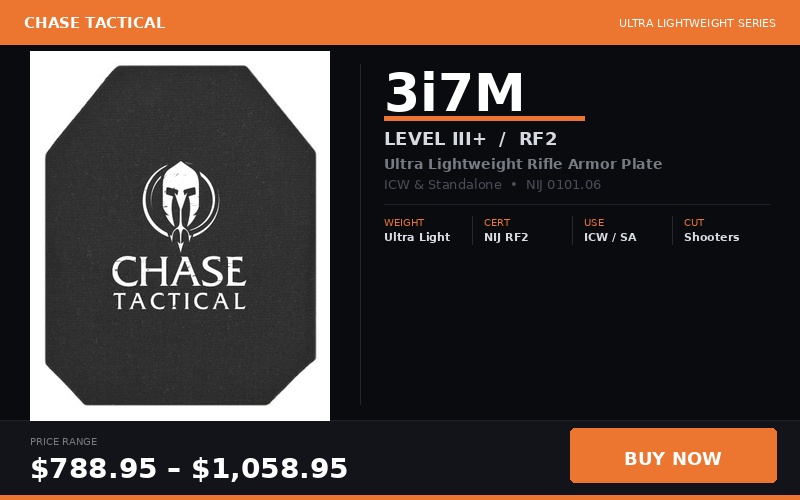
Understanding ICW Armor Plate Classification
ICW stands for “In Conjunction With” and refers to armor plates designed to work with soft body armor to stop rifle rounds effectively. Unlike standalone plates, ICW plates rely on the soft armor beneath them to disperse energy, catch fragments, and minimize back-face deformation—this partnership is what gives them their full protective capability.
Typically, Level IIIA soft armor is required for optimal performance. ICW armor is designed to enhance protective capabilities by utilizing the soft armor’s ability to absorb and mitigate ballistic impacts. ICW plates come in various configurations, including Level III, III+, Green Tip, and Level IV, each addressing different threat levels. They use advanced materials such as ceramics and UHMWPE, ensuring multi-hit capability while maintaining protective standards and keeping weight to a minimum.
Protection Levels and Threats Addressed

When considering ICW plates for your tactical gear, it’s essential to understand how they address various threats. According to NIJ standards, these plates offer robust protection against rifle rounds when combined with soft armor.
Rifle Round Defense
ICW plates play a vital role in personal protection against rifle threats. Level III ICW plates stop standard rifle rounds like 7.62×51 M80 and 5.56 M193, making them ideal for common threats. For tougher challenges, Level III+ plates can handle steel-core ammunition, such as the 5.56mm M855 “green tip.” For the highest protection, Level IV ICW plates, paired with Level IIIA soft armor, defend against .30-06 armor-piercing rounds, even with multiple hits.
Ceramic Plate Mechanics
Understanding the mechanics of ceramic plates is fundamental for effective defense. ICW plates use a combination of ceramic and composite materials to dissipate impact energy. Silicon carbide ceramic forms the strike face, while Ultra High Molecular Weight Polyethylene (UHMWPE) layers provide essential backing support. These materials ensure that ICW plates maintain structural integrity and multi-hit capability while limiting backface deformation (BFD) to under 44mm to minimize injury risk.
With a Level IIIA soft armor backing, they effectively disperse energy and protect against fragments. Level IV plates provide the highest level of ballistic protection, capable of stopping high-velocity rifle rounds, including armor-piercing projectiles like .30-06 M2 AP.
Enhanced Ballistic Modularity
ICW plates offer enhanced ballistic modularity by allowing you to tailor your protection level to specific threats. By combining ICW plates with Level IIIA soft armor, you achieve varying levels of protection, from Level III to Level IV. This setup stops rounds like the 7.62mm M80 and .30-06 M2 AP.
These plates are typically 12% lighter than standalone alternatives, reducing fatigue while maintaining high-level protection. Constructed from advanced materials like UHMWPE and silicon carbide ceramics, they provide a lightweight, durable solution. Designed for use with soft armor, ICW plates optimize stopping power and comfort, making them a preferred choice for those who need both mobility and security.
Comparing ICW Plates to Standalone Armor Solutions

Both ICW plates and standalone armor solutions aim to protect you from ballistic threats, but each offers distinct advantages based on your needs.
ICW Plates: Require a soft armor backing, like NIJ Level IIIA, to achieve their full protection rating. They’re thinner and lighter, making them ideal if you’re already wearing soft armor. ICW plates excel in minimizing bulk and weight when paired with soft armor, offering multi-hit capability without sacrificing mobility.
Standalone Plates: Self-sufficient, incorporating backing layers for complete protection without additional armor. They tend to be heavier and thicker due to this integration, providing comprehensive protection on their own—ideal if you prefer an all-in-one solution without needing separate soft armor.
Material Features and Advantages
ICW armor plates stand out due to their lightweight construction and advanced material composition. They use high-grade materials like UHMWPE and DSM Dyneema, ensuring minimal weight. Their thickness ranges from 0.47 inches to under 1 inch, with some plates weighing just 1.9 to 2.2 pounds.
ICW plates feature ceramic strike faces, such as silicon carbide and boron carbide, that shatter upon impact, dispersing energy effectively. Backing layers of polyethylene and fiberglass capture fragments, while aramid fibers enhance durability. Their thin profile and low visibility make them a good fit for standard plate carriers, reducing fatigue and maintaining effectiveness against rifle-caliber rounds.
Applications and Ideal Users
ICW armor plates prove indispensable for various tactical operations and personnel needing robust yet agile protection against rifle threats.
Military Deployment Benefits
Military personnel face rifle threats, IEDs, and RPGs, requiring reliable protection. ICW plates are indispensable, offering Level III and IV ratings that stop severe threats. They integrate seamlessly with existing soft armor, providing a cost-effective solution without requiring a complete system overhaul. Lightweight and ergonomic, ICW plates reduce fatigue, ensuring comfort and flexibility for prolonged use in high-risk military operations.
Law Enforcement Advantages
For law enforcement officers, the right armor can mean the difference between safety and vulnerability. ICW armor plates offer lightweight and effective protection, especially when paired with IIIA soft armor. They reduce fatigue and allow for extended wear during long shifts. These plates are designed to integrate seamlessly with standard IIIA vests, providing a modular upgrade without the bulk.
ICW plates are essential for officers who need quick upgrades to rifle protection in high-risk environments such as active-shooter scenarios and warrant service, ensuring patrol officers stay agile and safe.
Tactical Operations Suitability
SWAT teams rely on ICW plates to adapt quickly to escalating threats, ensuring safety without compromising tactical finesse. For covert missions, the slim design of ICW plates offers discreet yet powerful protection, blending seamlessly into low-profile setups.
Consider these advantages:
- Enhanced Mobility: Lightweight and thin, they ensure agility in dynamic scenarios
- Scalable Protection: Adapt to varying threat levels effortlessly
- Covert Operations: Maintain concealment with low-visibility armor
Tactical Scenarios for ICW Armor Plate Utilization
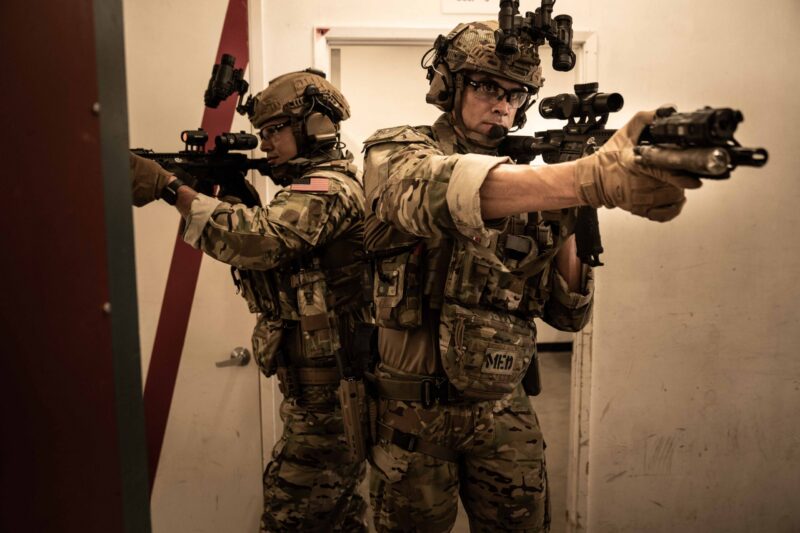
In tactical operations where unpredictability reigns, ICW armor plates provide essential protection for those on the front lines. Whether you’re in high-risk situations or responding to an active shooter, these plates provide rifle-rated protection.
Active Shooter Response
Rapid deployment with hybrid carriers allows quick upgrade to rifle protection, saving lives. The ability to pair ICW plates with existing soft armor means officers can respond immediately without waiting for specialized gear.
Military Deployments
Lightweight yet robust, ICW plates protect against rifle rounds while balancing protection and agility. Pairing them with soft armor optimizes mobility and coverage, vital when facing unknown threats.
Law Enforcement Patrols
Easily integrate with daily wear, providing confidence and readiness against escalating threats. The ergonomic design ensures comfort and a full range of motion, facilitating effective deployment in tactical situations.
Considerations for Selecting ICW Armor Plates
When selecting ICW armor plates, it’s crucial to ensure they are paired with the required soft armor backing to achieve the advertised protection levels. Ensure the soft armor is from the same manufacturer for validated performance, as mixing brands may compromise safety.
Look for NIJ-certified combinations, as few ICW plates meet these standards without specific soft armor. Consider the material composition: ICW plates typically use ceramic strike faces without the thicker backing layers, resulting in lighter, thinner profiles. They’re cost-effective because they use fewer materials.
Choose plates based on threat coverage needs: Level III plates handle multiple hits, while Level IV options, though single-hit rated, offer protection against armor-piercing rounds. Always verify specific threat coverage and application suitability for law enforcement or military use.
Conclusion
When you’re selecting tactical gear, don’t overlook the benefits of ICW armor plates. They offer enhanced protection by working with soft armor to stop rifle rounds while minimizing backface deformation. The lightweight, ergonomic design ensures you stay comfortable and mobile, even during long missions. Compared to standalone armor, ICW plates provide comprehensive safety without sacrificing agility. Whether you’re in law enforcement or military operations, these plates are essential for effectively navigating high-threat environments.
Frequently Asked Questions
Can ICW plates be used without a plate carrier?
Yes, you can use ICW plates without a plate carrier by sliding them into soft armor vests. However, to achieve rated protection, these plates require backing with NIJ-certified Level IIIA soft armor.
How do ICW plates fare in terms of durability?
ICW plates excel in durability when paired with soft armor, offering multi-hit protection and impact resistance. Proper maintenance, coatings, and storage extend their lifespan, making them a reliable choice for long-term tactical applications.
What is the typical lifespan of an ICW plate?
ICW plates typically have a lifespan of 5 to 7 years. You should check the manufacturing date label to confirm. Factors such as material type, environmental conditions, and usage can affect longevity, so maintain and inspect them regularly.
Are ICW plates suitable for cold-weather operations?
ICW plates can work in cold weather, but you need to manage the effects of temperature. Gradually warm them to avoid brittleness and degradation. Use soft armor backers and proper storage to ensure reliability in extreme conditions.
What’s the difference between ICW and standalone armor plates?
ICW plates require soft-armor backing to achieve full protection and are lighter and thinner, whereas standalone plates are self-sufficient with integrated backing layers but are heavier. ICW plates are ideal if you already wear soft armor; standalone plates work independently.
Do I need the same brand of soft armor and ICW plates?
Yes, it’s highly recommended to use soft armor from the same manufacturer as your ICW plates for validated performance and NIJ certification. Mixing brands may compromise the level of protection and void certifications.