








Level 4 Body Armor: What It Stops, Legal Rules & How to Size It

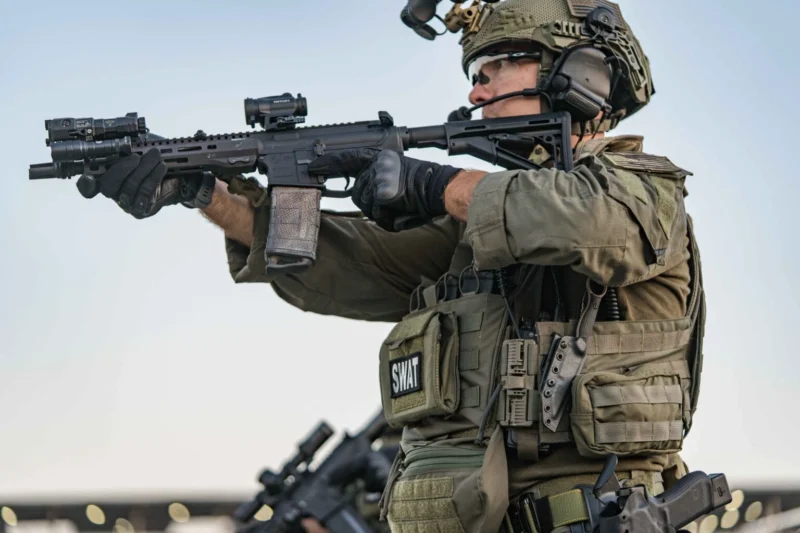
Level 4 body armor plates are the highest ballistic protection rating the National Institute of Justice (NIJ) assigns to hard body armor, built to stop armor-piercing rifle rounds that no lower level can defeat. This guide covers what buyers actually need once they’ve settled on Level 4: what it’s rated to stop round by round, standalone vs. ICW ratings, how to size and cut your plates, whether it can be worn discreetly, and what the law says about owning it. If you’re still deciding between Level 3 and Level 4, see our full comparison guide.
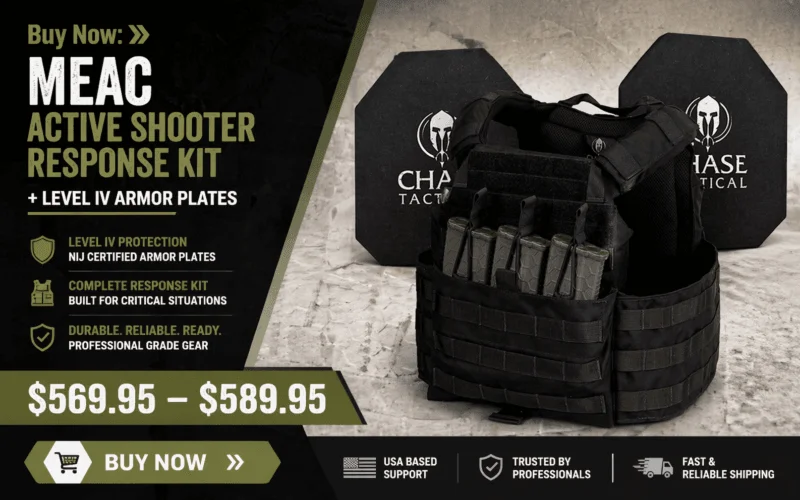
Be prepared for any situation, secure your MEAC Active Shooter kit + Level IV armor plates!
Why Do You Need Level 4 Body Armor?
Level 4 body armor guards against the most dangerous threats you’ll face: armor-piercing rifle rounds that lower levels can’t stop. To see where different levels fit in day-to-day duty, see our guide on what level of body armor police use.
Body Armor Levels
Body armor plates are rated and tested by the National Institute of Justice (NIJ) on a scale from Level I to Level IV, each corresponding to a different ballistic threat:
Level I: Stops small, low-energy handgun rounds.
Level II: Stops higher-velocity handgun rounds.
Level III: Stops more powerful handgun rounds and common rifle rounds.
Level IV: Provides the highest level of protection, including against armor-piercing rifle rounds.
Level 4 body armor plates protect against high-velocity, armor-piercing bullets. Because of this, military personnel, law enforcement officers, and security professionals rely on them in the most dangerous situations.
Is Level 4 Body Armor a Vest, a Plate, or a Shield?
People often search for a “Level 4 bulletproof vest” or “Level 4 ballistic vest,” but Level IV technically refers to a rigid hard-armor plate, not a soft vest. Soft body armor (Levels IIA, II, and IIIA) is flexible and can be worn under clothing; it stops handgun rounds but not rifle threats.
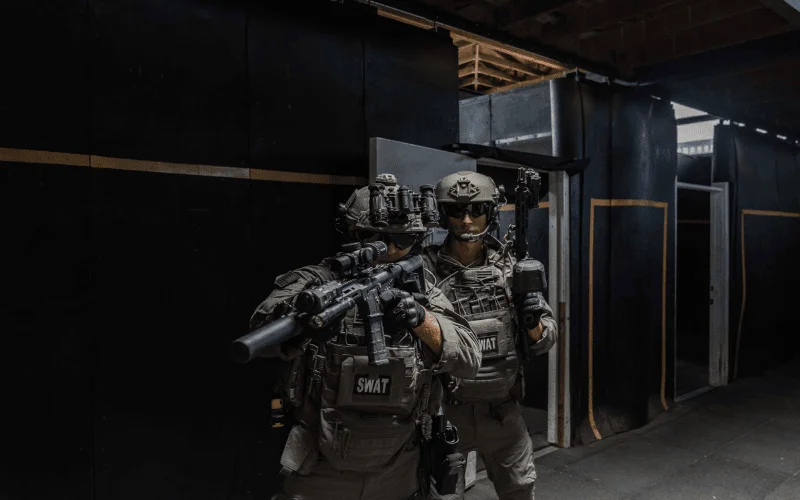
Level 4, like Level 3, is hard armor: a rigid ceramic or ceramic-composite plate that slides into a plate carrier, the carrier most people picture when they say “vest.” So, in practice, a “Level 4 vest” means a plate carrier loaded with Level IV plates, not a standalone soft panel. For a full breakdown of the difference, see our guide on soft armor vs. hard armor.
Ballistic shields are a separate category entirely. They’re handheld barriers, typically rated up to Level III or IIIA, used by entry teams, not something you wear. Chase Tactical’s Level 4 lineup is plates for a carrier, not shields; see ballistic shields vs. bulletproof vests if you’re deciding between the two. Since Level IV is a hard-armor rating built around rifle threats, there’s no separate “Level 4 rifle plate” designation beyond the standard Level IV plate itself; the rifle-rated protection is what the level means.
Features of Level 4 Plates
Level 4 armor plates are made from dense, hard materials, usually ceramic or ceramic-composite, that dissipate and absorb the energy of an incoming projectile. The defining feature is armor-piercing protection: unlike lower armor levels, Level 4 is rated to stop rounds designed to penetrate conventional body armor, and can absorb multiple hits depending on the specific plate and threat involved. The primary function of a Level 4 plate is to stop penetration from a .30-06 armor-piercing round, one of the most common high-threat rounds that security and military personnel prepare for.
What Materials Are Used to Produce Level 4 Armor Plates?
The materials used to construct Level 4 body armor plates play a major role in how well they withstand high-velocity rounds. Ceramic (boron carbide or silicon carbide) shatters on impact to absorb the bullet’s kinetic energy, and should be inspected after any significant drop since internal fractures aren’t always visible. Composite plates blend fibers such as Kevlar with a ceramic or steel layer for a lighter build. Many modern Level IV plates also pair a ceramic strike face with a UHMWPE backer to shave weight while keeping full certified protection. For a full side-by-side of how these materials perform across both Level 3 and Level 4, see our comparison guide.
Are Level 4 Plates Made of Polyethylene?
Not on their own. Pure UHMWPE plates are typically rated Level III or Level III+, not Level IV, because polyethylene alone can’t reliably stop an armor-piercing round. In a genuine Level 4 plate, UHMWPE only appears as a lightweight backer behind a ceramic (or ceramic-composite) strike face, the layer that actually defeats the AP round. If a listing markets a “Level 4 polyethylene plate” with no ceramic strike face and no CPL listing, treat that as a red flag and check it against the NIJ Compliant Products List before buying.
What About Steel Level 4 Plates?
Steel is common in Level III armor because it’s inexpensive and multi-hit tolerant, but it’s rarely used as a standalone Level IV strike face. Steel plates thick enough to defeat a .30-06 AP round get heavy fast, and steel also carries a higher risk of bullet fragmentation and spalling toward the wearer than ceramic. Most NIJ-listed Level IV plates on the market today use a ceramic or ceramic-composite strike face instead. For a closer look at how the two materials compare, see our guide on how steel body armor compares to ceramic and composite plates.
How Are Level 4 Plates Tested?
The National Institute of Justice (NIJ) tests Level 4 body armor plates under the NIJ 0101.06 certification standard. These tests simulate real-world ballistic threats and assess the plate’s ability to withstand high-velocity ammunition.
Testing involves firing a .30-06 M2 AP (armor-piercing) round, 166 grains at 2,880 ft/s, at the strike face of the plate. The strike face must stop the round from penetrating completely.
NIJ testing also measures backface deformation (BFD), the inward indentation on the rear of the plate after impact. The maximum allowable BFD under the NIJ standard is 44mm. A plate that exceeds this limit fails certification, even if the round doesn’t fully penetrate, since severe deformation can still cause blunt-force trauma to the wearer.
The NIJ is also transitioning to an updated standard, NIJ 0101.07, which reclassifies the highest rifle protection tier as RF3. As of 2026, no RF3-listed products appear on the NIJ Compliant Products List, since the 0101.07 program hasn’t yet published its first CPL. Until then, NIJ 0101.06 Level IV certification remains the relevant benchmark for hard armor plates.
What Plate Carriers to Use With Level 4 Body Armor?
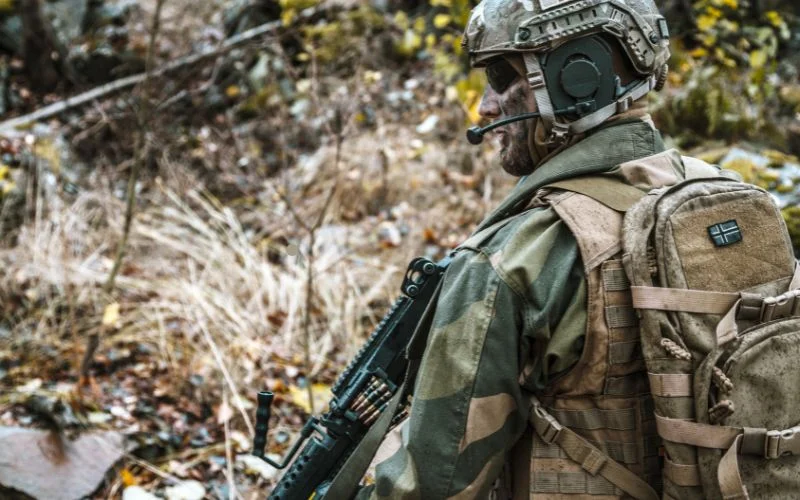
Make sure your carrier matches in size, weight capacity, and durability. Level 4 plates are the heaviest in the lineup, so look for Level IV carriers made from strong, lightweight materials such as MOLLE webbing or CORDURA fabric that can carry the added weight without sacrificing mobility. If you’re building a rifle-specific loadout, our guide to Level IV plates for AR-15 protection covers carrier and plate pairing in more detail. For full carrier-selection criteria across both plate levels, see our guide to choosing the right ballistic plates for your plate carrier.
Can Level 4 Body Armor Be Concealed?
Not in the traditional sense. Level IV plates are rigid and roughly an inch thick, so they can’t be worn discreetly under everyday clothing the way a soft Level IIIA panel can. They’re built to sit inside an exterior plate carrier, not to disappear under a shirt. If discreet, day-to-day protection against handgun threats is the priority rather than rifle-rated protection, a concealable Level IIIA soft armor panel is the more practical choice; see our guide on concealable body armor.
Some users also add backpack armor inserts as a low-profile supplemental layer. But if the threat picture includes rifle rounds, there’s no substitute for a Level IV plate in a proper carrier.
What Do Level 4 Body Armor Plates Stop?
Level 4 body armor plates provide the highest level of rifle protection available and are designed to stop powerful rifle rounds and other high-powered ammunition. According to NIJ testing, Level 4 plates can stop rifle rounds at distances of 15 meters or less. The following rounds are effectively stopped by Level IV body armor:
- 7.62x63mm M2 AP (.30-06): A highly destructive armor-piercing round often used in military rifles.
- Many NIJ-listed Level IV plates have also been tested to withstand these additional rounds:
- – 7.62×39 123gr PS Ball (MSC)
- – 7.62×51 147gr FMJ (M80), up to 2,850 ft/s
- – 5.56×45 55gr (M193), up to 3,150 ft/s
- – 5.56x45mm 62-grain steel core (M855)
- – 5.56x45mm M855A1
These plates are designed for high-risk environments and protect against some of the most powerful small-arms threats. Even so, proper fit and full torso coverage are essential to getting the protection a Level 4 plate is rated for.
Is Level 4 Body Armor Legal to Own?
In most U.S. states, law-abiding adults can legally purchase and own Level IV plates. Federal law (18 U.S.C. § 931) prohibits possession by individuals convicted of a violent felony. Connecticut prohibits civilian sales entirely, and New York has additional state-level restrictions on top of federal law. Rules can change, so always verify your local and state laws before purchasing. For a state-by-state breakdown, see our guide on civilian body armor laws and restrictions.
Level 4 vs. Level 3 Armor Plates
Both Level 3 and Level 4 body armor plates provide serious protection, but they serve different threat profiles and trade weight for capability differently. For the full side-by-side protection level, weight, durability, and cost — see our complete Level III vs Level IV comparison guide.
Choosing the Right Level 4 Armor Plate
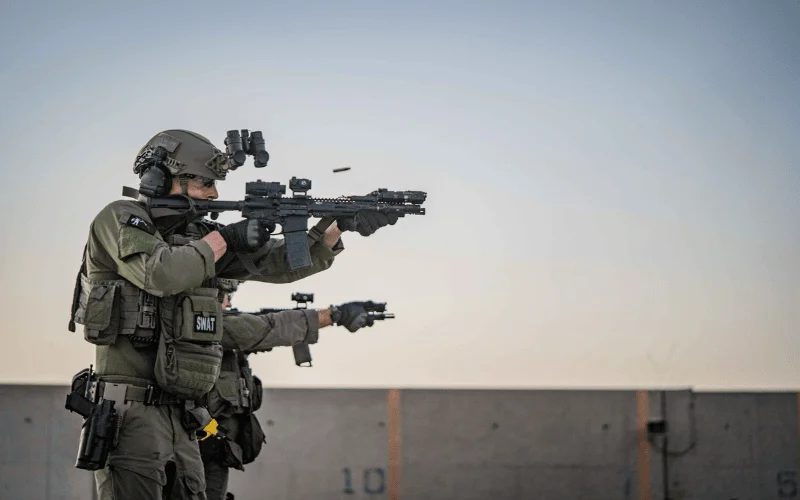
The right Level 4 plate comes down to weight tolerance, plate type, and confirmed NIJ certification. See our full comparison guide if you’re still weighing Level 3 against Level 4.
Standalone vs. ICW (In Conjunction With) Level 4 Plates
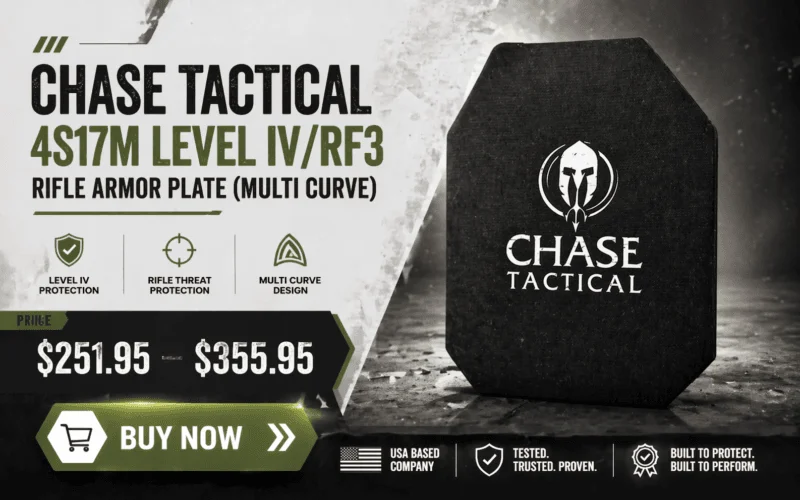
Check whether a plate is rated standalone or ICW (in conjunction with) Level IIIA soft armor before purchasing. A standalone plate provides its rated Level IV protection on its own. An ICW plate only meets the NIJ standard when worn over soft armor, and using it alone reduces its effectiveness. Chase Tactical’s 4S17 plates are NIJ 0101.06-certified, standalone, meaning no soft-armor backing is required.
Available Plate Sizes and Cuts
Level IV plates are available in several standard sizes and profile cuts. The most common size is 10×12 inches, which fits most plate carriers on the market. SAPI (Small Arms Protective Insert) cut plates follow military sizing standards (small, medium, large, and XL).
A shooter’s cut removes material from the upper corners, improving rifle-stock clearance and reducing weight by several ounces. A swimmer’s cut removes more material from the upper corners for greater arm mobility. For most users, a 10×12 plate with a shooter’s or SAPI cut provides solid vital-organ coverage while balancing weight and range of motion.
How Much Do Level 4 Plates Cost?
NIJ-listed Level IV plates from reputable manufacturers typically run $150 to $350 per plate. Avoid budget plates claiming Level IV performance without a CPL (Compliant Products List) listing. Chase Tactical’s 4S17 series is NIJ 0101.06-certified and standalone-rated.
Related: Ceramic vs. Steel Plates, Which Offers Better Level IV Protection? | Level 4 Armor for Law Enforcement: When Is It Essential?
Conclusion
Level 4 body armor plates offer the highest level of protection available. Understanding what they’re rated to stop, how they’re sized, and what the law allows helps you make an informed choice whether for law enforcement, military use, or high-risk personal protection.
Frequently Asked Questions
Is Level 4 body armor a vest?
Not on its own. Level IV is a rating for a rigid hard armor plate, not a soft vest. It has to be worn inside a plate carrier, which is what most people mean when they say “Level 4 vest.” Soft vests by themselves are typically rated up to Level IIIA and don’t stop rifle rounds.
Is it legal to buy Level 4 body armor?
In most U.S. states, law-abiding adults can legally purchase and own Level IV plates. Federal law (18 U.S.C. § 931) prohibits possession by anyone convicted of a violent felony. Connecticut prohibits civilian sales entirely, and New York has additional state-level restrictions. Always verify your local and state laws before purchasing.
Are Level 4 plates made of steel or polyethylene?
Not on their own. Level IV plates almost always use a ceramic or ceramic-composite strike face because it’s what actually stops an armor-piercing round. Steel is generally used at Level III instead, since a steel plate thick enough for Level IV gets heavy and carries a higher spalling risk. Pure UHMWPE (polyethylene) is typically rated Level III or III+; in a genuine Level 4 plate, UHMWPE only appears as a lightweight backer behind the ceramic strike face, not as a standalone strike face.
Can Level 4 body armor stop all bullets?
While Level 4 plates are designed to stop the most dangerous threats, no body armor can guarantee 100% protection from all types of ammunition. They do, however, offer the highest level of defense currently available.
Are Level 4 plates standalone or ICW?
It depends on the plate. Standalone plates meet NIJ Level IV standards on their own. ICW (in conjunction with) plates require a Level IIIA soft armor backer to achieve their rated protection. Always confirm a plate’s certification type before purchase. Chase Tactical’s 4S17 series is certified standalone.
How long do Level 4 plates last?
Most manufacturers recommend replacing Level IV plates every 5–10 years, depending on use, storage conditions, and any visible damage. Inspect ceramic plates regularly for cracks, since unseen fractures can compromise ballistic performance even if the plate looks intact on the surface. Chase Tactical backs its 4S17 armor plates with a 10-year ballistic material warranty.
How do I maintain Level 4 body armor?
Store plates flat or upright in their carrier, away from prolonged direct sunlight and high humidity. Wipe off dirt with a damp cloth and let the plate dry fully before storing. Don’t strike the plate with tools or drop it repeatedly, since sharp impact can create internal fractures in the ceramic that aren’t visible but still reduce ballistic performance. If a plate has sustained a known ballistic hit, retire it regardless of the remaining warranty period. For more detail, see our guide on extending the life of your body armor.