








Backpack Armor: How Bulletproof Inserts Work and Who Needs Them

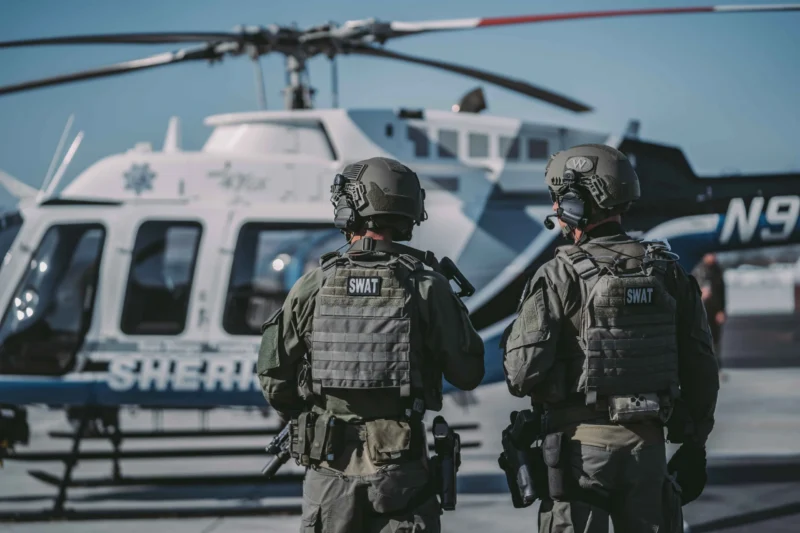
The threat environment has changed. Active shooter incidents do not happen only at military installations or secured facilities. They happen in schools, offices, houses of worship, transportation hubs, and crowded public spaces, anywhere people carry backpacks. Backpack armor exists because protection should be accessible even when putting on a full plate carrier is not the contextually appropriate option.
This guide explains how bulletproof backpack inserts work, which ballistic protection levels they meet, who the intended users are, and what limitations operators and civilians alike need to understand before relying on one.
What Is Backpack Armor?
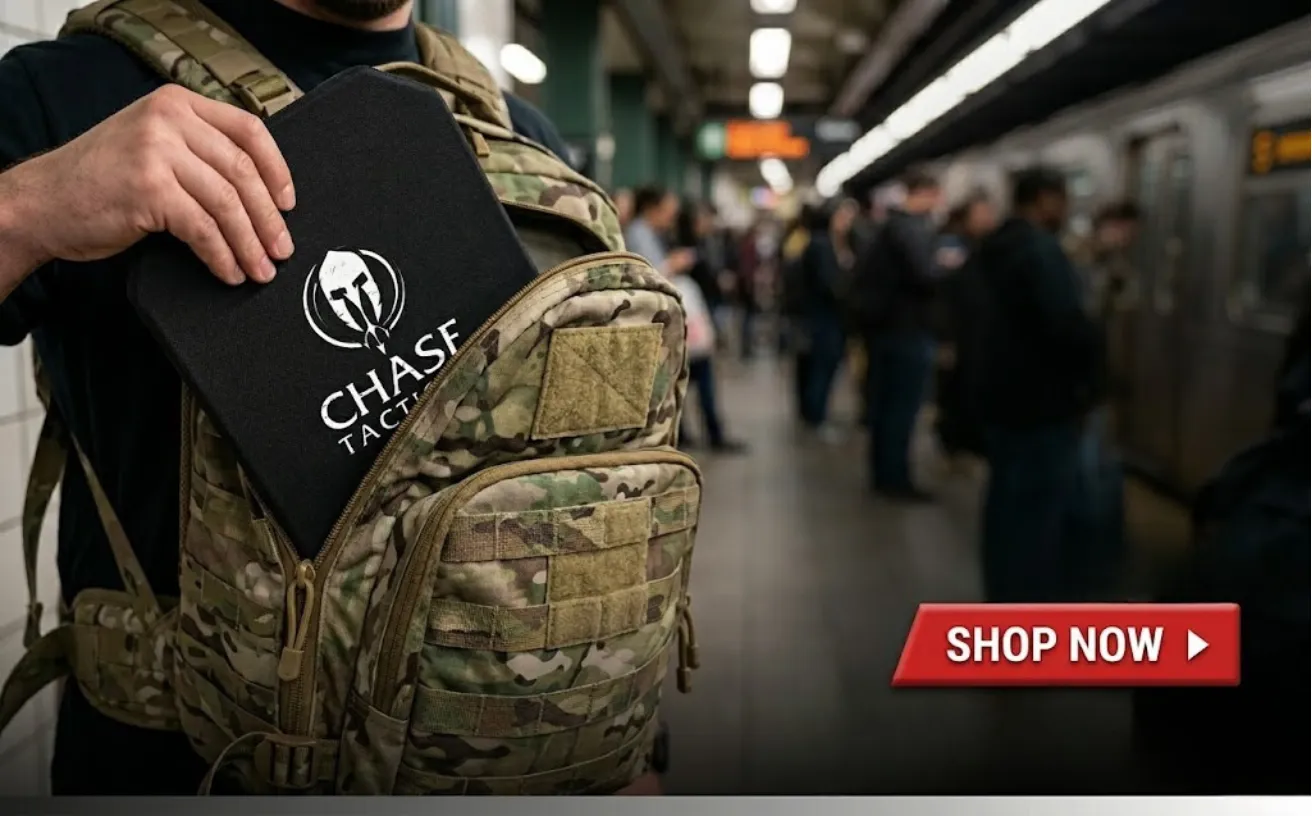
Backpack armor refers to a ballistic-rated insert designed to fit inside a standard or tactical backpack. The insert occupies the rear compartment, the section closest to the wearer’s back, and provides ballistic protection to the wearer’s torso when the pack is being worn.
Unlike a plate carrier, which is purpose-built to carry ballistic protection and worn visibly over clothing or gear, a backpack insert is a discrete protective layer integrated into a bag that looks like any other backpack. This is the operational value proposition: protection that does not require a change of dress or reveal that you are carrying protection.
How Bulletproof Inserts Work
Ballistic inserts work on the same physics principles as all ballistic armor. The protective material, whether a soft ballistic panel or a hard plate, absorbs and disperses the energy of an incoming projectile, preventing it from penetrating to the wearer’s body.
Soft Armor Inserts (Level IIIA)
The most common category for backpack inserts is Level IIIA soft armor. Level IIIA materials are designed to defeat high-velocity handgun rounds, including 9mm FMJ and .44 Magnum. In the context of backpack armor, a Level IIIA insert protects the wearer’s back from handgun-caliber threats when the pack is worn.
Level IIIA soft armor uses layers of tightly woven or laminated ballistic fiber. When a projectile strikes the panel, the fibers work together to catch and decelerate the round, distributing its energy across the panel’s surface rather than concentrating it at a single penetration point.
Soft armor inserts are flexible, lightweight relative to hard plates, and conform to the shape of a backpack. This makes them practical for daily carry in a conventional backpack without creating the stiff, obviously armored profile a hard plate would produce.
Hard Armor Inserts (Level III/IV)
Hard armor plates, the same Level III and Level IV plates used in plate carriers, can also serve as backpack inserts when sized appropriately. A Level III plate in the rear compartment of a tactical backpack provides rifle-rated protection to the wearer’s back.
Chase Tactical carries Level III and Level IV armor plates that operators use in plate carriers as their primary torso protection. These same plates, when sized correctly, can be positioned in a backpack’s rear compartment.
The trade-off with hard plate inserts is weight and rigidity. A 10×12 Level IV plate weighs significantly more than a soft armor panel of the same dimensions, and the rigid plate changes the profile and feel of the pack. For tactical operators running a backpack as a kit bag in addition to a plate carrier, this trade-off is often acceptable. For civilian daily carry in a work or school bag, the soft armor approach is more practical.
Who Actually Uses Backpack Armor
Law Enforcement and Security Personnel
Officers and security personnel who carry bags as part of their regular duties, whether a range bag, a gear bag, or a tactical pack used during transport, can benefit from a ballistic insert that provides additional coverage angles. When not wearing a plate carrier, a backpack insert covers the back to protect against potential threats when turning away is unavoidable.
Active Shooter Response Preparedness
The rise of active-shooter preparedness has driven significant interest in backpack armor among first responders and civilians seeking protection in environments where wearing visible armor is not feasible. School resource officers, hospital security, and corporate security personnel working in plain-clothes environments are realistic users.
Civilian Preparedness
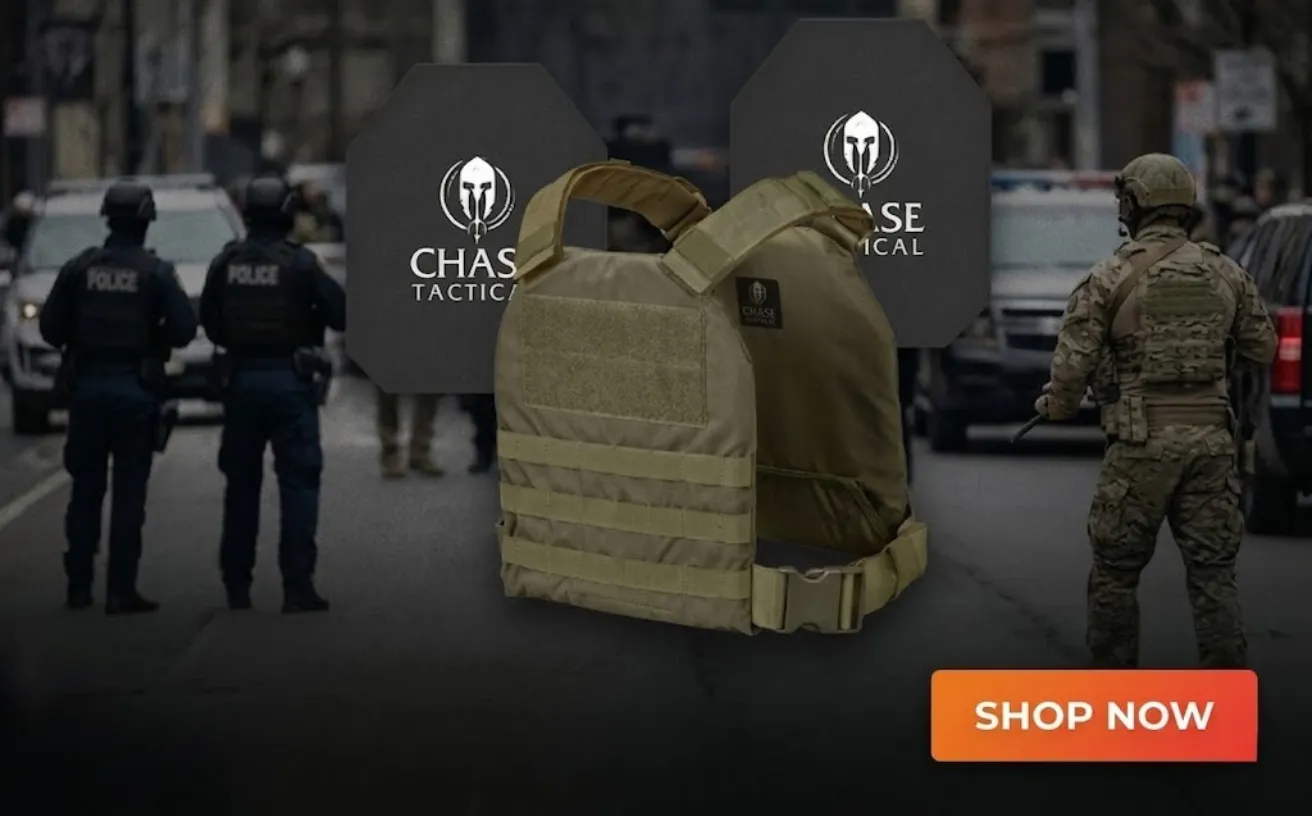
The civilian preparedness market includes individuals who carry backpacks daily in environments they consider elevated risk. A Level IIIA soft armor insert in a daily carry bag provides discreet protection against the handgun calibers most commonly involved in criminal violence without any visible indication of armor carriage.
Military and Contractor Personnel
Military personnel using assault packs or administrator bags in non-combat administrative environments, and contractors working in elevated threat zones outside of full kit, use ballistic inserts to maintain a baseline of protection when a plate carrier is not the appropriate dress.
What Backpack Armor Does Not Do
Understanding the limitations of backpack armor is as important as understanding the capabilities.
Coverage is rear-facing only when worn. A backpack on your back protects your back. It provides zero frontal protection. Anyone relying on backpack armor for frontal threat coverage is misunderstanding the product.
A pack on the ground is not armor. Some guides suggest holding a bag in front of you as a shield. A backpack designed for wear is not engineered as a held shield, and its insert coverage assumes it is being worn, not held. For dedicated handheld ballistic shields, Chase Tactical offers purpose-built models.
Level IIIA soft inserts do not stop rifle rounds. Level IIIA protects against handgun-caliber threats. Rifle-caliber threats require Level III or Level IV hard armor. Know your insert’s rating and know what threats you are actually addressing.
Inserts sized incorrectly for a pack provide incomplete coverage. An insert that does not fill the rear panel of the pack leaves unprotected edges. Proper sizing matters.
Sizing and Fitting a Backpack Insert
Standard backpack insert sizes typically follow the same sizing conventions as body armor plates: 10×12 inches covers most adult torsos and fits most full-size tactical and everyday backpacks. Smaller inserts (8×10 or 9×11) are available for smaller packs but offer reduced coverage.
Fitting considerations:
- The insert should sit flat against the back panel of the pack, with no bunching or angling
- The top of the insert should align approximately with the top of the pack’s rear compartment
- The insert should not extend below the bottom seam of the compartment this can cause it to angle away from the wearer’s back
When selecting an insert for a specific pack, measure the interior rear compartment dimensions before ordering. An insert that is too large will not sit flat. An insert that is too small leaves coverage gaps.
Conclusion
Backpack armor is not a replacement for a plate carrier. It is a tool that fills a specific gap protection in environments where a plate carrier is not the tactically appropriate option, worn by people who cannot afford to be unprotected simply because the context does not allow for visible armor.
Understanding the rating, the sizing, the coverage limits, and the right insert for the right threat is what separates effective use from false confidence. A Level IIIA soft insert handles the handgun-caliber threats most commonly encountered in high-risk civilian and plain-clothes environments. A Level III or Level IV hard plate insert addresses rifle threats when the intelligence picture demands it. Chase Tactical carries both. Size it correctly, position it properly, and know exactly what it does and does not cover. That knowledge is as important as the armor itself.
The Federal Emergency Management Agency (FEMA) provides civilian preparedness resources at ready.gov for individuals building personal safety plans.
FAQs
What ballistic level should I get for a backpack insert?
That depends on the threat environment you are preparing for. Level IIIA soft armor protects against high-velocity handgun threats and is the most practical option for civilian and plain-clothes carry scenarios. If your environment includes rifle threats, a Level III or Level IV hard plate insert is required. Chase Tactical carries both.
Can I put a Chase Tactical armor plate in my backpack?
Yes. Chase Tactical’s Level III and Level IV plates can be positioned in the rear compartment of a backpack sized appropriately for the plate dimensions. Ensure the plate sits flat and centered against the back panel.
Does backpack armor protect against rifle fire?
Soft armor inserts (Level IIIA) do not protect against rifle-caliber threats. Hard armor plates at Level III or Level IV are required for rifle threat protection.
Is backpack armor legal for civilians?
The purchase and ownership of body armor are legal for civilians in most U.S. states. Some states have specific restrictions. Verify the laws in your state before purchasing. Chase Tactical sells to qualified civilian buyers.
How is backpack armor different from a plate carrier?
A plate carrier is a dedicated piece of load-bearing equipment designed specifically to carry and present ballistic plates for front, back, and side coverage. Backpack armor provides rear protection when worn and is integrated into a bag rather than a purpose-built carrier. When a plate carrier is appropriate and tactically feasible, it provides more comprehensive protection.