





Understanding Different Firearm Accessories and Their Uses

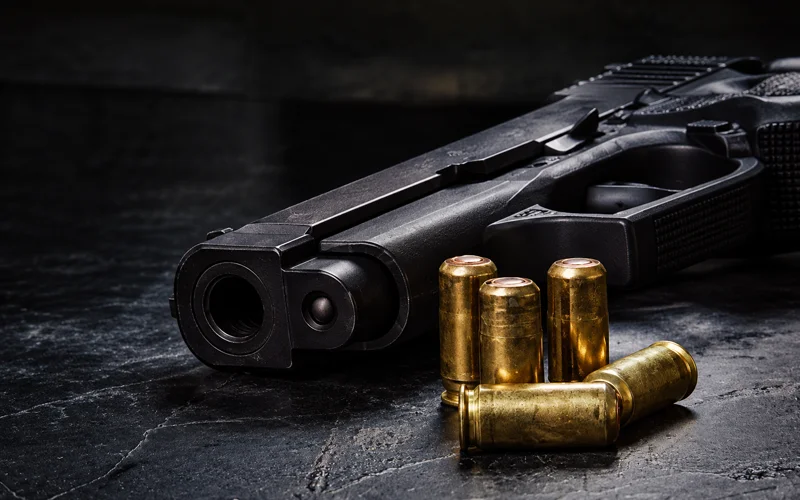
Firearm accessories are the add-ons that change how a firearm fits, handles and performs. Optics, grips, slings, lights, magazines and rail mounts each solve a different problem, and the right mix depends on how you use your tactical firearm, whether that is range practice, hunting, home defense or duty work.
This guide covers the most common gun attachments and rifle attachments, along with pistol attachments and barrel attachments, what each one does, and what to check before you buy or install one. Gun attachment names, types and uses are grouped by category, so you can compare weapon attachments quickly.
Different Firearm Accessories and Their Uses
Each accessory is designed to improve performance, comfort or safety, from stocks and scopes to rails and holsters. This section breaks down the most common firearm accessories, what they do and how they can improve your shooting experience.
1. Optics and Sights
Primary use: Aiming and target acquisition
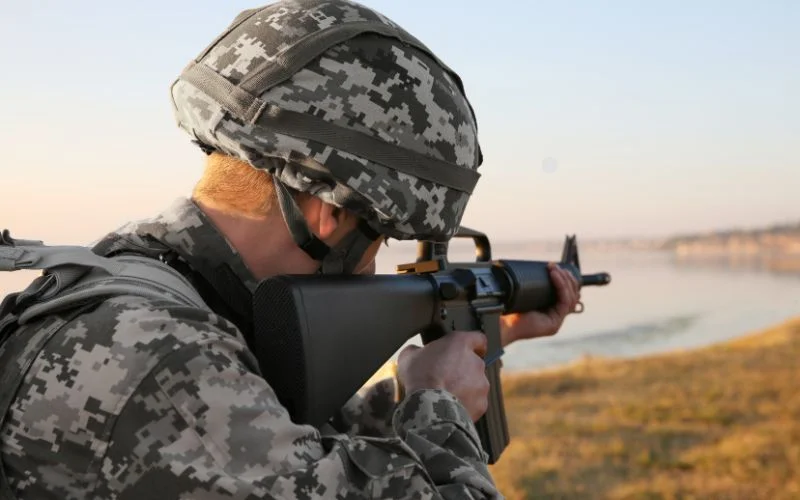
Optics and sights are among the most common rifle attachments. Options run from simple iron sights to red dot, holographic and magnified scopes, and each suits a different shooting situation. A clear sight picture helps a shooter place shots accurately at varied distances.
Red dot sights suit close to mid-range work and allow quick, intuitive target acquisition, which is why they are common on self-defense and tactical setups. Variable-magnification scopes suit longer distances, where hunters and precision shooters need to identify a distant target. Holographic sights also support fast target acquisition in dynamic shooting.
Whichever type you pick, confirm that the sight matches the mounting system on your firearm and that you can keep it zeroed after installation.
2. Grips and Foregrips
Primary use: Stability and handling
A comfortable, secure grip makes a firearm easier to control, especially during long or intense sessions. A better grip can reduce fatigue and help with recoil handling. Foregrips mount on a rifle or shotgun and give the support hand a firmer hold.
Pistol grips, vertical grips and angled foregrips suit different stances and hand positions, so it helps to try more than one style. Many grips use polymer, rubber or textured surfaces to stay secure in wet or difficult conditions.
3. Slings and Holsters
Primary use: Carrying and quick access
A sling strap lets you carry a rifle or shotgun hands-free while keeping it ready. One-point, two-point and three-point slings each trade off support, stability and ease of access, so choose one that matches how you move and shoot.
Holsters are made mainly for handguns. Inside-the-waistband (IWB), outside-the-waistband (OWB) and shoulder holsters carry a handgun securely and keep it out of others’ reach. A sturdy tactical belt helps a belt-mounted holster sit properly and stay stable.
For a complete carry system, look beyond the sling or holster to belts, pouches and the other gear that make up your tactical loadout.
4. Lights and Lasers
Primary use: Low-light visibility and aiming
Weapon-mounted lights and laser sights help when visibility is poor. A tactical light illuminates the target area, which matters for night hunting, indoor situations and any setting where you need to identify what is in front of you. A laser sight gives a visible aiming reference for fast target acquisition.
When a light is not mounted on the firearm, a flashlight pouch keeps it within reach on your gear. For setups built around protecting a home, read our home defense guide.
5. Magazines and Magazine Extensions
Primary use: Capacity and fast reloads
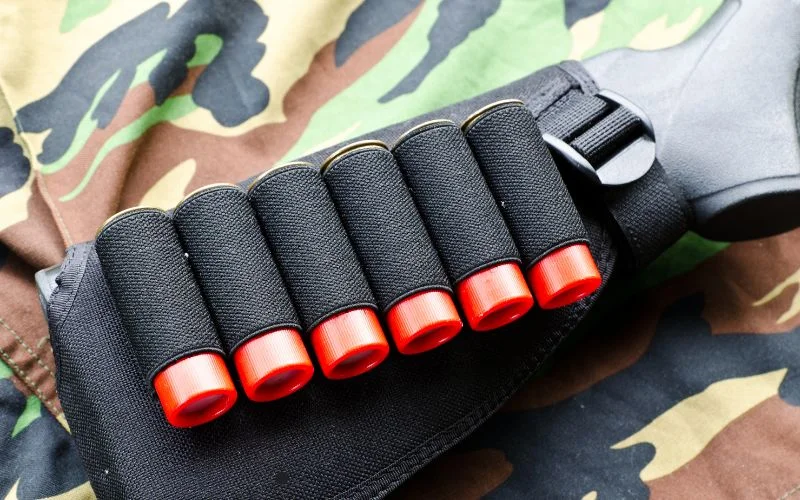
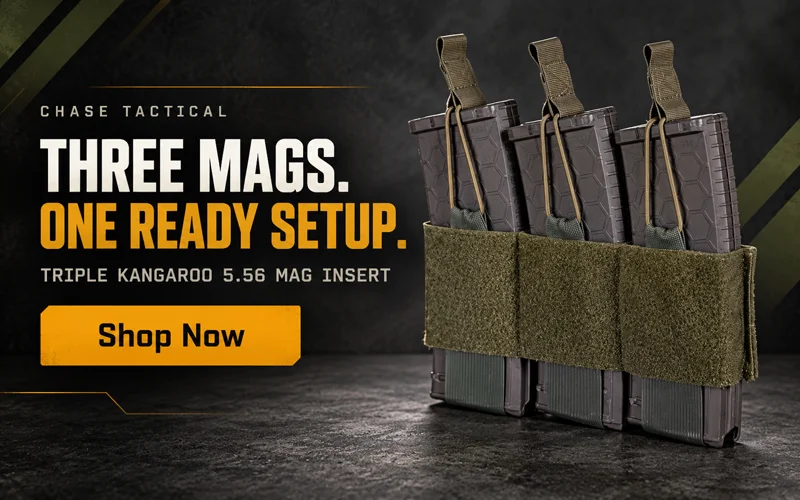
Extra magazines are essential for long range sessions and for any situation where a fast reload matters. Magazine extensions raise capacity, so fewer reloads are needed, which can help in competition, self-defense and tactical use. Capacity rules vary by location, so check local regulations first.
Compatibility comes first. Confirm that any magazine or extension is made for your exact firearm model to avoid feeding problems and protect reliability. Spare magazines also need a secure place on your gear, and magazine pouches come in several carry and closure styles. Shotgun users can carry spare shells in a shotgun shell pouch.
6. Bipods and Shooting Rests
Primary use: Stability for long-range accuracy
Bipods and shooting rests give a stable shooting platform, which is valuable for precision shooters and hunters. A bipod mounts on a rifle and steadies it on the ground or another surface, reducing fatigue and improving consistency at distance. Shooting rests are generally used at ranges. They offer similar stability and let shooters work on fundamentals without having to hold the firearm perfectly steady by hand.
7. Trigger Upgrades
Primary use: Control and precision
The trigger has a large effect on shot accuracy and control, so many shooters upgrade it for a smoother pull, lighter weight and quicker reset. Adjustable triggers let shooters tune the feel to their own preference and shooting style.
A well-tuned trigger reduces effort on every shot, limits unnecessary movement and helps you stay focused on the target. Because a trigger affects how the firearm fires, have upgrades installed or checked by a qualified gunsmith. Trigger upgrades are often paired with related parts such as a trigger guard, so check that the pieces fit together.
8. Rail Systems and Mounts
Primary use: Modular mounting for other accessories
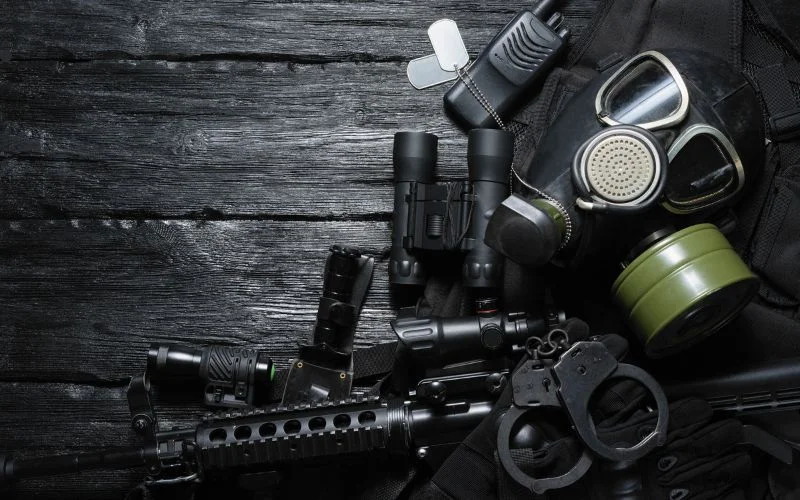
Picatinny, M-LOK and KeyMod are the most common mounting systems. They let you attach sights, grips, lights and other tools in a modular way and change the setup to suit self-defense, hunting or tactical use. Picatinny is known for strength and durability, while M-LOK and KeyMod are lighter. Because a rail system supports so many other accessories, it is often the first thing a shooter checks when customizing a firearm.
9. Gun Safes and Storage Accessories
Primary use: Secure storage and protection
Responsible ownership includes secure storage. A gun safe keeps firearms accessible only to authorized people, and some models also add fire or water protection, so check the rating of the specific safe you are considering. Gun cases are helpful for transport or short-term storage, while racks and mounts organize firearms in a designated space. Store ammunition securely as well, and follow local storage rules.
10. Muzzle Devices and Barrel Attachments
Primary use: Recoil and sound management
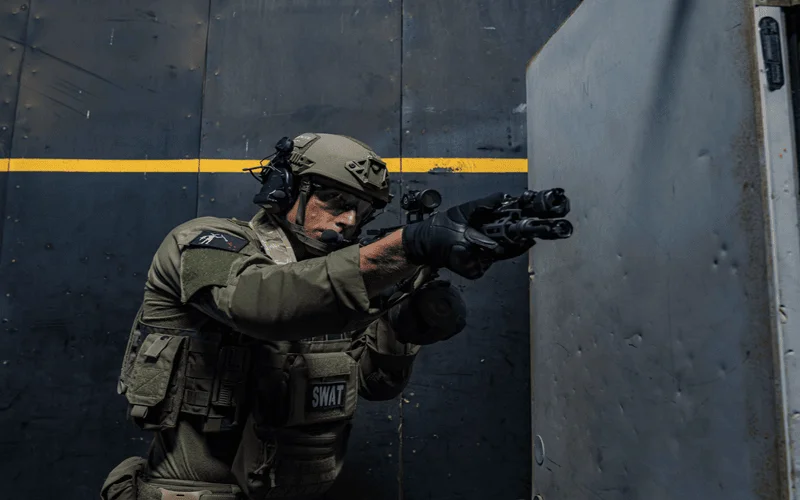
Muzzle devices attach to the end of the barrel. Common types include muzzle brakes, compensators, flash suppressors and suppressors. A muzzle brake or compensator redirects gas to reduce recoil and muzzle rise, a flash suppressor reduces visible flash, and a suppressor lowers sound and muzzle flash. Most of these devices need a threaded barrel or another compatible mounting method. Suppressor rules vary by location, so check local laws before buying one.
Muzzle Brakes and Compensators
A muzzle brake vents gas to reduce recoil, while a compensator is designed mainly to reduce muzzle rise. Both are common barrel attachments for shooters who want faster follow-up shots.
Flash Suppressors
A flash suppressor reduces the visible flash at the muzzle, which is useful when shooting in low light.
Suppressors
A suppressor lowers the sound of each shot. It is the most regulated of the types of barrel attachments, so confirm the rules that apply in your area before buying one.
11. Stocks and Recoil Pads
Primary use: Fit and shoulder comfort
A stock that fits properly helps you hold and aim the firearm consistently. Some stocks adjust in length, which makes it easier to share a firearm between shooters or to adapt to different gear. A recoil pad adds cushioning at the shoulder and improves comfort during longer sessions.
12. Cleaning Kits
Primary use: Maintenance and reliability
Regular cleaning helps a firearm function reliably and protects its finish. Cleaning kits usually include tools such as rods, brushes and patches, and they differ by firearm type and caliber, so match the kit to your firearm. Make sure the firearm is unloaded before you start any cleaning. Regular maintenance also covers the barrel, action and other gun parts, so it is worth keeping a kit with your other accessories.
Types of Gun Attachments by Firearm Type
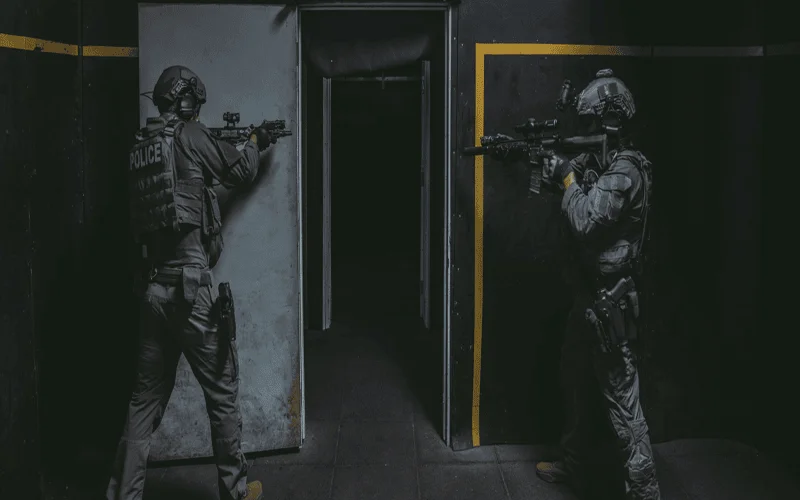
The right accessories depend on the platform, so this section groups gun attachments by firearm type. Use it to see which attachments are most often paired with a rifle, a pistol or a shotgun.
Rifle Attachments and AR-15 Accessories
Rifle attachments most often include an optic, a sling, a foregrip, a weapon light and a bipod. On an AR-15 style rifle, accessories usually mount to the upper receiver, the handguard or the barrel, so check which rails or mounting slots your rifle has before you buy.
Rifle accessories such as magazines and ammunition also need to match the caliber. For carrying spare 5.56 magazines, see this 5.56 double mag pouch, and for wider ideas on carrying ammunition, read how to organize ammo.
Pistol Attachments and Handgun Accessories
Pistol attachments commonly include a red dot sight, a weapon-mounted light, a laser, a holster and spare magazines. Compatibility differs by model, so an accessory made for one Glock or other 9mm handgun will not automatically fit another. Spare magazines can be carried in a pistol mag pouch, and a wider carry setup is covered in our self-defense gear guide.
Shotgun Attachments
Shotgun attachments are usually simpler: sights, a sling, a light and a foregrip cover most needs. As with any firearm, confirm that each accessory is made for your specific shotgun before you install it.
How to Choose the Right Firearm Accessories
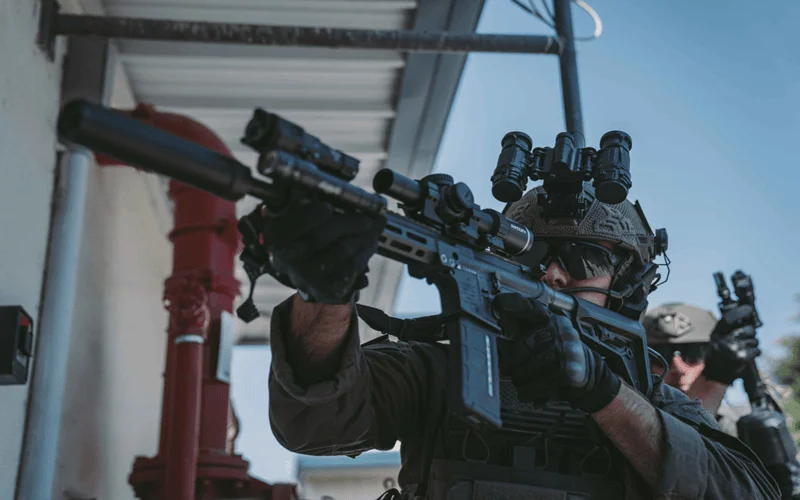
With so many gun attachments available, a few checks help you avoid wasted money and poor fit.
- Start with the job. A range rifle, hunting rifle, home defense handgun and duty rifle each need different accessories. Duty users can also review our essential gear for law enforcement.
- Check compatibility. Confirm the mounting system, model and caliber before buying any accessory.
- Watch weight and balance. Every attachment adds weight, so add one at a time and see how the firearm handles.
- Follow local laws. Rules on capacity, suppressors and carry methods vary by location.
For more background, see our guide to tactical and standard firearms.
Installing Firearm Attachments
Proper installation matters for both safety and function. Some attachments are simple to fit, while others need a gunsmith. Always make sure the firearm is unloaded and follow the manufacturer’s instructions.
Rail Systems
Most attachments mount to a rail system because rails are so versatile. Picatinny and Weaver are the two common rail types. Picatinny uses a standardized slot pattern, so accessories built for it are widely available. Weaver slots are similar but not identical, so confirm fit before you buy. Both can be used with basic tools.
Scope Mounts
Scope mounts come in many options, some universal and others model-specific. Compatibility matters because the mount directly affects how well the scope stays aligned and accurate. Research compatibility before buying to avoid problems.
Sling Mounts and Rings
Sling mounts attach to the firearm so a sling can be connected for hands-free carry, which is practical for hunting and field use. Many are universal, but confirm compatibility with your firearm model to ensure a correct fit.
Barrel Attachments
Muzzle brakes, compensators and suppressors need a threaded barrel or another compatible mount, and some barrel work, such as porting, is gunsmith work. If you are unsure, call in a gunsmith to prevent malfunctions and costly damage.
Frequently Asked Questions
Here are quick answers to common questions about gun attachments and firearm accessories.
What Are the Accessories of a Gun?
Common gun accessories include optics and sights for better aim, bipods for stability, laser sights for accuracy, magazine extensions for added capacity, recoil pads for comfort, flash suppressors for reduced visible flash, and slings for easier carry.
What Are the Types of Gun Attachments?
The main types of gun attachments are optics and sights, grips and foregrips, slings, lights and lasers, magazines and extensions, bipods, rails and mounts, muzzle devices and stocks. Each group is covered in the sections above.
What Attachments Can You Put on a Pistol?
Common pistol attachments include red dot sights, weapon-mounted lights, lasers, holsters and extended magazines, depending on the model. Confirm compatibility with your specific pistol before buying.
What Are the Most Common Rifle Attachments?
Common rifle attachments include optics or sights, foregrips, slings, weapon lights, bipods and mounting rails. The best mix depends on how you use the rifle, whether that is range practice, hunting or defense.
What Are the Different Firearm Carry Methods?
Firearm carry methods vary from open and concealed to vehicle carry. Options include shoulder holsters, ankle holsters, inside-the-waistband (IWB), outside-the-waistband (OWB), pocket carry, purse carry and off-body options. Always check local regulations to comply with legal requirements for carrying a firearm.
What Is the Difference Between a Compensator and a Suppressor?
A compensator reduces muzzle rise and recoil, which helps accuracy during rapid fire. A suppressor (or silencer) primarily lowers sound and muzzle flash. Suppressor rules vary by location, so check local laws before buying one.
Which Firearm Accessories Are Best for Home Defense?
For home defense, common choices include a weapon-mounted light for visibility, a laser sight for fast target acquisition, and a reliable grip for better control under pressure. A dot sight is another common addition on a compact pistol.
What Is the Difference Between Picatinny and M-LOK?
Picatinny is a rail with a standardized slot pattern, and accessories clamp on top of it. M-LOK is a slot system where accessories bolt directly through the handguard, and it tends to be lighter. Check which system your firearm uses before you buy accessories.
What Are Common Barrel Attachments?
Common barrel attachments include muzzle brakes, compensators, flash suppressors and suppressors. Most need a threaded barrel or another compatible mounting method.
Do I Need a Gunsmith to Install Firearm Accessories?
Many accessories, such as slings and rail-mounted lights, are simple to fit with basic tools. Trigger upgrades and barrel work are better left to a gunsmith. Always make sure the firearm is unloaded and follow the manufacturer’s instructions.