








Different Types of Pouches for Shooting Sports

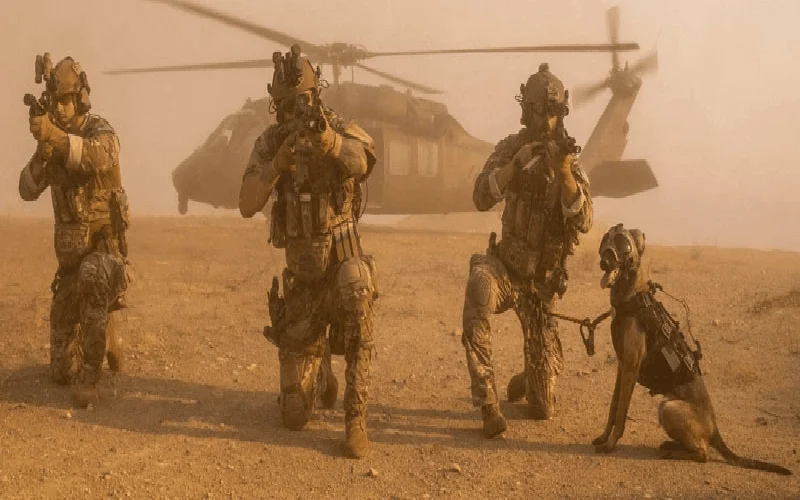
Shooting sports demand precision, skill, and efficiency, not only in managing firearms but also in managing equipment. Among the most underrated yet critical equipment in shooting sports is the pouch. Whether you are a hunter, competitive shooter, or tactical expert, knowing the different pouch types available and choosing the right one can make a real difference in how fast you reload and how organized your gear stays.
Pouches are used for holding and transporting ammunition, magazines, shells, and other accessories during shooting activities, but within arm’s reach. An ideal pouch means fewer seconds spent searching for ammunition and more time tracking targets. Below is a practical breakdown of the main types of pouches for shooting sports, what each one is built for, and how to pick the right one for your setup.
Types of Pouches For Shooting Sports
When you step into shooting sports, selecting the appropriate pouches becomes essential for efficiency and organization. Here is a quick look at the six main pouch types, followed by a closer look at each one:
- Ammo pouches: hold loose rounds, shells, or cartridges within reach
- Shotgun shell pouches: built for fast reloads during skeet, trap, and sporting clays
- Magazine pouches: carry spare magazines for semi-automatic firearms
- Dump pouches: collapse flat and expand to catch empty magazines or spent brass
- Range bags and pouches: organize ammunition, ear protection, and cleaning gear for range day
- Hunting pouches: weatherproof storage for ammo, calls, and field gear
1. Ammo Pouches
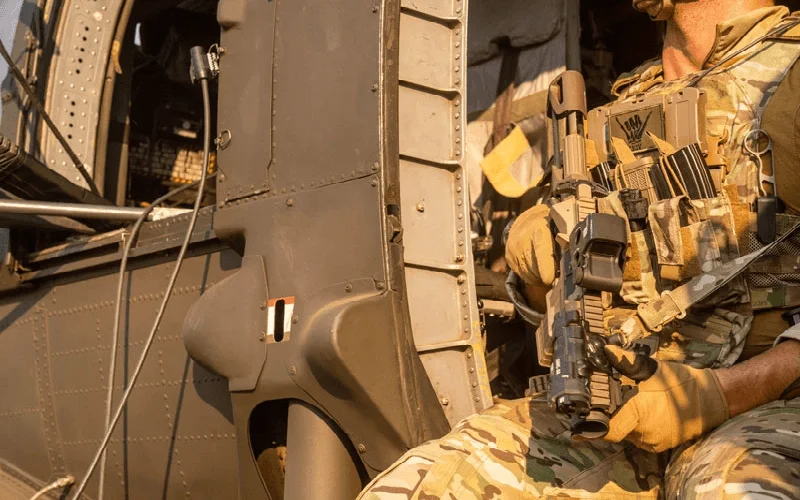
Ammo pouches are necessary for safely and conveniently storing additional ammunition. They exist in different forms to hold bullets, shotgun shells, and rifle cartridges.
Key Features of Ammo Pouches
- Exist in soft (fabric) or hard (polymer) form
- Attachable to belts, vests, or backpacks
- Made for rapid access during shooting activities
Common Uses of Ammo Pouches
Hunting: Provides hunters with easy access to additional rounds
Tactical Training: Allows military and law enforcement officers to carry additional ammunition
Competitive Shooting: Allows for rapid reloads in timed shooting events
If you run a plate carrier, see how to organize ammo on a plate carrier for placement that stays balanced and accessible.
2. Shotgun Shell Pouches
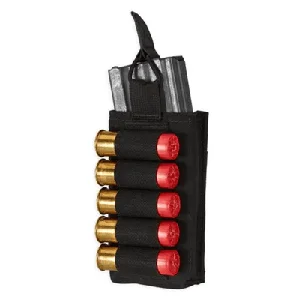
Shotgun sporting activities such as skeet, trap, and sporting clays have shooters reloading multiple shotgun shells for rapid reloads. A shotgun shell pouch must hold shells securely yet provide ready access.
Types of Shotgun Shell Pouches
- Single Compartment Pouches: Basic design, suitable for recreational shooters
- Multi-Compartment Pouches: Ideal for professional and competition shooters
- Belt-mounted Pouches: Practical for carrying hands-free
Advantages of Shotgun Shell Pouches
- Reduces reloading time
- Keeps shells from coming out when moving
- Made in leather, nylon, and synthetic materials
3. Magazine Pouches
What Is a Magazine Pouch? A magazine pouch is a pouch built to hold one or more spare magazines within reach, so a shooter can reload without searching through a bag or pocket. It typically mounts to a belt, vest, or plate carrier and comes in open-top, flap-covered, or fully enclosed styles.
Magazine pouches are essential for semi-automatic shooting gunners. Magazine pouches keep additional magazines safe and provide fast reloads. For a closer look at how single, double, and speed pouches compare, see our guide to different types of magazine pouches.
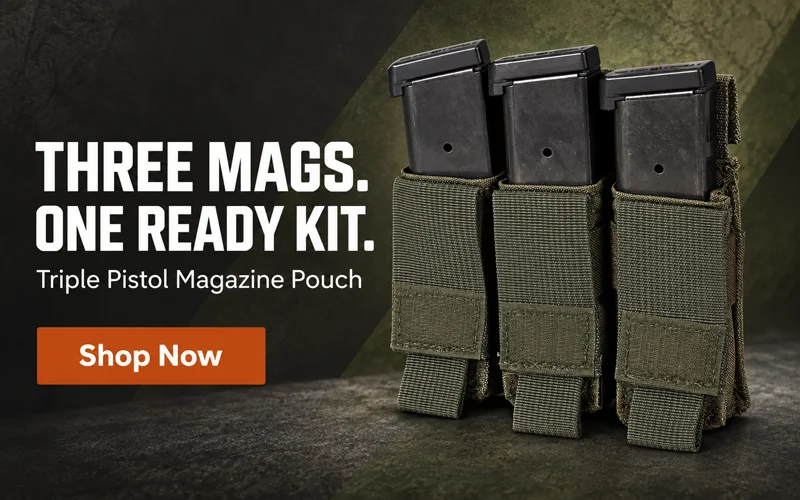
Types of Magazine Pouches
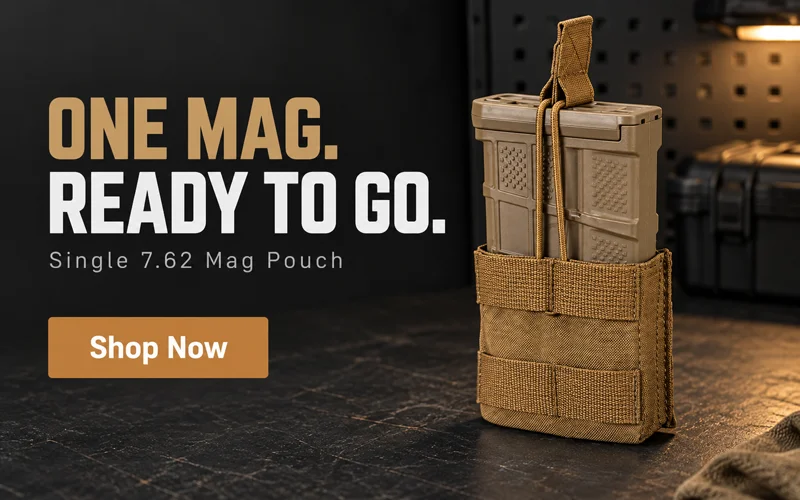
- Single Magazine Pouches: Takes a single magazine at a time
- Double Magazine Pouches: Stores two magazines for quicker reloads
- Adjustable/Universal Mag Pouches: Fit multiple magazine sizes
Best Uses of Magazine Pouches
- Tactical Training: Law enforcement and military personnel rely on quick mag changes
- Competitive Shooting: Speed reloads are crucial in shooting competitions
- Self-Defense: Carrying extra mags ensures you are prepared for any situation
Retention matters as much as capacity: pouches use friction, Velcro, bungee cord, or a locking flap to keep a magazine seated until you need it. See hook-and-loop vs. bungee mag pouches for how the two most common retention styles compare.
4. Dump Pouches
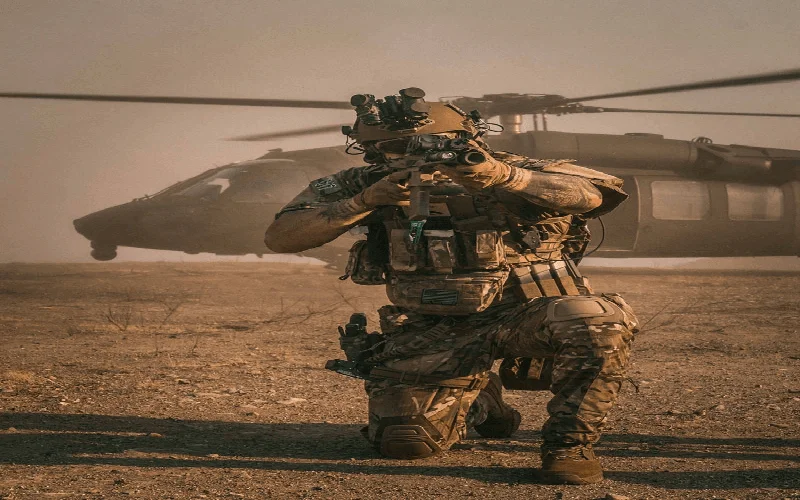
Dump pouches are built to quickly stow empty magazines, spent cartridges, or other items favored by tactical shooters and competitors.
Benefits of Dump Pouches
- Prevents loss of expensive magazines
- Reduces having to put items on the ground
- Can be folded up and stowed away when not in use
Who Uses Dump Pouches?
- Police and soldiers
- 3-Gun and IPSC competition competitors
- Hunters who need a way to stow spent rounds quickly
Not sure whether you need a dump pouch or a utility pouch? Our comparison of utility pouch vs. dump pouch breaks down the two side by side.
5. Range Bags and Pouches
A range bag is a must-have for any shooter who regularly shoots at the range. It organizes everything from ammunition to ear protection, tools, and cleaning supplies.
Features of Range Bags And Pouches
- Multiple compartments to keep gear organized
- Durable reinforced handles
- Waterproofing for shooting in the rain
Range bags come in different sizes, from small hand-carry models to large backpack-style models.
6. Hunting Pouches
Hunting pouches are made for the outdoors. They allow hunters to store additional ammo, game calls, and other necessary equipment. They are usually constructed of camouflage material for concealment, made to withstand rough weather, and have silent closures to prevent startling wildlife. These pouches are ideal for long hunting trips where ease of access and durability are key factors.
How To Select The Right Pouch
Choosing the right pouch for shooting sports involves considering the type of shooting, comfort, storage, and durability.
a) Type of Shooting Sport
For competitive shooting, speed is key, so fast-access pouches are ideal. Tactical training requires durable pouches that attach securely to gear, while hunters need weather-resistant pouches with silent closures to avoid alerting game. Casual target shooters may only need a simple ammo pouch or range bag.
b) Comfort and Fit
A poorly fitting pouch can hinder movement. Look for pouches with adjustable straps and easy access to ammunition or magazines, especially in high-pressure situations. Many shooters mount pouches directly to a belt, so see our tactical belt setup guide for placement and spacing tips.
c) Storage Capacity
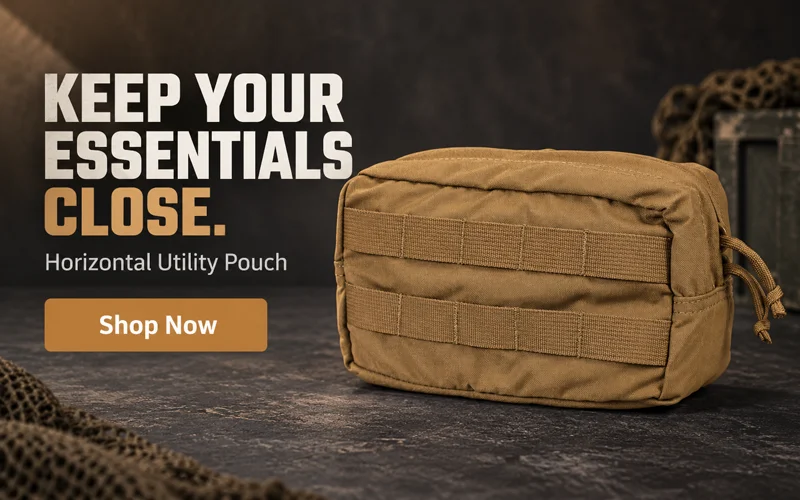
Minimalists may need just a single magazine pouch or shell holder. Consider larger options like multi-pocket range bags or dump pouches if you carry more gear.
d) Durability and Weather Resistance
For shooting in harsh conditions, opt for waterproof pouches with reinforced stitching and secure closures like Velcro or snaps that will withstand regular use.
Pouch Materials and Durability
The material a pouch is built from drives how it holds up to daily carry, weather, and repeated reloads. Most shooting sports pouches are made from one of a few core materials, each with its own structure and trade-offs.
Nylon and Cordura
Nylon, especially heavier-denier Cordura nylon, is the most common material for MOLLE-compatible magazine pouches, dump pouches, and range bags. It is lightweight, resists abrasion, and dries quickly after exposure to rain or mud, which is why most tactical and competition pouches use it.
Polymer and Kydex
Polymer and Kydex pouches hold their shape without stitching or webbing, which gives a magazine or shell a consistent, repeatable position for a fast draw. They are waterproof and wipe clean easily, though they add more rigidity and weight than a soft nylon pouch.
Leather
Leather pouches are less common in tactical settings but still show up in hunting and classic shotgun setups. They look sharp and break in over time, but they need more upkeep and are less weather-resistant than nylon or polymer.
Whatever the material, look for reinforced stitching at stress points, a rust-resistant closure, and a build that matches the rest of your loadout. Reputable brands back their stitching and hardware with a warranty, which is worth checking before you buy.
How Pouches Attach to Your Gear
Beyond material and capacity, how a pouch mounts to your gear determines how stable and adjustable it will be once you are moving.
MOLLE and PALS Webbing
Most modern tactical pouches attach using MOLLE straps woven through PALS webbing on a plate carrier, chest rig, or backpack. This keeps the pouch locked in place while still letting you reposition it as your loadout changes. See our breakdown of the differences between MOLLE and PALS for how the two systems work together.
Belt and Drop-Leg Mounting
Belt-mounted pouches use a slide-through channel or belt loop, which works well for range days and duty belts where a full plate carrier is not needed. Drop-leg mounts move a pouch to the thigh, opening up space on a crowded belt or vest.
Velcro and Hook-and-Loop
Some pouches use Velcro or hook-and-loop panels instead of, or alongside, MOLLE straps for quicker repositioning. This trades a bit of long-term stability for speed of setup, which is worth weighing against how often you plan to reconfigure your gear.
Maintenance And Care Tips For Pouches
Taking care of your shooting pouches can prolong their life and ensure they stay in good working condition. Here are some tips:
- Cleaning: Fabric pouches, such as those made from nylon or canvas, can be cleaned by handwashing them with mild soap and water. Leather pouches require special care: use a leather conditioner to keep the material from drying out. Simply wipe them with a damp cloth or mild disinfectant for polymer or plastic pouches.
- Storage: Store your pouches in a dry, cool place to prevent mold or damage. Adding silica gel packets to storage areas will help keep moisture at bay. Store pouches flat or standing to maintain their shape when not in use.
- Inspecting for Wear and Tear: Regularly inspect your pouch’s stitching, seams, and closures for signs of wear. If you notice fraying stitching or malfunctioning closures, it’s time for a replacement.
Conclusion
Shooting sports demand efficiency, and picking from the right pouch types can meaningfully improve performance. Whether you are carrying additional ammo, shotgun shells, or backup magazines, the right pouch increases accessibility, organization, and overall convenience.
From competition shooters who need instant-access mag pouches to hunters who need silent, weatherproof storage, there is a pouch built for every shooting sport. Buying quality equipment means greater reliability and durability in the field.
Frequently Asked Questions
What Is a Magazine Pouch?
A magazine pouch is a pouch designed to hold one or more spare magazines within reach, so a shooter can reload without searching through a bag or pocket. It usually mounts to a belt, vest, or plate carrier and comes in open-top, flap-covered, or fully enclosed styles depending on how much speed and retention the activity calls for.
What is the best material to use for shooting pouches?
The best material is one that suits your requirements. Leather is hard-wearing and fashionable but costly. Nylon is light and budget-friendly. Polymer is waterproof and shock-resistant, making it perfect for tactical purposes.
How do I select the correct magazine pouch for my rifle?
Look at the magazine capacity, retention system, and ease of access. Tactical shooters might find MOLLE-compatible pouches convenient, whereas competitive shooters favor speed pouches for quicker reloads.
How do a tactical and a hunting pouch differ?
Tactical Pouches are made for rapid access and durability in competition or combat environments. Hunting Pouches prioritize stealth, weather durability, and storage for additional gear such as calls and knives.
Is it possible to use one pouch for multiple shooting sports?
Yes, but certain pouches are optimized for particular uses. A dump pouch is a good choice for competition and tactical applications, but a shotgun shell pouch is designed primarily for shotgun sports.