








The Role of Army Plate Carriers in Modern Combat Scenarios

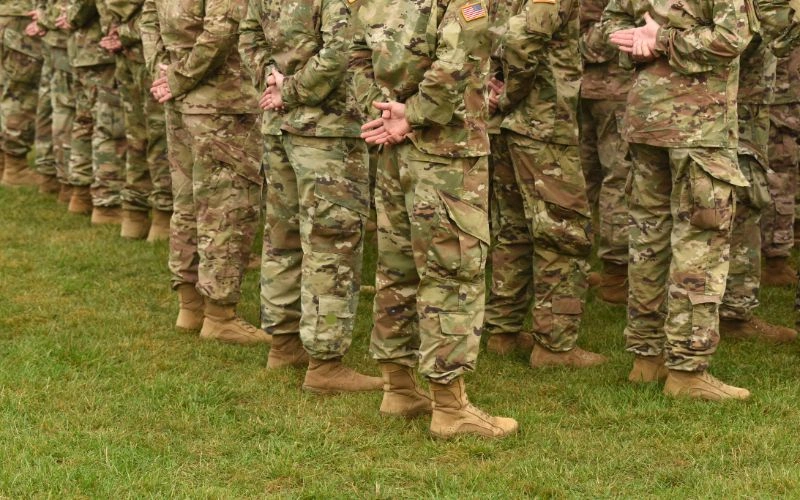
Ask any operator who has spent real time in body armor and they will tell you the plate matters less than the setup around it. An army plate carrier is only as good as its cummerbund tension, its plate placement, and how fast it comes off when something goes wrong. That distinction between gear and setup rarely makes it into generic write-ups on plate carriers, and it is the difference between armor that actually protects and armor that just adds weight to a kit.
Body armor has not changed its basic job since the first flak jackets came out of Korea: stop or slow a projectile before it reaches something vital. What has changed is everything around that job. Materials got lighter, cuts got smarter, and the carrier itself became a load-bearing platform instead of a simple vest. This piece walks through what a plate carrier is actually built to do, how it changed the way soldiers fight, and how the other side adapts once plate armor becomes standard issue on a battlefield.

What Are Army Plate Carriers, Exactly?
A plate carrier is tactical gear built around a simple structural idea: two pockets, front and back, that hold rigid ballistic plates against the torso, plus a webbing platform to carry everything else a soldier needs within reach. The plates themselves are made from ceramic composite, ultra-high-molecular-weight polyethylene (UHMWPE), or steel, and each material trades off weight, cost, and multi-hit capability differently.
Plate carriers are not a military-only item anymore. Law enforcement units and security personnel working high-risk environments rely on the same basic platform, scaled down for concealment or built up for entry work. For soldiers, though, the stakes are different. A rifleman on patrol is exposed to sustained small-arms fire, fragmentation, and blast overpressure in ways most civilian users never encounter, which is why military-grade carriers are built to a harder standard from the start.
How Plate Carriers Evolved From Flak Jackets to Modular Systems
Older generations of soldiers wore heavy body armor that came close to full-torso flak jackets: effective against fragmentation, poor against rifle rounds, and heavy enough to slow a soldier down over a long patrol. That tradeoff was tolerable when threats were mostly artillery and shrapnel. It stopped being tolerable once rifle-caliber threats became the norm.
The Gulf War and the two decades of counterinsurgency operations that followed pushed body armor development harder than any period before it. Soldiers needed protection against rifle rounds without losing the mobility a dismounted fight demands.
That pressure produced the modern plate carrier: a lighter shell, a plate system rated against specific threats, and a MOLLE platform that lets each soldier build their own loadout instead of carrying a fixed, one-size-fits-all rig. Army and Marine Corps units have not standardized on identical carriers, and the differences between their setups say a lot about how each branch expects to fight.
Inside a Modern Plate Carrier: The Features That Matter
Strip away the marketing language and a modern plate carrier comes down to five things that actually matter in the field.
Modular Design
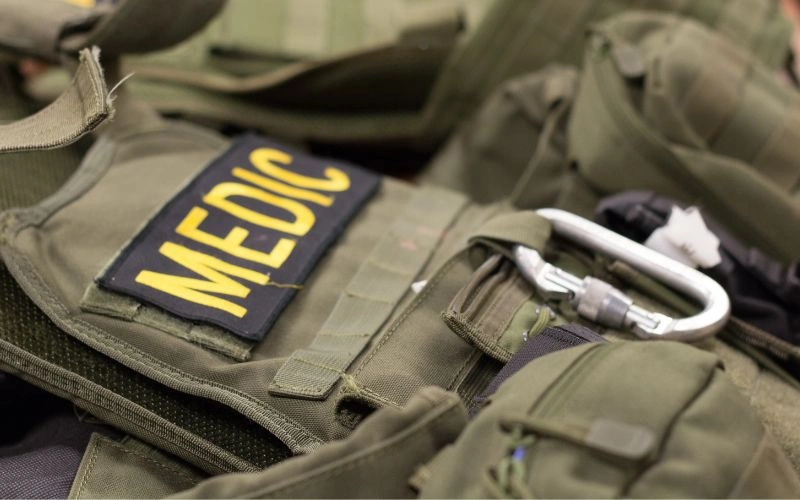
Nearly every plate carrier built today runs MOLLE (Modular Lightweight Load-carrying Equipment) webbing across the front and back, and often the sides. That webbing is what lets a soldier bolt on magazine pouches, a med kit, a radio pouch, or a holster without needing a different carrier for every mission profile. A MOLLE-compatible setup is what makes the same base carrier usable for a reconnaissance patrol one day and a raid the next, just by rearranging what’s attached to it.
Ballistic Protection
Protection level is graded against the NIJ 0101.06 standard, and it is the single most misunderstood spec on any plate. Level III plates are rated to stop common rifle rounds like 7.62x51mm NATO, while Level IV plates add capability against armor-piercing rifle threats, at the cost of extra weight per plate. Neither level is inherently “better” in isolation. The right choice depends on the threat profile of the mission, how much weight the soldier is already carrying, and whether the plate needs to be paired with soft armor for fragmentation coverage.
Comfort and Mobility
A carrier that protects but cripples movement fails its actual purpose. Manufacturers lean on nylon and polyester shells, padded shoulder straps, and breathable mesh backing to cut fatigue over long operations, but none of that matters if the rig is not fitted correctly to begin with. Getting the fit right, meaning plate height, cummerbund tension, and shoulder strap length, does more for comfort over a twelve-hour shift than any padding upgrade.
Quick-Release Rigging

Quick-release plate carrier systems exist for one reason: there are situations where the armor has to come off in seconds, not minutes. Water entry, a vehicle rollover, or a casualty who needs immediate access for medical treatment are all scenarios where a cutaway cummerbund or a pull-tab release can be the difference between a manageable situation and a fatal one.
Integrated Communication and Hydration
Dedicated pouches for tactical radios and hydration bladders keep essential systems on the body instead of scattered across a rucksack. That placement matters more than it sounds; a soldier who has to dig through a pack for a radio during contact has already lost time that cannot be recovered.
How Enemy Forces Adjust Tactics Against Plate Armor
Widespread plate armor changes how a fight unfolds, and adversaries have adapted around it rather than ignoring it. None of this is secret doctrine; it shows up in after-action reports and open-source military analysis going back to the early 2000s.
The first adjustment is aim point. Front and rear plates cover the chest and upper back, but they do not cover the sides, the neck, the groin, or the limbs. Forces facing plate-armored troops train to target those gaps rather than center mass, which is exactly why side plates, deltoid protection, and cummerbund soft armor inserts exist as add-ons rather than afterthoughts. The second adjustment is ammunition selection.

Once Level III plates became common, opposing forces with access to armor-piercing rounds or higher-caliber weapons started favoring them specifically because standard rifle rounds were no longer reliably effective against a protected torso. The third adjustment is volume and positioning: flanking maneuvers, ambush spacing, and indirect fire (mortars, IEDs, and artillery) all work around body armor instead of through it, since blast and fragmentation injuries are not stopped the same way a direct round is.
None of this makes plate carriers less valuable. It is the reason gear keeps evolving instead of staying static. Soft armor extensions, deltoid and groin protection add-ons, and full-coverage carrier cuts all exist specifically because someone identified the gap and built a fix for it.
What Plate Carriers Actually Change on the Battlefield
Survival and Injury Reduction
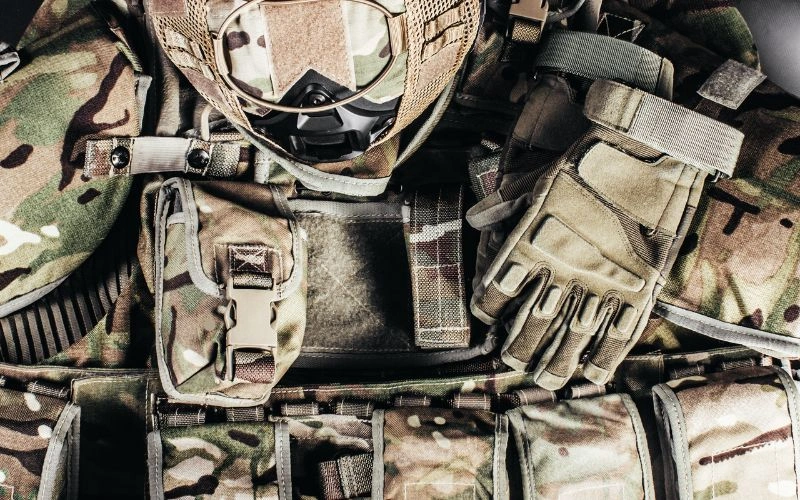
The most direct function of a plate carrier is keeping a projectile or fragment away from the chest and heart. Army body armor does not guarantee an uninjured soldier walks away from every engagement, and no manufacturer should claim otherwise, but it consistently turns what would be a fatal hit into a survivable one, particularly against sniper fire, direct engagements, and roadside blast fragmentation, which is where fatal injury rates are highest without protection.
Mobility and Flexibility
Unlike the older full-coverage flak jackets, a properly fitted modern carrier does not turn a soldier into a slow-moving target. Rappelling, mounting a vehicle, or moving through a doorway under load all require a carrier that flexes with the body instead of fighting it. That mobility is not a bonus feature; it is what keeps a soldier able to react to a changing situation instead of just absorbing hits.
Tactical Load Customization
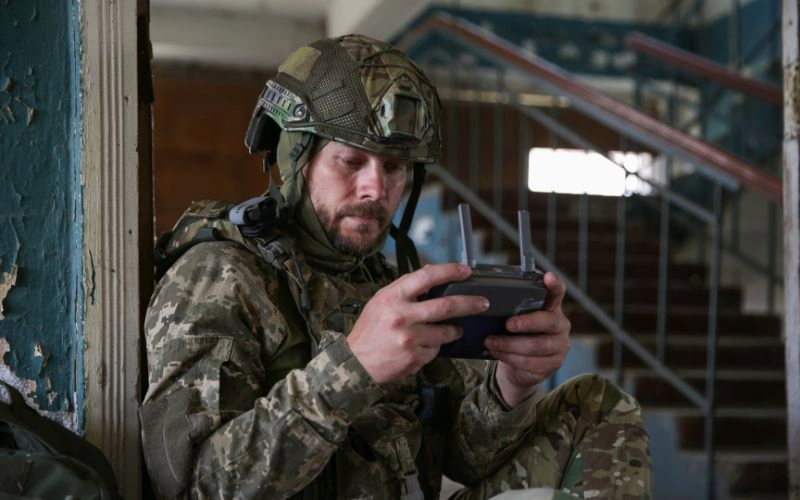
Because the carrier is modular, the same base rig supports wildly different tactical loadouts depending on the mission. A reconnaissance patrol calls for a lighter, lower-profile setup with extra water and communications gear.
A direct-action raid calls for more ammunition capacity and a trauma kit positioned for one-handed access. Integrating communication, night vision, and navigation equipment into that same platform keeps a soldier coordinated with the rest of the unit without adding a second piece of gear to manage.
The Confidence Factor
There is a psychological component to wearing a system that actually works, and it is not soft science. Soldiers who trust their protection make faster, more decisive calls under pressure because they are not distracted by worrying about exposure. That confidence shows up in decision-making quality during contact, which is a harder thing to quantify than a plate rating but just as real in practice.
Where This Leaves Plate Carrier Design Going Forward
Army plate carriers earned their place as standard-issue equipment because they solve a real, ongoing problem: keeping a soldier alive and mobile at the same time, without forcing a choice between the two. As adversaries keep adjusting their tactics around plate armor, gear development keeps closing the gaps that get exposed, whether that means better coverage at the sides, lighter plate materials, or faster release systems. The fundamentals have not moved: protect the soldier, keep them mobile, and build the carrier so that both can happen at once.
Frequently Asked Questions
What Are the Advantages of Plate Carriers?
Plate carriers give a soldier ballistic protection without sacrificing the mobility that older body armor took away. The modular MOLLE platform lets each soldier build a loadout suited to the mission rather than carrying fixed gear, and features like quick-release cummerbunds add a safety margin that rigid vests never had.
When Were Plate Carriers First Used in the Military?
Modern plate carrier systems trace back to the late twentieth century, with adoption accelerating through the Gulf War era and expanding fast during the operations of the 2000s and 2010s as the demand for rifle-rated protection that didn’t sacrifice mobility grew.
Does the US Military Use Steel Plates?
Yes, though steel has become less common as ceramic and UHMWPE plates improved. Steel plates are durable and relatively inexpensive, but they are heavier per unit of protection and carry a higher risk of fragmentation spall on impact compared to ceramic composite plates.
Can Adversaries Defeat Plate Armor?
No single piece of body armor is invulnerable. Plate carriers reduce coverage gaps but do not eliminate them, and opposing forces adjust tactics, aim point, and ammunition selection accordingly. That is why plate carrier design keeps advancing rather than staying fixed at one standard.