








Army Plate Carriers: Military-Grade Options for Civilians (2026)


On the modern battlefield, the Army Plate Carrier has become an indispensable part of tactical gear. Military plate carriers protect soldiers from ballistic threats while maintaining agility, balancing comfort, mobility, and protection. Whether you’re researching what plate carrier the military uses, what the current Army plate carrier regulations require, or which civilian-legal option comes closest to issued gear, this guide covers everything you need to know.
Quick Answer: What Plate Carrier Does the US Army Use?
The US Army’s primary plate carrier is the Soldier Plate Carrier System (SPCS), which uses ESAPI ballistic plates rated to NIJ Level IV. Special Forces units often use privately purchased carriers like the Crye Precision JPC 2.0, LBT 6094, and Ferro Concepts Slickster. For civilians seeking military-grade protection, Chase Tactical’s plate carrier lineup offers comparable MOLLE platforms compatible with NIJ-rated hard armor.
What Plate Carrier Does the Military Use?
Traditionally, body armor has been bulky, heavy, and sometimes even restricted soldiers’ mobility in dynamic combat environments. Modern military plate carriers are the result of design and material innovation, offering a combination of features tailored to today’s armed forces’ needs, a shift covered in more depth in our look at army plate carriers in modern combat scenarios.
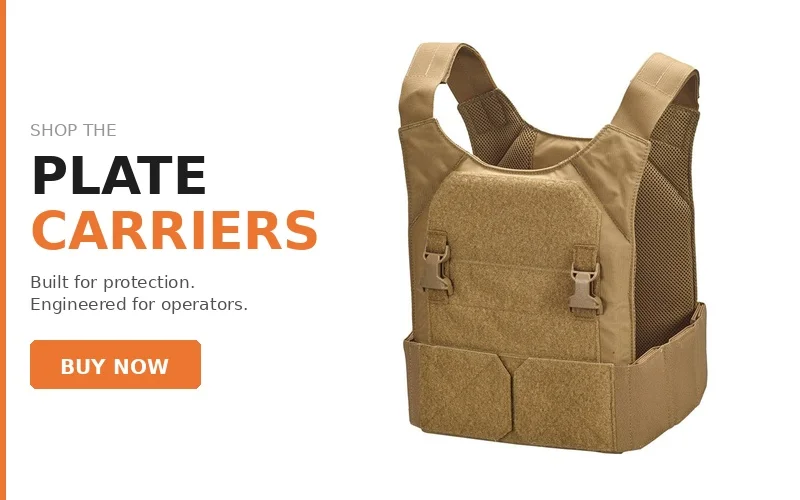
Modern US Army plate carriers use advanced materials, such as high-strength polyethylene and aramid fibers, to reduce weight without sacrificing ballistic protection. Most carriers now include modular attachments, such as MOLLE (Modular Lightweight Load-carrying Equipment) systems, that let soldiers customize their setups to meet mission requirements. Enhanced padding, adjustable straps, and breathable fabrics improve weight distribution and comfort, even during extended use.
Special Forces plate carriers like the Crye Precision JPC, LBT 6094, and Ferro Concepts Slickster offer even more specialized features for SOCOM units operating in high-stakes environments.
What Plate Carriers Do Special Forces Units Use?
| Unit | Primary Carrier(s) | Key Feature |
| US Army (Regular) | SPCS (Soldier Plate Carrier System) | Standard issue, ESAPI compatible |
| Navy SEALs / DEVGRU | Crye Precision JPC 2.0, LBT 6094 | Low-profile, rapid-release |
| 75th Ranger Regiment | Crye JPC, Velocity Systems Scarab LT | Lightweight, high-mobility |
| Delta Force / CAG | Ferro Concepts Slickster, custom configs | Slick/minimalist profile |
| MARSOC | Crye JPC variants, plate frame systems | Expeditionary, modular |
For comparable civilian protection, the CT Low-Vis Plate Carrier offers a low-profile MOLLE platform compatible with NIJ Level III and IV hard armor. If you’re weighing options across service branches, see how Army and Marine Corps plate carriers compare.
Who Makes the Army’s Plate Carrier, and How Much Does It Weigh?
KDH Defense Systems manufactures the Soldier Plate Carrier System, commercially sold as the KDH Magnum TAC-1, with the Generation II update produced by Point Blank Enterprises. A medium SPCS loaded with ESAPI front and back plates plus side protection weighs around 22 pounds, roughly 10 to 15 pounds lighter than the older Improved Outer Tactical Vest it replaced. The bare carrier without plates weighs closer to 6 pounds, so soldiers can add pouches, hydration, and other loadout items without pushing the total weight into fatigue territory.
Top Army-Style Plate Carriers for Civilians: Chase Tactical Lineup
If you’re looking for a military-grade plate carrier without the procurement process, Chase Tactical offers veteran-built options at every level of protection.
| Model | Plate Compatibility | MOLLE | Best For |
| CT Low-Vis Plate Carrier (LVPC-E) | 10″×12″ SAPI / Shooter Cut | Full front, back, cummerbund | Law enforcement, civilian use |
| CT Plate Carrier (Standard) | SAPI / ESAPI, side plates optional | Full MOLLE platform | Training, duty use |
| CT Chest Rig | Soft armor panels | MOLLE front panel | Light load, mobility-focused |
Types of Plate Carriers Explained
Not every plate carrier is built the same way, and understanding the categories helps narrow down the right choice. Full-size or full-battle carriers cover the maximum surface area with front, back, and side plate pockets plus heavy MOLLE real estate, built for sustained infantry combat loadouts. Low-profile or low-vis carriers, like the CT Low-Vis Plate Carrier, trim the cummerbund and webbing down to the essentials for concealment or fast movement, a distinction covered in more depth in our low-profile versus full tactical carrier comparison. Chest rigs skip hard plates entirely in favor of soft armor panels and pouch storage, prioritizing weight savings over rifle-rated protection. Older flak jackets, issued from Vietnam through the early Global War on Terror, relied on soft ballistic nylon and fragmentation protection rather than the rigid ceramic or polyethylene plates found in today’s carriers, which is why a flak jacket and a modern plate carrier aren’t rated for the same threats.
Key Features of Modern Army Plate Carriers
Modern plate carriers reflect widespread design creativity and battlefield experience. They are designed to be versatile and mission-adaptable, and the difference between a low-profile setup and a full tactical carrier often comes down to these features. The following are some of the most important features that distinguish them.
1. Balancing Protection and Mobility Of the Army Plate Carrier
At its core, a military plate carrier protects the wearer from ballistic threats. However, too much weight or bulk can prevent a soldier from performing critical tasks. Modern plate carriers balance ballistic protection, lightweight materials, and streamlined designs, enabling soldiers to move, run, and perform tactical maneuvers without being weighed down.
Material Breakdown
To achieve this balance, designers focus on lightweight yet highly durable ballistic plates. These are typically made from advanced ceramics or composite materials that protect against high-velocity rounds and shrapnel. See our guide to Level 4 body armor plates for maximum protection. The carrier is also made from fabrics like 500D or 1000D nylon, which resist wear and tear while remaining light and flexible. Ergonomic features also improve mobility.
2. Comfort As A Key Priority For Army Plate Carrier
Comfort is not a luxury; it is a necessity. Poor plate carrier design can lead to fatigue, inefficiency, and long-term injuries. Manufacturers prioritize comfort so soldiers can focus on the mission without being distracted by discomfort.
High-density foam or gel padding reduces pressure points and absorbs shock, particularly during intense physical exertion. Proper carrier design distributes weight evenly across the shoulders and torso, rather than straining specific areas. Most carriers have adjustable dimensions, providing a fit tailored to individual soldiers’ needs.
3. Modularity and Adaptability Of the Army Plate Carrier
One of the most important features of modern military plate carriers is modularity. Soldiers operate in various environments, from urban combat to rugged terrain, and their equipment must adapt as well. A plate carrier’s MOLLE or PALS webbing lets soldiers attach pouches, holsters, and other accessories, tailoring their setup to specific mission requirements.
Attachments may include ammo pouches, med kits, hydration systems, and communication gear. This adaptability ensures soldiers carry the essentials without compromising mobility or overloading their plate carriers. For example, in urban environments, they may prioritize compact setups with extra ammo pouches, while in remote areas, they prioritize hydration systems and survival kits. The right combination often depends on the environment.
4. Durability And Maintenance Of Army Plate Carrier
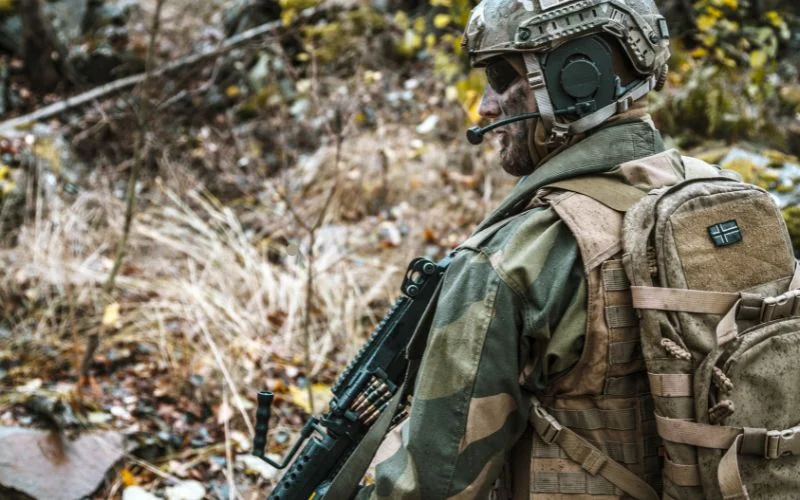
The carriers are exposed to mud, water, and abrasion, so their design emphasizes durability. High-quality US Army plate carriers are made from strong materials, such as 500D or 1000D nylon, that resist wear and tear while remaining lightweight.
Maintenance Checklist
Regular cleaning is essential to maintain durability, as dirt and debris can degrade the fabric. After each use, soldiers should check their plate carriers for tears, frayed straps, or damaged plates. Properly storing these items in a dry, cool environment can prevent mold and material weakening. Inspect ballistic plates periodically for cracks or other signs of wear.
Most manufacturers provide recommendations to extend a plate carrier’s life, in addition to routine maintenance. These include avoiding excessive exposure to direct sunlight, refraining from using harsh cleaning chemicals, and replacing worn straps or buckles.
5. Color and Size Variety
The vest market today offers a wide range of sizes and colors. Multicam for stealth, wolf grey for clandestine operations, or black for SWATs and law enforcement officers, there’s a plate carrier for every application. The significance of OD green in military uniforms explains why color choice carries meaning beyond looks. Size matters too, since custom-fit vests improve weight distribution and feel.
Army Plate Carrier Regulations You Need to Know
| Regulation Area | Requirement |
| NIJ Certification | Level III or IV for rifle-rated threats |
| Plate Compatibility | SAPI, ESAPI, XSAPI profiles |
| Fabric Standard | 500D–1000D Cordura nylon (mil-spec) |
| AR 670-1 | Army Regulation covering uniform and equipment wear standards |
| Environmental Testing | Extreme temperature, humidity, submersion resistance |
| Flame Resistance | FR fabric required for many combat configurations |
| Civilian Legal Note | Federal law prohibits ownership by violent felony convicts. State laws vary; NY and CT have additional restrictions. |
Understanding plate carrier regulations is crucial when selecting military-grade equipment. US Army plate carrier standards ensure all equipment meets stringent NIJ ballistic resistance requirements for ballistic protection certification. These regulations cover weight restrictions, plate compatibility (SAPI, ESAPI, XSAPI), environmental durability, and flame resistance standards. AR 670-1 governs what serving soldiers can wear on duty, specifying approved colors like Coyote and Multicam OCP; it does not restrict which brand of MOLLE plate carrier a civilian can buy for training, range use, or personal protection.
Plate Levels and Cuts: SAPI, ESAPI, XSAPI, and Shooter’s Cut Explained
Plate carrier compatibility comes down to two separate specs: the protection level and the cut. NIJ Level IIIA stops most handgun rounds but not rifle fire; Level III and Level IV are rifle-rated, with Level IV built to defeat armor-piercing rounds like the ones the Army’s ESAPI plates are tested against. Plate material affects weight and durability: ceramic plates offer strong stopping power for their weight but can crack if dropped, steel plates are more impact-resistant but heavier, and polyethylene plates are the lightest option with a longer service life. Cut matters just as much as level. SAPI and ESAPI are the standard military cuts, XSAPI is a larger variant for extra coverage, shooter’s cut trims the top corners for better weapon-mounting mobility, and swimmer’s cut is trimmed further for water operations. Before buying plates, confirm your carrier’s pocket is sized for the cut you’re pairing it with, since a mismatched cut can leave gaps at the shoulders or sides.
Plate Carrier Features That Enhance Your Performance
Plate carriers aren’t just for carrying armor; they are sophisticated platforms for mission effectiveness. A great carrier combines a few subtle yet important features that can significantly improve your performance, safety, and longevity.
1. Quick-Release Mechanisms
Modern plate carriers often feature rapid-release buckles or cable-pull designs. They let users drop the vest in emergencies, such as when wounded, underwater, or in a vehicle fire. This is particularly valued in combat situations and by police officers during high-risk operations.
2. Integrated Admin Panels
Integrated admin pouches let you carry mission-critical small tools, such as pens, notebooks, compasses, maps, and IDs. They reduce the need for extra pouches and improve gear access. Some carriers also add a tear-away medical panel that separates from the main platform, giving a medic or the wearer fast access to trauma supplies without unclipping the whole rig.
3. Cable Management Channels
For those wearing radios, hydration packs, or night-vision gear, internal cable routing keeps exposed cables from snagging on objects, enhancing mobility and minimizing clutter.
4. Adjustable Sizing and Fit
Look for carriers, such as the Chase Tactical low-vis plate carrier, that feature adjustable shoulder straps, cummerbunds, and load-bearing panels. This lets the same model accommodate multiple body sizes and keep armor plates fitted and properly aligned, ensuring coverage of life-saving organs.
5. Plate Compatibility and Placement
Armor plates vary. Check that your carrier accommodates the type (SAPI, ESAPI, or swimmer-cut) and quantity (front, back, side) of plates you will be using. Inadequate plate placement will undermine protection.
6. Lightweight & Breathable Design
Carriers with mesh ventilation panels or laser-cut fabrics provide airflow and prevent sweat accumulation. This is especially important in tropical environments or during extended-duration missions.
7. MOLLE Webbing for Modularity
A MOLLE platform allows you to strap on mission-dependent gear, such as mag pouches, medical pouches, grenades, radio pouches, or even small packs. This turns your plate carrier into an ultra-modular platform.
Why Don’t Soldiers Wear Full Body Armor?
A common question when researching military plate carriers: if protection is so important, why don’t soldiers wear full body armor? The answer lies in the critical balance between security and mobility. Full-body armor adds 50+ pounds, causes dangerous heat buildup, restricts movement during combat maneuvers, and leads to rapid fatigue. Modern Army plate carriers focus protection on vital organs (heart, lungs, major blood vessels) where ballistic threats are most lethal, allowing soldiers to maintain the agility essential for combat effectiveness.
Do Snipers and Support Roles Wear Plate Carriers?
Yes, snipers and other support-role operators typically wear plate carriers, though their setup often looks different from a standard infantry loadout. Because snipers spend long stretches stationary and prioritize concealment over rapid movement, many run a low-profile carrier with front and back plates only, dropping the side plates and bulky MOLLE attachments that add noise and printing. The same logic applies to other support roles like medics and radio operators, who balance ballistic protection against the need to stay mobile and quiet while carrying mission-specific gear.
Future Trends In The Design Of Plate Carriers
Future trends in plate carriers include integrating smart technology, such as built-in sensors to monitor vital signs or provide situational awareness for defense. Researchers might discover ultra-light, ultra-strong materials, enabling carriers to protect more without adding extra weight.
Future designs of tactical gear may also incorporate materials that adapt to temperature changes, offering cooling in hot climates and insulation in cold environments. Plate carriers can integrate with lightweight exoskeleton systems to further reduce soldiers’ load, enhancing endurance and strength.
These innovations represent the next frontier in tactical gear, transforming plate carriers into multifunctional systems beyond traditional protection.
Choosing The Right Plate Carrier
Selecting the right plate carrier for soldiers is a crucial decision. The following should be considered:
Mission Requirements: Each mission requires different degrees of protection, security, and load-carrying capacity.
Environment: The carrier may need more ventilation in hot environments, while cold environments may require additional insulation.
Fit and Adjustability: The better the plate carrier fits, the greater the mobility and comfort. Proper wear and adjustment also affects how well the plates align with vital organs.
Budget: Cost should not override quality and protection.
Conclusion
Army plate carriers are not only protective gear; they are a soldier’s trusted companion in the field. Modern military plate carriers offer the perfect trifecta of comfort, mobility, and protection by combining cutting-edge materials, ergonomic designs, and modular functionality. As warfare demands continue to evolve, so too will the innovations that make plate carriers an essential tool for those on the front lines. Browse Chase Tactical’s full plate carrier lineup to find the MOLLE platform that matches your mission.
Frequently Asked Questions
What Is the Acronym for Army Plate Carrier?
The acronym for the Army plate carrier is SPCS (Soldier Plate Carrier System). When choosing plate carrier options, consider the following factors: Army Regulations, Tactical Gear needs, Body Armor, Military Standards, Personal Preference, Weight Distribution, Material Durability, Combat Readiness, and Plate Carrier Accessories.
What Plate Carrier Do US Special Forces Use?
There’s no single carrier issued across all Special Forces — each unit selects based on its mission profile, from the Crye Precision JPC 2.0 favored by SEALs to the minimalist Ferro Concepts Slickster used by Delta Force. See the unit-by-unit breakdown above for specifics.
Do You Get to Wear Your Plate Carrier in the Army?
Yes, you can wear your custom plate carrier in the Army, but you must ensure it meets plate carrier regulations and complies with regulations. Consider comfort, mobility, protection levels, fit restrictions, brand preferences, cost, and any necessary size adjustments.
How do plate carriers differ from regular vests?
Plate carriers are designed to hold rigid ballistic armor plates that protect against rifle rounds, while regular tactical vests typically offer only soft armor protection against handgun threats or no ballistic protection at all. Military plate carriers focus on protecting vital organs with hard-armor inserts and prioritize mobility over full coverage.
What regulations do plate carriers need to meet?
Military plate carriers must meet NIJ certification standards (Level III or IV), mil-spec construction requirements including 500D-1000D Cordura fabric, accommodate SAPI/ESAPI plates, pass environmental testing for extreme conditions, and meet flame-resistance requirements. Plate carrier regulations vary by branch but all ensure consistent protection standards.
How long do armor plates last in plate carriers?
Ballistic armor plates used in plate carriers typically last 5-10 years depending on materials. Ceramic plates generally last 5-7 years, while polyethylene plates may last 10+ years. Replace any plate that has stopped a round or been dropped immediately. Regularly inspect the plates in your Army plate carrier to maintain protection standards.
What plate carrier do Navy SEALs use?
Navy SEALs and DEVGRU operators commonly use the Crye Precision JPC 2.0 and LBT 6094. They choose these for their low profile, quick-release systems, and compatibility with a wide range of plate sizes. Some operators use custom configurations based on mission requirements.
What plate carrier does the 75th Ranger Regiment use?
Rangers typically use the Crye Precision JPC and Velocity Systems Scarab LT, prized for their lightweight construction and high mobility during fast-moving operations.
What are AR 670-1 plate carrier regulations?
AR 670-1 is the U.S. Army regulation governing uniform and equipment wear. For plate carriers, it specifies approved colors (typically Coyote, Multicam OCP), plate pocket dimensions, and compatibility requirements with issued ballistic inserts.
Can civilians buy military plate carriers?
Yes. Most military-style plate carriers are legal for civilians to purchase in the US, provided you are not a convicted violent felon. Note that New York and Connecticut have additional restrictions on civilian body armor purchases. Always check your local state laws before buying.
What Level Body Armor Plates Does the US Army Use?
The Army’s Soldier Plate Carrier System is built around ESAPI plates rated to NIJ Level IV, the highest rifle-threat rating in the NIJ standard. Special Forces loadouts sometimes swap in lighter Level III plates when mission speed matters more than maximum stopping power.
Are There “Army-Approved” Plate Carriers for Civilians?
AR 670-1 governs what active-duty soldiers can wear on base and in uniform, including approved colors like Coyote and Multicam OCP; it does not apply to civilian purchases. Civilians buying for training, range use, or personal protection aren’t bound by AR 670-1, but choosing a MOLLE platform built around the same SAPI/ESAPI plate specifications keeps fit and function close to issued gear.