






How To Build A Complete Tactical Loadout: A Comprehensive Guide

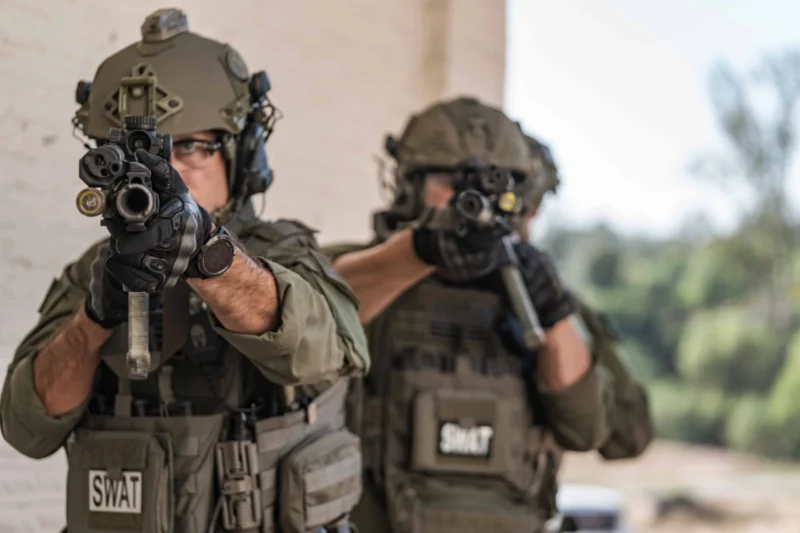
Building a tactical loadout takes more than grabbing gear off a shelf. Whether you serve in the military, work in law enforcement, or are a civilian building a practical gear setup for training and preparedness, the right loadout affects your performance, safety, and readiness in the field. This guide from Chase Tactical walks through every core component, from body armor and helmets to communication devices and medical kits, so you can assemble a complete, mission-ready tactical loadout.
What Are the Most Important Tactical Loadout Items People Often Forget?
Most people focus first on ammunition and weapons, but utility gear like tourniquets and hydration systems is just as likely to make or break a loadout in the field. A modular plate carrier setup with room to expand is also easy to overlook until you actually need the extra capacity. Working through a checklist, rather than relying on memory, is the easiest way to make sure nothing essential gets left behind. It is not only about firepower; it is about survival and function under pressure.
How Your Tactical Loadout Changes for Military, Law Enforcement, or Civilian Use
The core components of a tactical loadout stay similar across roles, but the priorities, and the gear rated for each threat level, shift depending on who is wearing it.
Military and Combat Loadouts
Military loadouts are built around mission type and combat readiness, often incorporating a full tactical gear setup rated for rifle threats. A standard loadout differs from a special forces configuration mainly in modularity and redundancy: special operations setups typically carry more backup systems for communication, medical response, and navigation, since they often operate with less immediate support. Combat loadouts in general prioritize fast access to ammunition and medical gear over comfort, since seconds matter once contact is made.
Law Enforcement Loadouts
Law enforcement loadouts typically add items like restraints and less-lethal tools alongside armor rated for handgun and, where authorized, rifle threats. Patrol loadouts and tactical or SWAT loadouts differ mainly in armor level and the amount of specialized equipment carried; see our essential gear guide for law enforcement for a role-specific breakdown.
Civilian and Personal Preparedness Loadouts
Civilian tactical loadouts, whether for training, competition, or personal preparedness, tend to prioritize practicality and legal compliance over combat-specific gear. Anyone building a civilian loadout for self-defense or emergency preparedness should research local laws on carrying body armor and weapons before buying, and start with the basics, protection, communication, and a small medical kit, rather than a full military-style configuration. Our tactical gear for self-defense guide covers what to consider before you buy.
How Do You Build a Versatile Military Loadout for Any Environment?
Creating a flexible military loadout starts with an adaptable tactical gear setup, including a scalable vest, chest rig, and environment-specific clothing. Your full tactical gear should allow for fast movement and quick mission changes. Building and testing your configuration before you need it in the field helps confirm nothing is missing or poorly placed.
Weather and terrain should drive several of those choices. Hot, humid environments call for lighter fabrics, more frequent hydration, and looser layering, while cold or wet conditions call for insulating base layers and gear that keeps working when soaked or frozen. Terrain matters just as much: dense woodland rewards a lower-profile setup with fewer snag points, while open or urban terrain often benefits from a higher-capacity configuration with clearer sightlines to your gear.
Top Tactical Gear to Build a Tactical Loadout
Consider your environment and mission before building your tactical loadout, since these factors dictate which items matter most. Loadouts depend on mission type, terrain, and individual preference, but there are baseline items everyone should have.
1. The Right Tactical Vest
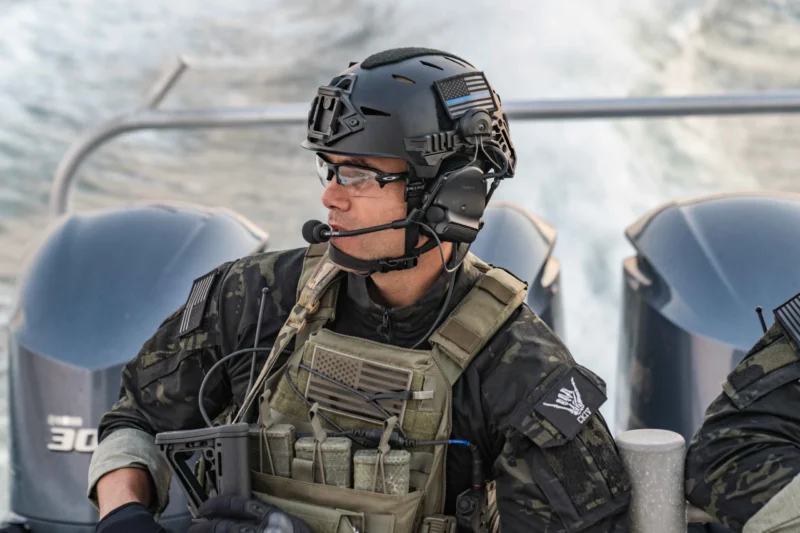
A tactical vest is the centerpiece of any loadout, providing storage for essential gear and protection against potential threats. When selecting a plate carrier, consider the material, modularity, and fit.
Durable materials such as Cordura or ballistic nylon hold up over time, while MOLLE (Modular Lightweight Load-carrying Equipment) webbing lets you attach pouches and accessories where you need them. A well-fitted vest with adjustable straps and padded shoulders improves comfort and mobility, which matters most during extended wear.
2. Selecting Body Armor
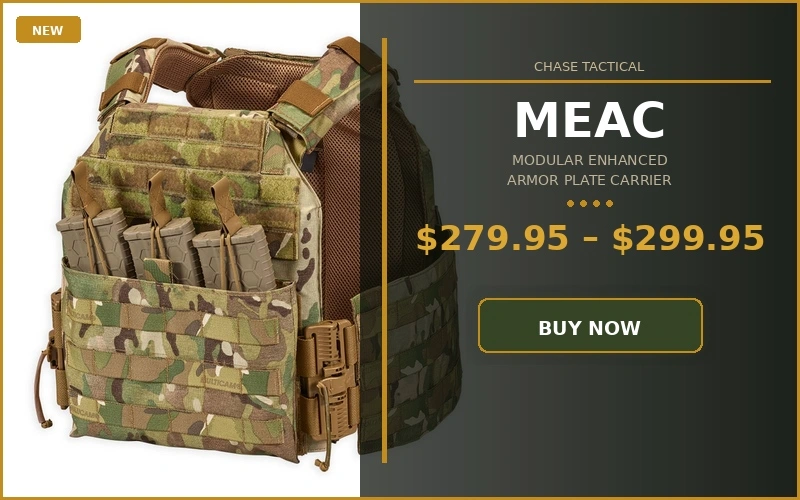
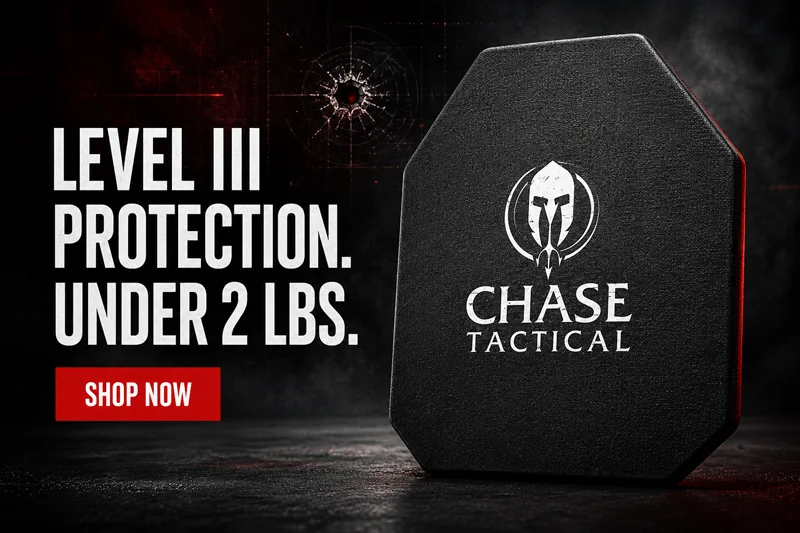
Body armor is essential for protection in hostile environments, and the level of protection you need depends on the threats you anticipate. Level II and IIIA body armor suits most law enforcement duties and stops handgun rounds. Level III and IV armor is built for military operations and protects against rifle rounds. Confirm the armor is NIJ-certified (National Institute of Justice) and compatible with your vest before you buy.
3. Tactical Helmet
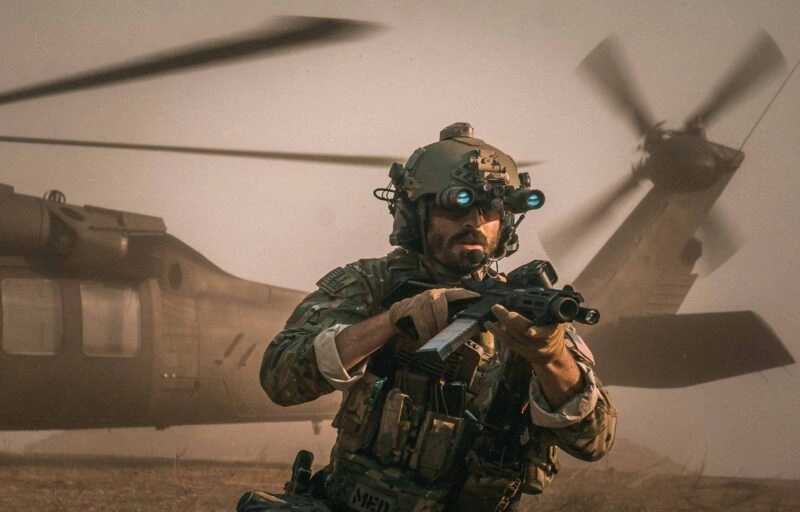
A tactical helmet protects your head from impacts and ballistic threats. Key factors to weigh include ballistic protection level, weight, and comfort. Look for helmets with NVG (night vision goggle) mounts and side rails for accessories. Our head protection guide breaks down ballistic versus non-ballistic options in more depth if you are still deciding. Quality helmets balance protection, comfort, and versatility across a range of tactical scenarios.
4. Footwear: Tactical Boots
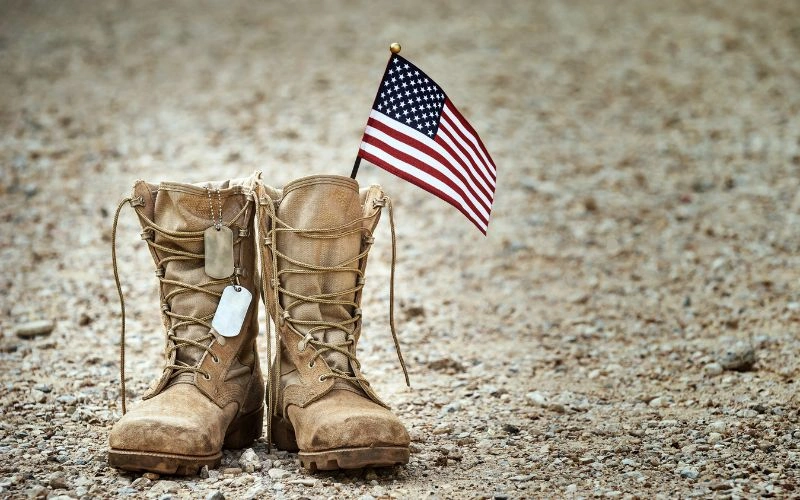
Proper footwear is critical for mobility and protection. Tactical boots should offer durability, support, and comfort. High-quality leather and reinforced stitching help the boots withstand harsh conditions. Ankle support helps prevent injuries during dynamic movement, and cushioned insoles with breathable materials make long-duration wear easier on your feet.
5. Clothing: Tactical Pants, Shirts, and Belt
Your clothing should be durable and comfortable, giving you freedom of movement and a layer of protection. Tactical pants should have reinforced knees, ample pockets, and rip-stop fabric built to withstand wear and tear.
For environments requiring concealment, choosing the right camouflage pattern, whether MultiCam, woodland, or desert, matters as much as the fabric itself. Match your camouflage to the terrain to maximize its effectiveness.
Your tactical belt is also a key piece of the loadout. A good tactical battle belt should be comfortable and adjustable, with multiple attachment points for magazines, holsters, pouches, and multitools; our tactical belt setup guide walks through configuring one from scratch.
6. Primary Weapon and Accessories
Your choice of primary weapon depends on your specific needs and role. AR-15 or M4 platforms are popular for military and law enforcement use due to their reliability and versatility, and airsoft players often choose replicas of these same models. Enhancing accuracy with red dot sights, holographic sights, or scopes is worth the investment for most setups.
Once your primary weapon is set, organizing the magazines and ammunition that support it deserves just as much attention; see our guide on organizing ammo on your plate carrier for pouch placement that speeds up reloads.
7. Sling and Weapon Setup
For anyone carrying a long gun, the right sling matters for switching between carrying your weapon and handling other tasks hands-free. A sling lets you safely secure your weapon to your body, freeing your hands when you need them.
Make sure your sling is comfortable to adjust and can be released quickly in a fight or high-stress environment. Being able to switch from carrying your weapon to using it, quickly and without fumbling, is what the sling is there for in the first place.
8. Communication Devices
Effective communication is vital for coordinated operations. Essential devices include a durable, encrypted radio for secure communication and a noise-canceling headset with a microphone for clear communication in noisy environments. Reliable comms improve coordination and response time when it matters most.
9. Medical Kits
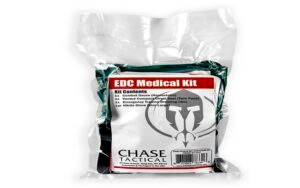
A well-stocked medical kit can save lives in critical situations. Your kit should include:
- A tourniquet for stopping severe bleeding
- Bandages and gauze for wound dressing
- Chest seals for treating chest wounds
- Medical scissors and gloves for various medical tasks
Keep your IFAK easily accessible and get trained in basic first aid before you need it. If you are still deciding what belongs in yours, our IFAK versus traditional first aid kit comparison lays out the difference.
10. Hydration System
Staying hydrated matters most during prolonged operations. Options include hydration bladders built into your vest or backpack. A hydration setup designed for rigorous use helps you maintain peak physical and mental performance, since dehydration leads to fatigue and slower decision-making during extended missions or intense physical activity. If you are also sizing a pack to carry it in, our military backpack sizing guide breaks down capacity by mission type.
11. Navigation Tools
Navigation tools are essential for maintaining situational awareness and executing plans effectively. Handheld GPS units provide precise navigation, while physical maps and a reliable compass serve as crucial backups. Staying proficient in both electronic and traditional navigation methods, rather than relying on just one, can be the difference between staying oriented and losing your bearings in an unfamiliar or challenging environment.
A dependable tactical flashlight, whether handheld or weapon-mounted, belongs in this part of your loadout too, since low-light navigation and signaling depend on it just as much as a map or compass.
12. Tools and Multi-Tools
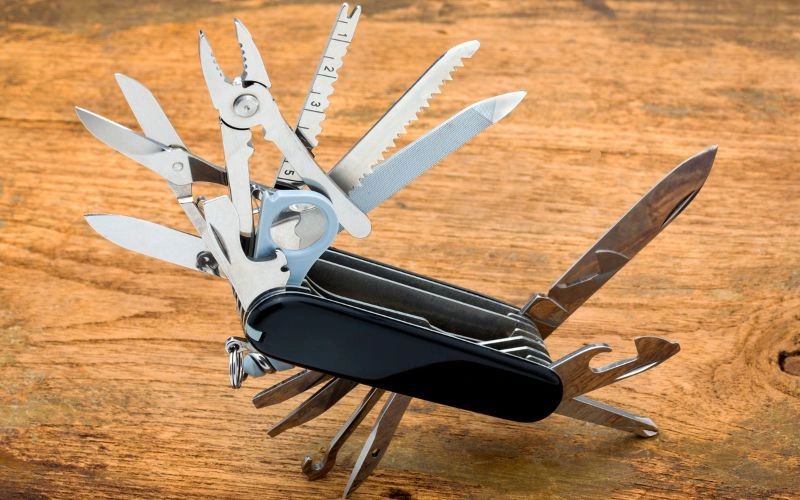
A multi-tool can be invaluable for a range of tasks, offering functions like:
- Pliers
- Knife
- Screwdrivers
- Wire cutters
A versatile tool helps you quickly address anything from equipment repairs to emergencies, adding to your overall preparedness. Multi-tools are compact yet highly functional, making them a staple of most tactical loadouts. A dedicated fixed-blade or folding knife is also worth carrying as a standalone backup, since a purpose-built blade offers more cutting strength and reliability under field conditions than a multi-tool blade alone.
13. Loadout Weight Management
How you distribute weight across your loadout matters as much as what you carry. Overloading without balance hurts mobility, speeds up fatigue, and reduces your overall effectiveness. As a general rule, keep heavier items, body armor plates, hydration systems, and ammo close to your center of gravity and spine.
Keep frequently accessed items such as magazines, a tourniquet, and your radio at the front and sides for quick reach. Regularly audit your loadout and strip out anything that is not mission-essential. Our MOLLE gear organization tips cover how to lay out pouches so the whole rig stays balanced. A leaner, well-organized kit outperforms a heavy, disorganized one in almost every scenario.
14. Gear Maintenance and Upkeep
A tactical loadout is only as reliable as the condition of its individual components. After every training session or operation, inspect your gear for wear, fraying, broken buckles, and functional issues. Clean and lubricate your primary weapon on a set schedule. Check tourniquet elasticity and expiry dates on medical supplies every six months.
Store body armor flat and away from direct sunlight to preserve its ballistic integrity. Most operators refresh consumables, such as batteries and medical supplies, quarterly, and evaluate load-bearing equipment annually. Readiness depends not just on what you carry, but on keeping it in working order.
How to Build Your Tactical Loadout Step by Step
If you are starting from nothing, building your full tactical gear setup in the right order makes the process far less overwhelming than trying to buy everything at once. Use this sequence as a simple loadout builder framework, then adjust it for your specific role and mission:
- Start with body armor and a vest or plate carrier rated for your actual threat level, since everything else attaches to or depends on this piece.
- Add a helmet if your role calls for head protection, and confirm it is compatible with your vest and any accessories you plan to mount.
- Build out your battle belt with a holster, magazine pouches, and a dedicated medical pouch, since these are the items you need fastest.
- Fill in the MOLLE real estate on your vest or chest rig with additional magazine pouches, a radio pouch, and utility pouches, keeping your most-used items on your support side.
- Add hydration, navigation tools, and a multitool once your primary gear is placed and balanced.
- Put on the full setup, walk, crouch, and reach for each item to confirm nothing shifts, digs in, or blocks another piece of gear, then adjust before you rely on it in the field.
Common Tactical Loadout Mistakes to Avoid
A few mistakes show up again and again in new loadouts. Buying gear in the wrong order, starting with pouches and accessories before settling on a vest or plate carrier, often means replacing pieces later because they do not fit the final configuration. Overloading the front panel is another common issue: stacking too many pouches on the chest limits mobility and blocks a clear view of your own gear.
Skipping a dry run is the most avoidable mistake of all. Gear that looks right on a hanger can still shift, snag, or sit wrong once you are moving in it, which is why testing your full tactical loadout before you need it matters as much as choosing the right pieces in the first place.
Conclusion
Building a complete tactical loadout takes careful thought about your specific role and the scenarios you are actually preparing for. Selecting quality gear suited to your requirements goes a long way toward being ready when it counts. Training and familiarity with your equipment matter just as much as the gear itself, so budget time to run drills in your full setup before you rely on it in the field.
Ready to start building or upgrading your loadout? Browse Chase Tactical’s plate carriers and body armor, with free shipping on orders over $150 and dedicated discounts for military and first responders.
Frequently Asked Questions
What is the best kind of sling to wear?
A two-point sling is usually the most stable and versatile option, but pick what you are comfortable with and what suits your weapon best.
How do I set up my gear for optimal efficiency?
Place heavier items near your center of gravity, and keep frequently used items such as magazines or a multitool within easy reach.
What are some good food choices for a tactical loadout?
Small, high-calorie foods such as protein bars, trail mix, or dried meals help maintain energy levels over extended periods in the field.
What’s the difference between a tactical loadout and a military loadout?
A tactical loadout typically refers to gear setups used in civilian training, law enforcement, or airsoft. A military loadout is built for combat-ready deployment, meeting military standards and often incorporating a more mission-specific tactical gear setup.
What’s included in a full tactical gear setup?
A full tactical gear setup typically includes a vest or plate carrier, body armor, a helmet, a battle belt, communication gear, a medical kit, hydration, and tools such as a multitool or knife. The exact mix depends on your role and mission.
How much does a complete tactical loadout cost?
Cost varies widely based on protection level, materials, and how much gear you already own. Armor is usually the largest expense; our body armor levels guide explains how protection level affects price so you can budget accordingly.
Can I use a tactical kit builder to customize my gear?
Yes. Working through your setup piece by piece, rather than buying everything at once, helps you organize essential items like your plate carrier, ammunition, and utility gear, so your loadout stays functional and mission-ready.