





How to Set Up MOLLE Gear: Configuration Guide for Beginners

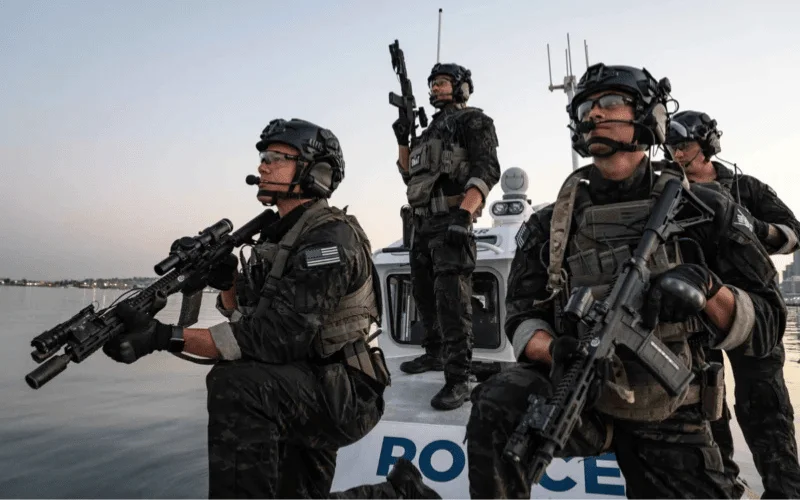
When setting up MOLLE gear, you need a clear plan to make the most of your equipment. Understanding the MOLLE and PALS systems is vital, but it’s just the beginning. Think about how you’ll prioritize your gear to ensure easy access to essentials while balancing weight distribution. The key is in the details, from selecting the right attachment points to securely weaving straps.
Whether you’re building your first tactical loadout or optimizing an existing setup, explore our complete selection of MOLLE-compatible plate carriers designed for professional operations.
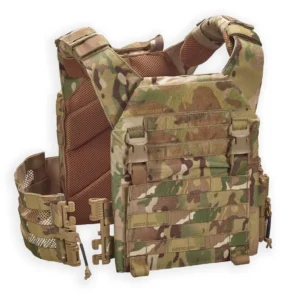
Understanding MOLLE and PALS Systems
MOLLE, standing for Modular Lightweight Load-carrying Equipment, revolutionized military gear by providing a standardized platform for attaching accessories. It’s the backbone of NATO and U.S. forces, replacing the older ALICE system for its adaptability and comfort.
Central to this system is PALS, or Pouch Attachment Ladder System. This grid of 1-inch nylon webbing serves as the primary interface for attachments. Developed by the U.S. Army, PALS provides secure mounting for gear such as vests and packs. By weaving MOLLE-compatible straps through PALS webbing, you create a stable setup for carrying essentials.
MOLLE-compatible pouches include options for magazines, medical kits, utilities, and hydration carriers, enhancing the system’s modularity and capacity. When selecting gear, consider tactical utility pouches that integrate seamlessly with your MOLLE setup.
Planning Your Load Configuration
Before attaching any gear, carefully plan your load configuration. Start by defining your primary use case—patrol, hiking, or search and rescue—to determine the essential gear. Consider your environment and the duration of your mission. This helps you size your load and water needs appropriately.
Weight Management Strategy
Assess potential threats to prioritize the placement of protective and medical gear. For effective weight management, list items with their weights to avoid overloading. Keep heavier items close to your body’s center of gravity to maintain balance and reduce fatigue during extended operations.
Rank gear by use-frequency; place critical items like IFAKs and magazines where they’re easily accessible. Design a modular setup for quick role and mission adaptability, ensuring efficient load adjustment. Remember that the MOLLE modular attachment system lets you securely attach pouches to compatible backpacks and gear, so use it to organize and personalize your load efficiently.
Selecting the Right Attachment Points
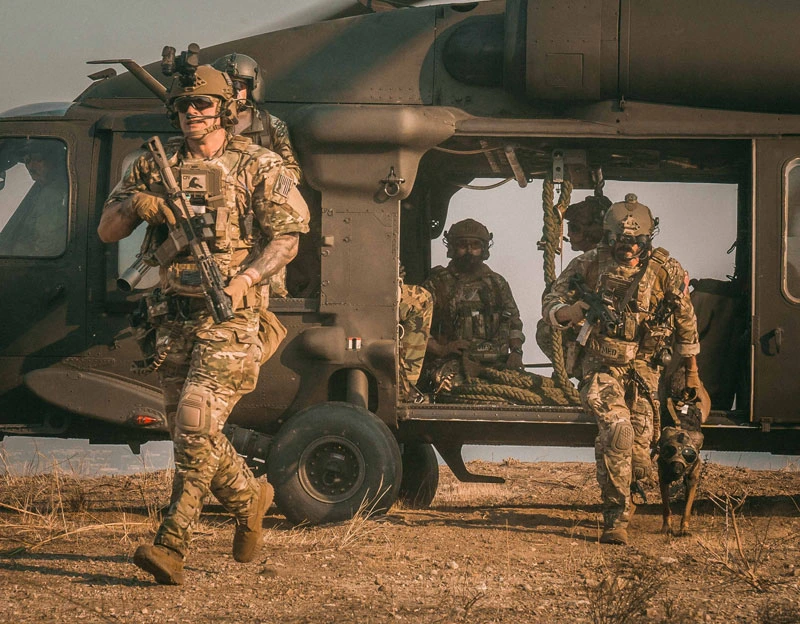
When setting up your MOLLE gear, selecting the right attachment points is essential for ensuring both functionality and comfort. Begin by evaluating the MOLLE grid compatibility to guarantee your gear fits securely. Verify the PALS standard spacing, ensuring the webbing is aligned horizontally and vertically for stability.
Key Attachment Considerations
- Check webbing stiffness: Flimsy webbing leads to sagging under load and reduced stability.
- Prioritize structural support: Attach heavy pouches to reinforced areas, such as belts or lower vest rows.
- Consider access and movement: Keep critical items clear of shoulder straps and waist belts to ensure easy access.
- Match pouch type to location: Place flat pouches on broad panels and tall items on side panels to avoid bulk.
One key aspect is aligning the webbing correctly: stagger the horizontal alignment for optimal fit and ensure the webbing is flat and untangled. Following these steps results in a well-balanced, efficient setup that works seamlessly with your tactical chest rigs and load-bearing equipment.
Weaving and Installing Accessories
To effectively weave and install accessories on your MOLLE gear, mastering a few key techniques is essential. Begin by understanding that MOLLE uses horizontal PALS webbing, which requires an alternating weave for secure attachment.
Proper Weaving Technique
Thread the strap through the platform webbing, then back through the pouch webbing, repeating down each column. This interlocking method reduces movement and prevents shifting. Use every available row for maximum stability, especially with tall or heavy accessories.
When using MALICE clips or SlickSticks, ensure each clip locks securely into the retaining slot and maintains the alternating pattern. Regular inspections help identify wear and tear, improving tactical efficiency. For tight webbing, slightly bend rigid clips to guide them through slots. Start from the top row and work your way down to maintain alignment and prevent reweaving.
Securing and Testing Attachments
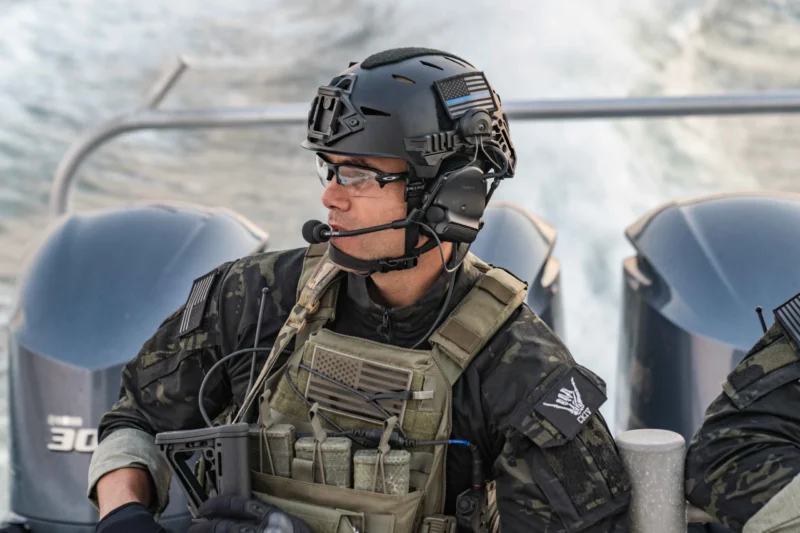
After mastering the weaving and installation of accessories on your MOLLE gear, you’ll focus on securing and testing those attachments to confirm reliability in the field. Properly securing straps, snaps, and hardware is essential for operational success.
Testing Protocol
- Finalize Securing: Fully seat snaps and tighten webbing straps. Confirm strap ends lock against webbing, not open air.
- Conduct Load Tests: Perform a shake test with loaded pouches and check for movement during varied activities.
- Inspect Materials: Verify the integrity of webbing, stitching, and the platform’s rigidity. Durable materials ensure long-lasting performance in rugged environments.
- Implement Retention Measures: Use retainers and shock cords to secure loose straps and improve safety.
Regular checks will help maintain your gear’s effectiveness. Similar attention to detail applies when layering armor with plate carriers for optimal protection and mobility.
Common MOLLE Accessories
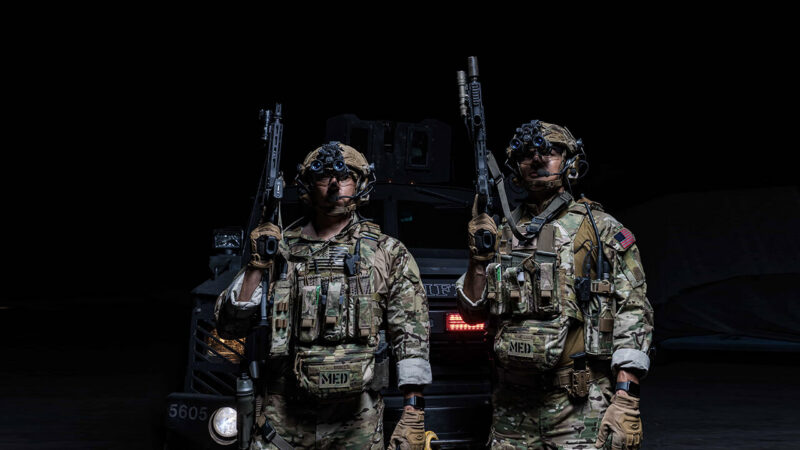
Understanding the wide range of MOLLE accessories available helps you build an efficient and mission-ready loadout. These attachments enhance both functionality and efficiency in the field.
Essential Tactical Attachments
Magazine Pouches: Securely hold rifle and pistol magazines for rapid reloads. Choose from single to “kangaroo” styles, designed for different calibers and retention needs. Place them on the front of your carrier for swift access. Complement your setup with tactical ammo pouches for complete ammunition management.
Medical/IFAK Pouches: Store trauma supplies like tourniquets and dressings. Look for pull handles and contrasting liners for quick retrieval, ideally mounted where both hands can reach easily. Consider professional medical kits designed for tactical use.
Admin/Utility Pouches: Organize maps, electronics, or tools. Opt for compact designs with internal organizers that keep essential items readily accessible.
Communications Attachments: Use radio pouches and cable management solutions to keep gear secure and accessible during operations.
Versatile Support Gear
Hydration carriers ensure hands-free access to water, integrating reservoirs and tubes for extended missions. Utility and admin pouches organize essential tools, electronics, and navigation aids, featuring zippered closures and internal dividers.
MOLLE belts and panels expand attachment options, redistributing weight for comfort and mobility. Attachment hardware like Malice clips and D-rings secures gear, offering quick-release and angle adjustment. When building your complete tactical loadout, consider integrating tactical belts for enhanced load distribution.
Specialized pouches store radios, sustainment supplies, and canteens, while dump pouches provide rapid access for temporary storage. These accessories optimize your setup, providing efficient, adaptable solutions for any mission.
Conclusion
You’ve now got the basics to set up your MOLLE gear like a professional. Remember, it all starts with understanding your needs and carefully planning your load. Choose the right attachment points and use proper weaving techniques to securely install accessories. Always check and test your setup for security and efficiency.
With regular adjustments and inspections, your MOLLE gear will be ready for any adventure or mission you undertake. Explore our complete range of tactical nylon gear to build your perfect loadout. Happy packing!
How do I clean and maintain my MOLLE gear?
Clean your MOLLE gear regularly by spot cleaning with mild soap and water. Avoid harsh chemicals that can degrade nylon webbing. Air-dry thoroughly before storing to prevent mildew. Inspect for damage and repair promptly using heavy-duty needles for stitching or 550 paracord for button failures. Always follow specific care instructions for each component to extend the lifespan of your tactical equipment.
Can MOLLE gear be repaired if damaged?
Yes, you can repair damaged MOLLE gear. Use heavy-duty needles with appropriate thread for stitching torn webbing or pouches. For button failures, 550 paracord makes an excellent temporary replacement. Inspect damage carefully to decide between field repairs or component replacement. Minor tears can be stitched using bar tack or box stitch patterns, while major structural damage may require professional repair or replacement.
Are there weight limits for MOLLE attachments?
Yes, there are weight limits for MOLLE attachments. Always check your host platform’s load ratings, typically ranging from 5-20 kg depending on the carrier design. Avoid exceeding seam or frame limits, and ensure even weight distribution to prevent damage or discomfort. Heavy items should be mounted on reinforced attachment points, preferably along the belt line or on lower vest panels, for optimal load-bearing.
What are alternative attachment methods to SlickSticks?
You can use zip ties, MALICE clips, or woven TacTie straps as alternatives to SlickSticks. Zip ties offer quick, disposable solutions ideal for temporary setups. MALICE clips provide robust retention with reusability. TacTie straps offer excellent security through traditional weaving methods. Each method offers unique benefits, such as ease of use or improved retention, so choose based on your specific needs and gear setup.
How do I customize MOLLE gear for non-tactical use?
Customize MOLLE gear for non-tactical use by selecting subdued colors and low-profile pouches that blend into civilian environments. Attach everyday items, such as tech accessories, camera gear, or sunglasses, to utility pouches. Swap pouches seasonally to accommodate different activities, such as hiking, photography, or daily commuting. The modular nature of MOLLE makes it ideal for photographers, outdoor enthusiasts, and travelers seeking organized, accessible gear storage.