








How to Layer Level II Armor With Plate Carriers for Added Safety

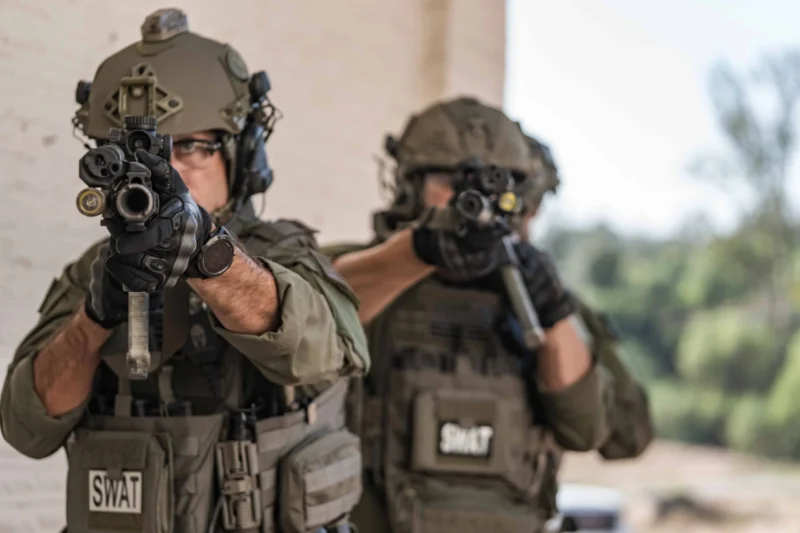
When layering Level II armor with plate carriers, you can bolster your safety with a strategic approach. By securely placing soft armor panels beneath hard plates, you create a protective shield that better resists a wider range of threats. This method improves ballistic resistance and minimizes blunt force impact. Understanding proper layering techniques ensures you’re fully covered in high-risk situations.
Maximize your protection with professional-grade gear. Explore our plate carriers and soft body armor designed for seamless integration and superior ballistic performance.
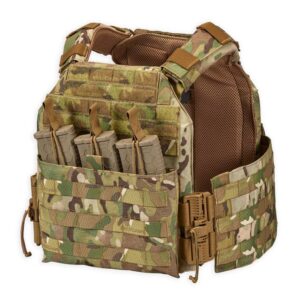
Understanding Level II Armor and Plate Carriers
Level II armor and plate carriers are essential for personal protection against handgun threats. Designed to stop rounds like 9mm and .357 Magnum, Level II armor balances protection with comfort.
Made from layered materials like Kevlar or Dyneema, it’s lightweight and flexible. The National Institute of Justice (NIJ) ensures armor meets stringent performance and safety standards.
Plate carriers enhance protection by allowing you to insert and comfortably wear soft armor panels. They’re modular, meaning you can adapt them to your needs while maintaining mobility for everyday use.
Layering Methods for Enhanced Protection
When layering Level II armor with plate carriers, place soft armor underneath hard plates to maximize threat resistance. Proper fit is essential to ensure armor fits securely and covers vital areas. Combining hard and soft armor with modular layering techniques lets you adapt your setup to different threat levels while maintaining mobility.
Soft Armor Underneath Plates
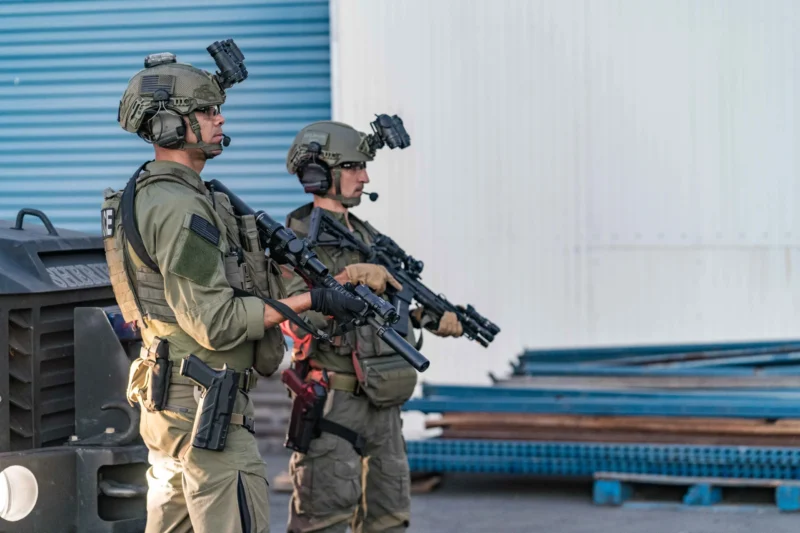
Layering soft armor beneath plates enhances your overall protection. Insert soft armor into the plate carrier’s inner compartments to maximize coverage over sides, lower ribs, and armpits. Ensure the soft armor sits smoothly beneath the hard plates, aligning the front and back components for balanced defense. This method absorbs shock and evenly distributes weight. Install soft armor first with no wrinkles, then layer plates. Understanding the principles of lightweight military gear helps optimize your setup.
Combining Hard and Soft
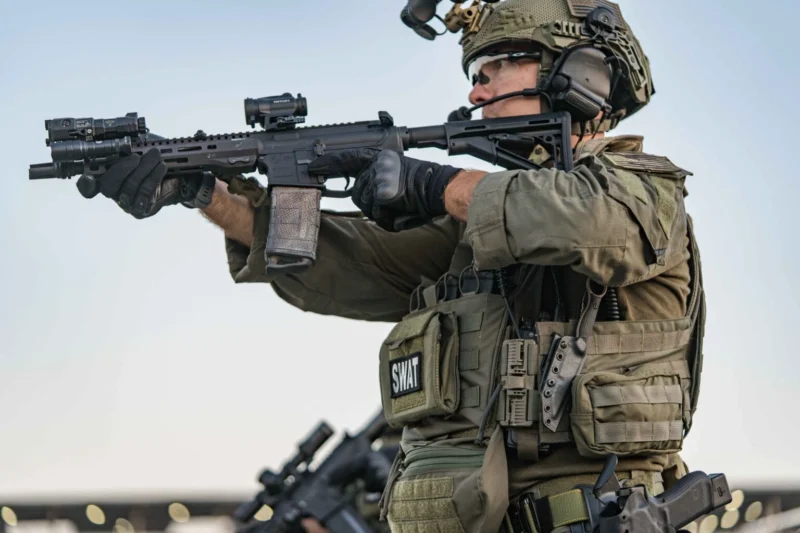
Integrating hard and soft armor layers boosts protective capabilities. Hard plates shield from rifle rounds, while soft armor guards against handgun threats and minimizes blunt trauma. Placing soft armor behind plates reduces backface deformation. This layering extends protection to the sides, lower back, and armpits. Dual-layer systems enhance multi-hit capability. Position hard plates outward with a snug fit for consistent coverage. Learn more about body armor protection levels.
Modular Layering Techniques
Use MOLLE/PALS webbing on your plate carrier to attach soft armor panels, maintaining a secure fit and mobility. Ensure adjustable cummerbunds and side panels accommodate extra soft armor. Clip-in panel systems let you quickly insert or remove Level II armor, adapting to mission needs. Choose carriers with dedicated pockets for soft armor to prevent shifting. Balance armor weight with ergonomic straps and padded cummerbunds to minimize pressure points. Modular add-ons, such as ballistic collars, enhance coverage while maintaining tactical effectiveness.
Compatibility and Modularity Considerations
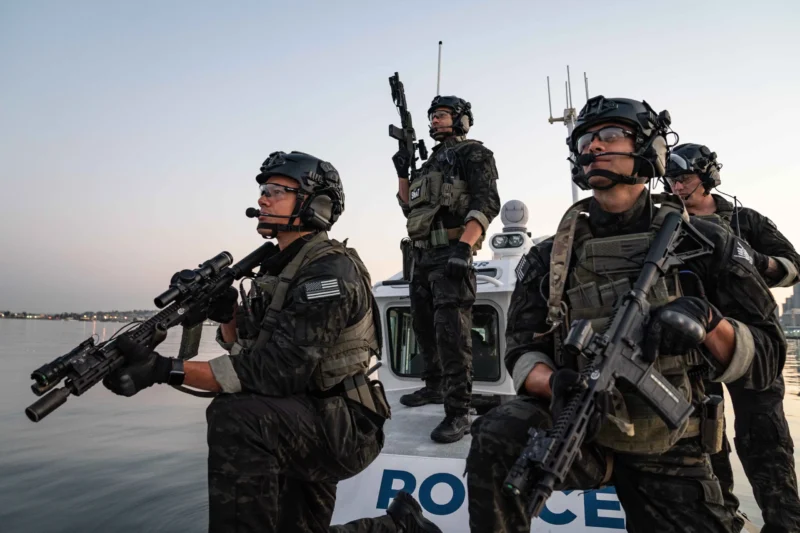
When layering Level II armor with plate carriers, ensure materials and structure align seamlessly. Choose carriers made from durable fabrics, such as 1000D Cordura nylon, that support standard-sized plates (10×12 or 11×14 inches). Ensure cummerbunds or side panels accommodate soft armor inserts. Use MOLLE webbing to attach mission-specific gear with flexible configuration. Opt for carriers with breathable liners and adjustable straps for a comfortable fit. Check that armor components are interoperable, ideally from the same manufacturer, to maintain ballistic performance. Understanding the principles of tactical equipment selection helps optimize your setup.
Key Safety and Performance Factors
Layering Level II soft armor with plate carriers enhances safety by simultaneously addressing multiple ballistic threats. This combination improves protection against both handgun and rifle rounds while reducing impact trauma. Trauma pads effectively disperse kinetic energy from bullet impacts, dissipating up to 98% of strike energy. Reducing backface deformation prevents severe injuries by cushioning the torso.
Always pair Interceptor Covert Wear (ICW) plates with matching soft armor backing from the same manufacturer. Mixing brands can compromise protection and void certifications. Verify that plates and soft armor are NIJ certified (0101.06 or 0101.07) for ballistic standards compliance. Ensure your plate carrier fits properly to prevent shifting and maintain ideal safety.
Operational Benefits of Layering Armor
Combining Level II armor with plate carriers provides significant operational benefits. Layering offers versatile defense adaptable to various threat levels. Integration of hard and soft armor stops a wider range of threats. Lightweight plates in modular carriers allow swift movement during operations. Quick armor adjustments let you tailor gear to mission needs. Efficient weight distribution minimizes fatigue, enabling sustained performance.
Practical Considerations for Users
When selecting plate carriers with Level II armor, focus on practical features for peak performance. Ensure carriers are made from durable materials, such as 500D or 1000D Cordura® nylon, with modular MOLLE webbing. Comfort features like adjustable shoulder straps and breathable mesh liners reduce fatigue and heat buildup. Proper sizing is critical incorrectly sized plates compromise protection. Choose carriers that balance coverage with mobility. Consider quick-release buckles for emergencies and verify compatibility with both hard and soft armor.
Maintenance and Inspection of Armor
Regular maintenance and inspection ensure your armor offers maximum protection. Visually inspect gear before each use and conduct detailed monthly checks, or conduct detailed checks after deployments. Look for tears, punctures, and damage on the outer fabric. Check that fasteners and straps function properly, and inspect armor plates for cracks or dents.
Clean ballistic panels with a damp cloth and mild soap, air drying away from heat and sunlight. Hand-wash carriers, avoiding harsh chemicals. Store gear in a dry, ventilated space, and replace damaged components immediately to maintain optimal protection.
Training and Procedural Drills
Training with Level II armor requires a structured approach for physical and mental preparation. Start by acclimating to the armor’s weight and respiratory strain with properly sized equipment. Implement cardiovascular and strength workouts, incorporating tactical drills like crouching, taking cover, and rolling. Practice donning armor efficiently and organizing gear for quick access. Conduct realistic scenarios for medical and ammo management. Simulate high-stress situations to build resilience, using controlled breathing and mindfulness to maintain focus during operations.
Frequently Asked Questions
Can Level II armor stop rifle rounds?
No, Level II armor is designed specifically for handgun threats like 9mm and .357 Magnum. For rifle protection, you need Level III or IV hard plates combined with your soft armor.
How often should I replace my Level II armor?
Replace soft armor every 5 years or sooner if damaged. Hard plates last 5-20 years, depending on the material. Always inspect regularly and replace after any ballistic impact.
Can I wash my soft armor panels?
Hand wash only with mild soap and cool water. Air-dry flat, away from heat and sunlight. Never machine-wash, dry-clean, or use harsh chemicals, as these damage ballistic fibers.
Is it legal to own Level II armor as a civilian?
Yes, in most states, civilians can legally own Level II armor. However, some states, like New York and Connecticut, have restrictions. Convicted violent felons are federally prohibited from owning.
Conclusion
Layering Level II armor with plate carriers is a smart strategy for boosting safety and operational effectiveness. Ensure components fit properly and are compatible to maximize protection against multiple threat types. Regularly inspect and maintain gear to ensure reliability under high-pressure conditions. Engage in consistent training to sharpen your skills and comfort with layered systems. By investing in quality gear and proper training, you enhance your defensive capabilities and operational readiness.