








Body Armor for Active Shooter Protection: Complete Guide

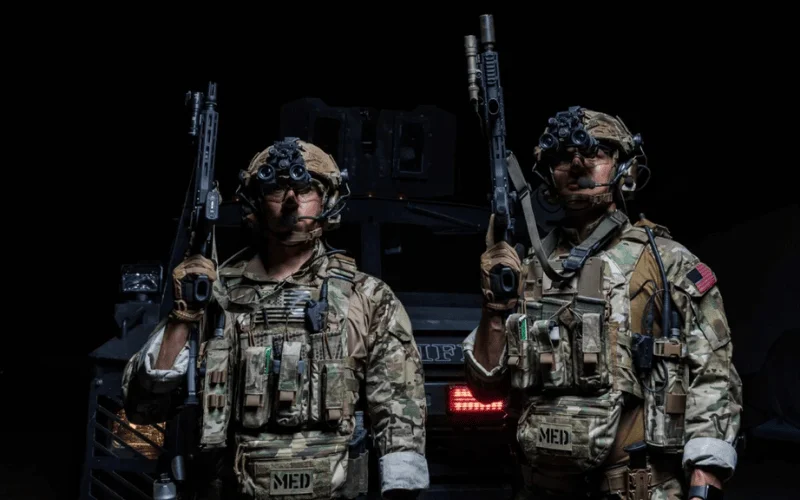
Active shooter situations demand quick thinking and effective protection. Armor designed for these high-stakes scenarios combines innovative materials to balance safety and mobility. Understanding protection levels and material capabilities is essential when selecting gear that could save your life.
?️ Maximum Protection for Active Shooter Scenarios
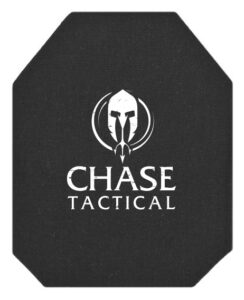
The Chase Tactical SP8 Level IV RF3 Rifle Armor Plate offers NIJ 0.06 compliant protection against armor-piercing threats, including .30-06 M2 AP rounds. With its single-curve design for enhanced comfort and mobility, this plate provides the highest level of ballistic protection when it matters most.
Understanding NIJ Protection Levels
The National Institute of Justice (NIJ) sets ballistic-resistance standards in the U.S. These standards categorize armor by performance levels and outline testing methods. Legacy levels IIA, II, and IIIA focus on handgun threats, while III and IV address rifle threats.
The new NIJ 0101.07 and NIJ 0123.00 standards introduce HG (handgun) and RF (rifle) levels, ensuring a harmonized approach for various threats. The HG levels replace the old IIA, II, and IIIA ratings, maintaining equivalent protection. Meanwhile, RF levels align with former III and IV ratings, expanding coverage to include modern threats. NIJ-approved laboratories conduct testing to ensure body armor meets stringent safety standards.
Soft Armor: Roles and Limitations
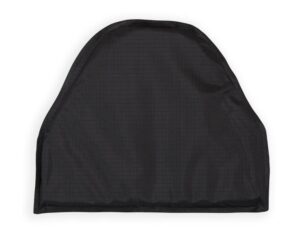
Soft armor plays an essential role in personal protection against handgun threats. It uses high-strength fibers, such as Kevlar, to create a web-like network that traps projectiles and distributes impact energy over a larger area. This effectively stops most handgun rounds, including 9mm and .44 Magnum.
Level IIIA soft armor offers reliable protection against common handgun threats like .44 Magnum SJHP and .357 SIG rounds. Multi-threat Level IIIA+ variants can handle certain stab and slash threats.
The lightweight, flexible construction allows extended wear without fatigue, making it ideal for routine duties and concealed carry. However, soft armor has critical limitations; it’s ineffective against rifle rounds, which penetrate despite advanced materials. In active-shooter scenarios involving rifles, combining soft armor with hard plates is necessary for comprehensive protection.
Hard Armor Plates and Rifle-Rated Solutions
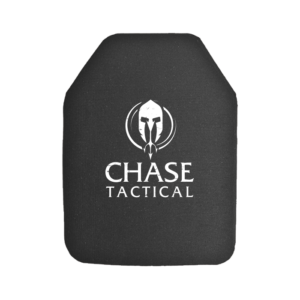
When facing potential rifle threats, hard armor plates are essential. Level III plates stop 7.62×51 mm NATO M80, 5.56×45 mm M193, and 7.62×39 mm MSC rounds, offering baseline protection against common rifle threats. For higher protection, Level IV plates can handle armor-piercing rounds such as the .30-06 M2 AP. Newer RF2 plates cover additional threats, such as M855 and 7.62×54 mmR LPS, providing comprehensive “Level III+” protection.
Material selection significantly impacts performance. Ceramic plates offer excellent multi-hit capability and are effective against armor-piercing rounds. Steel plates are durable and affordable, but heavier. UHMWPE (ultra-high-molecular-weight polyethylene) Level III plates are lightweight but struggle with steel-core rounds. Hybrid plates combine materials to balance weight, protection, and cost.
Combining Soft Armor With Plate Carriers
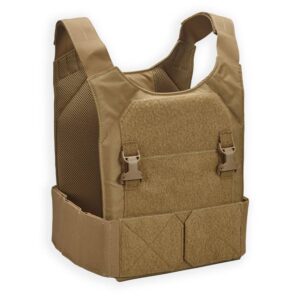
Layering soft armor with plate carriers creates a versatile protection system that addresses both handgun and rifle threats. This combined approach allows you to wear comfortable soft armor for daily protection while maintaining the option to add hard plates when facing elevated threats.
The strategic layering provides comprehensive coverage soft armor protects against handgun rounds and fragmentation, while hard plates stop rifle threats to vital organs. This cost-effective solution offers flexibility for various operational environments and threat levels.
Operational Considerations for Mobility and Coverage
Balancing protection with mobility is critical in active shooter situations. Your armor must protect vital organs while allowing quick movement through complex environments such as stairwells, hallways, and tight spaces. Bulky armor can slow response times and limit your ability to reach cover or evacuate safely.
Thin-profile armor offers better maneuverability, which is critical for avoiding the shooter’s line of fire and maintaining weapon readiness. Your gear should support rapid transitions among running, hiding, and fighting, aligning with active-shooter response strategies. Ensure your armor doesn’t hinder evacuation efforts, especially when assisting casualties or navigating emergency scenarios with wheelchairs and stretchers.
Emerging Trends in Protective Gear
Innovation continues to advance protective gear technology. Smart materials like liquid armor remain flexible until impact, then harden to stop bullets. Shape-memory alloys enhance durability, while embedded sensors track impacts and vital signs for rapid medical response. Environment-responsive fabrics regulate temperature during extended wear.
Advanced materials are making significant progress. Aramid fibers and high-performance polyethylene offer lightweight protection. Nanomaterials like carbon nanotubes boost strength and flexibility without adding bulk. Concealable vests and role-specific designs cater to diverse needs, from school staff to private security personnel. New regulatory standards ensure ballistic gear meets evolving safety and effectiveness requirements.
Conclusion
Effective protection in active shooter situations requires understanding NIJ protection levels and selecting appropriate armor for specific threats. Soft armor provides comfortable, extended-wear protection against handguns, while hard plates like the Chase Tactical SP8 Level IV RF3 offer rifle-rated protection. Modern innovations in smart materials and sensors continue to improve armor effectiveness and comfort. Prioritize the right balance of protection, mobility, and coverage to maximize safety in critical moments.
Frequently Asked Questions
How do I choose the right armor for my specific needs?
Assess your threat level first. For handgun threats, choose Level II or IIIA soft armor. When facing rifle threats, select Level III or IV hard plates. Consider weight, comfort, and mobility requirements for your operational environment and budget.
What is the cost range for different types of armor?
Soft armor typically costs $300-$800, while hard armor plates range from $500-$1,500+. Complete ballistic vests average around $600. Prices vary based on protection level, materials, and additional features.
Can civilians legally purchase and use hard armor plates?
Yes, civilians can legally buy and use hard armor plates in most U.S. states. You must be over 18 and not a convicted felon. Check specific state restrictions before purchasing.
How often should armor be inspected or replaced?
Inspect armor regularly using documented schedules. Replace soft armor every five years or sooner if damaged. Hard armor follows manufacturer guidelines. Immediately replace any compromised armor after it defeats a round.