







Trump Orders Pentagon to Withdraw Over 5,000 U.S. Troops From Germany

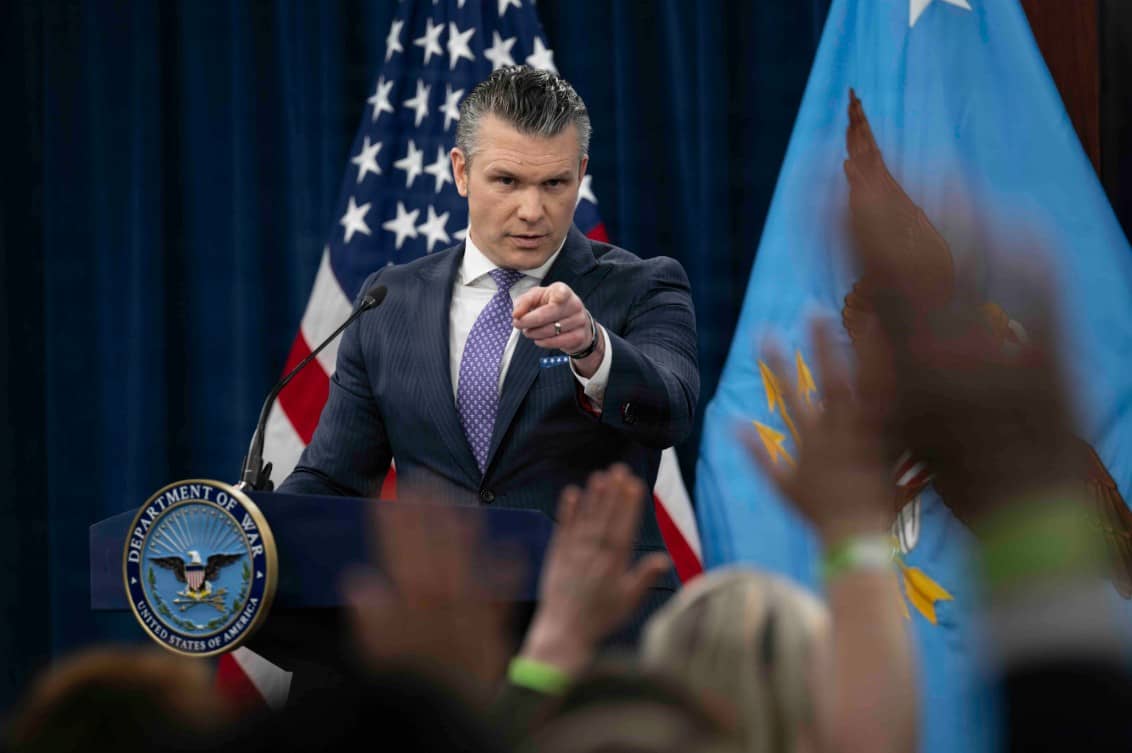
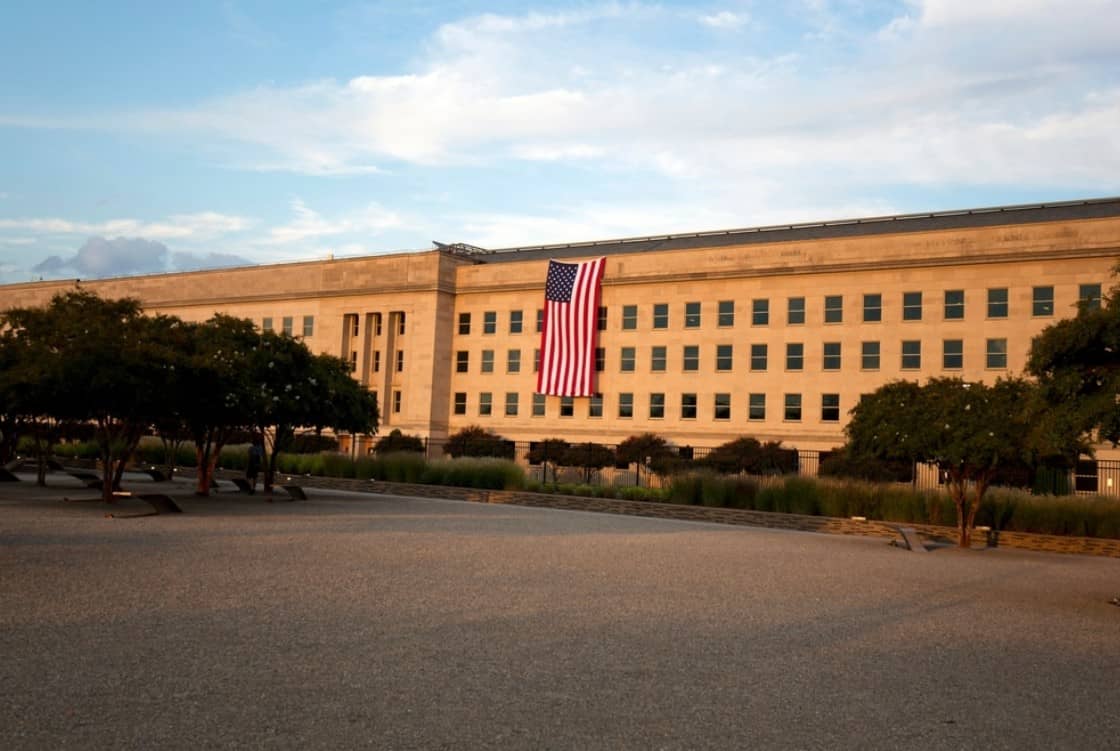
President Donald Trump declared on Saturday that the United States will significantly scale back its military presence in Germany, signaling a sharp shift in America’s long-standing commitment to European defense. The announcement follows recent criticism from German Chancellor Friedrich Merz of the U.S. handling of the ongoing conflict with Iran, highlighting deepening tensions between Washington and key European partners.
The Pentagon had announced on Friday that it would begin withdrawing roughly 5,000 troops from Germany following a comprehensive review of U.S. force posture across Europe. However, speaking to reporters in Florida, Trump indicated the reduction would go far beyond that initial figure. “We’re going to cut way down. And we’re cutting a lot further than 5,000,” he stated emphatically.
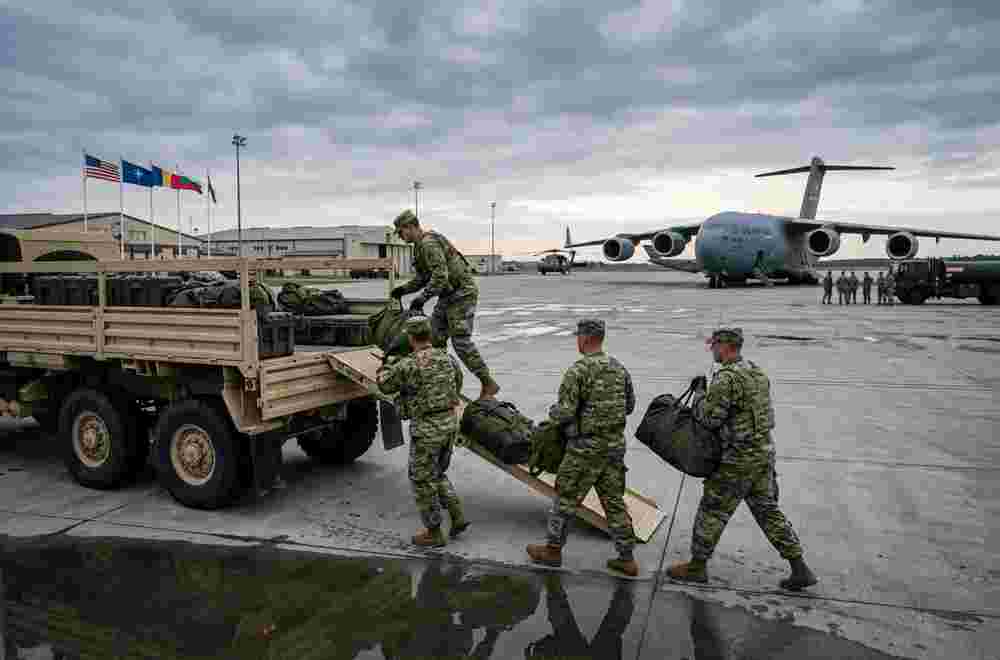
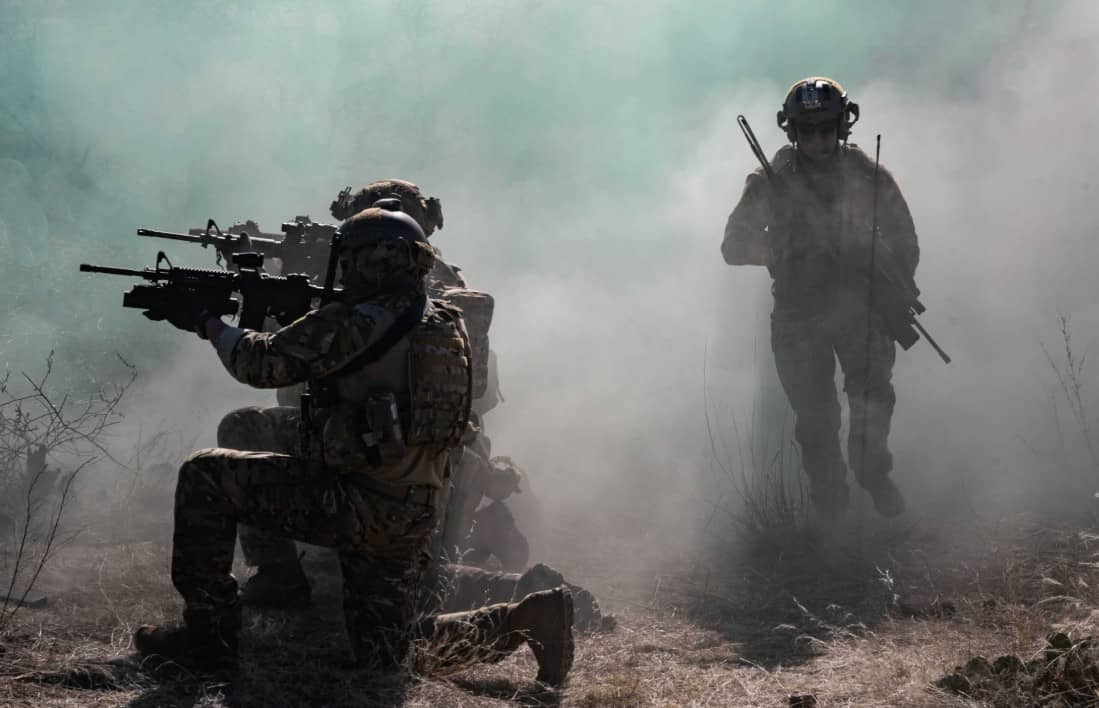
Currently, approximately 80,000 U.S. service members are deployed throughout the European Theater, with roughly 38,000 permanent and rotational forces based in Germany. These troops are spread across major installations in Wiesbaden, Rhineland-Palatinate, Stuttgart, and Bavaria. The planned drawdown, expected to unfold over the next six to 12 months, would bring U.S. troop levels in Europe back to roughly pre-2022 figures, before Russia’s full-scale invasion of Ukraine prompted a significant American buildup.
German officials responded cautiously to the news. Defense Minister Boris Pistorius described the reduction as “anticipated” in a statement released Saturday. While acknowledging the move, Pistorius emphasized the mutual benefits of the American presence. “The presence of American soldiers in Europe, and especially in Germany, is in our interest and in the interest of the U.S.,” he said. He stressed that U.S. forces continue to play a vital role in maintaining European security and deterring potential threats.
The timing of Trump’s decision appears closely linked to ongoing friction over Iran. European leaders, including Merz, have grown increasingly vocal in their criticism of Washington’s approach to the conflict. On Monday, Merz remarked that the Iranians appeared “clearer stronger than expected” and accused the U.S. of lacking a “truly convincing strategy” in its negotiations and military posture. Trump has previously lashed out at several European counterparts, including Merz, Spanish Prime Minister Pedro Sánchez, and British Prime Minister Keir Starmer, for what he sees as their reluctance to fully support his administration’s hardline campaign against Iran.
These diplomatic strains have quickly spilled over into economic territory. Just days after Merz’s comments, the Trump administration announced plans to impose 25% tariffs on cars and trucks imported from the European Union, effective next week. The White House justified the move by claiming the EU has failed to meet its obligations under existing U.S. trade agreements. Germany, as Europe’s automotive powerhouse, stands to bear the brunt of the tariffs, which could disrupt major manufacturers like Volkswagen, BMW, and Mercedes-Benz and affect thousands of jobs on both sides of the Atlantic.
The developments reflect a broader recalibration of U.S. foreign policy under Trump’s second term. For decades, Germany has served as the cornerstone of America’s military footprint in Europe, a legacy of the post-World War II order and NATO’s collective defense framework. Supporters of the troop presence argue it provides essential stability, intelligence capabilities, and rapid response options in an increasingly volatile security environment. Critics, including some within the Trump administration, contend that wealthy European allies have long underinvested in their own defense while relying heavily on American resources.
The planned reductions could prompt a reevaluation of NATO’s command structure and burden-sharing arrangements. Several Eastern European nations have already expressed quiet concern about diminished U.S. forward presence, fearing it might embolden adversaries like Russia. At the same time, the move aligns with Trump’s long-held view that America should focus more on its own borders and prioritize deals that deliver direct benefits to U.S. taxpayers and workers.
As the troop withdrawal proceeds, analysts will be watching closely to see how Berlin and other European capitals respond—whether by accelerating their own defense spending or seeking alternative security partnerships. For now, Trump’s announcement underscores a clear message: the era of open-ended U.S. military commitments in Europe, at least in their current form, may be drawing to a close.