







Congo Launches $100M U.S. and UAE-Backed Paramilitary Force to Secure Mines

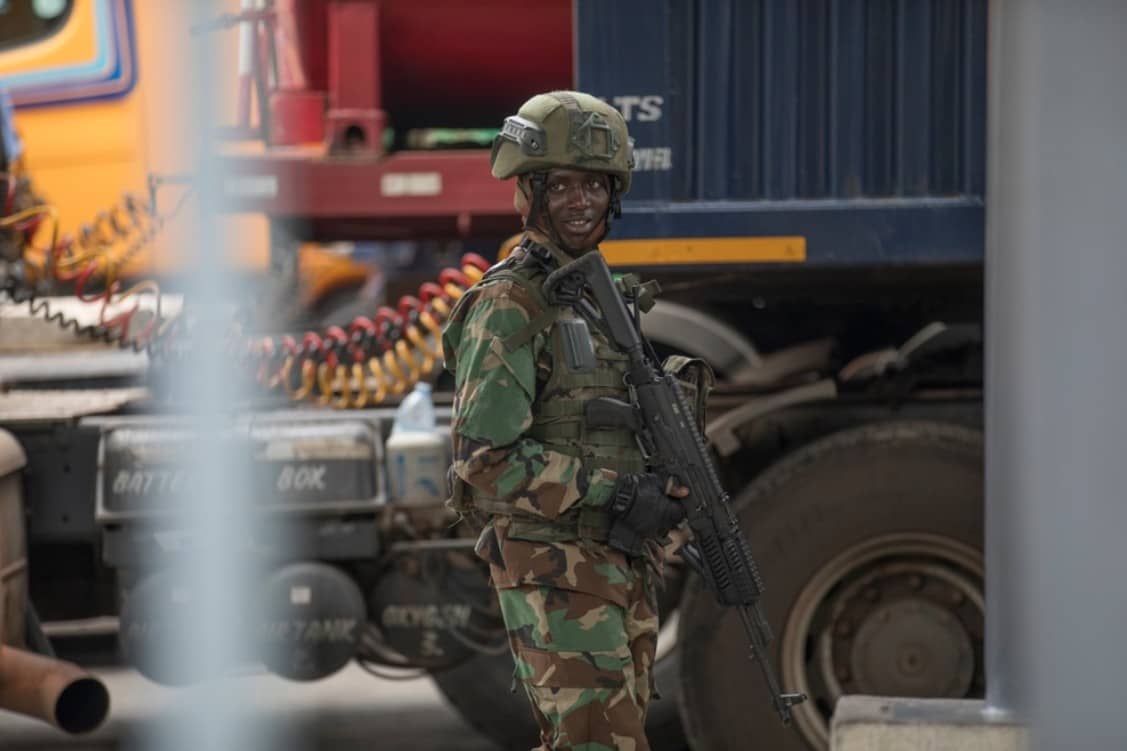
The Democratic Republic of Congo (DRC) has unveiled an ambitious $100 million initiative, backed by the United States and the United Arab Emirates, to create a dedicated paramilitary unit tasked with securing the country’s vast and vital mining industry. The General Inspectorate of Mines (IGM) described the new “mining guard” as a specialized paramilitary force designed to protect the entire mineral exploitation chain—from extraction sites deep in the jungle to processing facilities and export points at the borders.
According to the IGM, the first contingent of 2,500 to 3,000 recruits will undergo six months of intensive training alongside the Congolese military. The unit is expected to become operational by December 2026. Deployment will occur gradually across the nation’s key mining regions, with the force projected to expand to more than 20,000 personnel by the end of 2028. This growth will enable comprehensive coverage of all 22 provinces under the inspectorate’s supervision.
The mining guard’s primary responsibilities include guarding active mine sites against illegal incursions, theft, and sabotage, as well as providing armed escorts for mineral shipments. These measures aim to ensure safe and traceable transport from remote extraction areas to industrial processing hubs and international border crossings. Officials hope the force will bring much-needed stability to an industry long plagued by corruption, artisanal mining chaos, and armed group interference.
The timing of the initiative is critical. The DRC is the world’s dominant producer of cobalt, accounting for roughly 70 percent of global supply. Cobalt is an essential component in lithium-ion batteries for electric vehicles and increasingly important in defense technologies. The country also possesses enormous reserves of copper, lithium, coltan (used in electronics), and gold. These minerals position the DRC as a geopolitical prize in the global race for critical raw materials needed for the green energy transition and high-tech manufacturing.
Yet despite this wealth, eastern Congo remains deeply unstable. Decades of conflict have intensified in recent years, particularly with the resurgence of the M23 rebel group, widely believed to be backed by neighboring Rwanda. The fighting has claimed thousands of lives and displaced hundreds of thousands of civilians, many from mineral-rich provinces where armed groups and rogue militias often control mining operations or extort revenues from them.
Inspector General of Mines Rafael Kabengele emphasized the government’s broader reform goals. “The will of the President of the Republic is to clean up the entire mining sector, by eliminating practices that run counter to good governance, transparency and the traceability of minerals,” he stated. The new force is seen as a practical tool to enforce these objectives on the ground.
The plan also aligns with shifting international interests. The United States is actively working to diversify critical mineral supply chains away from China, which has long dominated DRC mining investments. In a significant move last year, the DRC and the U.S. signed a minerals partnership agreement under which American company Virtus Minerals assumed control of the major copper and cobalt producer Chemaf. Several other Western firms have signaled interest in acquiring assets in the country, including some located in areas currently affected by rebel activity.
Diplomatically, progress has been mixed. In December, the DRC and Rwanda signed a U.S.-brokered agreement in Washington that outlines steps to end the eastern conflict. The deal includes economic provisions intended to guarantee American and allied high-tech companies reliable access to strategic minerals. Negotiations between the Congolese government and M23 rebels continue, but clashes persist across multiple fronts, underscoring the fragility of the peace process.
The establishment of the mining guard represents more than just a security measure. It signals Kinshasa’s determination to assert greater control over its natural resources at a moment when global demand for Congo’s minerals is surging. Success will depend on effective training, discipline, and coordination with the national army, as well as broader efforts to address root causes of conflict such as poverty, ethnic tensions, and cross-border interference.
If implemented successfully, the initiative could enhance investor confidence, improve mineral traceability for international markets, and contribute to more stable revenues for national development. However, challenges remain significant in a country where vast territories are difficult to police and where armed groups have deep economic interests in the mines. The coming years will test whether this paramilitary experiment can deliver the security and governance improvements Congo’s mining sector desperately needs.