







Navy Eyes Japanese and Korean Shipyards for Future Warships

Pentagon Explores Foreign Shipbuilding Partnerships to Bolster U.S. Navy Fleet
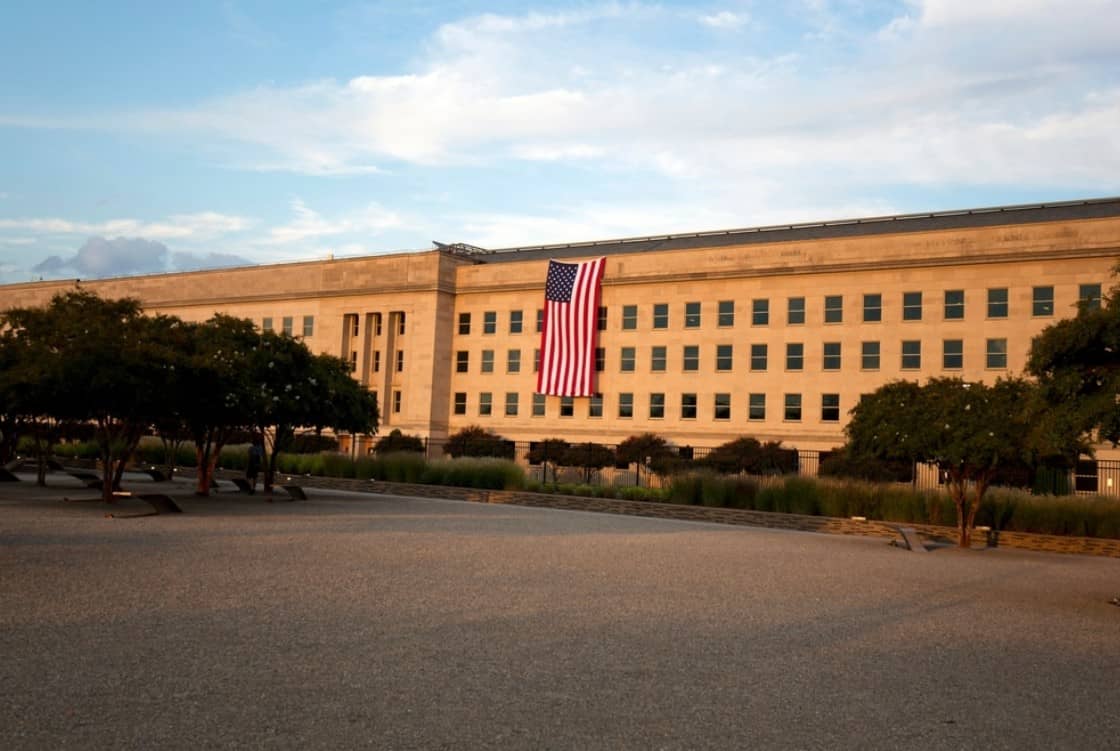
The Pentagon is actively considering partnerships with foreign allies for the design and construction of warships, a significant shift aimed at overcoming longstanding limitations in the U.S. shipbuilding industry that have constrained the Navy’s surface fleet expansion. This move reflects mounting pressure to accelerate naval modernization amid delays in domestic production and China’s aggressive naval buildup.
The fiscal 2027 budget proposal allocates $1.85 billion in research and development funding specifically to explore future frigate programs and larger surface combatant classes. A portion of these funds could support vessels built abroad or incorporating foreign components, marking a potential departure from traditional U.S.-centric procurement strategies. According to budget language, the money “will be used to investigate a full spectrum of procurement options to attract more shipbuilding capacity into domestic shipyards and bring additional ships into the fleet – including studies of the ability of allied shipbuilding companies to build ships or components.”
This funding will be divided into two distinct efforts: one targeting the fleet’s future cruiser and destroyer inventories, and the other focused on frigates. Officials plan to examine a range of options, from technology transfers and modular construction to direct collaboration with international partners. The goal is not only to supplement domestic capacity but also to introduce proven designs that could be adapted for U.S. needs, potentially speeding up delivery timelines that have plagued American programs.
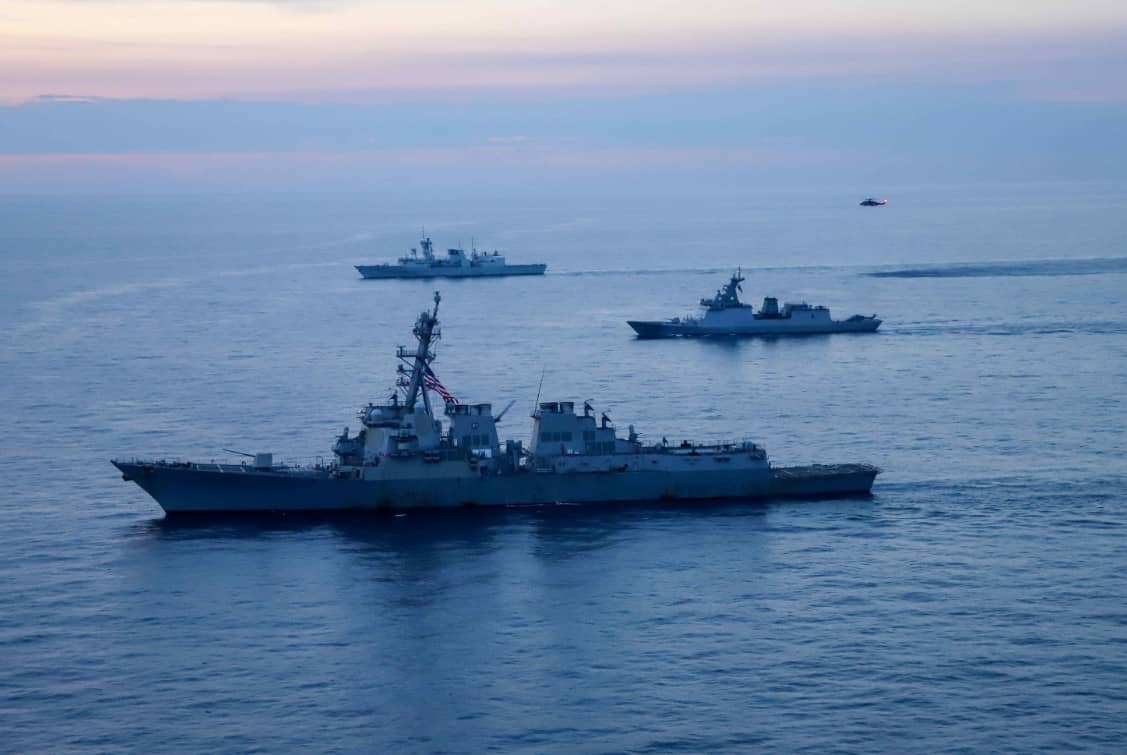
Central to the studies are leading shipyards in Japan and South Korea, two key U.S. allies with robust naval industries. Analysts expect particular attention on Japan’s Mogami-class frigate, built by Mitsubishi Heavy Industries. This 5,500-ton vessel features a stealthy hull design, advanced automation to reduce crew requirements, and production processes optimized for faster build times compared to many Western counterparts. Its modular approach and efficient manufacturing have drawn interest as a model for addressing U.S. bottlenecks.
South Korea’s Daegu-class frigate offers another compelling option. At approximately 3,600 tons, it is lighter and emphasizes anti-submarine warfare capabilities through a specialized quiet propulsion system. Both the Mogami and Daegu classes are designed to integrate seamlessly with U.S. weapon and sensor systems, including the widely used MK-41 vertical launching system (VLS). This compatibility could allow for rapid customization, enabling the Navy to field capable platforms without starting entirely from scratch.
The proposal arrives at a critical juncture. U.S. naval shipbuilding has faced persistent challenges, including workforce shortages, supply chain disruptions, and rising costs, resulting in significant delays for programs like the Constellation-class frigate and DDG(X) destroyer successors. Meanwhile, China has expanded its navy at an unprecedented pace, now boasting the world’s largest fleet by hull count. U.S. officials increasingly view enhanced allied cooperation as essential not just for capacity but for maintaining deterrence in the Indo-Pacific.
In a related development last week, the Pentagon announced the departure of Navy Secretary John Phelan. Concerns over the pace of shipbuilding reforms reportedly prompted the change, following a high-level meeting between President Donald Trump and Defense Secretary Pete Hegseth. Trump reportedly concurred that fresh leadership was required to drive meaningful progress in expanding the fleet.
If implemented, this initiative could represent the first instance since World War II in which the United States acquires a major surface combatant incorporating substantial foreign design elements. Historically, the U.S. has relied almost exclusively on domestic yards for major warships, a policy rooted in national security imperatives and economic considerations. Current federal law mandates that naval vessels be constructed in American shipyards, with limited exceptions. Any deeper foreign involvement would likely necessitate a presidential waiver, along with rigorous oversight to protect sensitive technologies and ensure supply chain security.
Proponents argue that selective international collaboration could inject much-needed innovation and capacity. Japanese and South Korean yards have demonstrated efficiency in producing high-quality warships on tighter schedules, offering lessons in automation, workforce training, and modular construction that could revitalize U.S. facilities. Critics, however, caution about potential risks to sovereignty, intellectual property, and the domestic industrial base. Jobs in shipbuilding support thousands of American workers, particularly in key states, and any perception of outsourcing could spark political backlash.
The studies will likely weigh multiple scenarios: full foreign builds with U.S. integration, hybrid designs where foreign hulls are completed domestically, or licensed production using allied blueprints. Success could help the Navy close capability gaps more quickly while strengthening alliances through shared defense industrial efforts. As tensions rise in key maritime regions, the Pentagon’s willingness to explore these options underscores a pragmatic recognition that domestic constraints must be addressed through every available avenue.
This potential pivot highlights broader questions about the future of U.S. naval power. With an ambitious goal of expanding the fleet to over 350 ships, innovative procurement strategies—including measured reliance on trusted partners—may prove vital. The outcomes of the 2027-funded studies could shape not only the composition of tomorrow’s surface fleet but also the evolving architecture of allied defense cooperation in an era of great-power competition.