







CENTCOM Briefs White House on Iran Strike Options as US Launches Hormuz Coalition

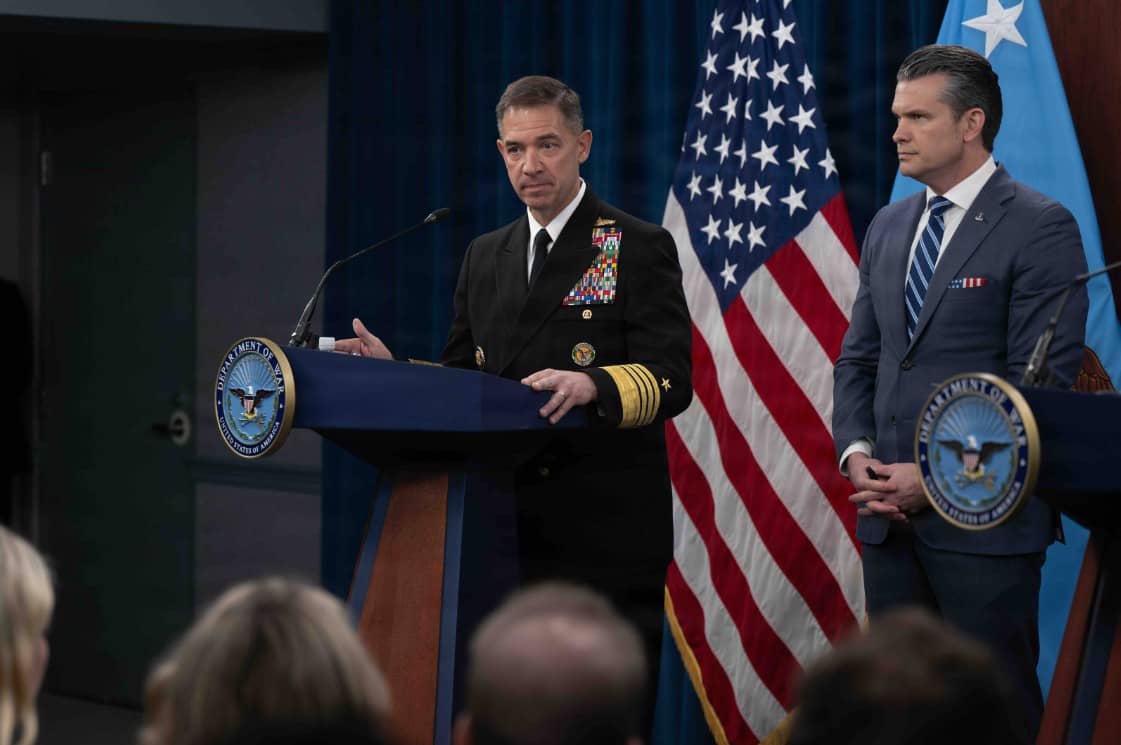
U.S. Central Command (CENTCOM) Commander Adm. Brad Cooper briefed President Donald Trump on Thursday on potential military options against Iran, with Defense Secretary Pete Hegseth and Joint Chiefs Chairman Gen. Dan Caine also present, a U.S. official confirmed to Reuters. The White House briefing followed a morning Senate hearing at which Hegseth and Caine testified on the conflict launched by the U.S. and Israel on February 28.
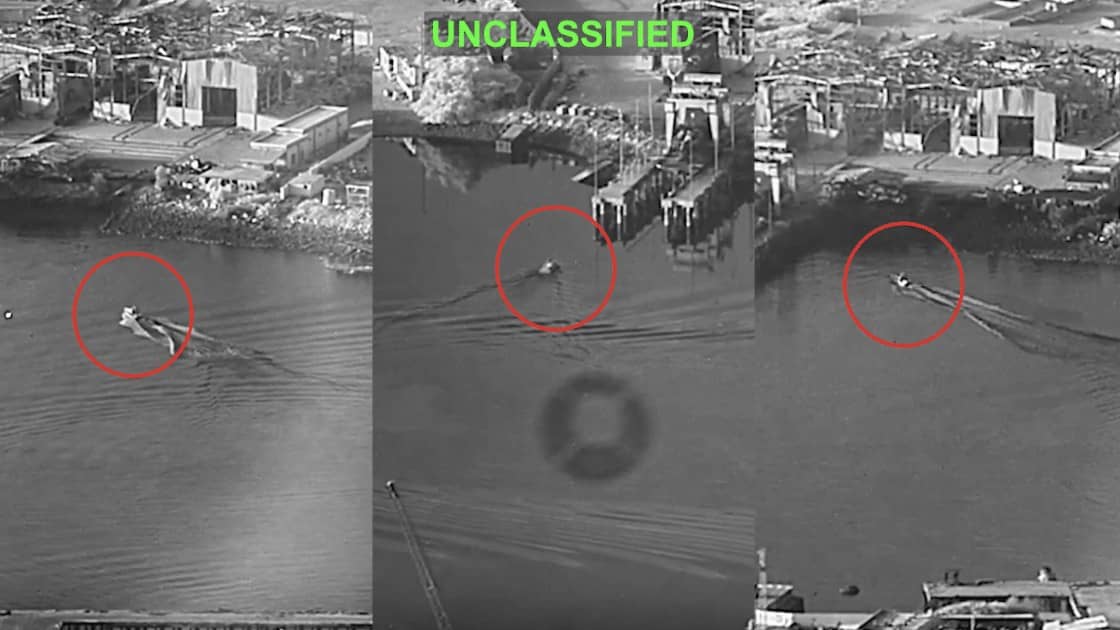
Statement from Adm. Brad Cooper, CENTCOM commander on the success of the U.S. blockade against Iran: pic.twitter.com/78OL04k5cZ
— U.S. Central Command (@CENTCOM) April 29, 2026
CENTCOM prepared a plan for a “short and powerful” wave of strikes on Iranian targets, including infrastructure, with a second option focused on seizing part of the Strait of Hormuz to restore commercial access, possibly deploying ground forces, three sources told Axios.
A third option previously discussed involves a special forces operation to secure Iran’s stockpile of highly enriched uranium.
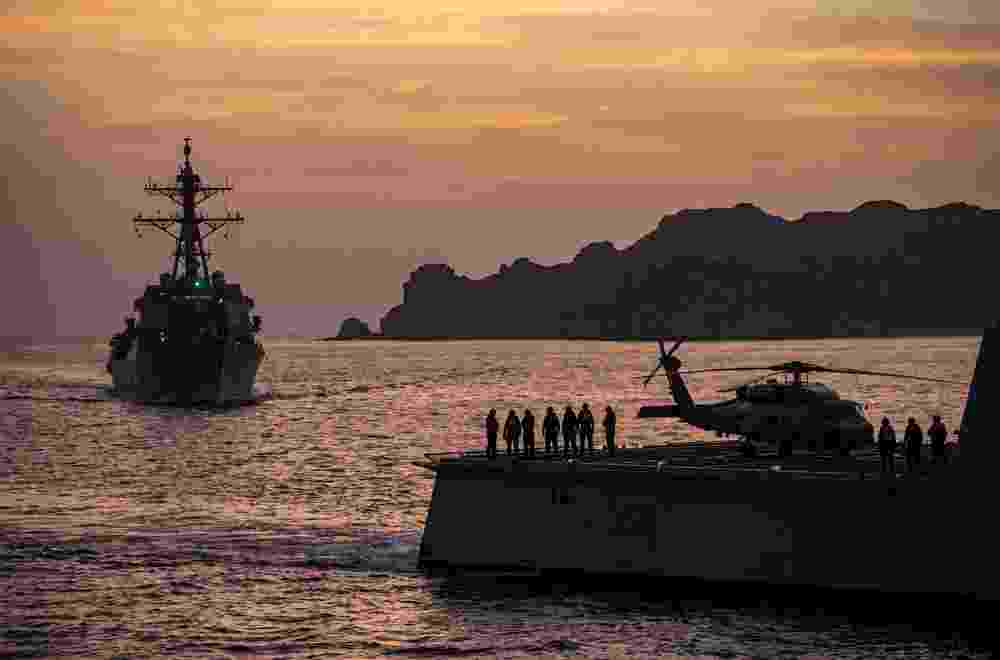
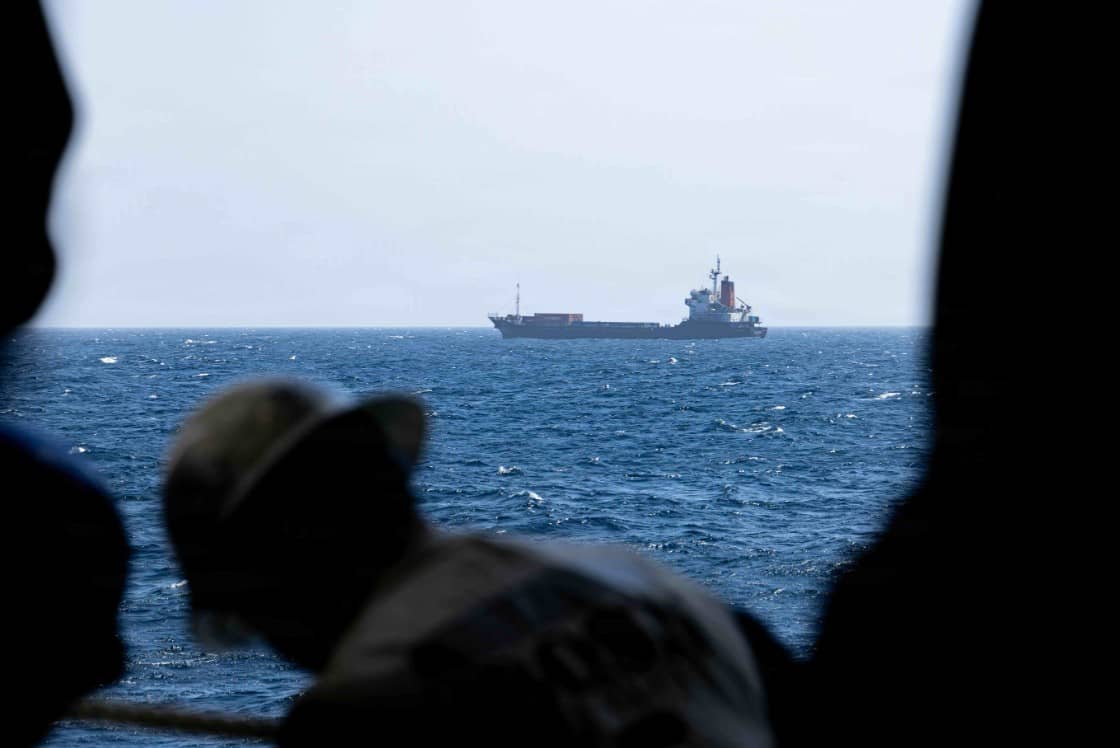
U.S. Marines aboard USS New Orleans (LPD 18) stand watch in the Arabian Sea during naval blockade operations against Iran. As of today, 44 commercial vessels have been directed to turn around or return to port. pic.twitter.com/uisKpGHEqW
— U.S. Central Command (@CENTCOM) April 30, 2026
Trump told Axios on Wednesday that the naval blockade is “somewhat more effective than the bombing,” but said he would consider military action if Iran refuses to negotiate. U.S. military planners are also assessing the possibility that Iran could strike U.S. forces in the region in retaliation for the blockade, which the U.S. Navy imposed on April 13 to cover the entirety of the Iranian coastline, according to CENTCOM.
Earlier today in the Arabian Sea, U.S. Marines from the 31st Marine Expeditionary Unit boarded M/V Blue Star III, a commercial ship suspected of attempting to transit to Iran in violation of the U.S. blockade of Iranian ports. U.S. forces released the vessel after conducting a… pic.twitter.com/UFx329OsHj
— U.S. Central Command (@CENTCOM) April 28, 2026
Secretary of State Marco Rubio approved the Maritime Freedom Construct (MFC) on April 28, a joint State Department and CENTCOM framework to restore Strait navigation, according to a State Department cable seen by Reuters.
U.S. embassies were directed to press partner governments to join by today, May 1, excluding Russia, China, Belarus, and Cuba. “We welcome all levels of engagement and do not expect your country to shift naval assets and resources away from existing regional maritime constructs,” the cable stated. “The MFC is distinct from the President’s Maximum Pressure campaign and from ongoing negotiations.”
The UK and France have led a parallel maritime security effort, recently convening a separate meeting with more than 50 nations on the issue.
Brent crude hit $126 per barrel intraday Thursday before retreating, its highest level since 2022, as the Strait has remained largely closed since the war began.
Iran’s Supreme Leader Mojtaba Khamenei, in a message read on state television Thursday for Persian Gulf National Day, said the U.S. had suffered a “disgraceful defeat.” “Today, two months after the largest military deployment and aggression by the world’s bullies in the region, and the United States’ disgraceful defeat in its plans, a new chapter is unfolding for the Persian Gulf and the Strait of Hormuz,” Khamenei said to have written in a statement.
Iran’s Supreme Leader Ayatollah Mojtaba Khamenei said the United States had suffered a “disgraceful defeat” in the region, according to a written message read out on state television. pic.twitter.com/a9PCofobRa
— Middle East Eye (@MiddleEastEye) April 30, 2026
Iran’s President Masoud Pezeshkian said the U.S. naval blockade was “doomed to fail” and called it “a source of tension and a disruption to lasting stability in the Persian Gulf.”
The session mirrors a Cooper briefing on February 26, two days before the U.S. and Israel struck Iran.