







How to Choose the Right Helmet for Your Mission Type

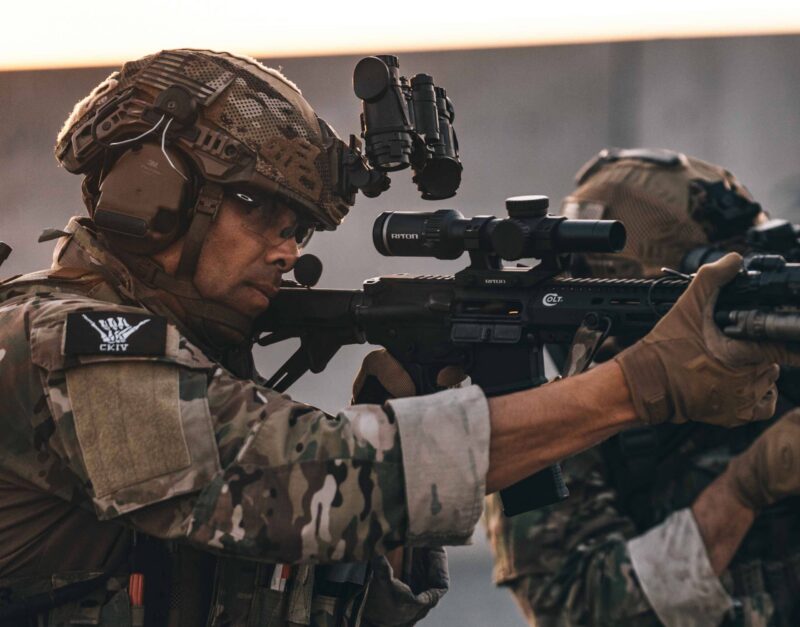
Helmet selection is one of the more nuanced decisions in building a tactical loadout because there is no single correct answer; the right helmet depends on the threat environment, the operational role, the accessories it needs to support, and how long it will be worn. A helmet optimized for a SWAT entry team looks different from one suited to a military patrol, and both look different from those used in training or vehicle operations.
Getting the choice right means working through protection level requirements, helmet cut and coverage trade-offs, comfort and fit for sustained wear, and accessory compatibility before settling on a specific platform. This guide addresses each of those factors in sequence so you can make a decision grounded in actual mission requirements rather than specification sheets.
Understanding Protection Levels
Protection level is the foundational specification for any ballistic helmet. The relevant standard is NIJ Standard 0106.01, which defines threat classifications for ballistic helmets by projectile type and velocity. It is worth noting that while ballistic helmets are tested to NIJ standards, NIJ certification is formally reserved for body armor helmets undergo NIJ-compliant testing and are classified by threat level rather than formally certified in the same way as plates and soft armor. Be cautious of marketing that describes helmets as “NIJ certified”; the accurate terminology is NIJ-compliant or tested to NIJ standards.
Helmet Protection Levels at a Glance
- NIJ Level IIIA: The standard for most tactical helmets. Stops high-velocity handgun rounds, including .357 SIG and .44 Magnum, plus fragmentation threats. Weighs approximately 3–3.5 lbs, depending on construction. The practical choice for law enforcement, military operations where direct rifle fire to the head is not the primary threat model, and most urban environments.
- NIJ Level III (helmet-rated): An emerging category that provides protection against rifle threats, including 7.62×39 and 7.62×51 NATO. Compared with IIIA helmets, the weight penalty is significant and increases neck fatigue during sustained wear. Required only where direct rifle-level head threats are a realistic operational factor.
- Non-ballistic / bump: No ballistic rating provides protection against blunt impact only. Significantly lighter than any ballistic option. Full accessory compatibility at a lower weight makes bump helmets the correct choice for training, vehicle operations, technical roles, and scenarios where physical impact rather than ballistic threat is the primary concern.
For a full overview of ballistic protection level classifications across both helmets and body armor, see the Chase Tactical body armor levels guide.
Helmet Types and Cuts
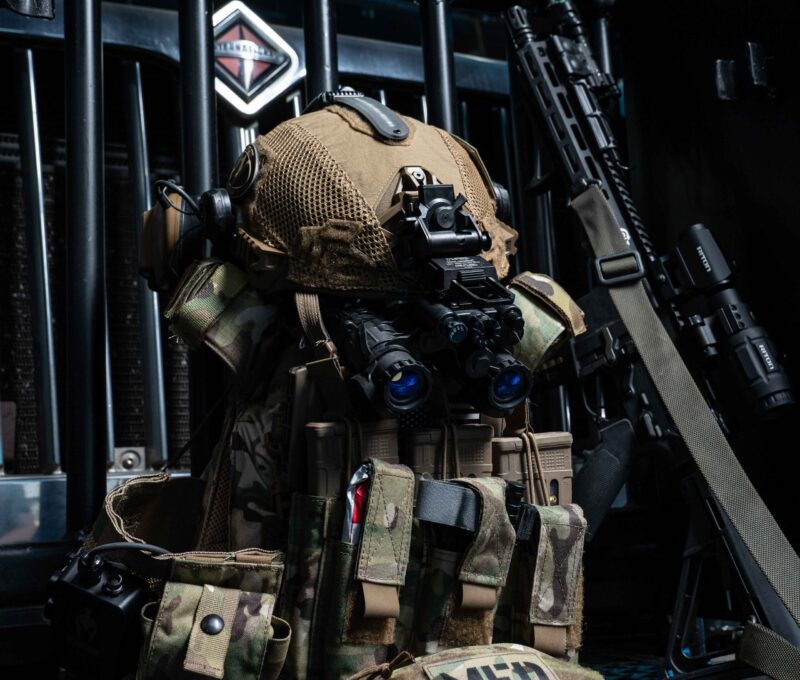
The shape and coverage profile of the shell directly affect both the level of cranial protection and the compatibility of accessories and communication gear. Each cut involves a trade-off between coverage and operational utility.
Full-Cut
Full-cut helmets provide maximum cranial and ear coverage. They offer the broadest protection footprint and are well-suited for roles where fragmentation, blast, and impact threats are distributed across a wide angle. The coverage comes with a weight penalty and limits the use of over-ear communication headsets without an internal communication system built into the helmet.
High-Cut
High-cut helmets reduce the shell profile above and around the ears, improving compatibility with over-ear communication headsets and hearing protection while maintaining frontal and top ballistic coverage. Reduced ear coverage is an accepted trade-off for roles in which communication system integration and situational awareness are operationally critical. High-cut designs are standard across most special operations and law enforcement entry team configurations.
Non-Ballistic Bump Helmet
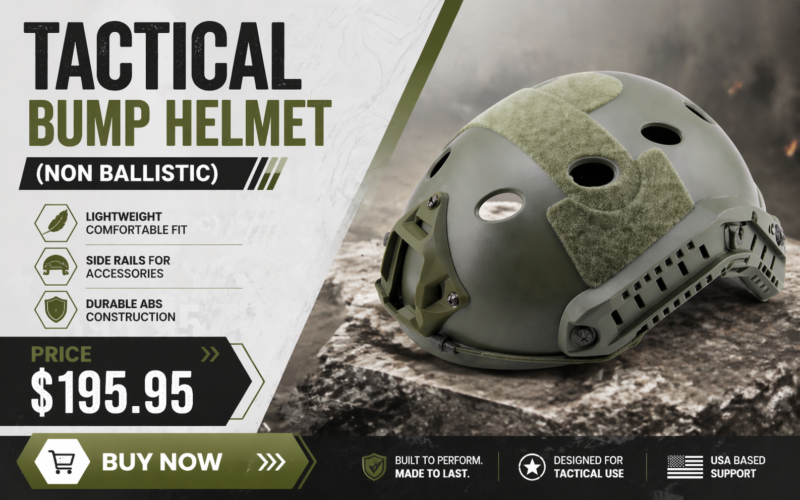
Bump helmets deliver full accessory mounting capability, dovetail rails, NVG shroud, loop fields, side rail systems at weights as low as 24 ounces. They are the appropriate choice when the mission environment does not require ballistic protection but does require a stable accessory platform for night vision, communication, or illumination equipment. The Chase Tactical BUMP Helmet weighs 24 ounces, features upper and lower dovetail accessory rails, a front NVG and camera mount, top and side loop strips for illuminators and strobes, an adjustable 4-point harness, and is available in 13 colors and patterns with universal sizing.
For a detailed breakdown of military helmet types and their fielded history, see the Chase Tactical guide to military helmet types.
Matching Helmet to Mission Profile
The protection level and cut decision ultimately map to your specific operational environment. A few common profiles illustrate how the selection criteria apply in practice.
Urban Law Enforcement and SWAT
The dominant threats in urban tactical operations are handguns, shotguns, and fragmentation. NIJ Level IIIA provides the appropriate level of protection for this environment. High-cut shells are strongly preferred for compatibility with communication headsets. Clear team communication in dynamic CQB environments is operationally critical and justifies the reduced ear coverage. Accessory rails for lights and cameras are standard. Weight matters for entry team operations, where operators may be wearing the helmet during extended pre-mission staging and dynamic movement.
Military Field Operations
Military patrol and combat operations introduce a wider range of threat types and environmental conditions. Full-cut or high-cut IIIA shells remain the standard, with IIIA providing the practical balance of protection weight and coverage. NVG compatibility is typically mission-critical. Communication integration varies by unit and mission type. Counterweights are common for operators running dual-tube NVG systems to balance forward mass and reduce neck fatigue during extended operations.
Training, Vehicle Operations, and Technical Roles
Environments where the primary hazard is physical impact — not ballistic threat — are where bump helmets are the operationally correct choice. The weight savings relative to any ballistic option are significant, reduce fatigue throughout a full training day, and still provide a full accessory-mounting platform for any devices the role requires.
Comfort, Fit, and Retention System Setup
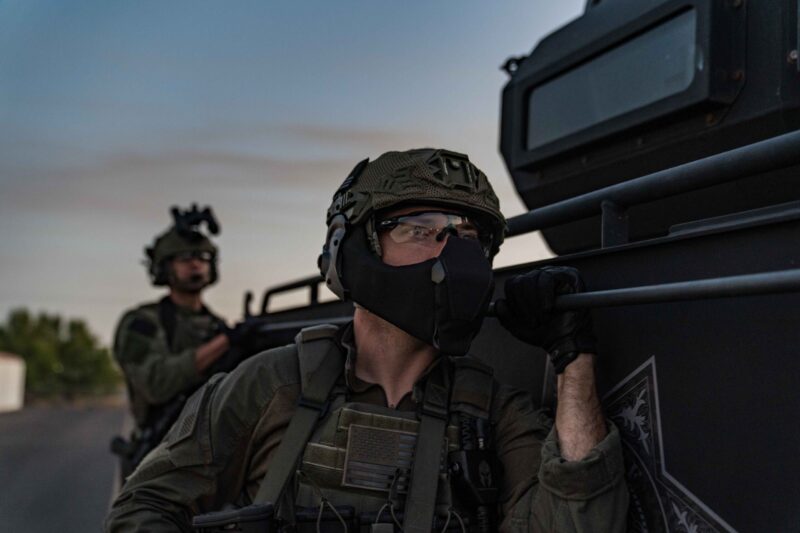
A helmet that does not fit correctly provides neither reliable protection nor stable accessory mounting. Start with an accurate head circumference measurement around the widest point of the head, typically just above the ears and across the forehead, and match it to the manufacturer’s sizing guidance. For helmets with adjustable pad systems, configure pad thickness and position to achieve a level, snug fit with no pressure points and no rocking in any direction during movement.
The retention system, typically a four-point adjustable chin strap and harness, should be tightened to keep the helmet seated securely through full jaw movement without restricting breathing or jaw function. Verify the fit by moving through a complete range of head motion and simulating the physical demands of your operational role. A helmet that rocks or shifts during that test needs to be readjusted before use.
Fit Verification Points
- The helmet sits level at rest, not tilted forward or back
- No rocking in any direction during head movement or physical activity
- No pressure points during sustained wear, adjust pad positions to address them
- Chin strap holds the helmet in place through open-jaw movement without constricting
- Accessories mounted without altering the level seating of the helmet shell
Accessory Compatibility
A helmet’s accessory-mounting capability is as operationally important as its protection rating in many roles. Before selecting a helmet, map every accessory you need to mount against the helmet’s available attachment systems to confirm compatibility. The key mounting systems to verify are the front NVG shroud interface, side rails for communication headsets, and top and side loop or rail surfaces for lights and illuminators.
Counterweights deserve specific attention for operators running NVG systems. Helmet-mounted night vision devices shift the helmet’s center of mass significantly forward. Without a counterweight on the rear, this creates a persistent forward neck load during extended wear that accelerates fatigue. Counterweight pouches and battery systems mounted on the rear of the helmet restore balance and reduce cumulative neck strain over a full operational period.
Environmental Considerations
Helmet shell materials respond differently to environmental conditions over time. UV exposure and prolonged heat degrade both para-aramid and polyethylene composite materials, reducing ballistic performance below rated levels even when no visible damage is present. Store helmets away from direct sunlight and extreme heat, and follow manufacturer guidelines for maximum storage temperature ranges.
In high-humidity environments, interior pad systems can accumulate moisture and bacterial growth if not maintained. Remove and clean pads regularly. Most modular pad systems are designed for removal and hand washing. Allow pads to dry completely before reinserting. For sustained operations in wet environments, waterproof shell coatings extend the service life of the exterior surface and prevent moisture from working into the shell laminate.
Conclusion
Choosing the right helmet for your mission type is a systematic process, not a single judgment call. Protection level must match the threat environment IIIA for handgun and fragmentation threats, Level III where rifle threats to the head are realistic, non-ballistic for impact-only environments. Cut must match your communication and accessory requirements: high-cut for headset compatibility, full-cut for maximum coverage when internal comms are available, and bump for lightweight, full-accessory deployment when ballistic protection is not required. Fit must be verified and dialed in before accessories are mounted. And accessory compatibility must be confirmed against every device your mission requires before the platform is selected.
Work through each of those decisions in sequence, and the right helmet becomes a clear choice rather than a compromise. Every factor builds on the previous one, and a helmet that gets each of them right will perform reliably through the full range of conditions your mission demands.
Frequently Asked Questions
What is the expected lifespan of a tactical helmet?
Most tactical helmets carry a manufacturer-rated service life of 5–10 years under proper storage and use conditions. Ballistic performance in composite shells degrades over time regardless of visible condition, which is why adherence to replacement timelines matters even for helmets that show no external damage. Any helmet that has sustained a significant impact, ballistic or non-ballistic, should be removed from service immediately, regardless of age, as internal structural compromise is not reliably detectable by visual inspection alone.
How do I properly maintain and clean my helmet?
Wipe the shell exterior with mild soap and lukewarm water after use in dirty or wet conditions. Remove interior pads and wash them separately. Most modular pad systems are designed for removal and handwashing with mild detergent. Allow all components to air dry completely before reassembly. Avoid harsh chemicals, abrasive tools, and machine washing. Inspect rails, shroud hardware, and retention system components for damage or looseness as part of your regular gear check.
Can helmets be fitted with unit insignias or patches?
Yes. Most tactical helmets feature hook-and-loop fields on the front and sides specifically for patch attachment. Unit insignias, identification patches, IR flags, and other hook-backed items attach directly to these loop surfaces. Ensure that any attachment method does not compromise the shell’s structural integrity, and avoid adhesives or mechanical fasteners that penetrate the shell material.
What should I do if my helmet is damaged during a mission?
Remove it from service immediately and do not return it to use until it has been inspected and cleared or replaced. For any ballistic impact, replacement is mandatory regardless of visible damage. For non-ballistic impacts that cause visible deformation, cracking, or damage to the rail and shroud, the helmet should be replaced. For minor cosmetic surface damage with no structural implications, inspect all functional components thoroughly before returning to use and document the damage for warranty or maintenance records.