







Army Raises Maximum Enlistment Age to 42 and Drops Marijuana Waivers

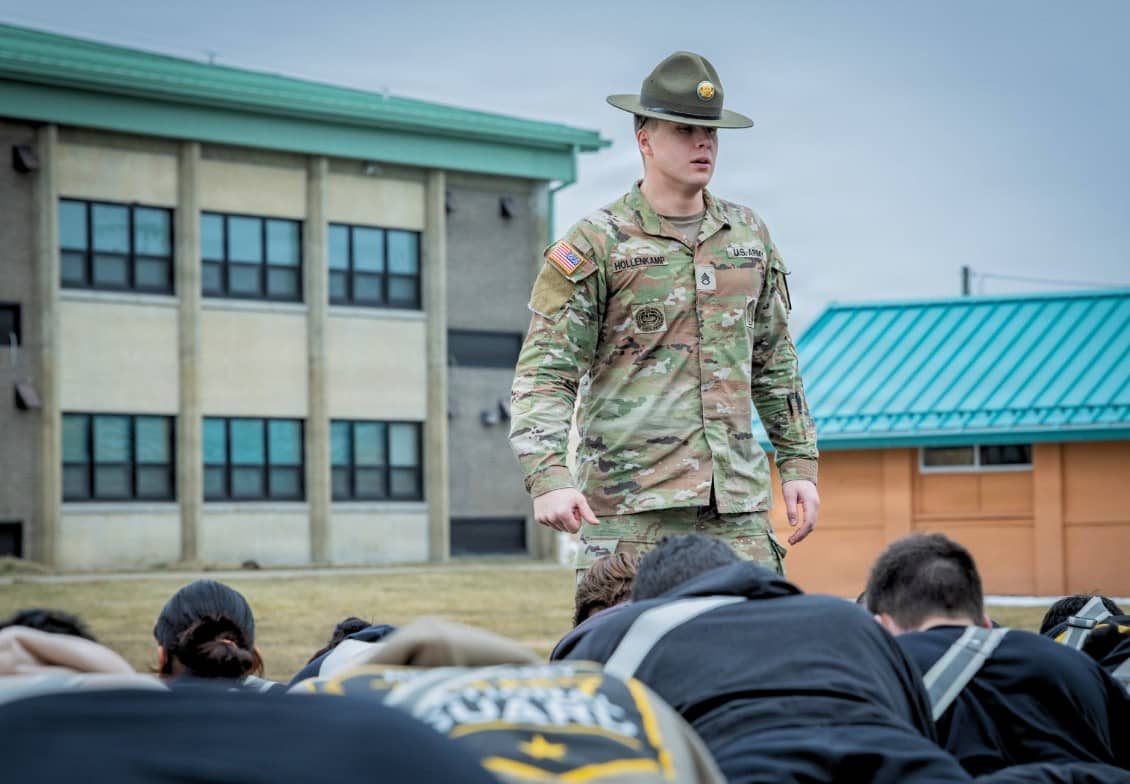
The U.S. Army has raised its maximum enlistment age and eased restrictions for potential recruits with a prior marijuana possession conviction, in a move aimed at broadening its recruiting pool as the U.S. remains engaged in the ongoing conflict with Iran.
In a memo published this week, the Army said it will increase the maximum age for new recruits from 35 to 42, with the change set to take effect in April. The updated regulation applies to the active-duty Army, Army National Guard and Army Reserve.
The policy shift also removes a previous requirement for a waiver for individuals with a single conviction for marijuana possession or possession of drug paraphernalia. Under the old rules, such applicants needed Pentagon approval, had to wait up to 24 months and pass a drug test before enlisting. This adjustment is expected to significantly reduce processing times and open the door for thousands of otherwise qualified Americans who may have experimented with cannabis in states where it is now legal.
The change comes as more states move to legalize cannabis, though its use remains strictly prohibited for service members once they join. Applicants with more serious drug-related offenses will still require waivers, and all recruits must still pass rigorous background checks and drug screenings. Officials emphasized that the policy does not signal any relaxation in the military’s zero-tolerance stance on drug use during service.
The Army described the update as part of a broader effort to expand eligibility and align more closely with other military branches. The Air Force and Space Force already allow enlistment up to age 42, while the Navy and Coast Guard cap enlistment at 41. The Marine Corps maintains a maximum age of 28, with waivers available in some cases. By harmonizing standards across services, the Army hopes to create a more competitive recruiting environment and prevent potential recruits from choosing other branches simply due to age or minor past infractions.
Army leaders say the changes reflect a shift toward attracting a wider and more experienced pool of applicants. The average age of recruits has risen to 22.7 in fiscal year 2026, compared with 21.7 in the 2000s and 21.1 in the 2010s, according to Army data. This gradual increase in recruit age mirrors broader demographic trends in the United States, including delayed entry into the workforce due to higher education and economic pressures.
“We’re kind of looking at a more mature audience that might have experience in technical fields,” said Angela Chipman, chief of military personnel accessions at the U.S. Army. “We need warrant officers with extreme technical capabilities, and those will come from the enlisted ranks. Many of today’s young adults bring valuable skills from civilian jobs in cybersecurity, drone operations, logistics, and advanced manufacturing—skills that are increasingly critical on the modern battlefield.”
The move follows recruiting shortfalls in 2022 and 2023, when the Army missed its enlistment goals by several thousand soldiers, before rebounding in 2024 through aggressive advertising campaigns and bonus incentives. Military analysts suggest that persistent challenges such as a strong civilian job market, declining propensity to serve among young Americans, and negative perceptions of military life have forced the services to become more flexible. Lower birth rates in recent decades have also shrunk the traditional recruiting pool of 17- to 24-year-olds.
In addition to the age and marijuana policy changes, the Army has been exploring other initiatives, including expanded opportunities for prior-service members, streamlined medical waivers, and increased focus on recruiting from underrepresented communities. Some experts caution, however, that while these adjustments may help short-term numbers, long-term readiness depends on improving retention, training quality, and overall quality of life for service members and their families.
The updated regulation does not mention reinstating a military draft, a measure some other countries have recently taken to increase their troop numbers amid rising global tensions. Pentagon officials continue to insist that the all-volunteer force remains sufficient, though they acknowledge that sustained conflicts place significant strain on personnel. As the situation with Iran evolves, maintaining a robust and adaptable force will likely remain a top priority for U.S. defense leaders.