








Best Practices for Using Body Armor in Combat Scenarios

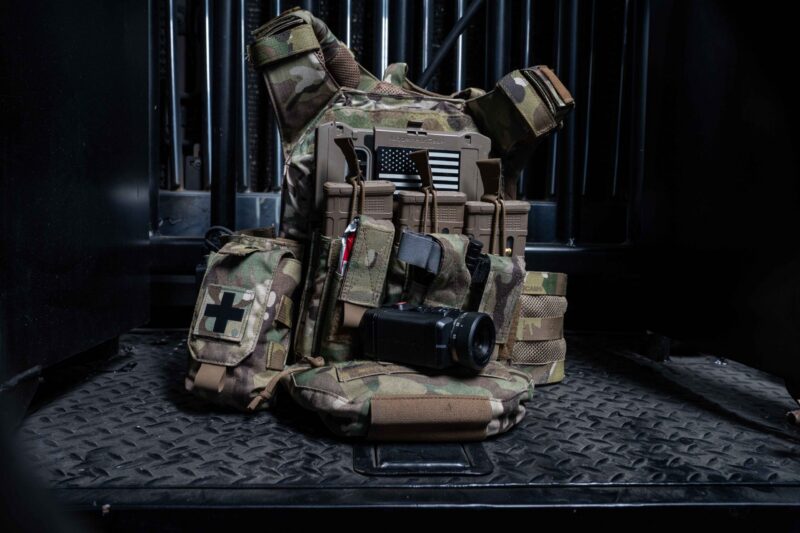
When you’re gearing up for a mission, properly fitting your body armor is essential for both protection and mobility. Position the vest above your hip bones and below the suprasternal notch for optimal coverage. Practice moving with your gear regularly to get used to its weight, and arrange attachments, such as first-aid kits, strategically to enhance efficiency.
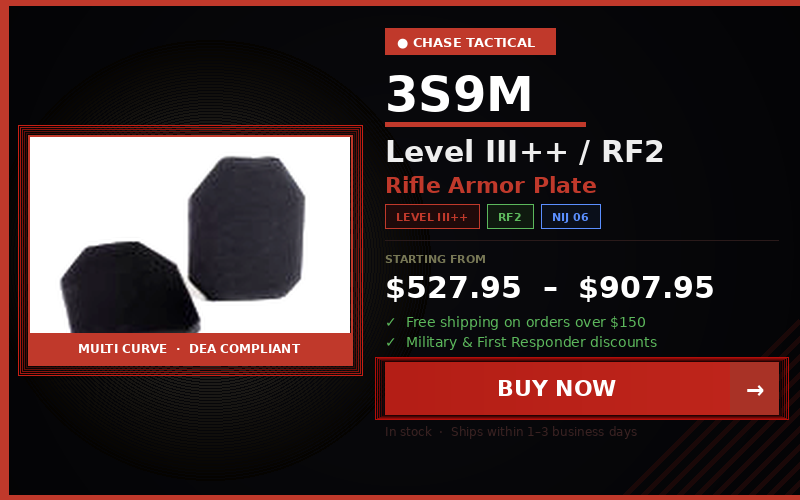
Ready to equip yourself with combat-proven protection? Our 3S9M Level III RF2 Rifle Armor Plate delivers mission-critical protection with advanced weight distribution and mobility features, ensuring you stay agile and protected in the most demanding combat scenarios.
Proper Fitting Techniques
When it comes to wearing body armor in combat, ensuring a proper fit is crucial for both protection and mobility. Start by positioning the front panel just below your collarbone, about 1-2 inches below the suprasternal notch, and ensure the vest’s base covers your ribcage. The back panel should protect your critical organs from the shoulder blades downward, while the bottom edge rests above your hip bones. Proper fit enhances safety and reduces vulnerability to threats, ensuring the armor provides maximum protection while allowing easy movement.
Insert ballistic plates into their designated pockets, keeping them level and centered on your chest. Secure side straps snugly from front to back, making sure they don’t cross. Adjust shoulder straps for comfort without digging in. Ensure that panels don’t extend into armpits, and use a buddy system to confirm alignment and fit.
Enhancing Mobility With Body Armor
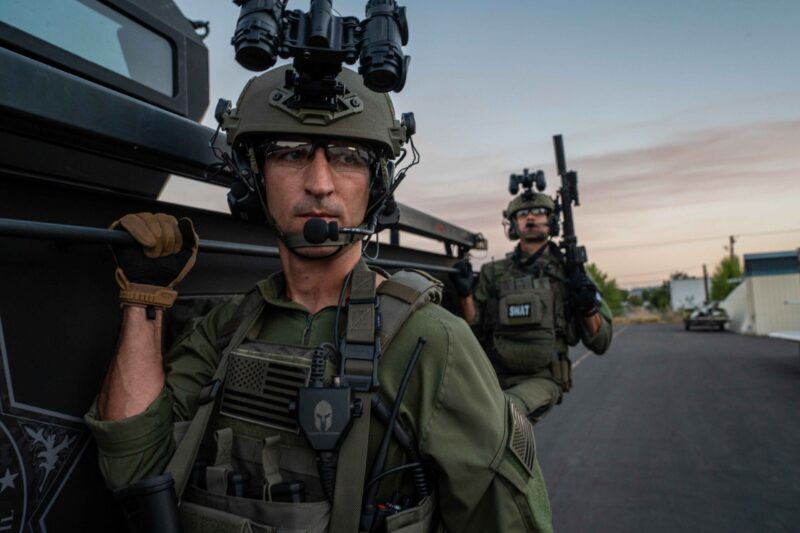
Advancements in materials and design have revolutionized body armor, enabling enhanced mobility without compromising protection. Modern innovations like non-Newtonian fluids and flexible ballistic panels provide dynamic protection while maintaining freedom of movement.
Here’s how you can maximize mobility:
Flexible Design: Use Hyperline™ articulated armor panels that provide flexibility in critical areas such as the shoulders and waist, ensuring a wide range of motion.
Modular Systems: Opt for modular plate carriers with quick-release systems to adjust armor levels and reduce unnecessary weight quickly.
Ergonomic Positioning: Ensure proper adjustment of side panels, and use carriers with stretchable components to allow bending and crouching without restriction. Body armor significantly affects movement quality, as studies have found differences in Functional Movement Screen scores between armor and non-armor conditions.
Incorporating these elements helps maintain agility and performance during combat scenarios.
Effective Weight Distribution Strategies
Shoulder Strap Adjustment
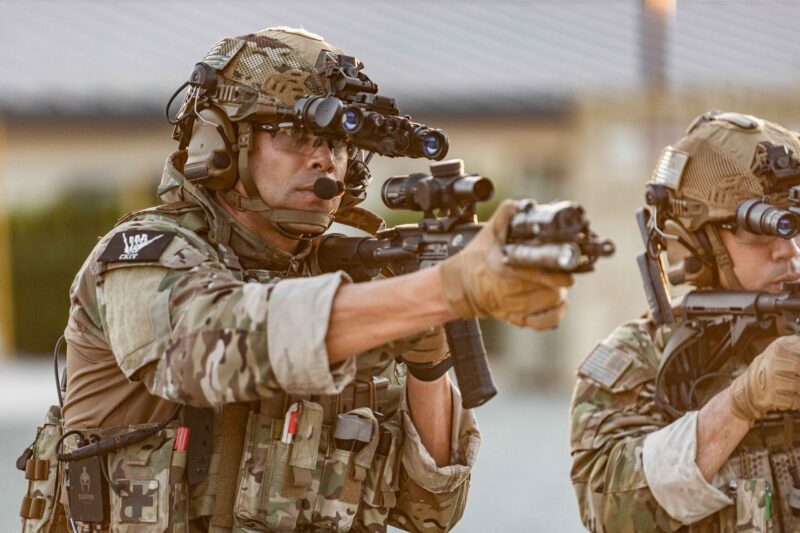
Achieving optimal shoulder strap adjustment is essential for effective weight distribution in body armor. Start by ensuring the front plate rests about an inch below your collarbone, and align the back plate so it is level to avoid imbalance.
Here’s how to adjust for optimal weight distribution:
Tension Check: Straps should be snug but not restrictive. Use the two-finger rule to check side tension, ensuring comfort and maintaining full range of motion.
Vertical Positioning: The SAPI cut plate tips should nearly touch when your shoulders are pushed inward, indicating proper vertical alignment.
Dynamic Testing: Perform dynamic movements like arm raises and torso twists. The plates should stay in position without pinching or shifting, ensuring mobility and protection. Coverage of vital areas is prioritized over comfort, so always ensure that essential zones are protected while making adjustments.
Gear Weight Minimization
Effective weight distribution in combat gear is vital for maintaining comfort and operational effectiveness. By balancing the weight across your shoulders and waist, you minimize strain and prevent muscle fatigue. Use carriers that distribute weight evenly, integrating hip and waist belts to offload up to 90% of armor weight, reducing pain and injury risk. Ensure the waist belt fits well to lower shoulder strain and maintain proper load carriage. Proper fit improves performance in the field by enhancing safety and comfort, enabling individuals to maneuver more effectively in demanding situations.
Only carry mission-critical gear to avoid unnecessary weight. Strategically place medical kits, ammunition, and hydration systems for quick access and operational readiness. Utilize scalable armor systems to adjust your loadout based on threat levels. Proper plate sizing and configuration are vital; opt for carriers with built-in curves to enhance natural weight flow and maintain protective integrity. Historically, dismounted soldiers have carried average loads of 55 to 60 pounds over the last 3,000 years, underscoring the importance of managing weight for optimal performance.
Ensuring Optimal Protection Coverage
How do you ensure your body armor provides the best possible coverage in combat? Start with the right combination of soft and hard armor to address a variety of threats.
Layered Protection Systems: Use hybrid armor setups that combine soft armor with hard plates for comprehensive coverage. Soft components protect against fragmentation, while ceramic plates stop high-velocity rounds.
Strategic Panel Overlaps: Ensure your armor includes overlapping panels to maximize coverage and distribute load evenly across your torso. This strategic overlap enhances protection without sacrificing mobility.
Adjustable Fit: Use adjustable strapping systems for a secure fit that accommodates different body types and equipment loads. Properly fitted armor is vital for maintaining both protection and comfort in dynamic combat environments.
Implement these strategies to effectively enhance your protective coverage.
Training Practices for Combat Readiness
Tactical Drills Execution
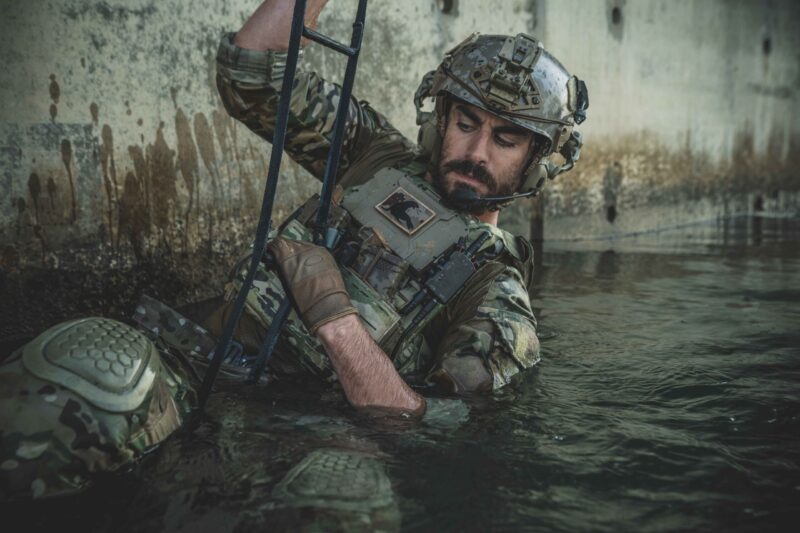
Preparing for combat requires a comprehensive approach, and executing tactical drills is a cornerstone of combat readiness. Engaging in scenario-based exercises enables you to respond effectively to various threats. These drills should include active-shooter scenarios, ambush exercises, and building-clearing exercises.
Here’s how to enhance your tactical drill execution:
Integrate Realism: Use local shooting ranges for realistic combat simulations, incorporating full-armor setups to support complex movement and shooting drills.
Home Practice: Set up dry-fire exercises to practice combat maneuvers in full gear, and adapt techniques to your armor configuration.
Marksmanship with Armor: Practice shooting from different positions—standing, kneeling, and prone—while wearing armor to simulate real combat conditions.
Armor Familiarity Development
Familiarizing yourself with body armor is essential for effective combat readiness. You need to know how to wear tactical vests properly, ensuring that attachments like first-aid kits and magazine pouches are accessible. Start by practicing the fitting process, adjusting straps for a snug fit without compromising mobility.
Regularly drill with your gear on to get used to the weight and movement restrictions. This isn’t just about comfort; it’s about survival. Understand how each component operates—quick access to your gear can be vital in high-pressure situations. Make it routine to inspect your armor for damage, as compromised protection could be fatal. Training with your armor will enhance your confidence and efficiency, making you more prepared for real combat scenarios.
Maintenance and Storage Guidelines
Ensuring the longevity and effectiveness of your body armor requires strict adherence to maintenance and storage guidelines. Store your armor in cool, dry places away from direct sunlight to prevent fiber deterioration. Avoid environments with extreme temperature fluctuations or moisture, which can weaken protective fibers.
Follow these key practices:
Storage: Keep armor flat and separate from heavy objects to maintain structural integrity. Avoid storing in vehicles or damp areas.
Cleaning: Hand-wash soft armor with mild detergent in cold water. Air dry away from direct sunlight. For hard plates, use a damp cloth and mild soap, avoiding immersion and abrasive materials.
Inspection: Regularly check for tears, cracks, or damage. Replace compromised armor to ensure maximum protection.
Considerations for Long-term Wear and Acclimation
After ensuring proper maintenance and storage of your body armor, it’s important to understand the challenges associated with long-term wear and acclimation. Wearing armor significantly increases oxygen uptake, raising physiological demand even during slow walks. Your heart rate and blood lactate levels rise, leading to faster muscle fatigue and increased cardiovascular strain. Expect a decline in physical performance, including reduced pull-up capability and stair-stepping efficiency.
Thermal stress is a major concern, with heavy vests generating excessive heat. Properly fitted, moisture-wicking liners can help reduce discomfort. Armor weight affects musculoskeletal coordination, increasing the risk of injury. Psychological stress can also build, so training in stress management is essential. Understanding these factors will help you adapt more effectively.
Frequently Asked Questions
How do I choose the right body armor for urban environments?
Choose body armor based on threat assessment: Level II or IIIA for handguns, Level III for rifles. Consider comfort, fit, and coverage. Ensure proper ventilation and weight distribution. Use NIJ standards to match threats effectively.
What are the signs that body armor needs replacement?
Look for cracks, chips, or deformations. Check for punctures over 1/8 inch, deep scratches, warping, or discoloration. Always replace expired armor. Watch for chemical damage, weight changes, or unusual rigidity. Trust your instincts and inspect regularly.
Can body armor be customized for specific missions?
Yes, you can customize body armor for specific missions. Adjust removable panels for protection levels, switch components for mobility, and tailor configurations for roles like medic or sniper. This ensures effectiveness while maintaining comfort and agility.
How does body armor affect communication equipment use?
Body armor affects the use of communication equipment by integrating systems directly, reducing the need for separate devices. You gain better mobility and focus on tasks without managing extra gear, but watch for increased weight and complex cable management.
What are the legal requirements for civilian body armor use?
You must be 18 or older and not have a violent felony conviction to use body armor. Check state laws as some have stricter rules. New York and Connecticut impose specific restrictions on the purchase and possession of. Always verify local regulations.