







U.S. Army Abruptly Cancels Deployment of 4,000 Soldiers to Europe

The U.S. Army has canceled the planned deployment of more than 4,000 soldiers to Poland, just days after the Pentagon announced broader troop reductions across Europe. This abrupt decision marks a significant shift in U.S. military posture in the region amid ongoing tensions with Russia and strained relations with European allies.
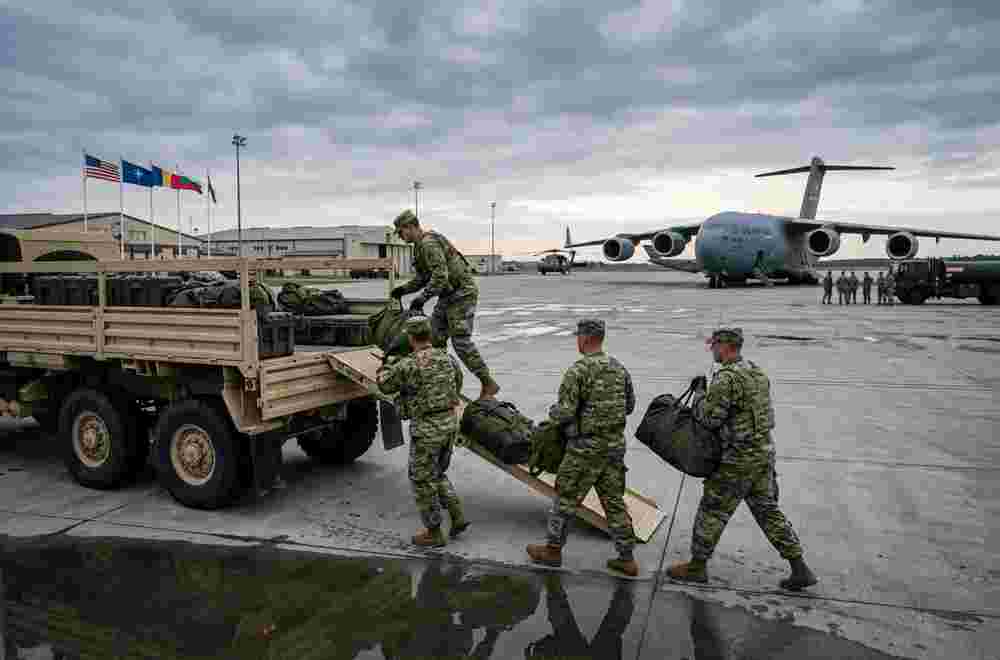
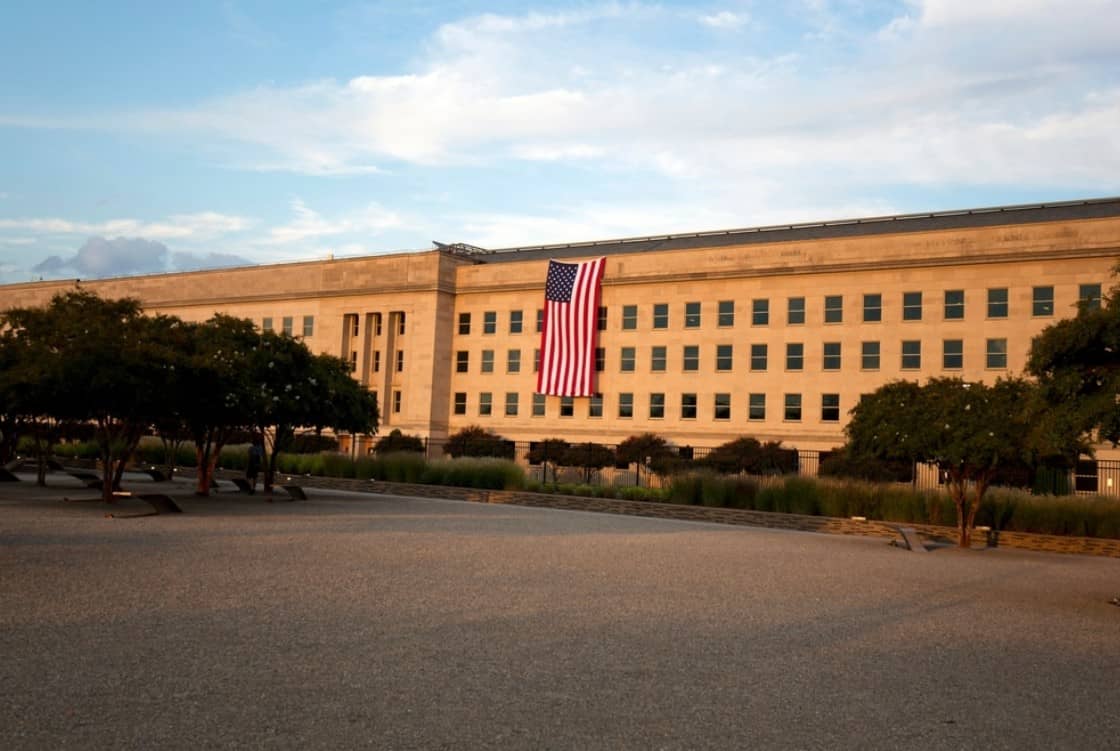
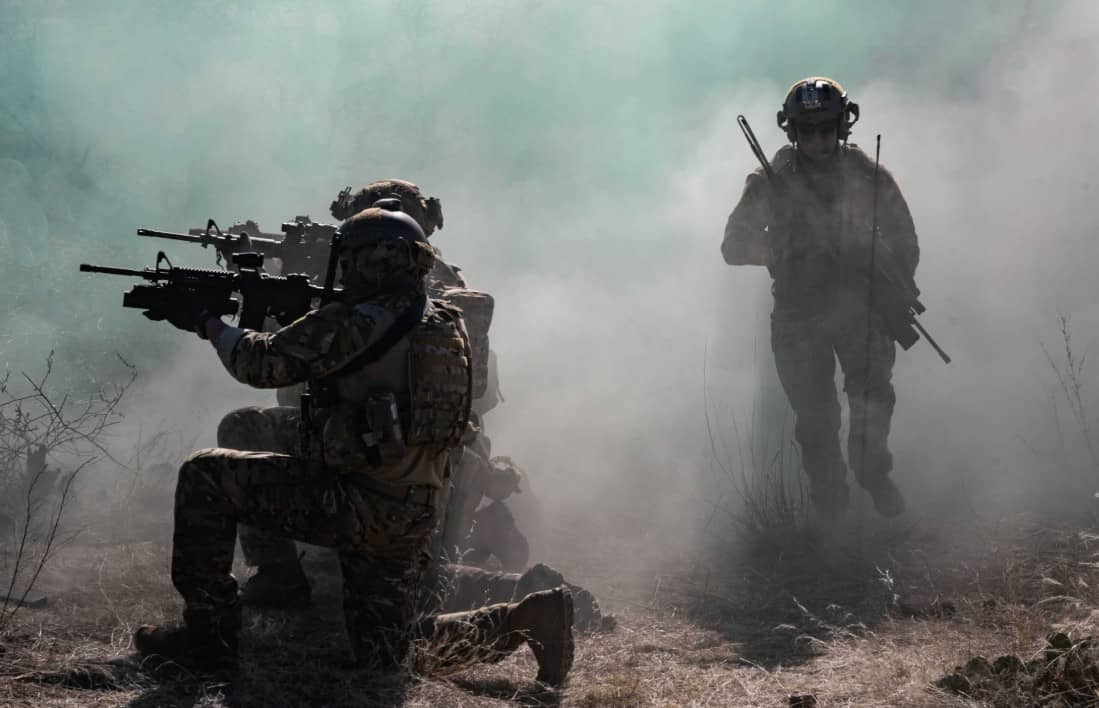
An Army official confirmed the cancellation to U.S. media outlets on Wednesday, though specific reasons were not immediately detailed. The Department of Defense, often referred to in older terminology as the War Department, has yet to issue an official public confirmation, leaving some analysts speculating about the full scope and motivations behind the move. The affected unit is the 2nd Armored Brigade Combat Team of the 1st Cavalry Division, based at Fort Hood, Texas. This brigade had been scheduled to rotate into Poland as part of Operation Atlantic Resolve, the long-standing U.S.-led effort to strengthen NATO’s eastern flank.
Operation Atlantic Resolve was launched in response to Russia’s full-scale invasion of Ukraine in February 2022. The mission aims to deter further Russian aggression by maintaining a robust American presence through rotational deployments of troops, equipment, and armored units across Central and Eastern Europe. For years, these rotations have involved thousands of personnel cycling through countries like Poland, the Baltic states, and Romania, providing reassurance to NATO allies concerned about Moscow’s expansionist ambitions. The 2nd Armored Brigade Combat Team was set to replace another brigade from the same 1st Cavalry Division, ensuring continuity in this critical deterrent force.
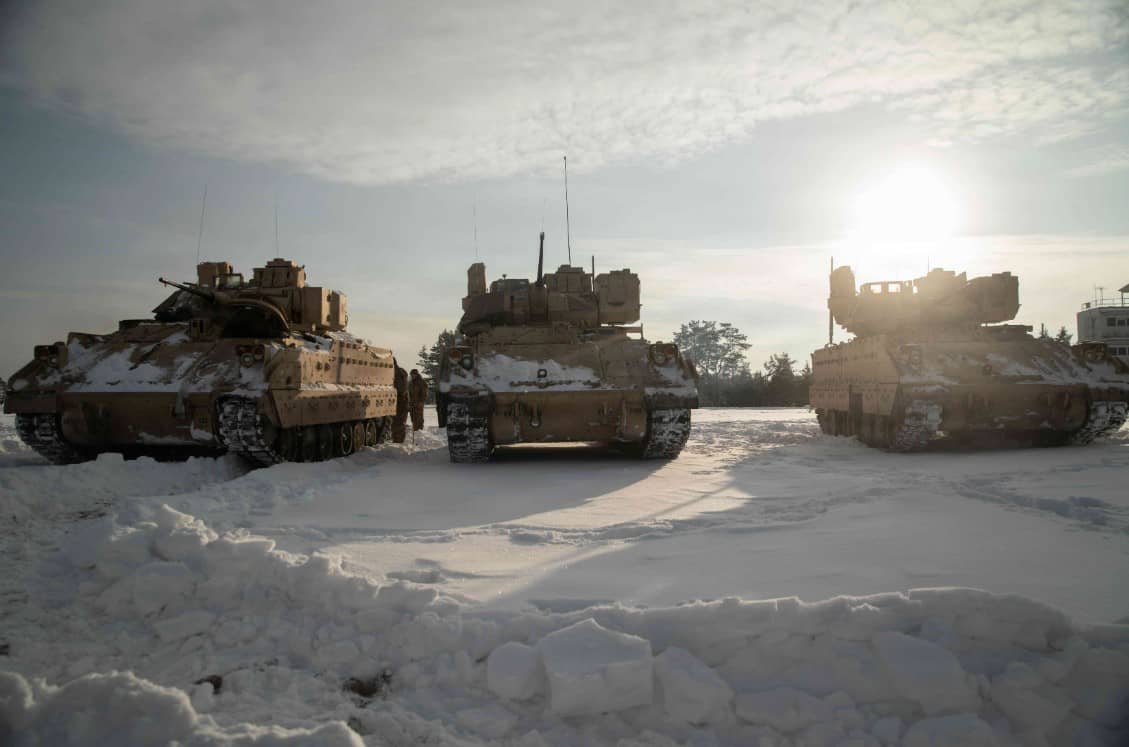
According to multiple reports, advance teams from the unit had already arrived in Europe to coordinate logistics and handoff procedures with the outgoing brigade. Heavy equipment, including tanks, armored vehicles, and support systems, was already en route via sea and land transport for what was anticipated to be a standard nine-month rotation. However, a Pentagon memo dated May 1 abruptly halted the deployment, catching many in the chain of command by surprise. This cancellation disrupts carefully planned schedules and could impact readiness levels for both U.S. and allied forces in the theater.
The decision aligns with larger White House plans to withdraw approximately 5,000 U.S. troops from Germany, a move that signals a reevaluation of America’s forward-deployed forces on the continent. President Donald Trump personally authorized the changes following what administration officials describe as insufficient support from European partners. Trump had pressed allies to join the U.S. in a firmer stance against Iran, including potential military or diplomatic escalation in the ongoing regional conflicts. When key European leaders declined to provide meaningful backing, the president expressed sharp disappointment.
In recent weeks, Trump publicly criticized several prominent European figures for their reluctance. Among those singled out were German Chancellor Friedrich Merz, Spanish Prime Minister Pedro Sánchez, and British Prime Minister Keir Starmer. Trump argued that these nations benefited from American security guarantees under NATO but failed to reciprocate when the U.S. sought solidarity on other global threats, particularly Iran’s nuclear ambitions and proxy activities in the Middle East.
The troop adjustments come alongside new economic pressures. Trump recently announced intentions to impose higher tariffs on cars and trucks imported from the European Union. This tariff threat, which could affect major manufacturers in Germany and other auto-producing nations, serves as leverage in the broader diplomatic dispute. European officials have pushed back, warning that such measures could damage transatlantic trade relations and weaken collective defense cooperation.
Analysts suggest the cancellations reflect a transactional approach to alliances. For decades, the U.S. has shouldered a disproportionate share of NATO’s defense burden, with American troops and funding playing a central role in European security. Supporters of the policy shift argue it encourages allies to increase their own military spending and take greater responsibility for regional stability. Critics, however, worry that reducing presence in Poland—a key frontline state bordering Ukraine and Kaliningrad—might embolden Russia at a sensitive time.
The 2nd Armored Brigade Combat Team, known for its combat-proven armored capabilities, will now remain stateside, potentially reallocating to other missions or training cycles. Fort Hood, one of the U.S. Army’s largest installations, will absorb the impact on personnel and families who had prepared for overseas deployment. Meanwhile, NATO commanders are assessing how to fill any resulting gaps in rotational forces without compromising deterrence.
This development underscores evolving U.S. priorities under the current administration, balancing fiscal concerns, alliance commitments, and responses to multiple global flashpoints. As details emerge, observers will watch closely for reactions from Warsaw, Brussels, and Moscow. The cancellation not only affects immediate military logistics but also carries symbolic weight regarding the future of American engagement in Europe.